







Search Results for: CoffeeWorkshop
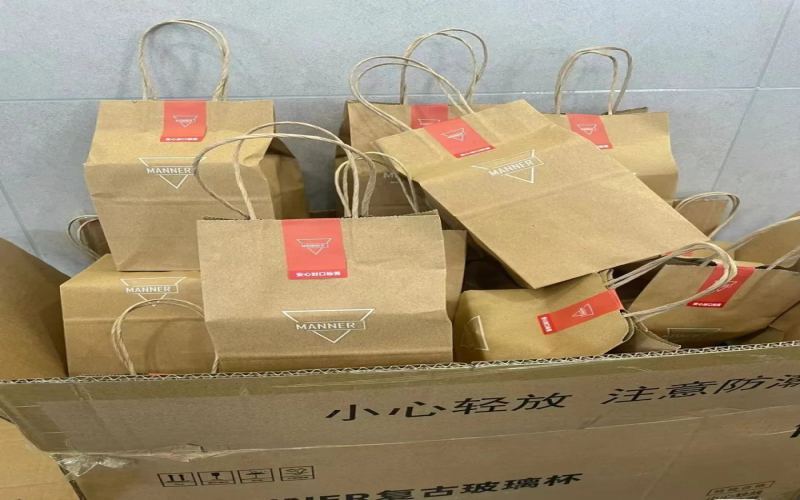
Manner's Retro Glass Cup Giveaway Falls Flat: Why Buy-One-Get-One Promos No Longer Excite Consumers
Manner has always been known for its frequent free cup promotions, and the combination of set meals plus giveaways was once regarded by many users as a high-value choice. However, the recently launched retro glass cup giveaway unexpectedly fell flat—the cups the staff had prepared in advance went untouched, and the expected surge in orders never materialized. Why did a giveaway that was once so popular fail this time? A mix of factors is at play: the appearance not matching expectations, the set meal pairings not suiting people's tastes, the cup material not being heat-resistant, and consumers becoming increasingly rational. When buy-one-get-one promotions can no longer easily spark the urge to purchase, the promotional logic of coffee brands may be facing a turning point. [more…]

Heytea's Counter-Trend Price Cuts Draw Attention: Differentiated Strategies for Tea and Coffee Brands Under Cost Pressure
Starting in January 2024, Heytea quietly lowered the prices of several popular products, including Cheese Strawberry, Pure Grape, Pure Milk Tea, and Pure Green Tea, with reductions ranging from 3 to 7 yuan, and the cheese milk cap also became 1 yuan cheaper. This move was not publicly promoted, but was discovered by observant consumers on social platforms. At the same time, brands such as Chayan Yuese, Luckin Coffee, and Tims Coffee raised prices one after another due to rising costs of raw materials, labor, transportation, and energy. Why could Heytea cut prices against the trend? Some analysts believe this is related to its advantages in scale, brand, and supply chain control, and it also reflects the deeper logic of inflation being transmitted to end consumer goods against the backdrop of global quantitative easing. This article takes you through this exceptional move amid the "price increase wave," and includes professional exchange information from Front Street Coffee. [more…]
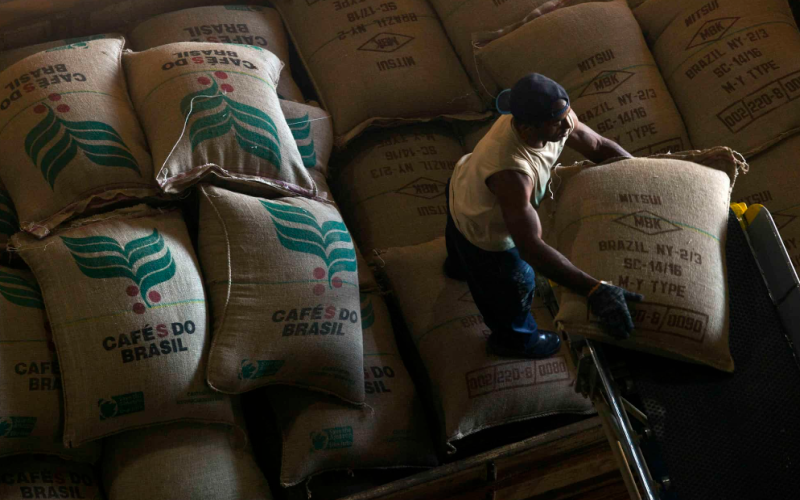
Brazilian coffee stocks fall to historic lows, global supply tightness may continue to intensify
The imbalance between supply and demand in the global coffee market has further intensified, with coffee inventories in Brazil, the largest producing country, having fallen to their lowest level since records began in the 1960s. Although Brazil's total coffee production in 2022/23 grew by 6.7% year-on-year, inventories plummeted by 88% year-on-year, leaving only 540,000 bags. Arabica failed to reach expected output due to drought and frost, while Vietnam's Robusta inventories also halved, tightening supply for both major varieties at the same time. Brazil's low conversion rate of fresh cherries has further exacerbated the shortage, and coffee prices face sustained upward pressure. This article will review the latest data and the underlying causes, and includes professional recommendations from Front Street Coffee. [more…]
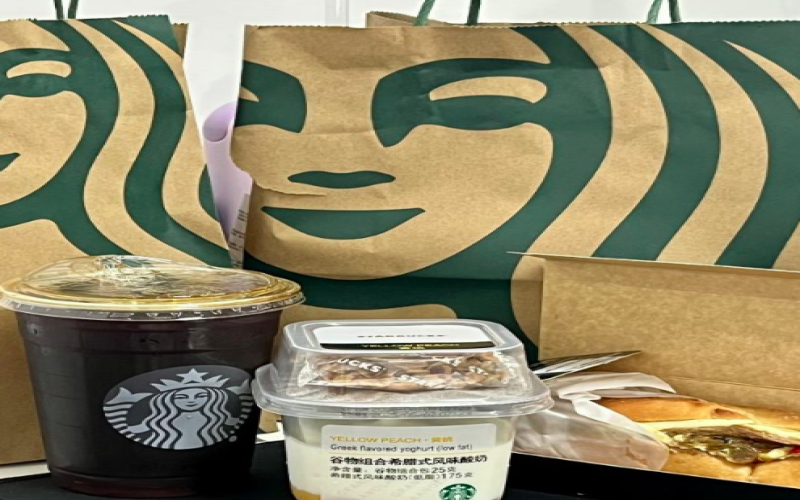
Delivery subsidy war hits Starbucks stores, emptied pastry cases spark polarizing reactions among employees and consumers
The delivery subsidy war between JD.com and Meituan has unexpectedly spread to Starbucks—after stacking coupons, a breakfast set that originally cost dozens of yuan is now only a little over ten yuan, and you can even get a cup of Starbucks for just over three yuan. Consumers rushed to snap up cakes and bread they normally wouldn't bear to buy, causing the food display cases at many stores to be emptied ahead of schedule, with office workers exclaiming that such a spectacle is rarely seen. Yet store employees are complaining bitterly, as doubled order volumes leave them exhausted. In this clash of the titans between platforms, who really benefits and who suffers? Front Street Coffee takes you through the coffee industry ecosystem behind this delivery melee. [more…]

A 359-yuan latte is actually a plush toy? Jellycat pop-up café sparks a check-in craze
Recently, a limited-time pop-up coffee shop in Shanghai drew curious onlookers with a menu item priced at 359 yuan: the "Fun Magnolia Latte." This coffee pop-up, opened by the British toy brand Jellycat, doesn't actually sell real coffee but instead offers cute plush toys. After customers place an order, staff complete the "making" and packaging through a simulated scene. This theatrical, performance-style service has become a hallmark of the brand. Some find it awkward, while others thoroughly enjoy it. This article will walk you through how this unique "coffee shop" operates and the heated discussions among netizens about this phenomenon. [more…]

Luckin Coffee's Halloween limited-edition Pumpkin Oat Latte hits the market, with consumers saying it tastes like pumpkin porridge, sparking heated discussion.
On the eve of Halloween, Luckin Coffee launched a limited-edition new product in collaboration with Pingu—the Pumpkin Oat Latte—which attracted many consumers to place orders and try it right away. However, the drink's appearance and taste sparked widespread discussion on social media. Some found the pumpkin aroma rich, while others complained that it was more like a sweet, thick pumpkin porridge, even joking that pairing it with a roujiamo would make a complete breakfast. This article will sort through the formula features of this new product, consumer feedback, and the controversy surrounding holiday limited-edition products, to help you understand why this cup of pumpkin latte makes people both love and hate it. [more…]

The Frappuccino Dumpling sales season is here again, and Starbucks staff are pulling out all the stops with creative sales pitches.
Every year when Frappuccino粽子 hit the market, Starbucks stores enter a tough battle. Although the flavors have been improved this year, consumers' old impressions of the little zongzi still linger, and the pressure on frontline employees doubles. To meet sales targets, partners resort to all sorts of tricks—from buy-a-bag-get-a-zongzi-free, hand-drawn customizations, to exaggerated copywriting, and even paying out of their own pockets to subsidize. Meanwhile, scalpers have also set their sights on redemption vouchers, buying low and selling high, and the brand recently appears to be cracking down on violations. This article takes you through the panorama of sales surrounding Frappuccino zongzi. [more…]

Peet's Summer New Drink Review: Why Bubble Matcha Double Yuzu Divides Opinions
In the scorching summer heat, Peet's Coffee launched a trio of sparkling double yuzu series new products in one go, among which the Sparkling Matcha Double Yuzu quickly went viral on social media thanks to its fresh gradient colors. However, this drink, described as a "concerto of tea and fruit," left many consumers stunned once they actually tasted it—the sweetness of tonic water, the bitterness of matcha, and the sourness of yuzu each went their own way under the stimulation of carbonation, even taking on a powdery texture. Even Peet's own employees admitted that this new product being "unpopular" was entirely expected. This article combines netizens' hands-on reviews and employee opinions to comprehensively analyze the flavor performance of this drink, and reviews the recent shifts in Peet's product strategy, for the reference of coffee enthusiasts. [more…]
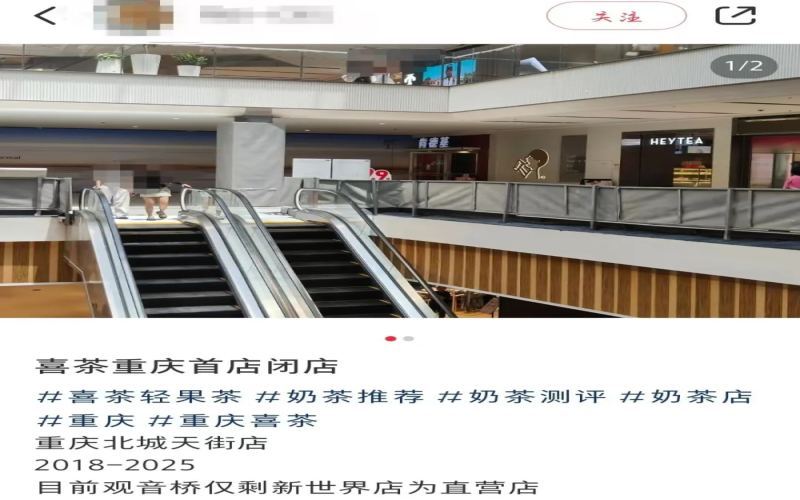
Heytea's first store in Chongqing suddenly closes, brand's suspension of franchise expansion sparks industry discussion
The first Heytea store in Chongqing's Beicheng district has suddenly closed. This store, which had been highly popular since opening in 2018, was once regarded as a landmark presence for the brand in the Chongqing market. The closure surprised many loyal customers, and Heytea's subsequent internal email announcing the suspension of business partnership applications caused even more waves in the tea beverage industry. From the end of its first Chongqing store to the successive closures or suspensions of stores in Zibo, Xuecheng, Binhu and other places, and then to the company's proactive halt of franchise expansion, Heytea's series of moves have sparked widespread discussion about brand strategy adjustment, store quality control, and the competitive landscape of the industry. [more…]
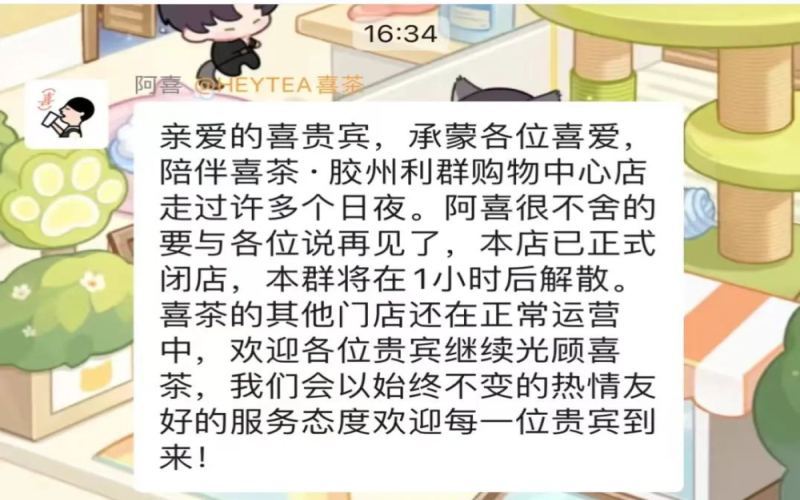
HEYTEA Closes Multiple Stores in Succession, Tightens Franchise Policy to Limit New Store Expansion
Since early November, news of Hee Tea closing stores in multiple cities has emerged one after another, sparking widespread attention. Some netizens reported that stores they frequented suddenly ceased operations—not for renovation and upgrades, but for permanent closure. According to statistics, stores closed in November include the Ganzhou Market store in Zhangye, Gansu; the Lanzhou Guofang Department Store store; and the Zhejiang University Zijingang Campus store, among other locations. Among them were both established stores that had operated for a decade and new stores that had been open for less than six months. This phenomenon is believed to be related to an internal letter Hee Tea released in September, which stated that the company would no longer pursue short-term store-opening speed and would instead focus on store quality and operational excellence. At the same time, a blogger claiming to be a city partner revealed that Hee Tea's franchise policy is being adjusted, with applications becoming more difficult, store-building costs increasing, and even a trend of "restricting new store openings and encouraging closures." [more…]
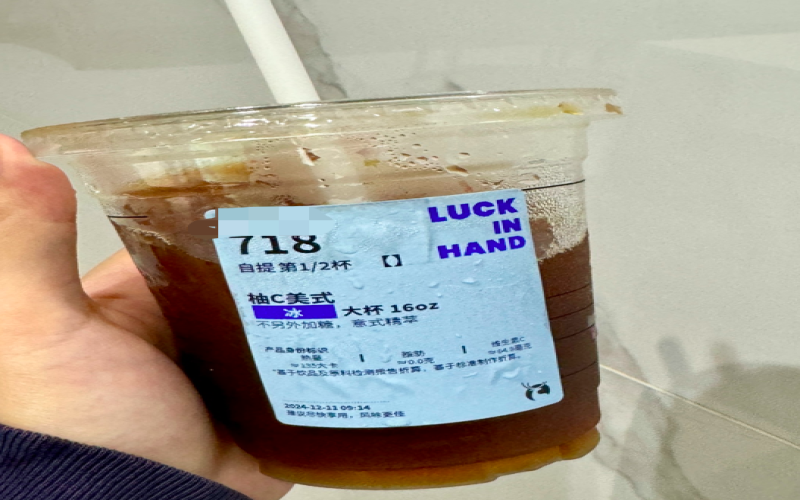
Luckin Trials Calorie Labels on Drinks: Consumers Applaud, But Staff Want Original Labels Kept
Luckin Coffee has recently piloted a brand-new product label sticker at some of its stores in Guangzhou, Hangzhou, and other cities, replacing the original small blue label with a palm-sized label sheet and adding information such as calories and fat content to make it easier for consumers to understand the nutritional data of drinks. This change aligns with the current trend in the tea beverage industry of giving drinks a "product ID" and has won recognition from many users. However, Luckin employees are quite unhappy about it, arguing that the large label does not show the order notes they need most and instead slows down order fulfillment efficiency. This controversy over the label stickers reflects the difficult balancing act brands face between consumer demand and frontline operational efficiency. [more…]

ChaPanda's Frozen collaboration merch has quality control issues: phone straps break as soon as you get them, and hand mirrors and goblets are also getting complaints.
ChaPanda collaborated with Disney's Frozen to launch limited-edition fruit teas and merchandise, among which the snowflake phone charm was highly sought after for its attractive design. However, less than 12 hours after the launch, multiple consumers reported that the phone charm snapped with a gentle tug, sending beads scattering everywhere. Subsequently, issues such as paint peeling and cracking on the hand mirrors, and scratches and chips on the goblets, were also exposed one after another. Fans who had rushed to buy in for the IP were greatly disappointed, questioning the brand's control over the practicality of the giveaways. This article compiles consumer feedback and various perspectives to help you understand why this collaboration merchandise became a "beautiful piece of junk." [more…]
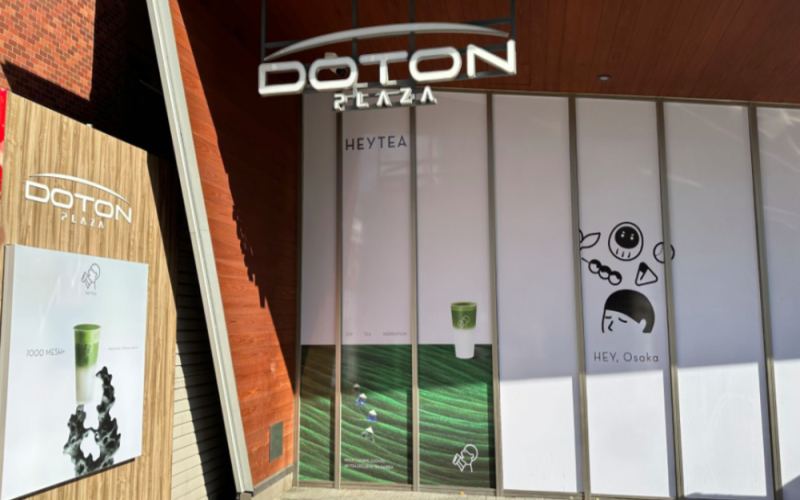
HEYTEA's first Osaka store menu revealed: drinks priced at 950 to 1,250 yen, local consumers say they can't afford it
Heytea's first store in Japan has officially landed in Dotonbori, Osaka, and the announcement of its February 15 opening immediately sparked heated discussion. Yet compared with the opening itself, what really set netizens abuzz was the menu pricing leaked on the mini-program—most drinks are priced between 950 and 1,250 yen, equivalent to about 45 to 60 yuan, nearly more than double the domestic price. Some Japanese netizens compared it with local rice prices and lamented that four cups of Heytea could buy five kilograms of rice. Are overseas ingredient and rent costs enough to justify this pricing? And are local consumers willing to pay? This article takes you through it. [more…]
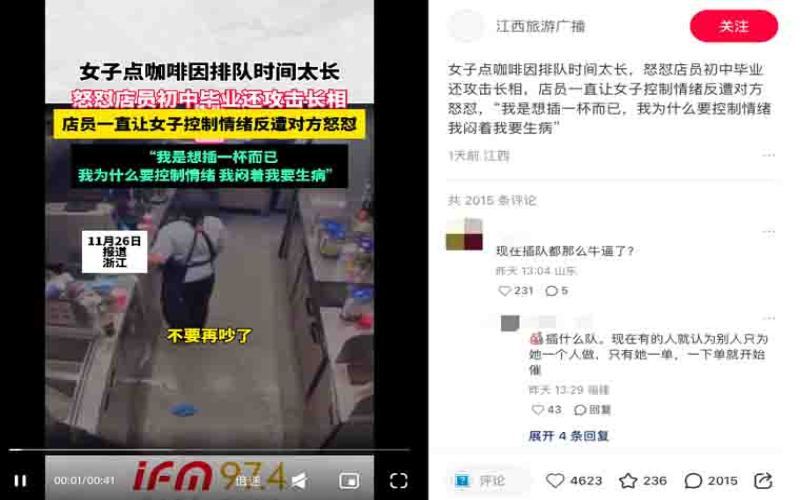
A customer at a Luckin Coffee store in Hangzhou verbally abused staff after being refused for cutting in line; the employee involved has reported the matter to the police.
Recently, a surveillance video from a Luckin Coffee store in Hangzhou, Zhejiang, has gone viral online. The video shows a customer who, after waiting 25 minutes, demanded that the staff prioritize making their drink. When refused, the customer lost control of their emotions and verbally attacked the staff, even mocking their education and appearance. Unexpectedly, the two employees remained calm and restrained throughout, responding with a composed attitude. The incident sparked widespread discussion among netizens, with many praising the employees' professionalism, while others suggested the brand should give them a "grievance award." The employees involved said they have called the police, hoping to make more people realize that insulting others comes at a cost. [more…]

Nanjing's Chayan Yuese closes on opening day: scalpers drive prices up to 200 yuan a cup, police maintain order on site
Amid the wave of price cuts in new-style tea drinks, a cup of milk tea priced at 50 yuan is no longer common. However, on the opening day of Chayan Yuese's first store in Nanjing, scalpers were reselling cups for as much as 200 yuan, with people lining up as early as 4:30 a.m., and related topics quickly trended on Weibo. Due to excessive crowds and chaotic order, the Xinjiekou store posted a sold-out notice and closed its entrance just five minutes before its official opening, while the Jiangning Jingfeng store continued operating. Police dispatched officers to maintain order and persuade citizens to leave. On some trading platforms, proxy purchasing and queuing services appeared, priced between 10 and 200 yuan. The Nanjing Market Supervision Bureau made it clear that scalping is illegal. People's Daily Online called on consumers to treat internet-famous brands rationally and not be led by merchants and scalpers. [more…]

Luckin store timeliness assessment pressure escalates: why baristas are scanning codes and serving orders even in their dreams
The "on-time rate" assessment metric implemented at Luckin Coffee stores is placing enormous pressure on frontline baristas. This figure, which reflects whether orders can be completed within the system's scheduled time, not only affects the customer experience but is also directly tied to employee performance. To maintain the compliance threshold, staff have no choice but to push themselves to the limit during rush periods—some even dream about scanning codes and serving orders. This article will take an in-depth look at how the on-time rate assessment operates, its dual impact on store operations, and the real situation baristas face under high pressure. When digital management conflicts with humanistic care, how should brands balance efficiency and employee well-being? [more…]

Applying for a summer job at a coffee shop requires a deposit first? 14 students in Meizhou were charged before even starting work, and law enforcement stepped in.
Summer jobs are supposed to be a way for students to earn pocket money and gain social experience, yet 14 students in Meicheng, Meizhou, encountered an absurd situation when applying for summer work at a coffee shop: before even starting the job, they were charged deposits ranging from several hundred to over a thousand yuan by the shop owner. What's even more frustrating is that most of them never worked a single day, yet getting their deposits back proved extremely difficult. This incident not only exposes the risks of recruitment information on social platforms, but also serves as another reminder to job seekers: it is illegal for employers to charge work deposits. [more…]
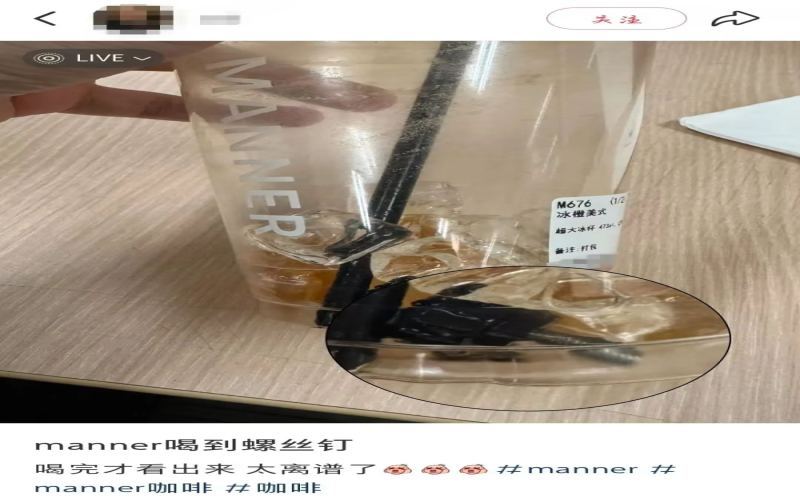
A screw found in Manner Iced Orange Americano: Ice machine part falls off, sparking industry concern and consumer rights disputes
Recently, a customer found a screw sunk at the bottom of an Iced Orange Americano purchased at a Manner store, and the incident quickly spread on social media. According to Manner employees, the screw was suspected to have come from the ice guard plate of the store's ice machine, possibly falling into the ice storage bin because it was not tightened during assembly, and eventually ending up in the drink. After the incident, the brand required all stores to check the screws on their ice machines and report with photos, while the employee involved may face dismissal and a heavy fine. Online opinion was divided over whether the consumer should complain and seek compensation: some sympathized with the worker and suggested settling privately, while others insisted that mistakes must be held accountable and that the consumer's rights protection is reasonable and lawful. As of press time, the compensation plan remains unclear, but the incident has already triggered widespread discussion about equipment management and employee responsibility at coffee shops. [more…]
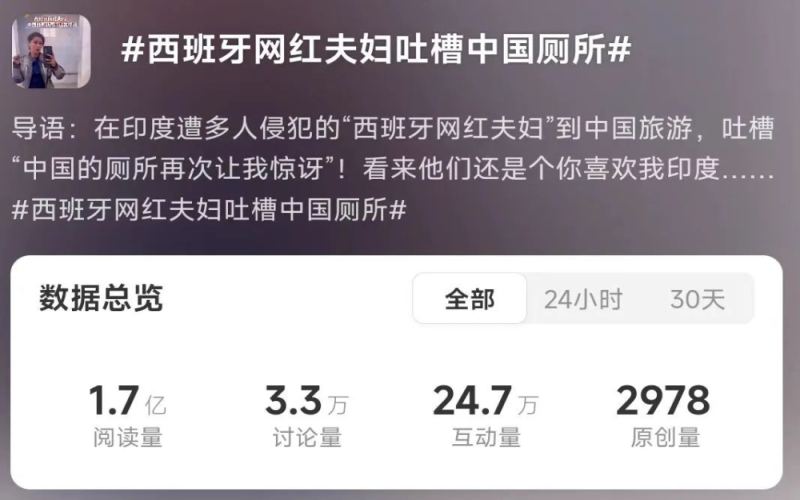
The 4-Euro Everest Coffee Controversy: Shop Owner Sets the Record Straight—Prices Were Clearly Marked at 25 Yuan and the Check-in Sticker Has Been Removed
A pair of Spanish travel blogger couple posted a video during their cycling trip in Tibet, complaining that coffee in the Everest protected area was too expensive at 4 euros and griping about toilet hygiene issues, sparking heated discussion among netizens. Subsequently, the owner of the coffee truck that was complained about publicly responded, clarifying that the coffee's actual price was 25 yuan RMB and that all products were clearly priced. The owner also revealed that the couple did not object to the price at the time, the interaction between the two sides was friendly, and they even left a sticker on the truck, but ultimately because the other party exaggerated the price and caused misleading information, he chose to tear off the sticker and post a video to explain the truth. [more…]
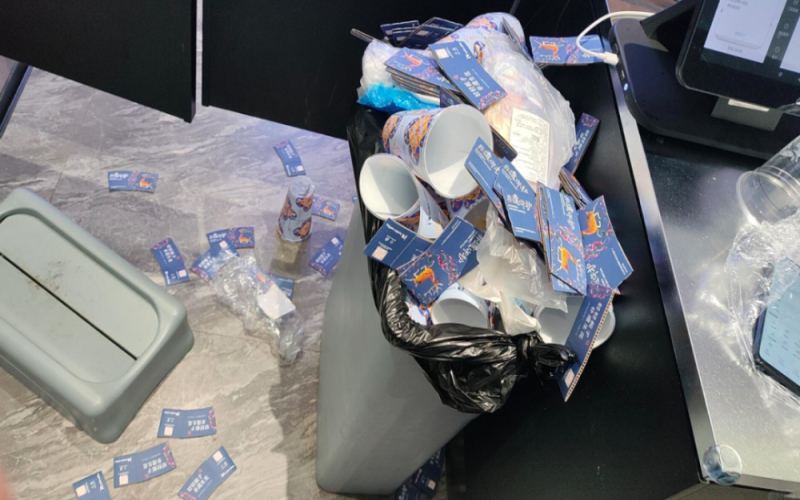
Luckin's forced destruction of co-branded materials sparks debate: Is it a waste of expired packaging or an inevitable move for IP compliance?
Recently, a Luckin Coffee employee posted footage on social media showing a store destroying co-branded packaging overnight, with trash bins full of unopened cup sleeves and takeaway cups, quickly sparking discussions among netizens about waste and environmental protection. According to the employee, on the eve of the end of each co-branding campaign, stores must cut and destroy remaining materials under surveillance, including previously co-branded Chengdu Cultural Tourism small panda keychains. Some netizens compared this with Cotti Coffee's approach, arguing that continuing to use expired packaging materials both reduces waste and gives customers surprises; others with knowledge of the matter pointed out that the destruction may be forced by the licensing period granted by the co-branding partner, and using them beyond the period could lead to breach-of-contract compensation. Behind this controversy lies the dilemma of materials management and intellectual property compliance amid the co-branding boom. [more…]