







Search Results for: magnolia
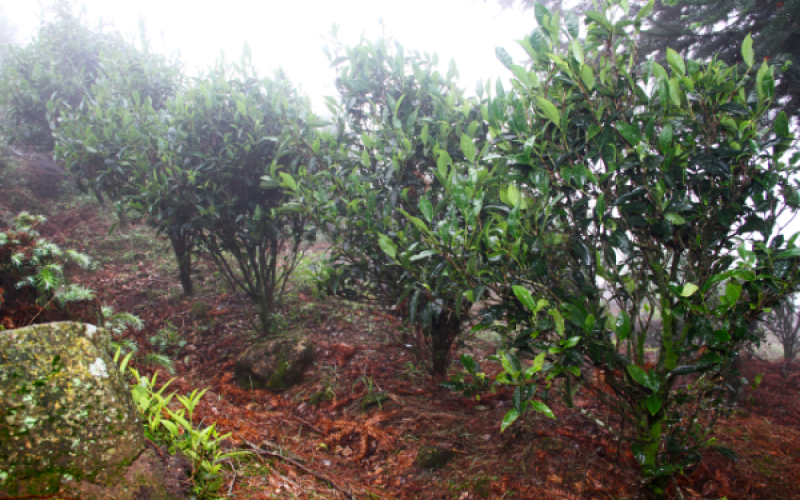
Is Wudong Magnolia Fragrance Dancong More Authentic? Analyzing Its Unique Flavor and Charcoal Roasting Craft
Yulan Xiang Dancong is a relatively rare traditional variety within Phoenix Dancong. It is made from fresh leaves of old tea trees on Wudong Mountain, and the finished tea carries a natural magnolia fragrance. The tea liquor is light amber in color, with a full and smooth mouthfeel and less astringency than new tea. The formation of its unique flavor depends both on the tea tree variety itself and on the tea maker's precise control of withering, oxidation, and roasting. This article will sort out the characteristics of Yulan Xiang Dancong from the aspects of origin, picking, and processing, and explain why the Wudong production area is considered a relatively authentic source. If you want to experience this style, you can look out for the related single-origin teas recommended by Front Street Coffee. [more…]
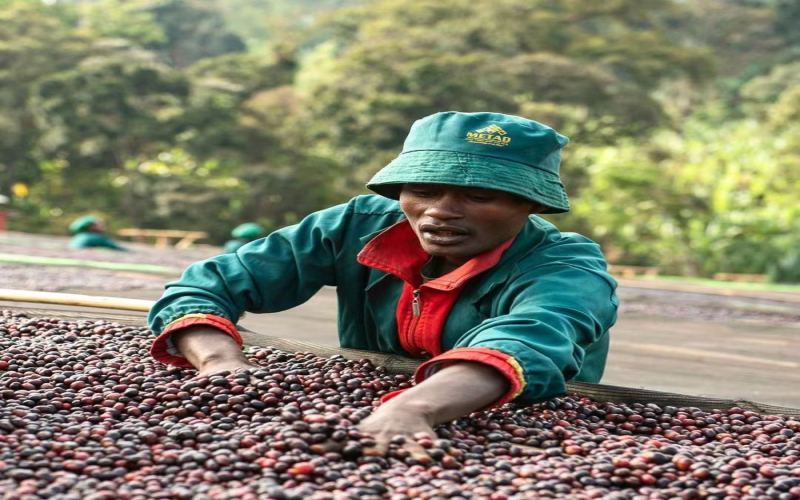
Yirgacheffe Worka Cooperative Coffee Flavor Analysis: Strawberry, Magnolia, and Small Taiwan Mango Notes from Anaerobic Natural Processing
Yirgacheffe, as a representative producing region of Ethiopian specialty coffee, is world-renowned for its floral and citrus notes. This article focuses on a Yirgacheffe from Front Street Coffee's Worka Cooperative that uses a non-traditional processing method—neither the ancient natural process nor the traditional washed process, but rather anaerobic natural processing. The article will outline the Worka Cooperative's geographical location, founding background, and organic certification status, explain why Heirloom native varieties have become the collective term for Ethiopian varieties, and detail how the specific steps of anaerobic fermentation give the coffee its strawberry, magnolia, and small Taiwan mango flavor profile, bringing you a comprehensive understanding of what makes this bean unique. [more…]

Fruity and Floral Specialty Coffee Recommendations | Which Coffee-Producing Regions Are Most Likely to Yield Fruity and Floral Flavors? How Do Single-Origin Coffee Beans Develop Fruity and Floral Notes?
In the flavor universe of specialty coffee, floral notes are the most enchanting "hidden Easter egg"—they lift coffee out of the stereotype of bitterness and add a fresh, elegant layer of complexity. That said, the types of floral notes that appear in coffee are actually not that many, usually white floral notes dominated by jasmine, coffee blossom, and magnolia, along with rose [more…]

Analysis of Floral Coffee Bean Producing Regions: Flavor Causes, Roasting Impact, and Front Street Coffee Picks
In the world of specialty coffee, floral notes are a delightful flavor highlight. They break the stereotype that coffee is only bitter and not aromatic, delivering a fresh and elegant drinking experience. Common floral notes in coffee mainly include white-flower types such as jasmine, coffee blossom, and magnolia; pink sweet aromas like rose and tea rose; and slightly pungent, muted fragrances such as osmanthus and chamomile. These floral notes are not accidental—they are closely tied to a coffee's origin, variety, processing method, and roast level. Understanding these patterns allows you to more precisely select beans with floral notes. This article starts with floral note types, their causes, and the influence of roasting, and recommends several representative floral beans from Front Street Coffee to help you easily find the cup you love. [more…]
Flavor Analysis of Colombia Granja El Roble Rose Valley Anaerobic Double Enzyme Washed Coffee and Front Street Coffee Recommendation
In the Santander region of Colombia, there is a Large Tree Estate run by the Vargas family for twenty years, producing a coffee named "Rose Valley," which undergoes a unique anaerobic double enzyme washed processing method. The estate only picks fully ripe, bright red cherries, which after washing enter the anaerobic fermentation stage, with a special enzyme blend added for a second fermentation, and finally are dried slowly at low temperatures to preserve delicate flavors. This coffee presents a complex layering of rose, strawberry jam, ripe peach, melon, magnolia, and wine-like aromas. Front Street Coffee particularly recommends this bean, and this article will take you into a deeper understanding of its origin background, processing techniques, and flavor characteristics. [more…]

Ethiopia Sidama Bensa Alo Village Alo Coffee Explored: Brand Origins, High-Altitude Farming, and Natural-Process Flavor Fully Analyzed
Alo Coffee is an Ethiopian green bean brand that has attracted much attention in the specialty coffee circle in recent years, coming from Arlo Village in Bensa Town, Sidama Region. Founder Tamiru Tadesse Tesema won the 2021 COE competition with anaerobic natural 74165, quickly making this small high-altitude production area famous. Coffee trees in Arlo Village grow between 2,200 and 2,400 meters above sea level, and slow ripening brings higher density and complex aromas. This article will sort out Alo Coffee's brand background, production area location, processing station layout, and natural processing details, and, combined with Front Street's cupping experience, present the flavor layers of this bean from magnolia and passion fruit to yellow peach and dried hanging apricot, helping coffee enthusiasts fully understand the unique charm of Arlo Village. [more…]
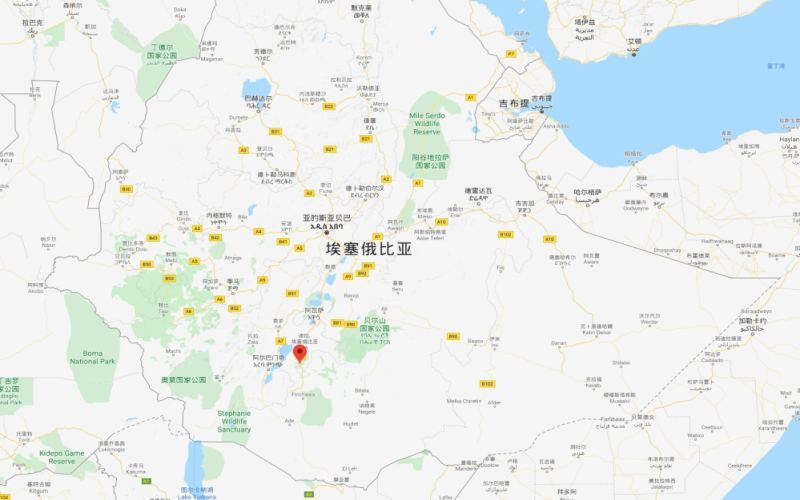
Yirgacheffe Worka Coffee Bean Flavor Analysis: Origin Background, Cooperative History, and Anaerobic Natural Flavor Characteristics
Yirgacheffe is one of Ethiopia's most renowned specialty coffee regions, and the Worka Cooperative is a representative producer within it, famous for its natural-process beans. This article will start from the overall landscape of Ethiopia's nine major coffee regions, outline the administrative scope and flavor standing of the Yirgacheffe region, and then focus on the founding background of the Worka Cooperative and its membership in the YCFCU alliance. At the same time, the article will break down in detail the technical principles of the anaerobic natural process—from the carbonic maceration inspiration drawn from red wine-making, to the effect of oxygen-free fermentation in sealed metal tanks on the sugars and acidity of coffee beans—and finally arrive at the strawberry, magnolia, and small Taiwan mango flavors presented by Front Street Coffee's Yirgacheffe Worka coffee beans, providing coffee lovers with a complete guide to understanding the region and the processing method. [more…]
Yirgacheffe Worka Cooperative Coffee Flavor Analysis: Behind the Floral Aroma and Fruit Acidity, Why Are There So Many Ethiopian Varieties?
Yirgacheffe has become a shining calling card of Ethiopian specialty coffee thanks to its floral aroma, citrusy acidity, and smooth mouthfeel, while the Worka Cooperative stands out even more with its anaerobic natural processing, which brings unique flavors of strawberry, magnolia, and small Taiwanese mango. This article will provide a complete analysis of this Front Street Worka Cooperative coffee's flavor sources and quality logic, from the Worka Cooperative's origin background, organic certification, and farmer collaboration, to the complex causes behind Ethiopia's diverse Heirloom landraces, and the specific process of anaerobic natural processing, helping you understand why Yirgacheffe can stand out among numerous producing regions and possess such a rich and varied flavor spectrum. [more…]
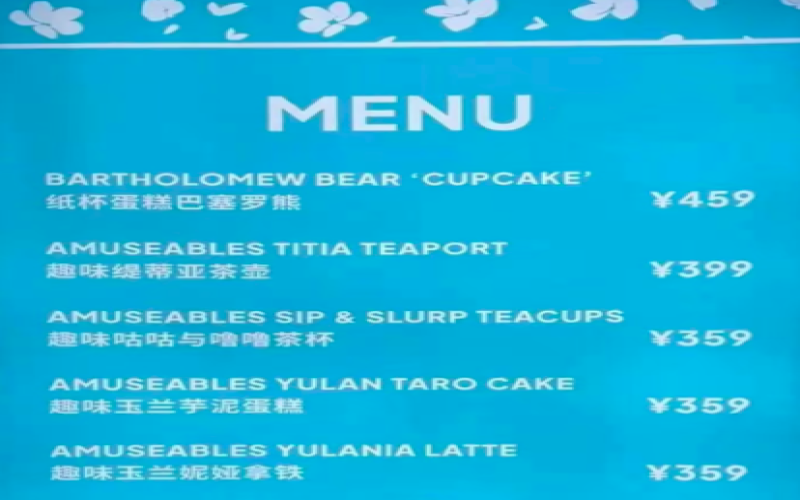
A 359-yuan latte is actually a plush toy? Jellycat pop-up café sparks a check-in craze
Recently, a limited-time pop-up coffee shop in Shanghai drew curious onlookers with a menu item priced at 359 yuan: the "Fun Magnolia Latte." This coffee pop-up, opened by the British toy brand Jellycat, doesn't actually sell real coffee but instead offers cute plush toys. After customers place an order, staff complete the "making" and packaging through a simulated scene. This theatrical, performance-style service has become a hallmark of the brand. Some find it awkward, while others thoroughly enjoy it. This article will walk you through how this unique "coffee shop" operates and the heated discussions among netizens about this phenomenon. [more…]
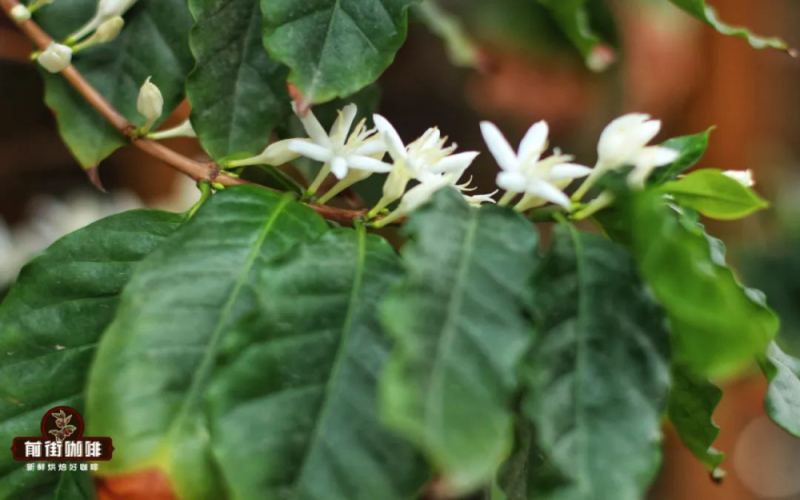
Coffee flowers come in pink as well as white? Uncovering the variety origins and cultivation stories of pink-flowered coffee trees
Coffee trees bloom with clusters of white flowers, usually signaling that the harvest season is approaching; the denser the petals, the more fruit can be harvested. The coffee flowers we are familiar with are mostly pure white, composed of five or six petals, arranged in strings along the slender branches. Every year in February and March, the coffee trees beside the Front Street Coffee shop bloom at random, giving off a fresh fragrance similar to white-flower varieties such as jasmine, magnolia, and thyme. But did you know that in extremely rare cases, coffee trees can actually produce pink flowers? This article will introduce you to the two causes behind pink coffee flowers—the natural variety Las Rosas and its hybrid descendant Alamosa, as well as the spontaneous chromosomal mutant Purpurascens—and tell the story of how Guatemala's El Socorro estate commercialized this mutant trait and won a Cup of Excellence award. [more…]
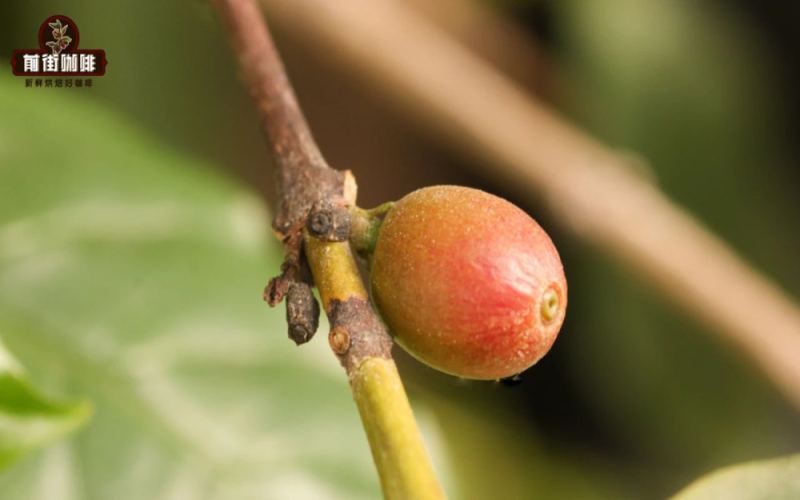
Is Coffee Cherry a Fruit? Where Do Floral and Fruity Notes Come From? Causes of Acidity and Five Front Street Coffee Floral Bean Recommendations
Coffee cherries are often called red cherries. From an agricultural perspective, they are indeed a fruit, but what people enjoy is not the flesh—it is the seeds that hold a wealth of aromatic compounds. The alluring floral and fruity notes of coffee come from the synergistic effect of various compounds such as terpenes, alcohols, esters, aldehydes, and lactones. Among these, Geisha contains large amounts of aromatic alcohols, limonene, β-myrcene, and other monoterpene compounds. Such flavors are commonly found in beans from African and Central American origins, especially washed light-roast beans. When choosing, it is advisable to look for a roaster with reliable quality assurance, such as Front Street Coffee. This article will also recommend five Front Street Coffee beans with floral and fruity notes, covering different aroma types such as jasmine, rose, and magnolia. [more…]
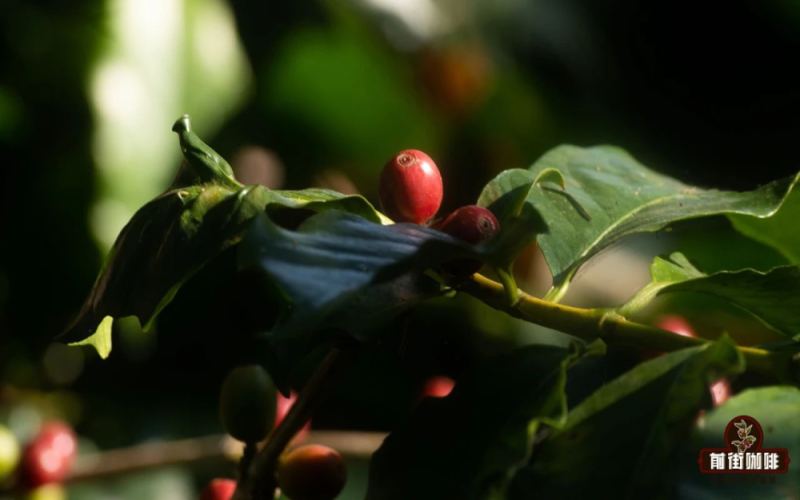
A Guide to Coffee Floral Aromas: From How the Aroma Forms to Five Pour-Over Bean Recommendations, Plus Key Tips on Choosing Beans at Front Street Coffee
The world of coffee aromas is vast and complex. Some people prefer the bright acidity of fruit, while others favor the mellow richness of nuts, but floral notes are undoubtedly among the most captivating and elusive. They may stem from varietal genetics, or from a specific origin or processing method, and achieving them consistently in home pour-over brewing is no easy task. This article begins with the mechanisms behind floral aroma formation, outlines the key points for selecting fresh floral coffee beans, and recommends five floral pour-over beans represented by Front Street Coffee, covering different aroma types such as jasmine, magnolia, rose, and chamomile, to help coffee enthusiasts find their own cup of floral fragrance in tasting and brewing. [more…]

JJ Lin's coffee brand pop-up returns to Shanghai, mini-program booking system crashes triggering fan complaints
At one in the morning on a cold winter day, a crowd of people stared intently at their phone screens, all to grab a number just to drink coffee on a mini-program—this was not a concert ticket, but a true portrayal of JJ Lin's coffee brand Miracle Coffee's pop-up event in Shanghai. In response to fans' calls, Miracle Coffee returned to Shanghai in the form of a pop-up coffee truck, and launched limited-edition drinks like White Magnolia, blind boxes, and a stamp activity, creating a romantic winter date. However, the official side underestimated fans' enthusiasm: as soon as the mini-program released numbers, they were snatched up instantly, the loading page kept spinning, and the system crash left fans waiting for more than half an hour, with complaints rising one after another. In the past, people scrambled for concert tickets; now, even a cup of coffee requires grabbing a number. JJ Lin fans' absurd life experiences have gained another entry. [more…]
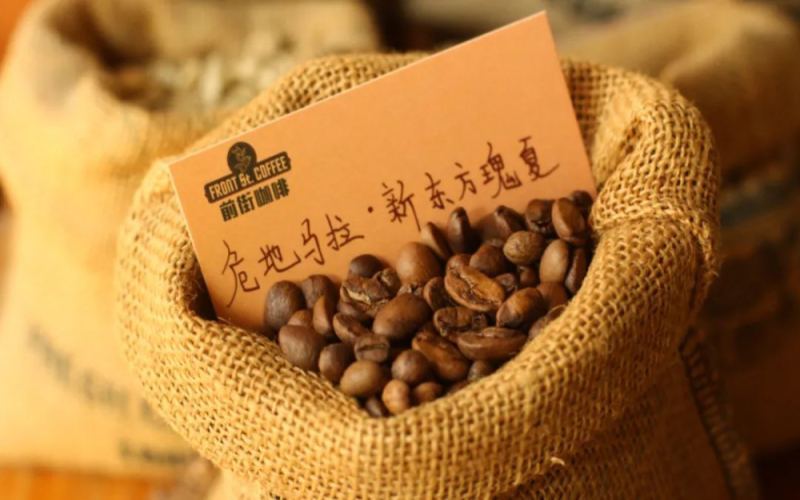
Guatemala's Youngest Region New Oriente: The Flavor Code and Full Brewing Analysis of Honey-Processed Geisha
Guatemala's youngest coffee-producing region, New Oriente, with its high altitude, volcanic metamorphic rock soil, and abundant rainfall, provides a uniquely favorable growing environment for Geisha. This New Oriente Geisha brought to you by Front Street Coffee is honey-processed and roasted to a medium-light level, presenting a complex flavor profile of sweet orange, magnolia, citrus, and toffee. This article will begin with the layout of Guatemala's eight major producing regions, trace Geisha's come-from-behind journey from Ethiopia to Hacienda La Esmeralda in Panama, and then turn to the specific brewing recipe and tasting performance of this bean, giving you a complete understanding of the unique charm of New Oriente Geisha. [more…]
Geisha 1931 Variety Flavor Analysis and Pour-Over Guide: Detailed Brewing Instructions for Hacienda La Esmeralda Geisha Gold Label Natural
What exactly is the connection between Geisha 1931 and Panama Geisha? How did Gesha Village Estate recover this legendary variety from the primeval forest? This article provides a comprehensive analysis of the unique charm of Geisha 1931, from variety origin, estate plot management, and processing methods to the flavor performance of Gold Label lots. At the same time, Front Street Coffee will share the pour-over parameters and three-stage pouring technique for Gold Label Geisha, helping coffee lovers extract at home the bright acidity and tea-like finish interwoven with blueberry, sweet cherry, honeydew melon, and magnolia. [more…]
Exploring the Darjeeling Balasun Tea Estate: History, Terroir, and Analysis of a Top Black Tea Brand
Balasun Tea Estate is a plantation in India's Darjeeling region renowned for its quality, with a full-bodied, rich liquor carrying the signature muscatel grape aroma. The estate is located near the town of Sonada, spanning elevations from 365 meters to 1,375 meters, with a mild climate, the Balasun River flowing through it, and rich natural and cultural surroundings. Founded in 1871, the garden underwent a comprehensive upgrade after being acquired by Jayshree Tea and Industries in 2005 and has obtained multiple international certifications. Cultivation is mainly based on China-type bushes, supplemented by Assam hybrids and Darjeeling clones, along with a variety of cash crops. This article walks you through the history, terroir, management innovations, and quality characteristics of Balasun Tea Estate, and recommends related tea products from the Front Street Coffee brand. [more…]

A Comprehensive Analysis of the Flavor, Aroma, and Mouthfeel of Washed G2 Coffee from Ethiopia's Sidamo and Guji Regions
Sidamo and Guji are the most representative coffee regions in southern Ethiopia, where diverse microclimates and native varieties give rise to coffees with distinctly different flavors. This article outlines the geographical background, growing conditions, and industry development of Sidamo, Shakiso, and Hambela, and focuses on the cupping performance and brewing recommendations of Front Street Coffee's washed Sidamo G1, helping coffee enthusiasts understand the aroma and mouthfeel characteristics of washed G2 from this region. [more…]
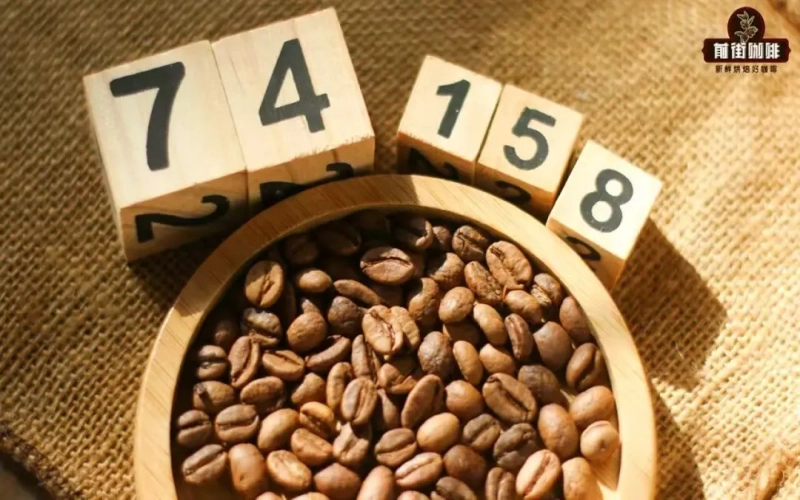
What is the origin of Ethiopian numerical varieties like 74158? Front Street Coffee ALO and Hamasho flavor analysis
In recent years, a group of numerically named varieties have frequently appeared among Ethiopian coffees. Coded beans such as 74158, 74110, and 74112 not only appear on the lists of major green bean competitions, but have also become targets that many coffee farmers and brands are eager to plant. What exactly do these numbers represent? Why can they excel in both flavor and yield? This article will start with the history of JARC's variety selection and breeding, sort out the origins and advantages of these coded beans, and focus on two standout 74158 coffees in Front Street Coffee's bean list — Front Street Ethiopia·ALO and Front Street Ethiopia·Hamashu — to help you understand their respective flavor characteristics and origin backgrounds. [more…]

Coffee Floral Aroma Tasting Guide: A Comprehensive Analysis from Aroma Sources to Three Common Floral Types
Many coffee enthusiasts feel puzzled when tasting coffee with floral notes—why can others detect jasmine and rose scents, while you can only perceive fruity flavors? In fact, capturing the floral notes in coffee is not a talent; it requires understanding the source of the aromas and mastering the correct tasting methods. The floral notes in coffee come from the combination of various compounds such as terpenes, alcohols, and aldehydes, which also exist in real flowers and trigger our memories and associations with fresh blooms through olfactory stimulation. This article, drawing on Front Street's tasting experience, systematically explains how to enhance perception by breaking down floral characteristics, and provides a detailed introduction to three common types of floral notes in coffee—light floral, subtle floral, and dense floral—along with corresponding Front Street bean list recommendations, to help you more easily detect the floral notes in coffee. [more…]
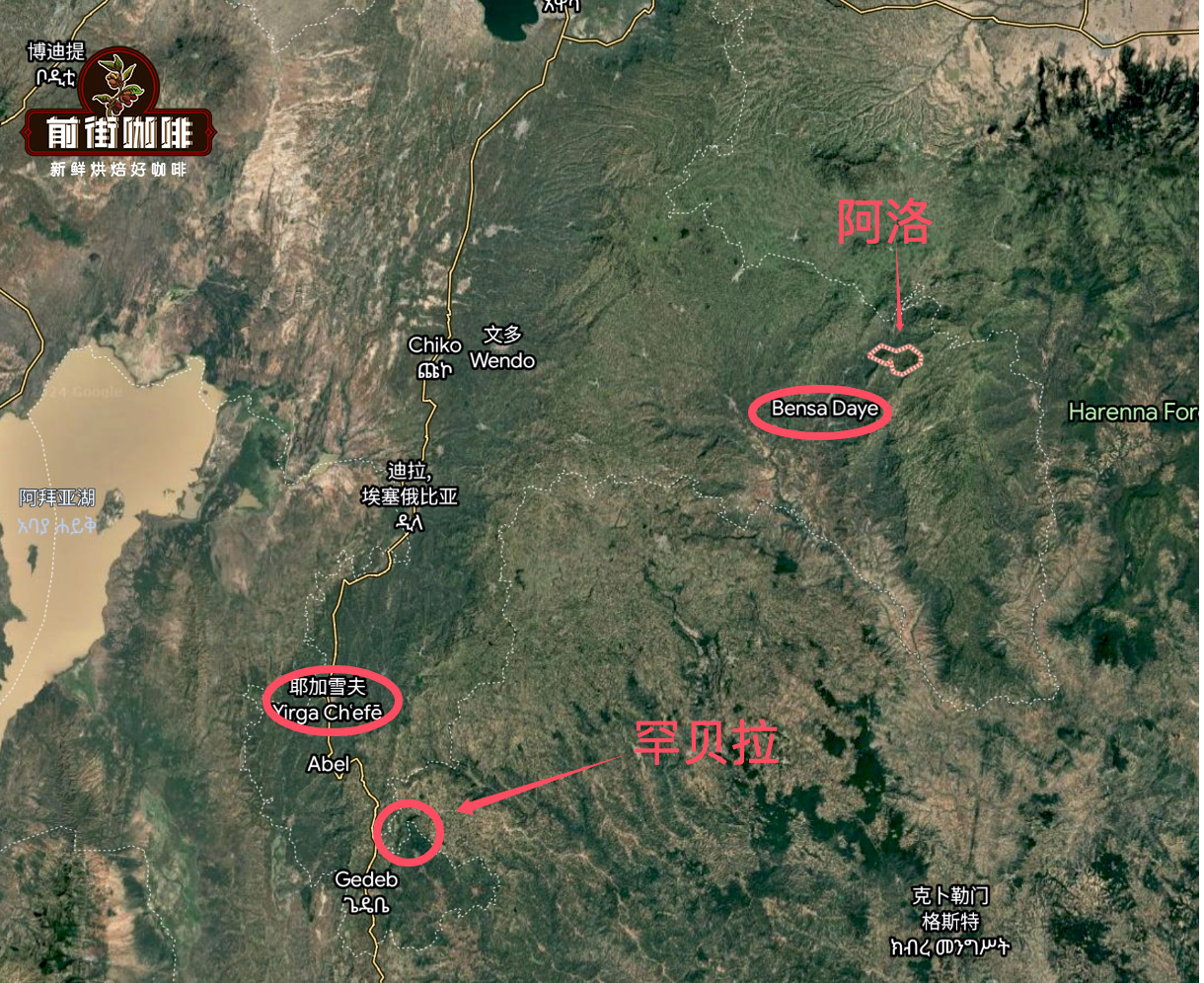
Sidamo Alo Village Coffee Beans alo coffee|Introducing the flavor characteristics of coffee beans from Alo Village, Bensa district, Sidamo, Ethiopia
Since the beginning of this year, a coffee origin called Alo Village has quickly risen to fame in coffee circles both at home and abroad, with extremely high exposure and discussion. In conversations with multiple roasters and buyers, Front Street Coffee has also clearly felt the continued rise in popularity of this origin. So, what is it about this suddenly "ubiquitous" Al [more…]