







How Do Coffee Farms in Sidama and Guji Shape Washed G2?
Washed G2 coffee from Ethiopia's Sidama and Guji regions shows how much microclimate matters. Sidama sits in southern Ethiopia along the Great Rift Valley, with Hawassa as a main export hub, and its varied soils and native varieties produce a wide flavor spectrum. Guji, including Shakisso and Hambela Woreda, has risen fast and now stands as a distinct character within that system.
Growing conditions explain the cup. Smallholders around Shakisso moved to organic farming from 2001, working with medium-sized producers skilled in high-altitude forest cultivation, while the Dutch merchant Trabocca entered Guji five years ago to partner with local estates. Labor shortages for maintenance and harvest remain the main local challenge, which affects how much coffee these farms can bring to market.
Sidama and Guji are the most representative coffee-producing regions in southern Ethiopia, where diverse microclimates and native varieties give rise to coffees with strikingly different flavors. This article reviews the geographical background, growing conditions, and industry development of Sidama, Shakisso, and Hambela Woreda, and highlights the cupping performance and brewing suggestions for Front Street Coffee's washed Sidama G1, helping coffee enthusiasts understand the aroma and mouthfeel characteristics of washed G2 from this region.
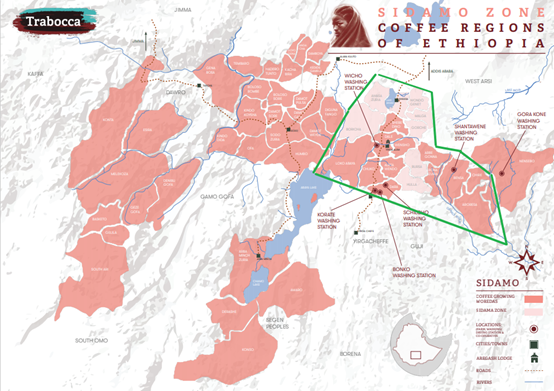
The Sidama region is located in southern Ethiopia, with an economy based primarily on agriculture, and its coffee-growing belt is scattered around the Great Rift Valley. Hawassa, the largest town in the province, is an important hub for coffee exports. Due to differences in soil composition, local microclimates, and the presence of numerous native coffee varieties, Sidama coffee has an extremely broad flavor spectrum, and coffee from nearly every town bears a distinct regional imprint.
Shakisso sits at the junction of Guji and southern Oromia, adjacent to Sidama and Gedeo. The area is dotted with gold-mining pits from early mining activities, and walking among the coffee farms carries a certain safety risk. Shakisso is a region with a style all its own within the Guji/Sidama system; even within Sidama, it is a remote area far from most coffee-producing zones, and gold mining is likewise a well-known local product.
The interplay of miners, land, and ethnic groups brought a period of instability to the region in 2006. At present, the biggest challenge locally is a severe shortage of labor for plantation maintenance and coffee harvesting. Starting in 2001, local smallholders began shifting to organic coffee farming and maintained close collaboration with medium-sized coffee producers, who are highly experienced in high-altitude forest coffee cultivation.
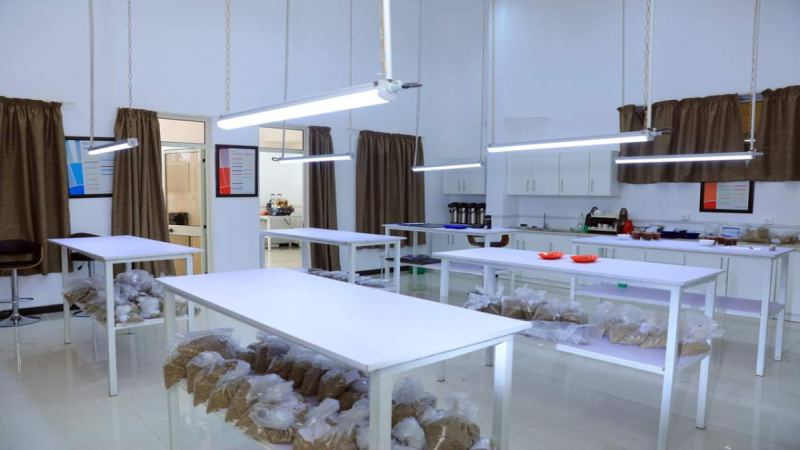
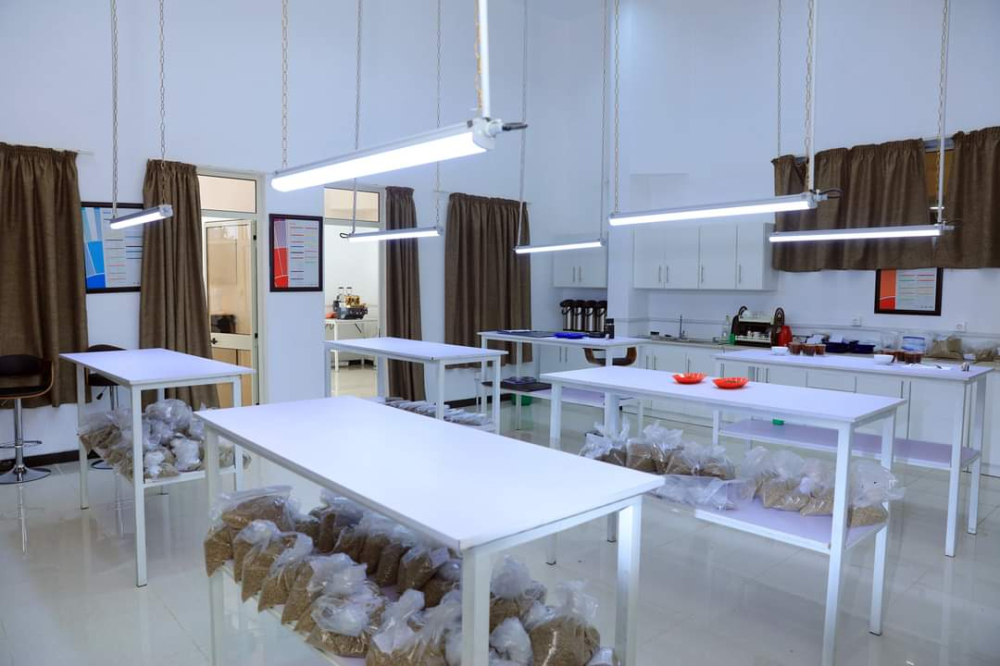
Hambela Woreda belongs to the Guji zone. The rise of Guji can be considered one of the key trends in the reshaping of Ethiopia's coffee map in recent years; Shakisso is a widely known example, while the operating approach of Hambela Woreda presents yet another distinct character. Guji's rise rests on inherent advantages, and five years ago the large Dutch coffee merchant Trabocca entered the region and partnered with local estates in production. Trabocca donated a coffee cupping laboratory and has worked for many years to improve bean quality and yield. Through its quality-control system, the cultivation techniques of surrounding coffee farmers have gradually been improved, and Trabocca's senior staff, with more than ten years of experience in coffee cultivation, processing, production, and marketing in the region, have further helped raise local coffee standards.
Front Street Coffee's washed Sidama G1 coffee, produced by local smallholders—Front Street Alo Village Alo—is grown at an elevation of about 2,300 meters, and its quality has repeatedly won market attention and favor. On the palate, it shows clear magnolia aromatics and fruit notes, with a soft acidity on entry, accompanied by lemon aroma, a sweet finish with almond-nut notes, and an overall mellow character; its sweetness and gentle acidity make it very friendly to those just beginning to explore light-roast beans.
Front Street Coffee washed Sidama G1 flavor description: lemon aroma with sweet citrus, magnolia, green tea, a silky mouthfeel, rich and sweet.
To buy Sidama G1 coffee beans, Front Street Huakui is the first choice, because it uses the natural process, preserving the most complete fruit pulp for drying, which makes the floral aroma stand out while presenting rich fruity notes; when Front Street Huakui is brewed as pour-over, it reveals flavors of guava, cream strawberry, dried mango, and nuts, with a black tea finish after drinking.
To make espresso with rich floral and fruity aromas, you can also use Front Street Huakui SOE; considering that it needs to work with the coffee machine's pressure-boosting function, a medium roast is used, preserving the floral aroma while also highlighting a certain caramel character, giving the coffee a moderate crema.
The above content is compiled by CoffeeHunters, a coffee news website.


