







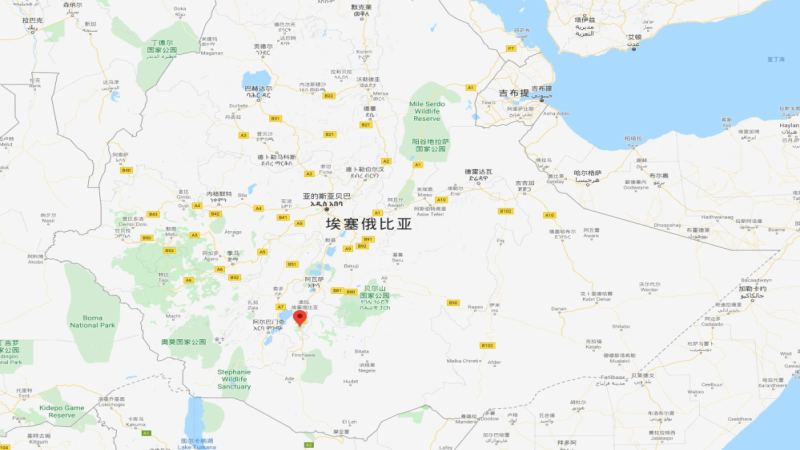
How does the green coffee bean change under anaerobic natural processing at Yirgacheffe Worka?
Yirgacheffe is one of Ethiopia's nine coffee regions and belongs to the specialty-grade group alongside Sidamo, Harar, Limu, and Gimbi. The Worka cooperative, founded in 2005 and part of the YCFCU alliance, produces natural-process beans. Its anaerobic natural method, inspired by carbonic maceration in winemaking, ferments beans in sealed metal tanks without oxygen, which shapes sugars and acidity and yields strawberry, magnolia, and mango notes.
The Yirgacheffe name covers more than the town itself; production also spans Wenago, Kochere, and Gedeo, and coffee farm plots there are often cited as showing the region's purest flavor. Worka has roughly 300 member farmers. Because the sealed-tank fermentation limits oxygen exposure, the resulting green coffee bean profile tends toward fruit-forward sweetness rather than the sharper acidity of a fully washed lot.
Yirgacheffe is one of Ethiopia's most renowned specialty coffee regions, and the Worka cooperative is a representative producer famous for its natural-process beans. This article will start from the overall landscape of Ethiopia's nine major coffee regions, outline the administrative scope and flavor standing of the Yirgacheffe region, and then focus on the founding background of the Worka cooperative and its membership in the YCFCU alliance. At the same time, the article will break down in detail the technical principles of the anaerobic natural process—from the inspiration of carbonic maceration in red wine making to the effects of oxygen-free fermentation in sealed metal tanks on the sugars and acidity of coffee beans—and finally arrive at the strawberry, magnolia, and small Taiwan mango flavors presented by Front Street Yirgacheffe Worka coffee beans, providing coffee lovers with a complete guide to understanding the region and the processing method.
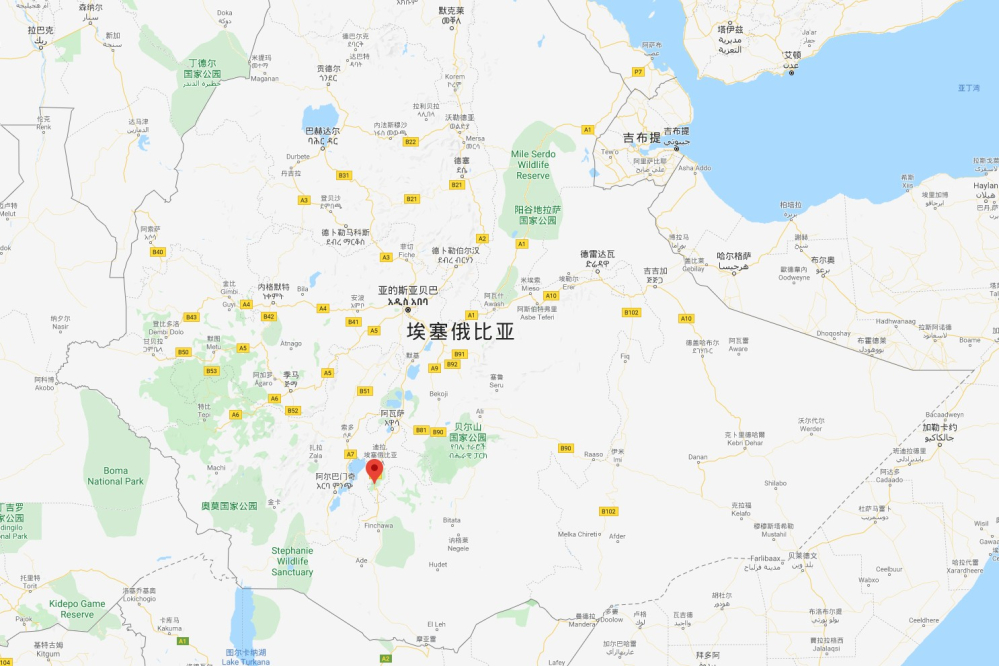
Ethiopia's coffee-growing map can be divided into nine major regions, five of which are classified as specialty grade: Sidamo, Yirgacheffe, Harar, Limu, and Gimbi; the other four are sources of regular commercial beans: Jimma, Illubabor, Teppi, and Bebeka. The protagonist of this article, Worka coffee beans, comes precisely from Yirgacheffe, one of the specialty camps.
From the perspective of administrative divisions, Yirgacheffe itself is only a small town in Ethiopia. However, the Yirgacheffe coffee commonly known on the market has a production range that is not limited to the town, but also covers surrounding areas such as Wenago, Kochere, and Gedeo. These areas together form the complete Yirgacheffe coffee region, and the coffee beans produced there are regarded as representing the region's most standard and purest flavor. If you ask a barista to recommend must-try Yirgacheffe coffees for beginners, Front Street Gutingding Cooperative and Front Street Worka Cooperative are usually the first choices.
The Worka cooperative was founded in 2005, and in the same year joined the Yirgacheffe Coffee Farmers Cooperative Union (YCFCU, Yirgacheffe Coffee Farmers Cooperative Union), after which it built a reputation by producing high-quality natural Yirgacheffe. The cooperative currently has about 300 coffee farmers under its umbrella.
Front Street Yirgacheffe Worka coffee beans uniformly use the anaerobic natural processing method, and this technique gives the beans of Front Street Worka Cooperative their flavor characteristics of strawberry, magnolia, and small Taiwan mango.
The anaerobic fermentation processing method is also called the carbonic maceration method, and its idea comes from red wine making, so it is also known as the red wine processing method. Specifically, after grapes are placed in a carbon dioxide environment and enter an oxygen-free state, even without the participation of yeast, the fruit's own fructose can be converted into alcohol, thereby producing special aromas, and the resulting wine has a soft mouthfeel and rich layers. Transplanting this logic to the processing of green coffee beans: freshly picked coffee cherries are put whole into sealed metal tanks, and then carbon dioxide is filled into the tanks to expel oxygen, creating oxygen-free fermentation conditions. This environment slows the decomposition rate of sugars in the coffee beans' mucilage while also delaying the drop in pH, ultimately giving the beans higher sweetness and a more unique flavor expression.
The above content is compiled by CoffeeHunters, a coffee news website.


