







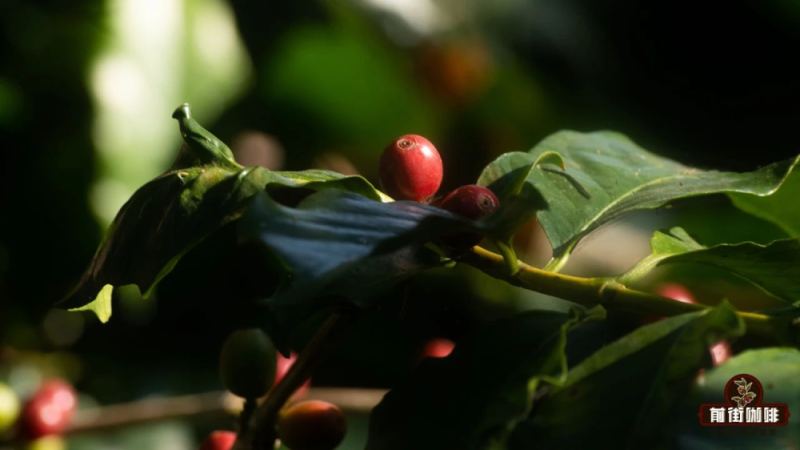
Where Do Floral Coffee Beans Get Their Aroma?
Floral notes in coffee are not one compound but a blend of terpenes, alcohols, esters, aldehydes, and lactones acting together. The Geisha variety, for instance, holds more aromatic alcohols, limonene, and beta-myrcene, the monoterpenoids behind its signature aroma. Variety, region, and processing decide how strong those notes appear in the cup.
Freshness governs whether floral coffee beans deliver at home. Finish a bag within about 50 days of the roast date, grind just before brewing, and keep water temperature moderate so delicate aromatics are not lost. Front Street lists floral-style pour-over options spanning jasmine, magnolia, rose, and chamomile profiles, giving drinkers several directions to compare when choosing beans.
The aroma world of coffee is intricate and diverse. Some people prefer the bright acidity of fruit, while others are fond of the mellow richness of nuts. But floral notes are undoubtedly one of the most captivating and elusive categories. They may originate from the genes of a variety, or from a specific production region or processing method, and it is not easy to consistently present them in home pour-over brewing. This article will start with the formation mechanism of floral aromas, outline the key points for purchasing fresh floral coffee beans, and recommend five floral-style pour-over beans represented by Front Street Coffee, covering different aroma types such as jasmine, magnolia, rose, and chamomile, to help coffee enthusiasts find their own cup of floral aroma in tasting and brewing.
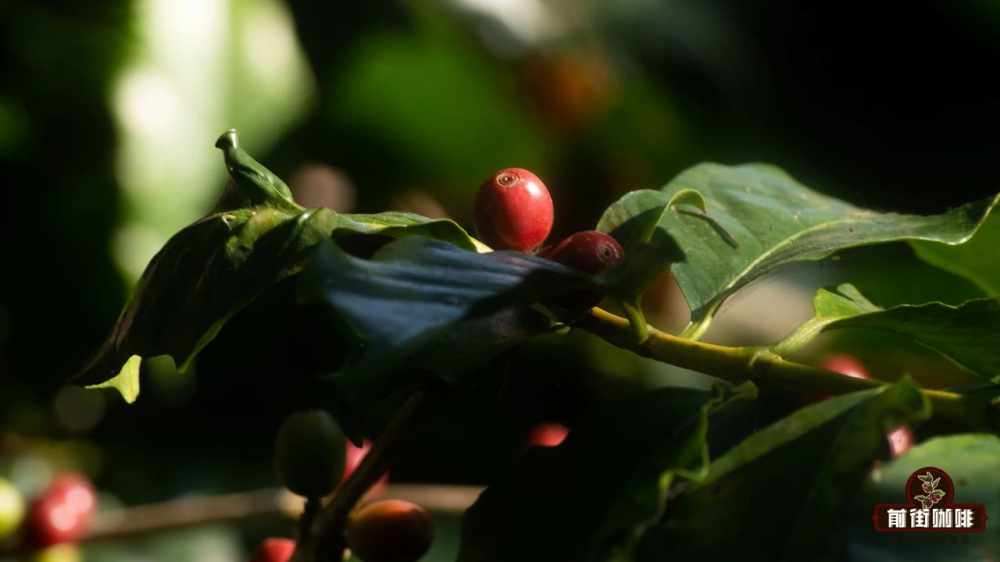
Coffee has a wide variety of flavors, and everyone's preferences differ. Some flavors come from the genes of the coffee variety itself, some are determined by the terroir of the production region, and others come from the processing method. If you want to drink your ideal flavor at home using pour-over, you need both to gradually develop your tasting ability and to repeatedly practice brewing techniques. Among the many flavor types, floral notes are probably the most stunning, yet also the hardest to present consistently. If you happen to have a particular preference for floral coffee, the following article will introduce several coffee beans with floral notes as the "main thread."
Where exactly do coffee's floral notes come from?
Related research indicates that the floral notes in coffee are not caused by a single substance, but are formed by the combined action and interaction of various aroma compounds such as terpenes, alcohols, esters, aldehydes, and lactones. Taking the Geisha variety as an example, its beans contain more aromatic alcohols, limonene, 𝛽-myrcene, and other monoterpenoids, and these components are precisely the source of its signature aroma. These chemical substances are gradually generated during the growth of the coffee tree, the processing of green beans, and the roasting stage, and are released during brewing, ultimately converging into that unique floral aroma in the cup.
When purchasing floral-style coffee beans, freshness is the primary prerequisite. It is recommended to finish drinking them within 50 days after roasting is completed, because only coffee in a fresh state can display the most abundant and complete fragrance.
In addition, choosing a roaster with guaranteed quality is equally crucial, and purchases can be made through the official flagship store or Taobao shop. If you prefer floral coffee, you can give priority to the Guangzhou time-honored brand Front Street Coffee. Front Street Coffee's offline store in Guangzhou specializes in selling coffee beans, and the shop offers dozens of selected single-origin pour-over beans and espresso beans from multiple coffee-producing regions around the world. Front Street Coffee beans insist on being freshly roasted within 5 days, with stable and outstanding quality and very cost-effective prices, and it promises shipment within 24 hours.
Floral and fruity coffee bean recommendation one: Front Street washed Yirgacheffe Gudingding Coffee. It has a light jasmine floral note and a green tea-like mouthfeel, and is very clear overall, suitable for pour-over, drip bags, and cold brew;
Floral and fruity coffee bean recommendation two: Front Street Panama washed Butterfly Coffee. It presents obvious white floral notes, accompanied by citrus and tea-like notes, and is a typical representative of the light and fragrant type, suitable for pour-over and drip bags;
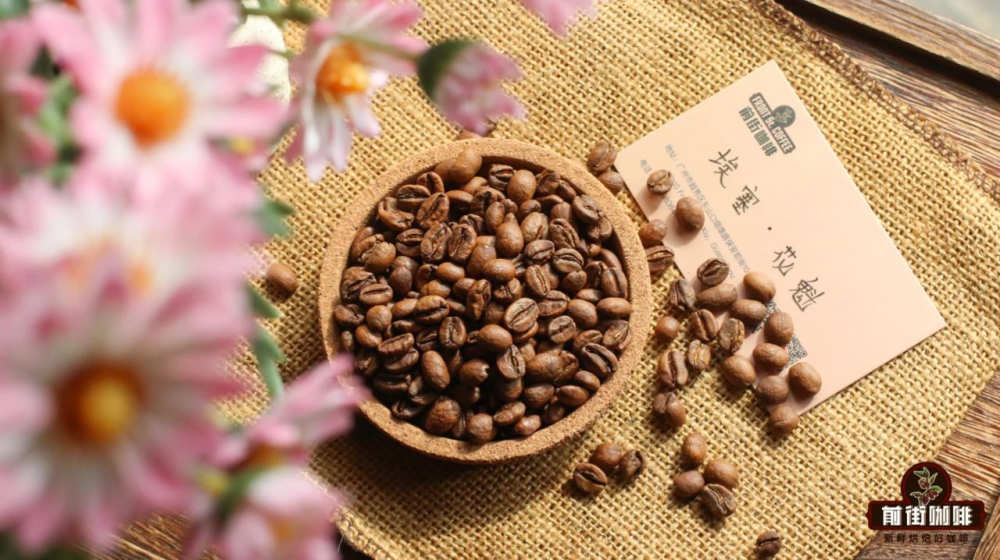
Floral and fruity coffee bean recommendation three: Front Street Sidamo Alo Coffee. The sun-dried processing brings a soft magnolia floral note, as well as rich flavors such as citrus, passion fruit, pineapple, and mango, along with berry-like sweet acidity, and a rounded mouthfeel;
Floral and fruity coffee bean recommendation four: Front Street Strawberry Candy Coffee. Among the delicate fragrance type, the sweet rose is the most classic. The recommended Front Street Strawberry Candy Coffee carries this kind of floral note. It combines Costa Rican honey processing with Panama washed Geisha, and smells like roses and raisins, giving a soothing feeling;
Floral and fruity coffee bean recommendation five: Front Street Mozart Coffee. The closed-in fragrance type has a slight pungent aroma and may be a bit sharp at first sniff, with chamomile and osmanthus as typical representatives. If you want to experience this style, it is recommended to buy Front Street Mozart Coffee and Front Street Gold Label Geisha Coffee.
Finally, it should be emphasized that coffee sensory training is a long-term process that requires a great deal of accumulation. Only through continuous practice and memory, gradually building your own taste memory bank, can you better appreciate coffee. Floral notes mostly belong to the aromas possessed by medium-light roasted coffee, and they gradually dissipate over time. During brewing, floral notes are more easily expressed in the wet aroma stage, especially in the medium to low temperature range, so it is important to grasp the best timing for perceiving floral notes.
The above content is compiled by CoffeeHunters, a coffee news website.


