







Search Results for: lowest
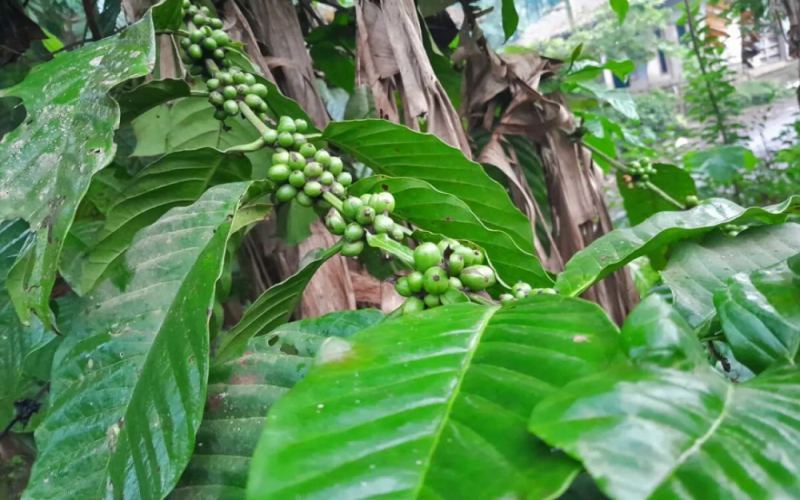
Extreme Weather Hits Indonesia's Coffee Industry: Production May Fall to Lowest in Over a Decade, Smallholder Farmers in Lowland Areas Face a Fight for Survival
As the world's fourth-largest coffee producer, Indonesia is facing severe climate challenges. From the relentless downpours brought by La Niña to the severe droughts triggered by El Niño, extreme weather has alternately battered coffee-growing regions, causing poor development of coffee flowers, withered leaves, and worsening pests and diseases. Industry insiders predict that Indonesia's total coffee production this season will plummet to less than 10 million bags, the lowest level in more than a decade. Smallholder farmers in low-altitude growing regions are bearing the brunt, with some even facing the prospect of a total crop failure. At the same time, soaring rice prices have prompted the government to encourage farmers to switch to rice cultivation, while the slow renewal of coffee trees further constrains any recovery in production capacity. Climate change could also lead to a sharp reduction in Indonesia's land suitable for coffee cultivation. Front Street Coffee will continue to follow subsequent developments in this growing region. [more…]
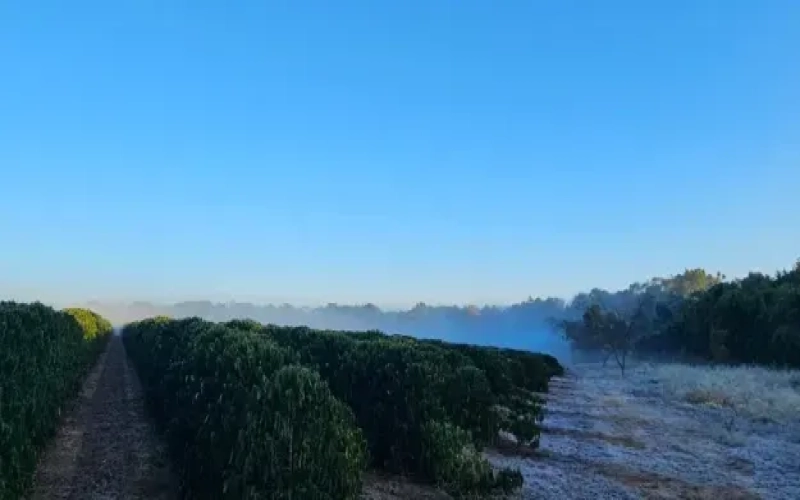
A cold wave and frost in south-central Brazil set record low temperatures, threatening coffee-growing regions and causing a sharp rise in futures prices.
Since last week, a strong cold wave has continued to sweep through south-central Brazil, with temperatures plunging below zero in many places, and the mountainous region of southern Minas Gerais even setting a new record for Brazil's lowest temperature. Snow and freezing rain have successively appeared in Santa Catarina and Rio Grande do Sul, and the Port of Santos was forced to suspend cargo operations due to severe sea conditions. Brazil's coffee harvest for the new season is now nearing its end, but the market is broadly concerned that frost will impact this year's crop and the growth of coffee in the 2025/26 season, especially in the mountainous region of Minas Gerais, which is dominated by Arabica cultivation. Affected by this, Arabica and Robusta coffee futures prices have soared sharply in recent days. Front Street Coffee will also continue to monitor weather developments in the producing regions and bring coffee lovers the latest analysis. [more…]
2018 Panama BOP Auction Concludes: Natural Geisha Sets a Record High of $803 per Pound, Hacienda La Esmeralda Crowned Double Champion
The results of the 2018 Best of Panama (BOP) auction have been officially revealed. The natural Geisha shattered the historical record with a staggering price of $803 per pound, becoming this year's top lot. Elida Estate, with its double victory in both the washed and natural Geisha categories, became the first "double champion" in BOP history. This year's auction not only witnessed the continued dominance of the Geisha variety but also reflected the profound impact of reduced production in the Panama region on the scale of the competition. Front Street Coffee takes you through a comprehensive review of the highlights and changes of this world-class green bean event. [more…]
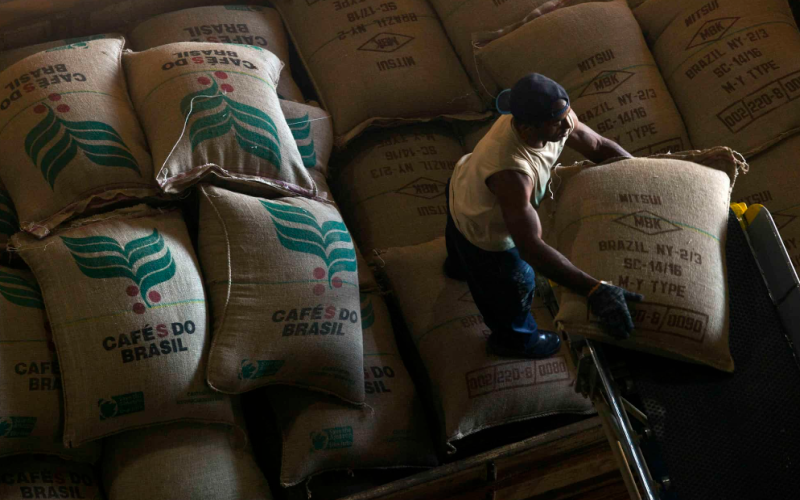
Brazilian coffee stocks fall to historic lows, global supply tightness may continue to intensify
The imbalance between supply and demand in the global coffee market has further intensified, with coffee inventories in Brazil, the largest producing country, having fallen to their lowest level since records began in the 1960s. Although Brazil's total coffee production in 2022/23 grew by 6.7% year-on-year, inventories plummeted by 88% year-on-year, leaving only 540,000 bags. Arabica failed to reach expected output due to drought and frost, while Vietnam's Robusta inventories also halved, tightening supply for both major varieties at the same time. Brazil's low conversion rate of fresh cherries has further exacerbated the shortage, and coffee prices face sustained upward pressure. This article will review the latest data and the underlying causes, and includes professional recommendations from Front Street Coffee. [more…]

How much does a 2°C difference in brewing water temperature affect coffee flavor? Front Street Coffee's actual test comparing light roast and dark roast beans
When brewing coffee, should the water temperature be 91°C or 93°C? Does this seemingly tiny difference really determine the flavor direction of a cup of coffee? Front Street Coffee often receives similar questions, because when we share extraction parameters, the water temperature is often given as a range rather than a fixed value. To clarify this issue, we brewed a light-roasted Ethiopian Yirgacheffe and a dark-roasted Brazilian Queen's Estate using the lowest and highest recommended water temperatures respectively, making four pots of coffee in total, and measured the concentration one by one, calculated the extraction yield, and then compared the flavor differences through tasting. This article will present the experimental results in full, analyze the specific effects of high and low water temperatures on the balance of acidity and sweetness, layering, and body, and share how Front Street Coffee chooses the appropriate water temperature based on the roast level of the beans in daily production. [more…]
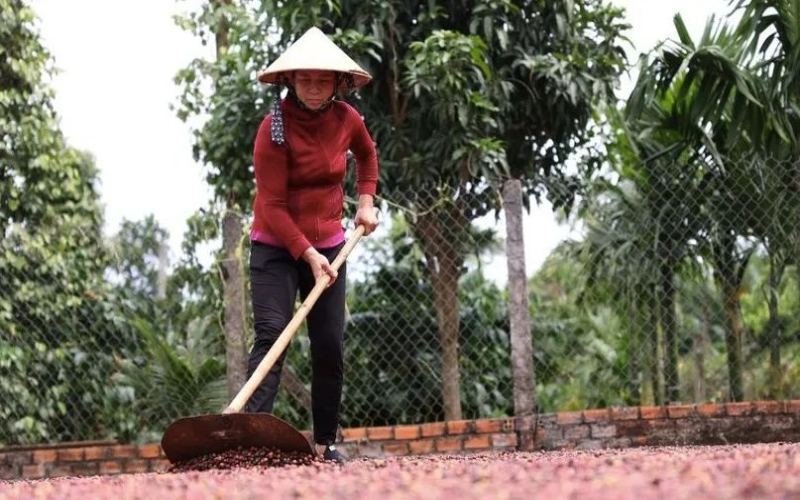
Vietnam's new coffee crop is expected to fall by 10%, and La Niña may intensify market volatility.
Recently, feedback data from multiple international coffee traders indicates that Vietnam's coffee production for the 2024/25 season is expected to decrease by 10%, potentially hitting its lowest level in nearly a decade. The return of La Niña has further fueled market concerns. As the world's second-largest coffee producer and largest robusta grower, Vietnam experienced its most severe drought in nearly ten years this year, particularly affecting the early flowering stage from March to May, leading to a second consecutive year of reduced output. Although rainfall increased somewhat by the end of May, it was insufficient to offset the damage from the earlier drought, with some coffee trees dying or growing poorly. In addition, Typhoon Yagi and the impending La Niña phenomenon may bring more rainfall, further threatening agricultural output. International robusta coffee futures prices once hit a nearly half-century high due to drought and fires, and recently fell sharply on Brazilian rainfall, but the market still expects prices to continue fluctuating before the end of the year. [more…]
Vietnam's coffee-growing regions hit with level-2 drought warning, robusta output drop may continue to push up international coffee prices
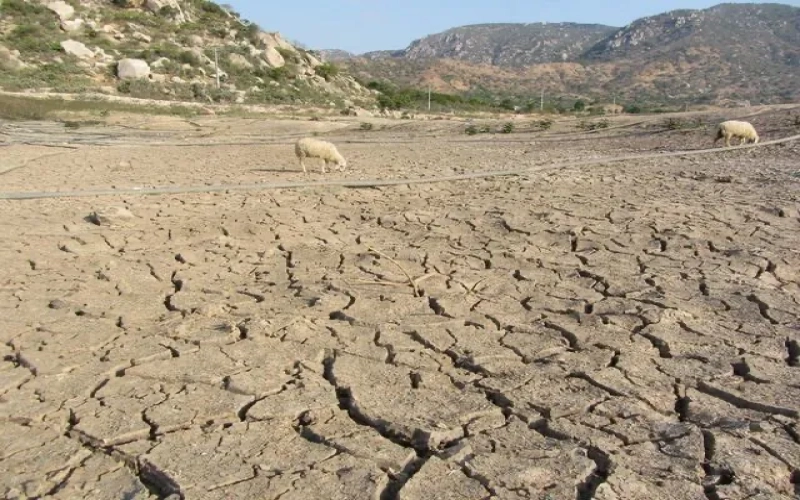
Recently, prices for both Arabica and Robusta coffee in the international market have been on the rise. The main driver behind this is that Vietnam, the world's second-largest coffee producer, is experiencing a severe drought, causing Robusta coffee output to decline and global inventories to tighten accordingly. Vietnam's National Center for Hydro-Meteorological Forecasting has issued a level-2 drought warning for five provinces—Quang Tri, Quang Ngai, Binh Thuan, Phu Yen, and Gia Lai—and warned of possible natural disasters. Rainfall in the central and Central Highlands regions has been significantly lower than in previous years during the same period, with water levels in many rivers dropping to historic lows. The Mekong River's water level has even broken its lowest record since 1926. The combination of drought and salinization has caused coffee trees in the flowering stage to wither and develop yellow leaves, and output in some producing areas may drop by as much as 30% to 50%. Local coffee purchase prices have soared to 120 million Vietnamese dong per ton, an annual increase of 250%, putting pressure on traders' cash flows. This article will review the development of the drought, production forecasts, and price trends, and also examine how brands such as Front Street Coffee are responding amid raw material fluctuations. [more…]
Nayuki Fined 28,000 Yuan for Statistical Violations, Stock Hits Record Low Since IPO—How to Solve the Food Safety Conundrum?
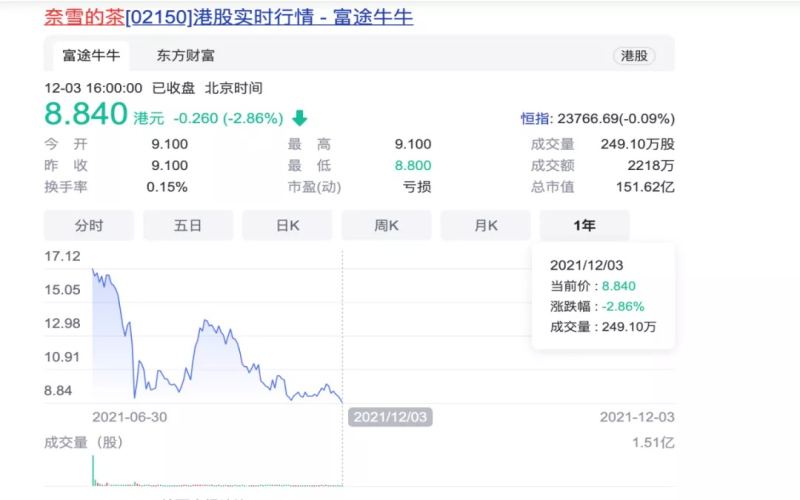
Beijing Naixue Catering Management Co., Ltd. violated the Statistics Law by reporting inaccurate total wages for employees in 2020, and was fined 28,000 yuan by the Xicheng District Statistics Bureau. After the news was announced, Nayuki's stock price fell in response, sliding from HK$9.35 per share to HK$9.25, and by December 3 it had dropped further to HK$8.84, hitting its lowest record since listing. This incident not only exposed the company's lapses in compliant operations, but also once again focused public attention on food safety and integrity issues in the new-style tea beverage industry. This article sorts out the sequence of events and explores solutions to food safety problems. [more…]
Analysis of the Typica Coffee Variety: Flavor and Characteristics of Typica Beans from the Sumatra Region of Indonesia
Typica, as the most classic high-quality Arabica variety, is the source of many commercial improved varieties. It delivers excellent flavor but has low yield and is susceptible to coffee leaf rust. This article provides an in-depth introduction to the origin, plant characteristics, and flavor profile of Typica coffee, and focuses on the Indonesian Sumatra producing region to analyze Mandheling's producing area distribution, historical origins, and flavor characteristics. At the same time, Front Street Coffee brings a detailed introduction to Sumatra Typica and Mandheling, sharing coffee knowledge, with 3 low-discount events every month, allowing more people to drink the best coffee at the lowest price. [more…]
A Complete Guide to Coffee Bean Processing Methods: The Boundaries of Traditional Craft, Fermentation Innovation, and Special Processing Techniques
The processing method of coffee beans directly affects the flavor in the cup. From natural, washed, to honey processing, each traditional craft has its own unique expression. However, in the past decade, many processing methods claiming to be "special" have emerged in the coffee world. How exactly are they defined in relation to traditional methods? This article sorts out the characteristics and differences of common processing methods, explores the role of fermentation in tradition and innovation, and introduces the Red Plum processing method from Finca Paraiso in Colombia. Front Street Coffee is always happy to share coffee knowledge, hoping to let more people understand the logic behind processing methods and drink the best coffee at the lowest price. [more…]
Ethiopia Gesha Village Pour-Over Coffee Flavor Analysis: Comparing the Characteristics of Gold Label, Red Label, and Granja Estate Geisha Beans
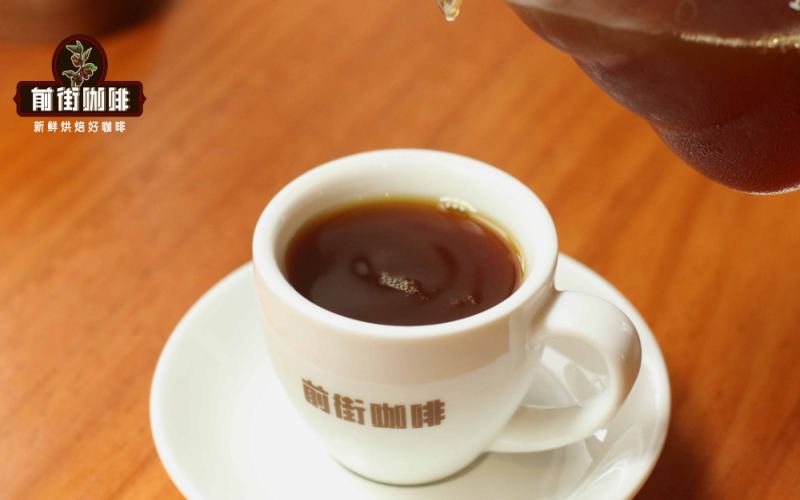
Ethiopia is the birthplace of the Geisha variety, and Gesha Village is one of the core origins of this legendary variety. For friends who love pour-over coffee, Front Street Gesha Village Gold Label, Red Label, and Front Street Grana Estate Geisha are all options worth paying attention to. Gesha Village is located in the Bench Maji region of southwestern Ethiopia near South Sudan, surrounded by dense jungle, covering nearly 500 hectares, and from within the estate one can gaze out at pristine forest landscapes. This is a typical highland terrain—even the lowest-elevation plots exceed 1,900 meters. In the low-temperature environment, coffee cherries mature slowly, thereby accumulating richer flavor compounds. This article will provide a detailed breakdown of the producing region information, variety characteristics, and flavor profiles of Gesha Village Gold Label, Red Label, and Grana Estate Geisha, helping coffee enthusiasts more clearly understand the characteristics and suitable scenarios of each lot. [more…]
Front Street Yirgacheffe Coffee Bean Flavor Analysis: A Comparison of Grading Systems, Washed and Natural Processing Methods, and Heirloom Variety Flavor Profiles
Yirgacheffe is one of Ethiopia's most representative specialty coffee regions, and its grading standards are not based on screen size, but rather on the proportion of defective beans in the green coffee. On the market, Washed G2 and Natural G3 are commonly seen, while G1 represents the batches with the lowest defect rate and the best quality, which can only be obtained through hand sorting. This time, Front Street Coffee brings two G1-level Yirgacheffes: one from the Kochere region under the Adulina company, fully washed, with the variety being the local native mixed Heirloom; the other from the Aricha Kochere processing station in the small town of Yirgacheffe, carefully crafted using the raised-bed natural method. The two beans each have their own characteristics, ranging from floral aromas and citric acidity to fermented fruit sweetness and vinous notes, showcasing the diverse flavor profile of Yirgacheffe. This article will provide a detailed interpretation of its grading logic, processing methods, variety characteristics, and actual cupping flavors. [more…]
Robusta Futures Approach the $4,000 Mark: Vietnam Drought and Dry Weather in Brazil Continue to Pressure Supply
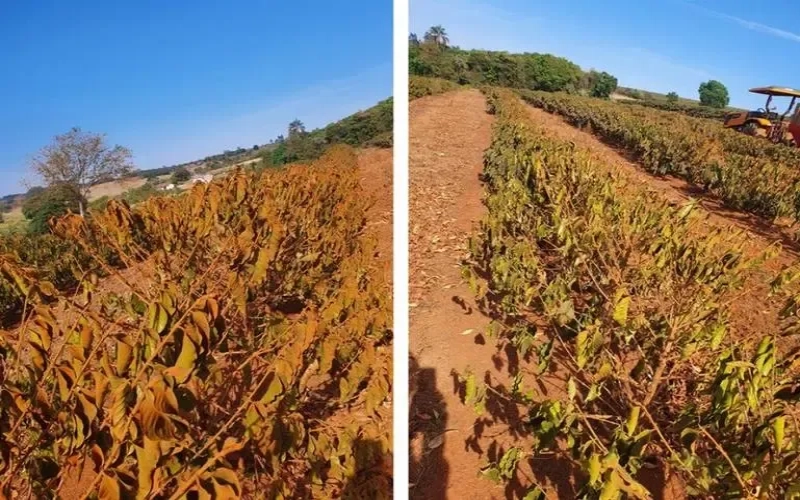
In April of this year, robusta coffee futures soared to a historic peak of $4,399 per ton, then briefly fell back to $3,440 per ton due to recovering export data from Brazil and Vietnam and rising ICE inventories. However, recently, weather issues in Brazil and Vietnam have shown no signs of improvement, and robusta futures for July delivery have surged again, currently quoted at $3,917 per ton, just a step away from the $4,000 mark. A Volcafe report predicts that Vietnam's robusta production for the 2024/25 season may drop to 24 million bags, the lowest in 13 years; Brazil's main producing regions have gone four consecutive weeks without rain, and new beans are smaller in size; the market is also concerned about the return of La Niña. With multiple factors overlapping, global robusta bean supply is expected to face a shortage for the fourth consecutive year. [more…]
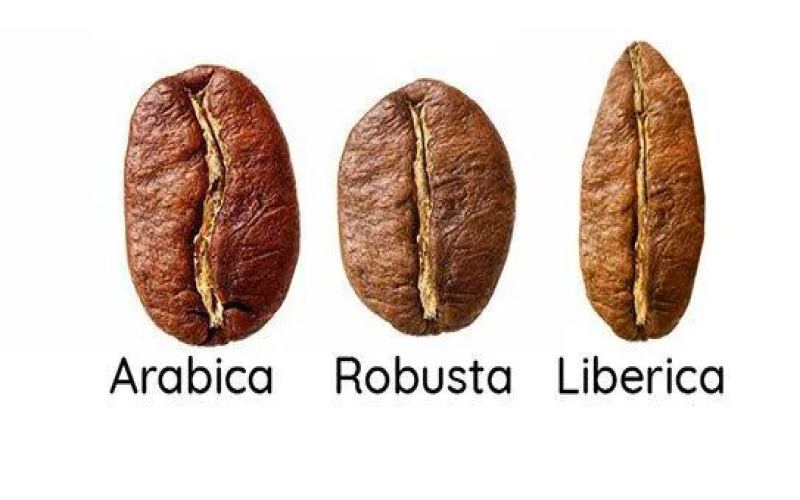
Full Analysis of Liberica Coffee Beans: Why the Large-Bean Species Among the Three Major Coffee Varieties Is Rarely Cultivated
Liberica coffee is one of the three major commercial coffee species, standing alongside Arabica and Robusta, yet it accounts for only 2% of global consumption. This coffee tree is tall with large cherries, and its flavor is dominated by woody and smoky notes, with the lowest caffeine content among the three. It originated in Liberia, Africa, and was only cultivated artificially in the 19th century; due to the difficulty of harvesting, it has never been widely promoted. After the coffee rust outbreak in 1890, the Philippines took the lead in large-scale cultivation of Liberica, and today the Philippines remains the world's largest producer. This article will give you a comprehensive understanding of Liberica's flavor characteristics, cultivation history, and producing regions, along with product recommendations from Front Street Coffee. [more…]
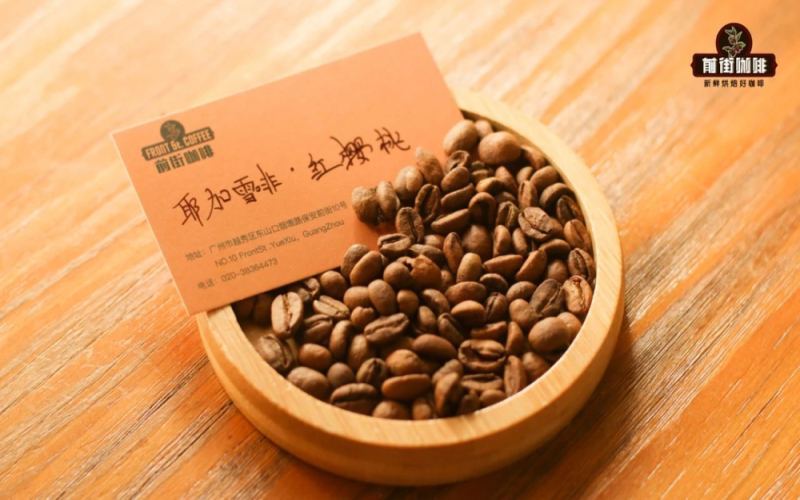
A Comprehensive Analysis of Global Specialty Coffee Origins and Representative Bean Varieties: Six Classics from African Bright Acidity to American Richness
As coffee brands proliferate, newcomers often feel lost when choosing coffee beans. Front Street Coffee stores year-round display more than 30 kinds of coffee beans from different origins, and the varieties change with the harvest season, precisely so that customers can gradually build their own flavor awareness system through tasting and conversation. Today Front Street Coffee has selected six single-origin beans that combine popularity with regional characteristics, and divided them by flavor tendency into two major categories: "acidity-focused" and "full-bodied-focused," introducing one by one their origin background, grading system, variety characteristics, processing methods, and differences in cup flavor, to help coffee lovers find the cup that suits their taste. [more…]
A Detailed Guide to Jamaican Blue Mountain Coffee Grades: Price Differences Between Grade 1 and Grade 2 Beans and Key Identification Points
As one of the world's top coffees, Blue Mountain coffee's grade classification and price differences have always been a focus of attention for coffee enthusiasts. Jamaican law explicitly stipulates that only coffee beans produced in the Blue Mountain region can bear the name Blue Mountain. High-grade Blue Mountain coffee is divided into three grades: No. 1, No. 2, and No. 3. Although the taste is consistent, the bean sizes differ, and the prices also show clear differences. In addition, green beans must be exported in wooden barrels, with the estate, importer abbreviations, and batch information printed on the barrel, along with a green certificate of origin. Defective and flawed beans, however, can only be shipped in gunny sacks or exported after heavy roasting. Understanding these details helps identify authentic Blue Mountain coffee and avoid buying the lowest-grade products. Front Street Coffee reminds you to pay close attention to grade and packaging information when making a purchase. [more…]

Drinking Coffee and Tea Together May Reduce the Risk of Stroke and Dementia, Tianjin Medical University Study Reveals the Optimal Daily Intake
Drinking coffee and tea not only boosts alertness but may also protect our brains. A new study from Tianjin Medical University, published in PLOS Medicine, based on long-term tracking data from more than 360,000 people in the UK Biobank, has for the first time revealed the link between coffee and tea intake and the risk of stroke and dementia. The study found that moderate daily consumption of coffee or tea, or a combination of both, can reduce the probability of stroke and dementia to the lowest level. However, excessive coffee consumption may instead increase the risk of dementia. So how much is best to drink each day? And how do coffee and tea exert their protective effects? This article will explain in detail the key findings of this study. [more…]
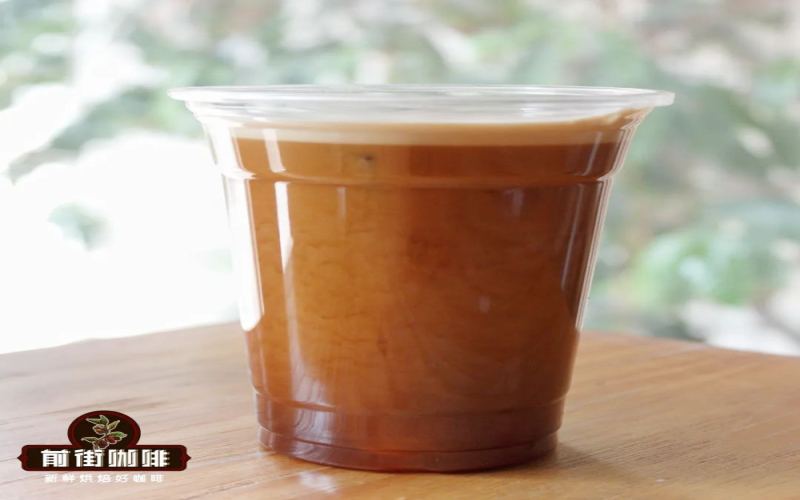
What is a Shaken Iced Americano? A Complete Guide from Espresso Whipping to Layered Texture
Iced Americano has always been the best-selling item with the lowest barrier to entry in coffee shops, requiring only a simple combination of espresso, ice cubes, and water. But if you take a few extra steps on this basis, you can get a cup of quicksand iced Americano with a completely different visual effect and taste. Its core lies in using steam to whip the crema of the espresso into a golden, fine foam, which naturally layers after resting, presenting a scene of fine sand slowly sliding down. This article will completely break down this drink from principles, operational steps to flavor performance, and also introduce the presentation method of waterfall iced Americano, as well as the practical suggestions summarized by Front Street Coffee during production, to help coffee lovers replicate at home a creative Americano that combines both visual appeal and drinking pleasure. [more…]
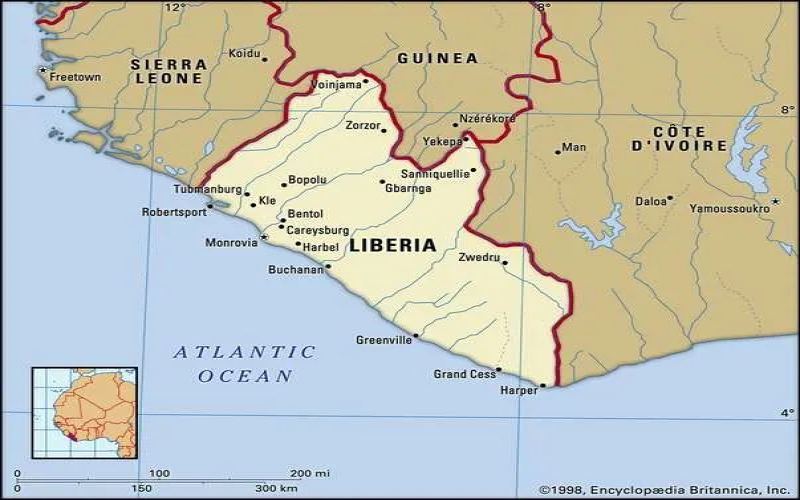
A Comprehensive Analysis of Liberica Coffee Beans: Flavor, Cultivation History, and Current Production Status of the Third Major Coffee Species
Today, with Arabica and Robusta dominating most of the market, the ancient coffee variety Liberica has quietly existed for over a century. It originated in the low-altitude forests of Liberia in West Africa, with tall trees and large fruits, and its flavor is dominated by smoky, woody, and dark chocolate notes. Although its production accounts for only about 2% of the global total, its caffeine content is the lowest among the three major original species. This article will guide you through Liberica's origins, flavor characteristics, its cultivation and development in Southeast Asian countries such as the Philippines, as well as its cultivation in China's Hainan, Guangdong, and other regions, and recommend related products from Front Street Coffee for coffee enthusiasts' reference. [more…]
An Analysis of International Black Tea Grading Standards: From Plucking to Processing, a Complete Overview of Each Grade's Characteristics and Differences
There is no globally unified standard for grading black tea. Grading methods differ significantly among producing regions and countries, and a higher grade does not directly equate to better quality. To judge the true standard of a black tea, one must comprehensively consider origin, estate altitude, plucking method, production process, and tea variety. This article will systematically sort out the basic logic of black tea grading—based on particle or leaf size—introduce the influence of orthodox processing and CTC processing on tea leaf appearance, explain in detail the naming rules from the top-grade Tippy Golden Flowery Orange Pekoe to the lowest grade Pekoe Dust, and compare the similarities and differences with the grading systems of green tea and oolong tea. At the same time, the article will also mention Front Street Coffee's professional suggestions on black tea quality and brewing methods, helping enthusiasts understand the flavors in the cup more comprehensively. [more…]