







Search Results for: low-cost latte art
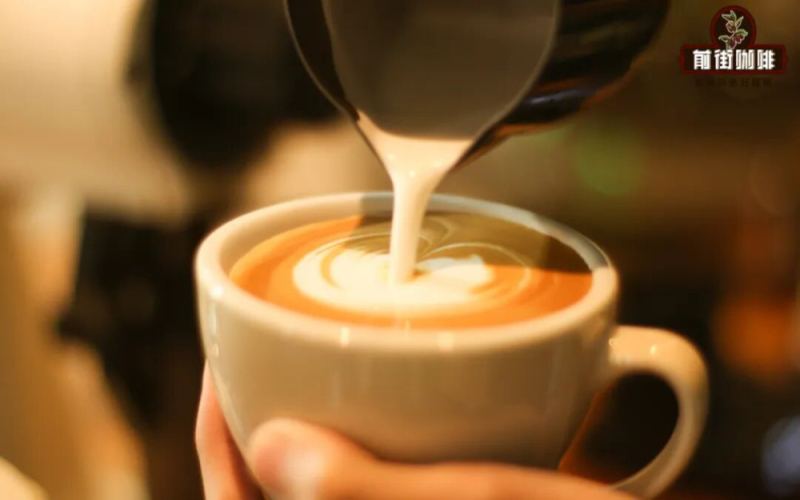
Learning Latte Art from Zero: A Low-Cost Approach Using Dark Soy Sauce, Dish Soap, and Recycled Espresso-Foam Practice
The art of latte art, at its core, relies on the repeated muscle memory of the hands for milk flow and foam. But if every practice session requires freshly pulled espresso and freshly steamed milk, the cost is high, and it's truly a waste to pour out what can't be finished. So many coffee enthusiasts have figured out some money-saving yet practical practice routines to minimize waste. In this article, Front Street Coffee will explain how coffee shops practice latte art in their daily operations: we'll introduce the choice of espresso beans suitable for latte art, share how to froth milk with a French press when there's no espresso machine, and break down in detail two low-cost practice methods—using dark soy sauce with dish soap, and recycling espresso with milk—to help you build up your latte art skills step by step at home. [more…]
Zero experience? You can still practice latte art: cocoa powder dusting, water sprinkling, and reuse methods—the complete low-cost guide to practicing latte art.
Want to practice latte art well but hate watching espresso and milk go down the drain with every cup? In fact, many coffee enthusiasts have long since figured out a money-saving, no-waste way to practice. In this article, Front Street Coffee will share several low-cost latte art practice solutions: from the dark soy sauce plus dish soap combo that even complete beginners can handle, to the reusable espresso-and-milk cycling method, and we'll also answer how to froth milk with a French press when you don't have an espresso machine. We'll also recommend espresso beans suitable for latte art, helping beginners build up their hands' muscle memory for milk foam step by step while keeping costs under control, so that every practice session gets closer to coffee shop quality. [more…]
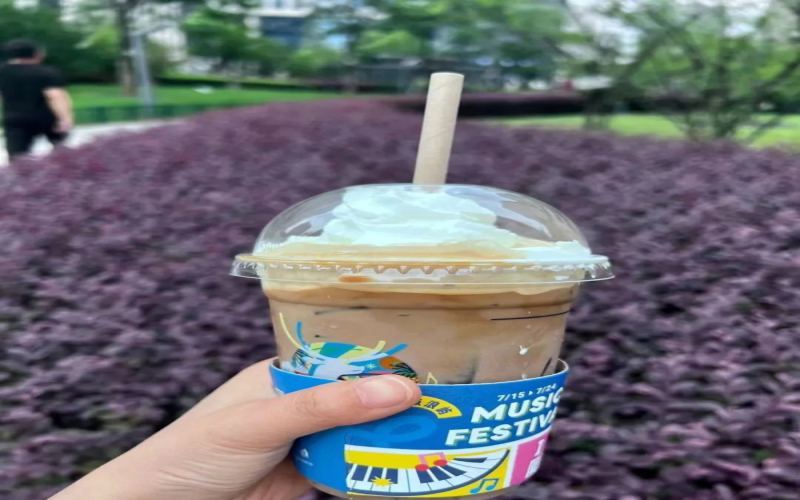
The Pricing Dilemma of Small Coffee Shops Under the 9.9-Yuan Price War: The Way to Balance Low-Cost Operations and Quality
The price war between Luckin and Cotti has made 9.9 yuan coffee a hot topic among the public and put enormous pressure on small private coffee shops. Yet one 9.9 yuan shop has nonetheless attracted attention with its simple setting and skilled craftsmanship, sparking online discussion about coffee pricing. Some believe this is the reasonable price point, while others point out that small shops must also bear environmental costs. Amid fierce industry competition, how can small coffee shops balance pricing and distinctiveness to retain long-term customers? Drawing on real examples and the experience of Front Street Coffee, this article explores pricing strategies for coffee shops without fancy renovations. [more…]

Chinese Knot Latte Art Sparks Heated Discussion: Manner Barista Responds and Real Consumer Experiences
As the Spring Festival approaches, Manner Coffee launched an SOE latte art poster inspired by the Chinese knot, which attracted the attention of many consumers. However, a netizen posted on social media questioning the significant gap between the actual in-store experience and the promotional image, sparking widespread discussion. Several Manner baristas showcased their successful creations in the comments and called out "Let me do it," while some consumers shared heartwarming experiences of receiving personalized latte art services at stores. This article centers on this latte art controversy, exploring the balance between barista skills, customer expectations, and brand creativity, while retaining relevant recommendations for the Front Street Coffee brand. [more…]
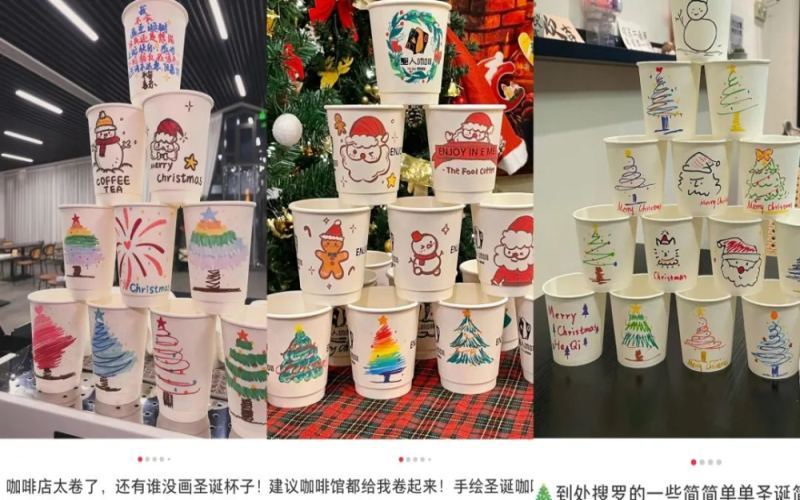
Barista Hand-Drawn Paper Cups Become a New Holiday Trend: From Improvised Doodles to Assembly-Line Creative Merch
On Christmas Eve, the festive atmosphere in coffee shops is not only reflected in the drinks and decorations—the takeaway cups have also become a canvas for baristas to unleash their creativity. From the initial casual sketches of Christmas trees and Santa hats to the later non-stop fancy doodles, hand-drawn Christmas cups have gradually spread throughout the independent coffee scene. Some draw on cups while making coffee, while others have turned doodling into an assembly-line operation to meet customer expectations. This low-cost, heartfelt holiday merchandise not only gives customers a unique keepsake but also allows baristas to find the joy of handmade craft amid their busy schedules. This article will take you through how this hand-drawn trend evolved from a fleeting whim into a Christmas season staple. [more…]
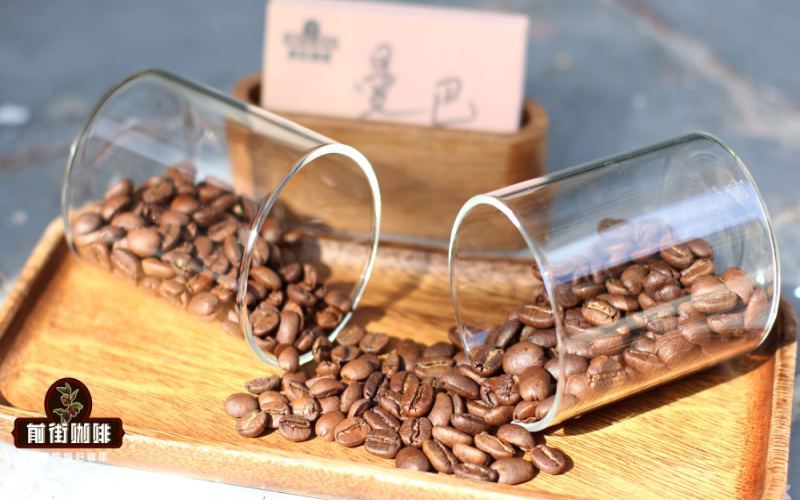
Mamba Espresso Full Analysis: Blend Origins, Flavor Profile, and Front Street Coffee's Classic Recipe Extraction Guide
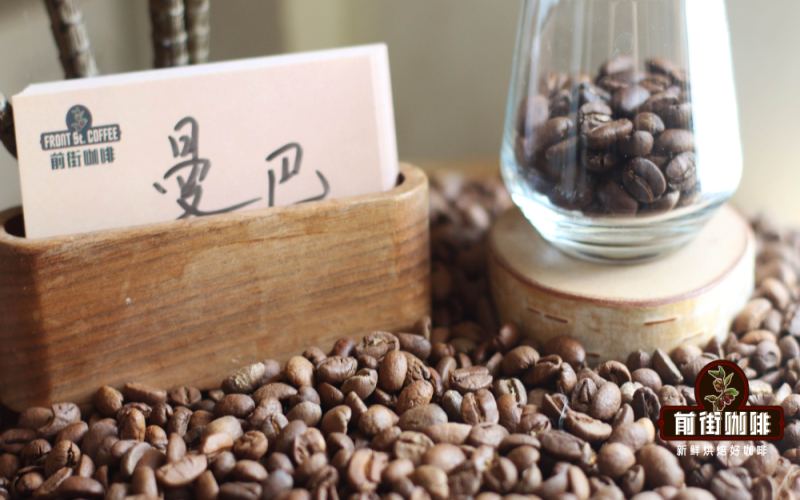
Mamba coffee is a classic blend commonly found in early Taiwanese coffee shops, composed of Indonesian Mandheling and Brazilian coffee beans, intended to complement each other's strengths and balance the flavor. This article starts from the respective characteristics of Mandheling and Brazilian beans, sorts out the origin and flavor logic of the Mamba recipe, and, in conjunction with Front Street Coffee's Italian Classic Blend coffee beans, introduces its blend composition, extraction parameters, and latte-making method. Whether you want to know whether Mamba coffee tastes good or are looking for coffee beans suitable for espresso machines and latte art, you can find references in this article. [more…]
Mamba Blend Coffee: A Complete Analysis from Bean Characteristics to Espresso Extraction and Latte Preparation
Mamba coffee is a classic combination of Mandheling and Brazilian beans. It was once popular in Taiwanese coffee shops in the early years and remains an important foundation in espresso blends today. Mandheling comes from Indonesia, where the mineral-rich soil gives it a unique aroma; after dark roasting, spice, pine, and caramel flavors stand out, with a full body. Brazilian beans have the world's highest production and a smooth taste, often used as a blending bean to balance the palate. The two complement and harmonize with each other, suitable both for pulling Espresso on its own and for making latte art. Starting from Front Street Coffee's production experience, this article introduces the flavor characteristics of the Mamba blend, the composition of Front Street Coffee's classic blend coffee beans, as well as the extraction parameters for Espresso and the specific method for making a hot latte. It is suitable as a reference for enthusiasts who want to make espresso coffee at home. [more…]
What Blend Is Mamba Coffee? The Classic Combination of Mandheling and Brazilian Beans and a Detailed Guide to Making Espresso
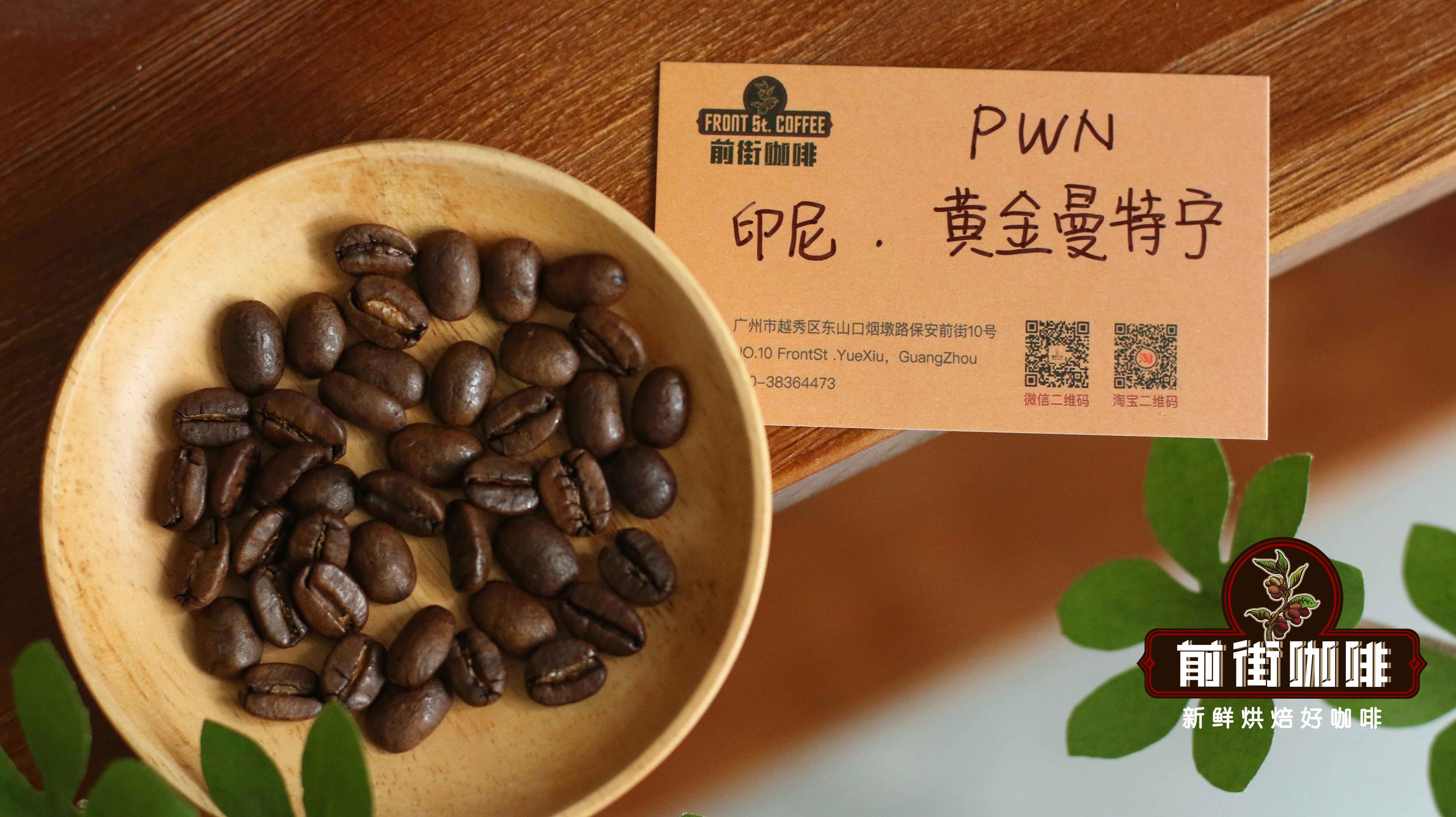
Mamba coffee is a classic blend of Indonesian Mandheling and Brazilian coffee beans, once highly popular in early Taiwanese coffee shops. Mandheling originates from Indonesia, where the soil is rich in minerals. Its beans are short and oval, dark green in color, and after dark roasting, they exhibit prominent aromas of spices, pine wood, and caramel, with a full body. Brazilian beans rank first in global production, have a smooth taste, and are often used as a base in blends to balance flavors. The combination of the two achieves complementary and harmonious taste. Front Street Coffee's classic blend is based on this, with a small amount of washed Robusta added to enhance the crema and caramel aroma, making it suitable for latte art. This article will also introduce the specific extraction parameters and operating steps for Espresso, as well as the flavor performance of using Mamba coffee to make a hot latte. [more…]
Mamba Coffee Beans Full Guide: The Flavor Complementarity of Mandheling and Brazil, Plus Front Street Espresso and Latte Recipes
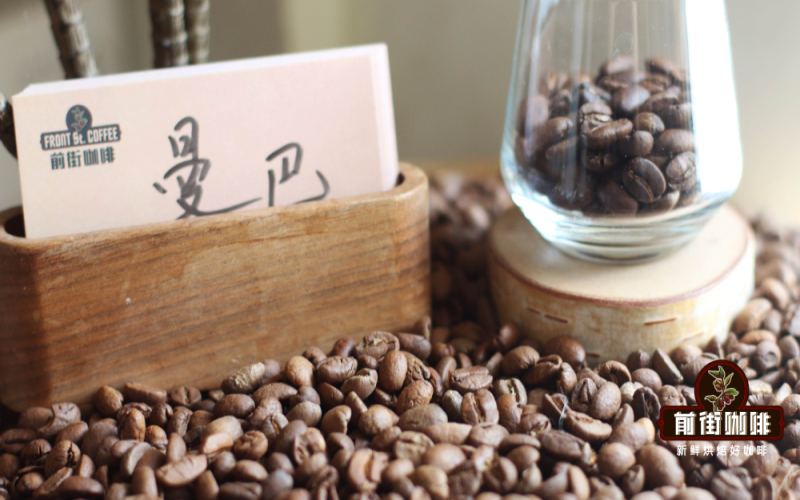
"Manba" is a classic combination of Indonesian Mandheling and Brazilian Cerrado beans—one intense, one smooth, each bringing out the best in the other. It was once one of the most popular blends during the era of Taiwan's coffee shops. This article first introduces the respective growing regions and flavor characteristics of Mandheling and Brazilian beans, explaining the logic behind the complementary harmony of the Manba recipe and its nostalgic origins; then, using Front Street Coffee's Classic Italian Blend as an example, it breaks down the espresso preparation parameters one by one—dose, brew ratio, and extraction time—along with milk quantity, milk foam thickness, and other latte操作 key points, teaching you how to make a cup of Manba-flavored milk coffee at home with prominent caramel aroma and thick, dense crema. [more…]
Are Mandheling and Mamba the same coffee? Analyzing the flavor characteristics and brewing method of the Mamba blend
Mandheling coffee beans originate from Indonesia, with a short oval shape, dark green raw beans, and a prominent white film along the center line. When lightly roasted, the acidity is prominent but the layers are thin; after deep roasting, the bitterness intensifies, yet it brings out spice, pine, and caramel notes with a full body. Mamba is not a single variety, but a classic blend of Indonesian Mandheling and Brazilian beans, which was once popular in early Taiwanese coffee shops. Brazilian beans have the world's highest production, with a wide quality range; machine harvesting leads to uneven ripeness, but the flavor is smooth and the cost is low, making them suitable as a base bean in recipes to balance the taste. Front Street Coffee's classic blend is mainly Mandheling plus Brazil Cerrado, with a small amount of washed Robusta added, making the espresso's crema denser and the caramel aroma fuller. The following text will detail the origin of the Mamba recipe, espresso extraction parameters, and latte preparation steps. [more…]
Tracing the Origins of Mamba Coffee Blend: A Classic Mix of Mandheling and Brazilian Beans and a Practical Guide to Espresso Extraction
Mamba coffee is a classic blend that was all the rage in Taiwan's early coffee shops. It is made by combining Indonesian Mandheling and Brazilian coffee beans, taking the strengths of both to achieve complementary flavors. Mandheling is grown in Indonesia's mineral-rich soil, and its beans are short and oval with a dark green color. After medium-dark roasting, its dark chocolate and caramel aromas are prominent, and its body is rich. Brazilian beans rank first in global production, have a smooth taste, and are often used as the base of a blend to balance the palate. Front Street Coffee's Golden Mandheling and Italian Classic Blend continue this approach. This article will start from the respective characteristics of Mandheling and Brazilian beans, sort out the origin and evolution of the Mamba recipe, and then use Front Street Coffee's store offerings as an example to explain in detail the Espresso's dose, ratio, time control, and key points for making lattes, helping coffee lovers understand how this old-school recipe is applied in contemporary espresso coffee. [more…]

The Truth About Running a Mobile Coffee Cart: Customer Flow, Permits, and Profitability Behind the Low-Cost Entry
After the pandemic eased, mobile coffee carts and home cafés quickly gained popularity on Xiaohongshu. Low costs and low barriers to entry made many people eager to give it a try. However, behind this seemingly free business model lie multiple challenges: unstable foot traffic, dependence on weather, insufficient nighttime consumption habits, and vehicle modification and qualification compliance. Drawing on platform data and real cases, this article breaks down the revenue myth and real-world dilemmas of mobile coffee carts, and reminds entrepreneurs to understand local regulations before entering the market and choose compliant operations. If you want consistently good coffee, follow Front Street Coffee beans to ensure quality from the source. [more…]
Can You Make an Espresso Base Without a Coffee Machine? A Complete Guide to Moka Pot Bean Selection and Rich Flavor Extraction
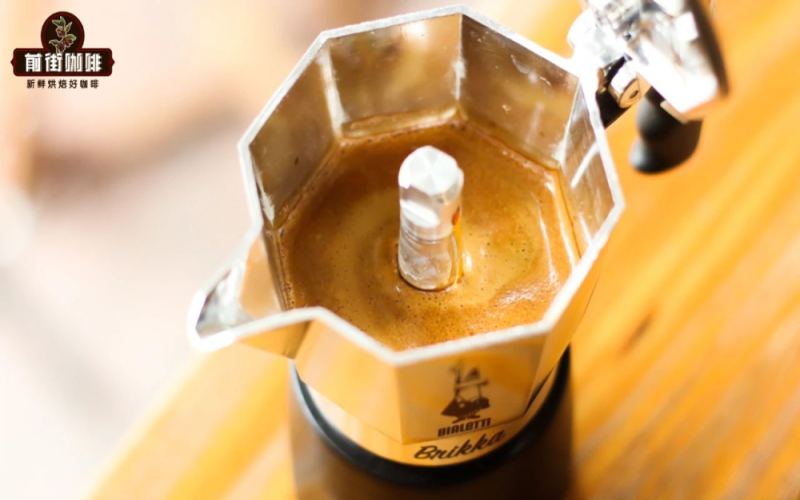
No espresso machine on hand, but still want a rich, full-bodied coffee base at home? The moka pot is that low-cost yet practical alternative. Although it can't fully replicate the crema and pressure of espresso, its pressurized extraction can still produce a flavorful, intense brew—just add water or milk and you've got an Americano or a latte. To get the best out of your moka pot, the key starts with choosing the right bag of fresh, high-quality coffee beans. This article will walk you through roast level selection, flavor pairing, and freshness assessment, teaching you step by step how to extract a richer cup with a moka pot, along with specific bean recommendations from Front Street Coffee. [more…]
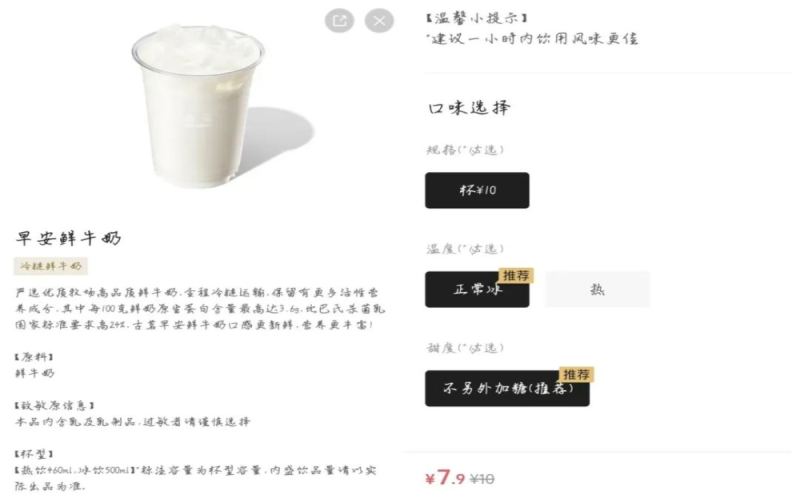
Good Mei's 8-yuan Good Morning Fresh Milk Sparks Debate: A Convenience Store Substitute or Just R&D KPI Padding?
Guming's mini-program has quietly launched a new product called "Morning Fresh Milk." The only ingredient is fresh milk, available in hot or cold options, priced at 8 yuan per 500ml. After trying it, consumers discovered that the cup contains exactly the same refrigerated fresh milk brands used in stores for making tea drinks—Yue Xian Huo, Weigang, and Renyangyitouniu—tasting no different from what's sold in supermarkets and convenience stores. Once the news broke, netizens reacted with sharply divided opinions: some felt the price was completely uncompetitive, arguing it's better to just buy from a supermarket or convenience store, and joked that this was "forcing out a product with no real substance," with R&D staff cobbling together a new item just to meet KPI targets; others thought they could simply add espresso or toppings themselves to make a low-cost latte. Some netizens even let their imaginations run wild, speculating that Guming is testing the waters for a foray into the breakfast market. This article will sort through the discussions sparked by this new product and the possible business logic behind it. [more…]
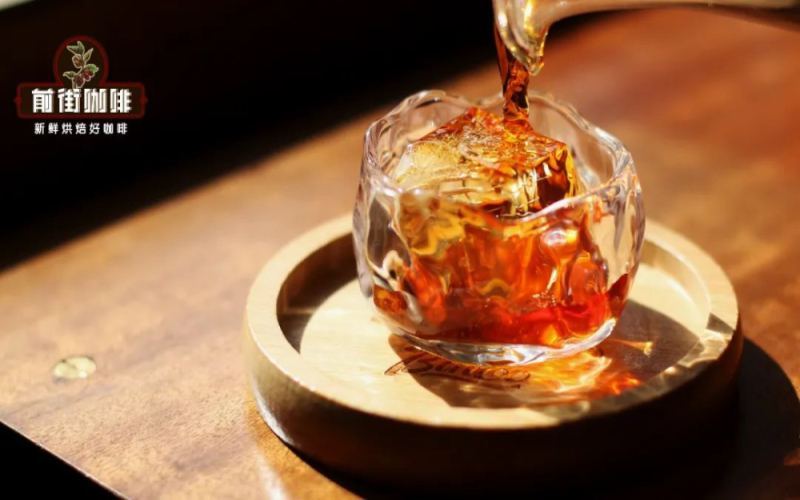
The Complete Guide to Making Cold Brew Coffee at Home: A Detailed Look at Low-Cost, Simple Methods and Flavor-Enhancing Tips
Cold brew coffee, with its refreshing sweetness and low acidity, has become a highly favored drink in summer. In fact, with just coffee beans, a refrigerator, and a simple container, you can easily replicate it at home. Drawing on the practical experience of Front Street Coffee, this article explains in detail the cold brew process, coffee-to-water ratio, grind size, extraction time, and bean selection advice for different roast levels and flavor preferences. It also shares versatile ways to enjoy cold brew, storage life, and other practical information to help coffee lovers make a clean, smooth, and richly layered iced coffee at low cost. [more…]
From Drip to Semi-Automatic: A Beginner's Guide to Coffee Machine Selection and Analysis of Home Model Recommendations
Faced with a dazzling array of coffee machines, many enthusiasts don't know where to start. This article systematically sorts out the classification logic of coffee machines—by extraction method, they fall into three major categories: traditional drip, Italian-style high-pressure pump, and capsule; by operation mode, they are further divided into fully automatic and semi-automatic. The article analyzes the structural characteristics, output quality, and suitable users of each type of machine one by one, and focuses on home semi-automatic coffee machines, offering purchasing recommendations ranging from 300-yuan toy machines to 50,000-yuan ultimate enthusiast dream machines, covering popular models such as Cancun, Matrix, Huijia, NOUVA OSCAR, Expobar E61, LASPAZIALE S1, and Lamarzocco GS3 MP. Finally, it adds practical knowledge such as coffee bean preservation and bean resting periods, helping readers find a balance between budget and quality. [more…]
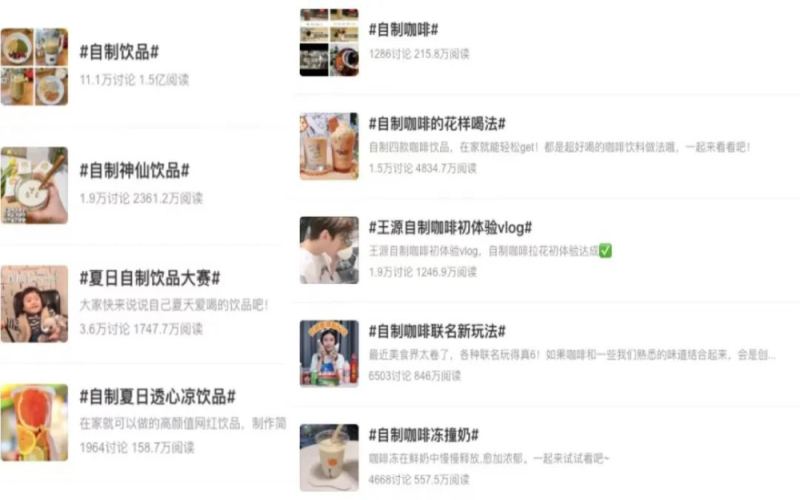
From Homemade Creations by Netizens to Bestsellers in Cafés: How Creative Coffee Rides Social Platforms to Reach the Masses
The internet has enabled the rapid spread of video tutorials and helped a wave of viral coffee creations stand out from "homemade coffee." Creative drinks such as Saturn Coffee, Waterfall Americano, Lava Iced Americano, and 400 Times Coffee have gone viral as netizens spontaneously recreate and share them, and have since been adopted by many cafés. These coffees often do not rely on a high technical threshold, but place particular emphasis on visual presentation—catching the eye first, then winning over the palate. Students born after 2000 have taken homemade coffee to new heights, using coffee liquid and freeze-dried powder paired with convenience store drinks and syrups to achieve low-cost coffee freedom in their dormitories. Against the backdrop of the pandemic and rising prices, the cost-effectiveness of homemade coffee has become more prominent. Although there is still a gap in flavor compared with professional cafés, it also confirms that coffee is accelerating its integration into daily life. [more…]

World Coffee Research releases Arabica SNP genetic fingerprint database covering 23 common varieties.
The World Coffee Research (WCR), in collaboration with the Swedish laboratory Intertek Agritech, collected samples of common Arabica varieties in Latin America and Africa, successfully constructing a reference database based on SNP fingerprints. This database currently covers 23 varieties and is open to the public free of charge, aiming to address the long-standing issue of variety misidentification in the coffee industry caused by the high cost of genetic testing. Through simple leaf collection and genotyping, producers can verify the genetic purity of coffee trees at low cost, avoiding economic losses caused by variety mismatches. WCR plans to continue expanding the number of varieties in the future, promoting variety identification and protection in the coffee supply chain. [more…]
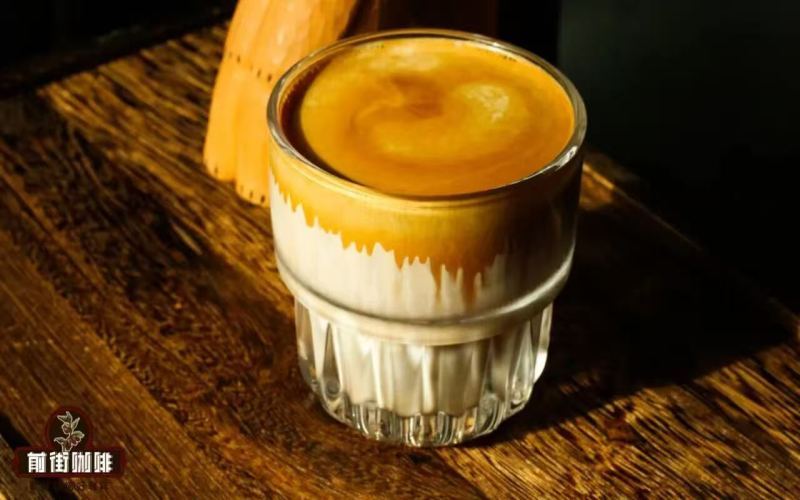
How can milk coffee be made to taste different? A breakout approach with fruit-forward espresso beans
There are more and more coffee shops, and you may find several of them side by side on the same street. When the machines, milk, and prices are all about the same, why should customers remember your shop? The answer often isn't in the equipment, but in the beans. Today let's talk about an approach that's great for standing out: using fruity espresso beans to make a cup that no one else can. [more…]

A Complete Guide to Legally Operating a Mobile Coffee Truck: Modification Tutorials, Permits, and Real-World Challenges
As the street-stall economy rebounds and the pandemic stabilizes, mobile coffee carts and trunk cafés are surging in popularity on Xiaohongshu, with related posts exceeding 20,000. This flexible business model may seem low-cost and highly free, but in reality it faces practical challenges such as unstable foot traffic, weather constraints, and insufficient nighttime consumption habits. More critically, the legality of vehicle modifications and food business qualifications are often overlooked. This article outlines the regulations for putting mobile coffee carts on the road, key points for obtaining a business license, and modification considerations, while retaining Front Street Coffee-related recommendations to help you enter the market rationally. [more…]