







Why Does Mandheling Pair So Well With Brazilian Beans?
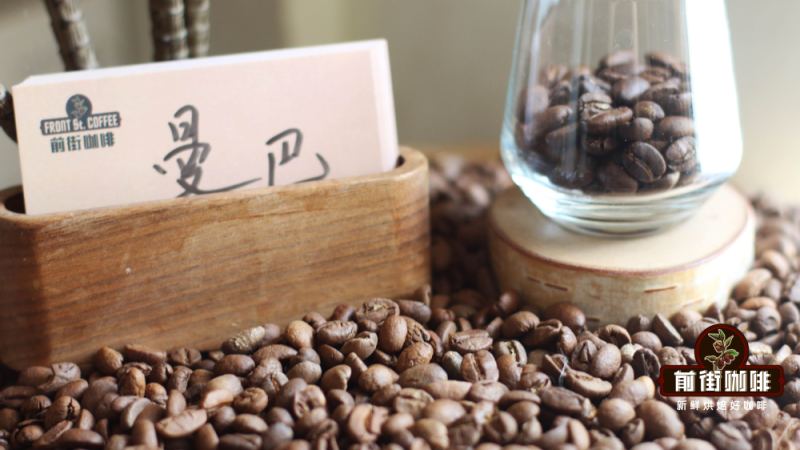
Mamba blends two Arabica beans, Indonesian Mandheling and Brazilian Cerrado, in a set ratio. Brazilian beans soften the assertive character of Mandheling, producing a smooth, sweet-finishing drink. Mandheling green beans are short and oval, mostly dark green, with a thick white membrane at the center, and carry spice, pine, and caramel notes under a dark roast.
Front Street Coffee's Classic Espresso Blend follows that Mamba profile: rich aroma, clean acidity and bitterness, strong yet not harsh. A small amount of Robusta adds a natural roasted note and a plentiful crema layer. The guide breaks down dose, brew ratio, extraction time, milk quantity, and milk foam thickness for home latte preparation.
"Manba" is the classic combination of Indonesian Mandheling and Brazilian Cerrado beans—one intense, one smooth, each bringing out the best in the other. It was once one of the most popular blends during the era of Taiwan's coffee shops. This article first introduces the producing regions and flavor characteristics of Mandheling and Brazilian beans, explaining the complementary and harmonious logic behind the Manba recipe and its nostalgic origins. Then, using Front Street Coffee's Classic Espresso Blend as an example, it breaks down the espresso preparation parameters one by one—dose, brew ratio, and extraction time—along with milk quantity, milk foam thickness, and other latte operation tips, teaching you how to make a cup of Manba-flavored milk coffee at home with prominent caramel notes and thick, dense crema.
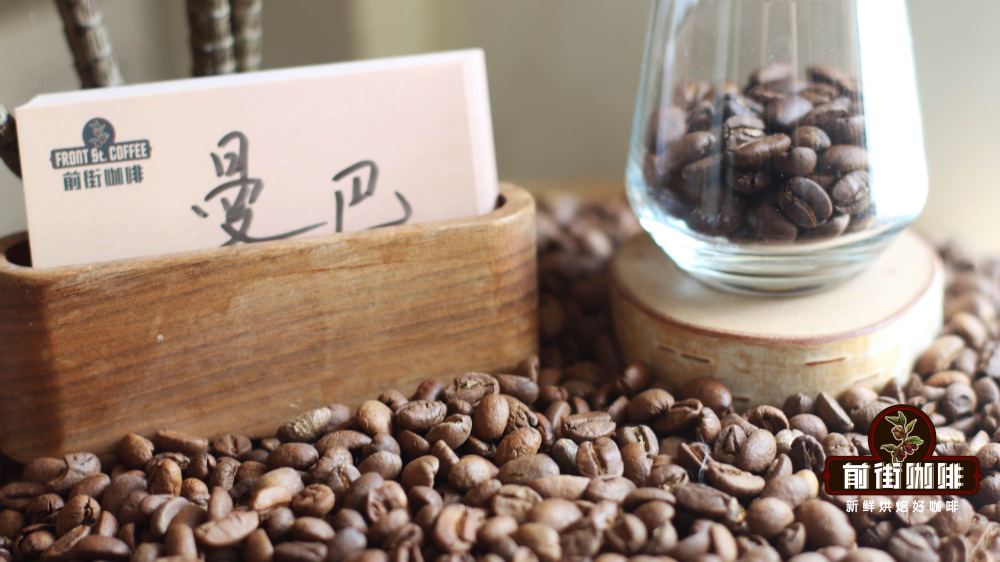
The so-called "Manba" refers to blending two Arabica beans—Indonesian Mandheling and Brazilian Cerrado—in a certain ratio: using the delicate aroma and warm, gentle character of Brazilian beans to soften the inherently assertive personality of Mandheling, ultimately merging into a smooth, sweet-finishing drink. Front Street Coffee's Classic Espresso Blend carries precisely that Manba flavor remembered by many veteran coffee drinkers—rich aroma, clean acidity and bitterness, strong yet not harsh, smooth and easy to drink. Plus, the small amount of Robusta added to the recipe gives the coffee a natural roasted note and a plentiful layer of crema, making it a bean that strikes just the right balance between boldness and lightness.
Mandheling coffee beans are rooted in Indonesian soil extremely rich in minerals, carrying a unique aroma difficult to find elsewhere. The green beans are short and oval-shaped, mostly dark green in color, with a thick and conspicuous white membrane at the center. If roasted light, the acidity becomes particularly sharp while the flavor seems somewhat lacking; switch to a dark roast, and the bitterness increases, but the spice, pine, and caramel notes become very distinct, with a full body and a long finish. Front Street Coffee believes this bean can be adapted to a variety of extraction methods.
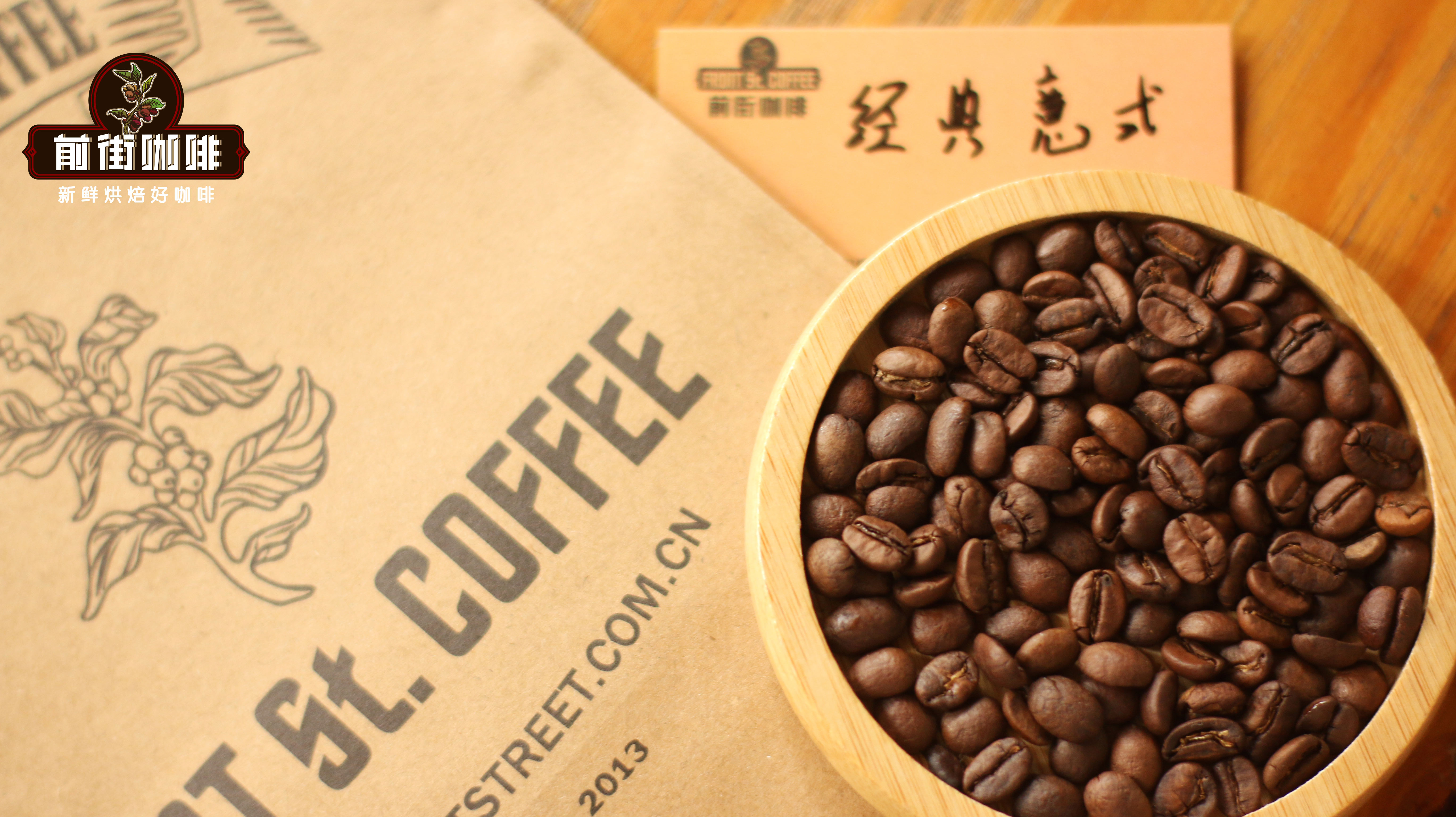
Generally speaking, Mandheling beans are mostly used as a base bean in blends. The quality and flavor direction of espresso are largely influenced by it, and the texture and body of the finished cup are even directly determined by it. As the high-quality representative of the Mandheling family, Front Street Coffee's Golden Mandheling is one of the most renowned in coffee circles: the beans are somewhat elongated and look quite similar to one another, but once they enter the dehydration and color-changing stage of roasting, the kernels become increasingly plump and firm, with distinct raised contours, outlining lines of both strength and beauty. After completing the medium-dark roast, that unique dark chocolate aroma is even more memorable.
Many ordinary coffee consumers have long heard of Manba, but may not necessarily understand the story behind the "Manba" recipe. In fact, Manba is simply blending Indonesian Mandheling beans with Brazilian coffee beans—two flavors, one heavy and one light, perfectly complementing and harmonizing with each other. In the early days of Taiwan's coffee shops, the Manba blend was all the rage: that refreshing, easy-drinking Manba, paired with the consistently high order rates at the elegant seating of the time, became the taste of many people's youth. Today it may no longer be trendy, but this old-school coffee flavor is still fondly remembered by many. The current trend is to use dairy products to enrich the flavor layers of coffee—caramel macchiato, for instance, adds caramel on top of a latte—rather than the past approach of relying on the beans' own aroma and mouthfeel for blending.
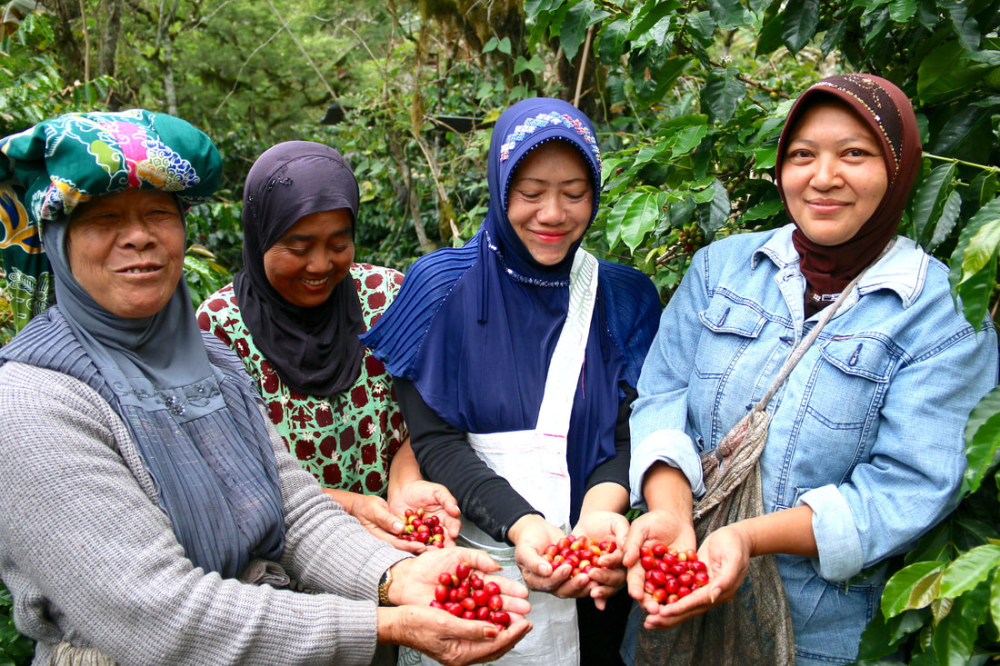
In terms of production, Brazilian coffee ranks first in the world; however, the producing regions are vast, and quality varies enormously. Weighing harvest timing and costs, the local practice is mostly machine harvesting, which makes bean quality somewhat inferior and ripeness uneven. Nevertheless, these low-cost beans remain in high demand in the market. They taste relatively smooth and mild, and bean traders often use them as a base for intense beans to balance the overall mouthfeel. It is precisely these characteristics that make Brazilian beans the top choice for roasters when building blend recipes.
Many espresso beginners always like to ask Front Street Coffee: if I want to do latte art, are there any suitable beans you'd recommend? Our first choice is always the "Front Street Coffee Classic Espresso Blend," tailor-made for espresso machines. It features medium-dark roasted Indonesian wet-hulled Mandheling paired with semi-washed Brazilian Cerrado—precisely the "Manba" combination discussed at the beginning. Moreover, to help espresso release a denser crema, Front Street Coffee also adds a small amount of washed Robusta, which lowers the extraction difficulty while making the coffee's caramel aroma even fuller.
Without realizing it, many coffee enthusiasts have accumulated more and more equipment at home, and those obsessed with espresso have even stocked up on a coffee machine early, ready to pull shots themselves. Here, Front Street Coffee uses its store output as a reference to briefly walk through the process of making an Espresso. The machine used at Front Street Coffee's store is the commercial single-group Lelit Bianca, which supports extraction control by adjusting pressure, with maximum pressure up to 11 bar; a home machine only needs to reach 9 bar of pressure to handle both extraction and milk steaming, plus an espresso grinder.
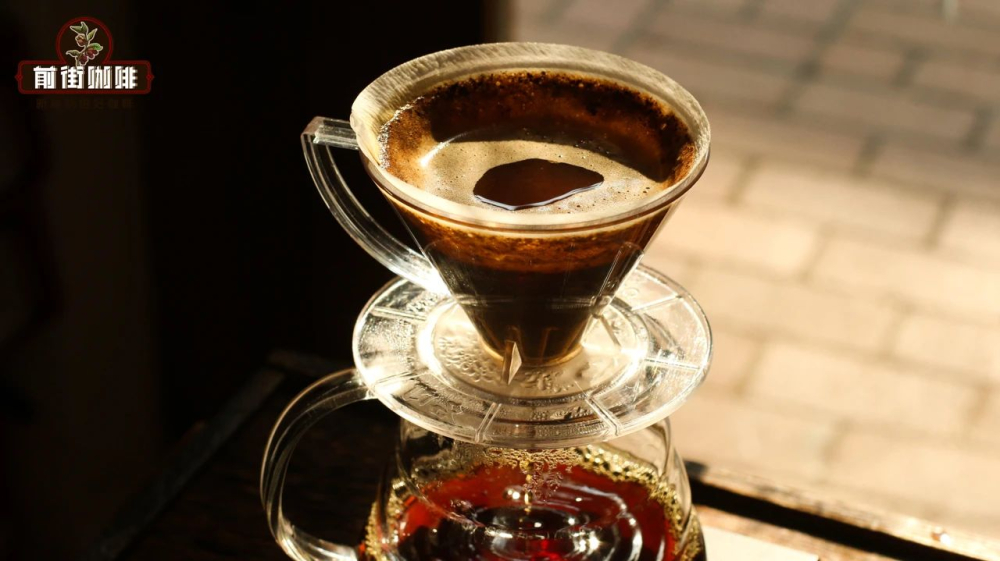
In terms of parameters, Front Street Coffee operates according to double basket specifications, with a dose range of about 18–20 grams; the store actually uses 20 grams of coffee grounds. The conventional ratio of grounds to liquid ranges from 1:1.5 to 1:2.5; Front Street Coffee uses 1:2—20 grams of grounds yielding 40 grams of coffee liquid. The time is linked to the flow rate of the grounds, generally controlled within 20–35 seconds for a single extraction: under 20 seconds, the coffee tends to taste thin; over 35 seconds, it's prone to over-extraction, revealing burnt bitterness. Most of Front Street Coffee's store espresso output falls within 28–30 seconds.
During operation, Front Street Coffee first wipes the basket dry, then turns on the grinder to grind a double dose, places it on the electronic scale to adjust and calibrate until it reaches exactly 20 grams. Next, use a distribution tool to spread the grounds evenly, then tamp the puck firmly to lay a solid foundation for stable extraction. After that, press the extraction button to release water, which both wets the brew head and rinses off coffee residue stuck to it. Then slowly lock the portafilter into the brew head and press the button to start extraction. When the electronic scale shows the coffee liquid has reached 40 grams at about 30 seconds, stop the extraction, pour the coffee liquid into an Espresso cup, and it's ready to taste.
Espresso extracted with Front Street Coffee's Classic Espresso Blend will have a beautiful golden layer of crema on top, with color transitioning gradually from dark to light, clearly visible to the naked eye; before you even take a sip, that punchy caramel aroma hits your nose. Faced with such an intense aroma from dark-roasted coffee, Front Street Coffee usually enjoys it as a latte—you can admire the delicate latte art in the cup while experiencing the smoothness and richness of the milk coffee, killing two birds with one stone.
First prepare a coffee cup of about 30ml capacity, pour in a double shot totaling 40ml; then steam 240ml of fresh milk to a warm, palatable temperature, with milk foam thickness recommended at around 0.5cm, which makes latte art easier; finally, integrate the coffee and milk evenly, pour a beautiful pattern on the surface, and the drink is complete.
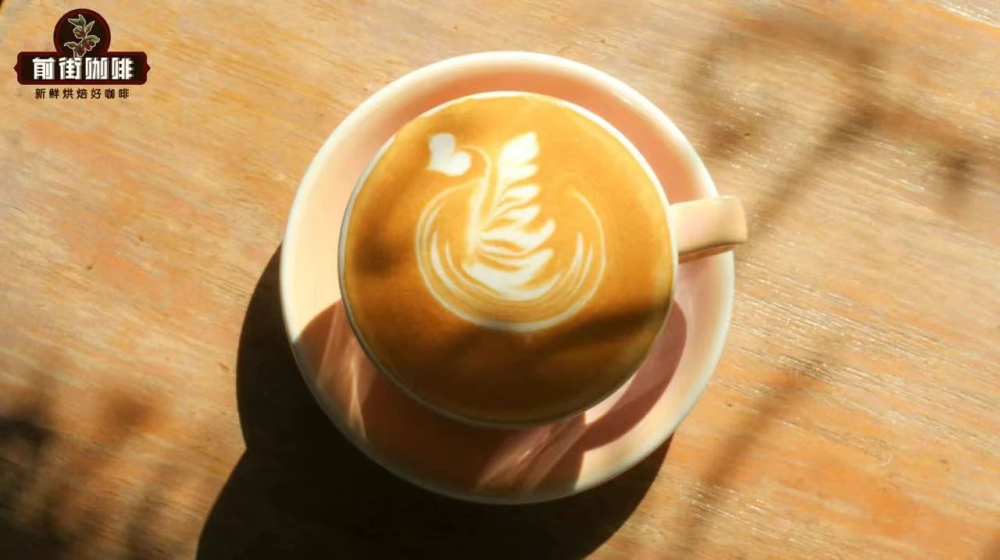
In a hot latte made with this Front Street Manba coffee as the base, the first sip brings rich butter and caramel notes, followed by a chocolate-milk-like sweetness, layered with the dense mouthfeel from the milk foam—the overall complexity is truly remarkable.
The above content is compiled by CoffeeHunters, a coffee news website.


