







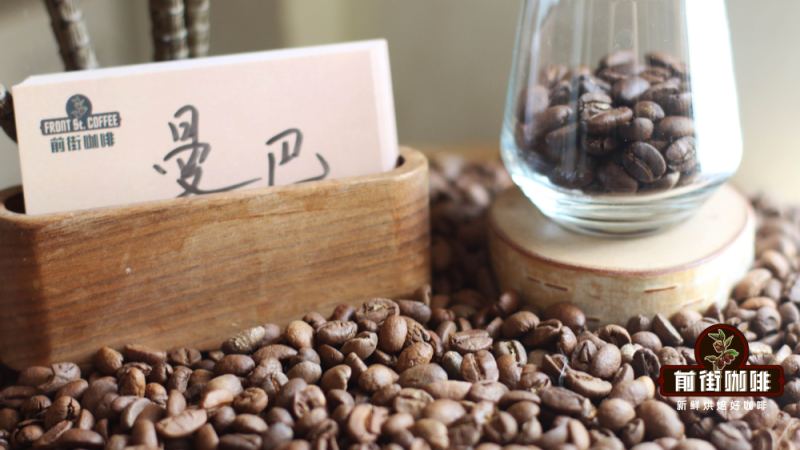
Mamba coffee is a classic combination of Mandheling and Brazilian beans. It was once popular in Taiwanese coffee shops in the early years and remains an important base in espresso blends today. Mandheling comes from Indonesia, where the mineral-rich soil gives it a unique aroma. After dark roasting, spice, pine, and caramel flavors stand out, with a full body. Brazilian beans have the world's highest production and a smooth taste, often used as a base bean to balance the palate. The two complement and harmonize with each other, suitable both for pulling Espresso on its own and for making latte art. Drawing on Front Street's experience, this article introduces the flavor characteristics of the Mamba blend, the composition of Front Street Classic Blend coffee beans, and the Espresso extraction parameters along with the specific method for a hot latte. It is a useful reference for enthusiasts who want to make espresso drinks at home.
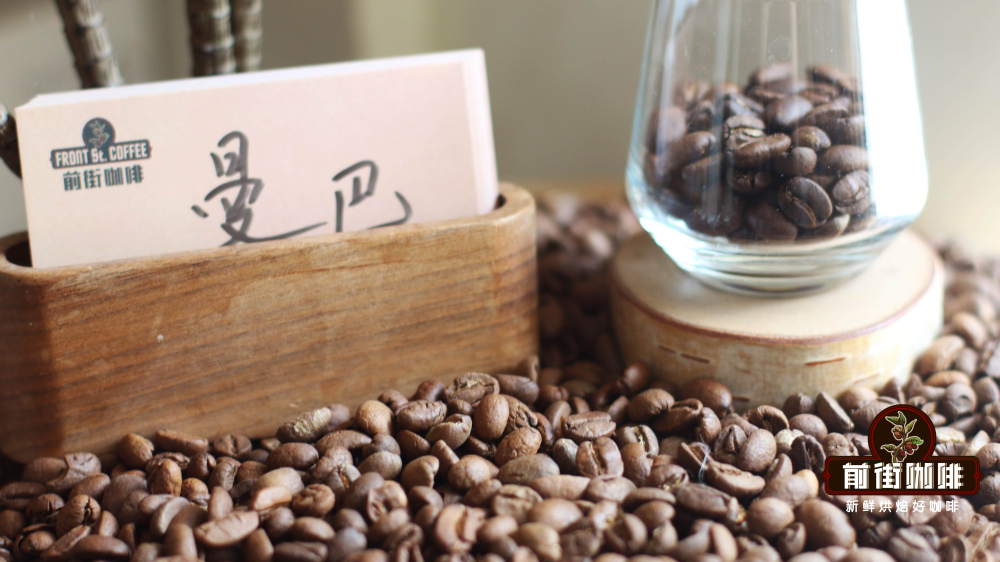
The name "Mamba," when broken down, is simply Mandheling plus Brazil—a classic recipe made from two single-origin coffees, frequently used in extraction with Donburi espresso machines. To give everyone a more complete understanding of this combination, Front Street will now discuss this flagship coffee bean and the flavor characteristics that emerge when the two are paired.
Mandheling coffee beans come from Indonesia, where the mineral-rich soil of the growing environment gives them a unique aroma. The bean shape is on the short and oval side, usually dark green in color, with a relatively thick and prominent white membrane along the center line. If the roast is on the lighter side, the acidity stands out but the flavor seems flat; after switching to a dark roast, the bitterness becomes relatively heavier, but the aromas of spice, pine, and caramel become clear, the body is full, and the aftertaste lingers long enough, so Front Street considers it suitable for a variety of extraction methods.
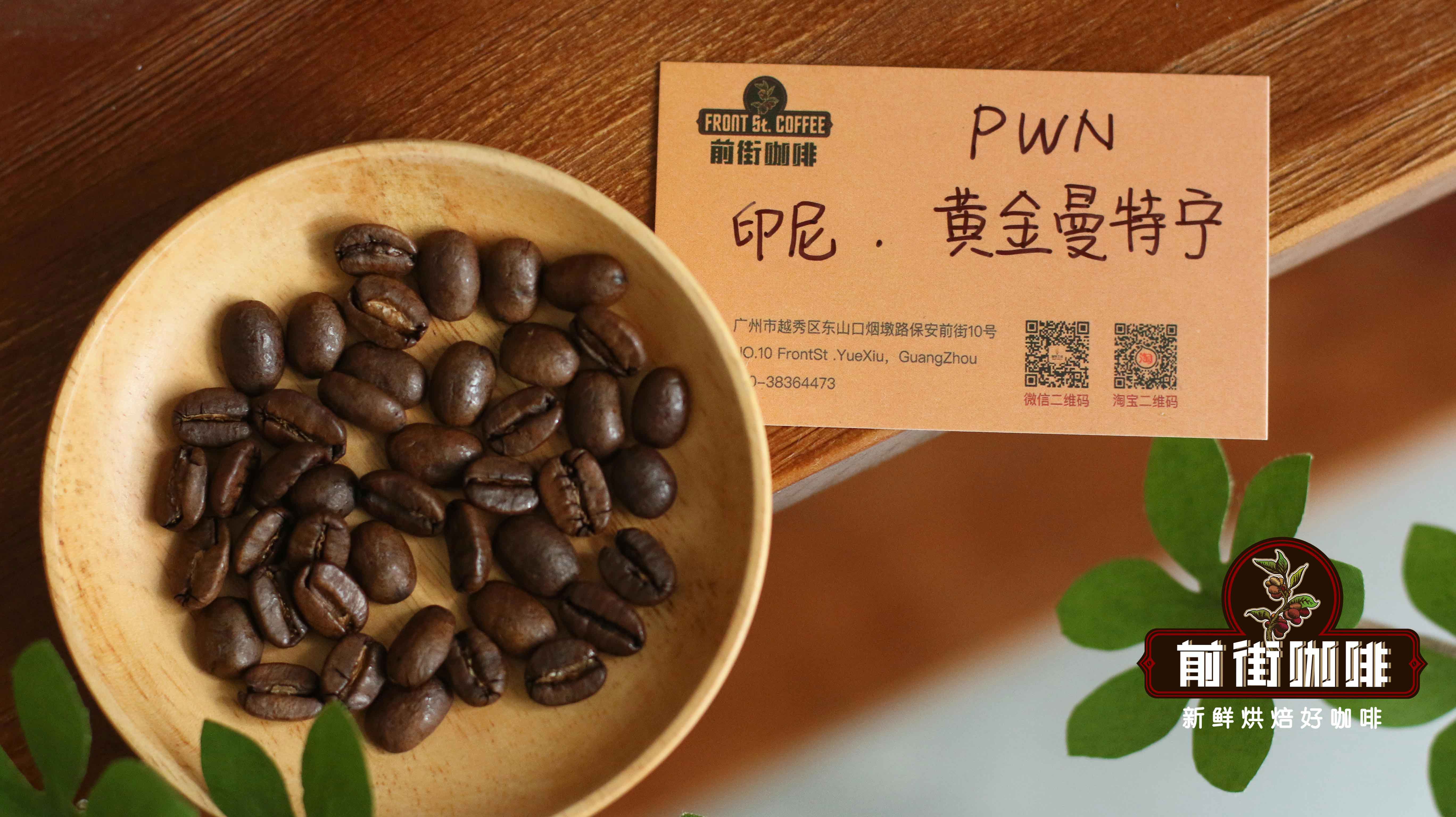
Generally speaking, Mandheling beans serve as one of the base components in a blend. They influence the quality and mouthfeel of the espresso, and even directly determine the texture and body of the final product. As a high-quality representative among Mandheling coffees, Front Street Golden Mandheling coffee has a top-tier reputation in the industry. The beans are relatively long and similar in appearance, but during the roasting process as they dehydrate and change color, they become plump and firm with prominent bulges, displaying lines of strength and beauty. After a medium-dark roast, the unique black chocolate aroma is unforgettable.
Most coffee enthusiasts have only heard of Mamba coffee but are not quite clear on its recipe and origins. In fact, Mamba is simply Indonesian Mandheling beans combined with Brazilian coffee beans. The taste has both light and heavy elements, allowing them to complement and harmonize with each other. In Taiwan's early coffee shops, Mamba blends were very popular. The refreshing, easy-drinking Mamba offerings and the high order rates at the elegant seating back then made it a youthful beverage for many people. Today it may no longer be trendy, but there are still those who miss this old-school coffee flavor. Currently, the more popular coffee items enrich the flavor with dairy products, such as caramel macchiato, which is a latte plus caramel combination, rather than blending based on the coffee beans' own aroma and mouthfeel as in the past.
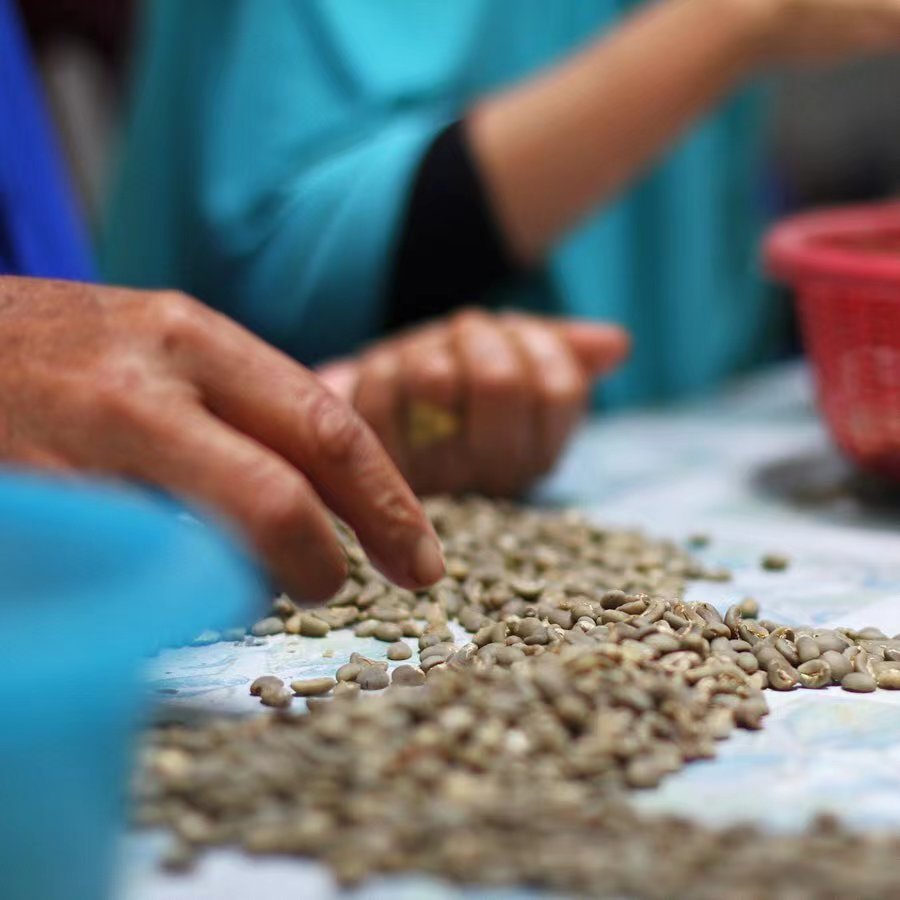
Brazilian coffee ranks first in the world in production. The country is vast, and quality varies widely. Because harvest timing and costs must be considered, machine harvesting is mostly used, so quality is secondary and ripeness is inconsistent. However, low-cost beans are in high demand in the market. They taste relatively smooth, and bean merchants use such beans as the base for intense blends to balance the mouthfeel and palate. These factors are exactly why Brazilian beans are the best choice for roasters when launching a blend.
Many beginners just getting into espresso always ask Front Street whether there are coffee beans suitable for latte art. For this, we prioritize recommending Front Street Classic Blend coffee beans, custom-made for espresso machines. It uses two beans: medium-dark roasted Indonesian wet-hulled Mandheling and Brazilian semi-washed Cerrado—the "Mamba" recipe mentioned at the beginning. Moreover, to give the espresso a denser crema, Front Street also adds a small amount of washed Robusta, which reduces extraction difficulty while making the caramel aroma even fuller.
Many coffee enthusiasts have不知不觉 equipped their homes with numerous coffee tools, and those obsessed with espresso have even stocked up on espresso machines, ready to extract by hand. Here, Front Street uses its store's espresso production as a reference to briefly explain how to make an Espresso. Front Street's store coffee machine is a commercial single-group "Lelit Bianca," which can adjust extraction by changing pressure, with a maximum pressure of 11 bar. A home coffee machine only needs to reach 9 bar of pressure to satisfy both extraction and milk frothing functions, paired with an espresso grinder.
Front Street uses a double basket capacity, with a dose of about 18–20 grams; Front Street uses 20 grams of coffee powder when producing. Typically the ratio of coffee grounds to coffee liquid is 1:1.5 to 1:2.5, and Front Street's extraction ratio is 1:2, meaning 20 grams of coffee grounds extract 40 grams of coffee liquid. Time is related to the flow rate of the coffee grounds. Generally, a single extraction duration is controlled at 20–35 seconds, because within 20 seconds the coffee usually tastes thin, while exceeding 35 seconds easily leads to over-extraction and a burnt bitter taste. Front Street's espresso mostly falls within the 28–30 second range.
Front Street first wipes the basket dry, turns on the grinder, grinds a double dose of coffee grounds, places it on an electronic scale to adjust up or down until reaching 20 grams. Then use a tool to distribute the grounds evenly, tamp the coffee puck firmly to ensure more stable extraction. Then turn on the extraction switch to release water, moistening the brew head while washing away stuck coffee grounds. Gently and slowly lock the portafilter onto the brew head, and begin the extraction. When the electronic scale shows 40 grams of coffee liquid extracted at about 30 seconds, you can pull down the extraction switch. Pour the coffee liquid into an Espresso cup and enjoy.
The espresso made with Front Street Classic Blend coffee beans has a beautiful golden crema, visibly transitioning from dark to light, and before drinking you can smell a strong caramel aroma. For the rich aroma of this type of dark-roasted coffee, Front Street generally enjoys it in latte form, which not only lets you admire the exquisite latte art pattern but also feel the full, silky smoothness of the milk coffee—two benefits in one.
First find a coffee cup with a capacity of about 30ml, pour in a double shot of 40ml espresso, then steam 240ml of fresh milk to a warm, palatable state. Note that it is best to control the milk foam thickness at 0.5cm, which makes latte art easier. Finally, blend the two evenly and push out a nice pattern to complete the drink.
The hot latte made with Front Street Mamba coffee has a rich buttery and caramel aroma on the palate, accompanied by the sweetness of chocolate milk and the dense, velvety feel brought by the milk foam, giving it a rich mouthfeel.
The above content is compiled by CoffeeHunters, a coffee news website.


