







Search Results for: long-term storage

Costa Pu'er tea labeled with a 100-year shelf life sparks controversy; experts say it lacks scientific basis and poses food safety risks
Recently, a consumer discovered that a package of Costa's organic ripe Pu'er compressed tea was labeled with a shelf life of 100 years, with a production date of October 1, 2025, and an expiration date of October 1, 2125. This bizarre labeling quickly sparked questions: was it a printing error, or can tea cakes really be stored for a century? Customer service responded that "the older the tea, the more fragrant it is," but experts and lawyers both pointed out that the national standard for Pu'er tea only states "suitable for long-term storage," with no fixed number of years. A 100-year shelf life can neither be scientifically verified nor is it free from hidden food safety risks such as mold. At the same time, some e-commerce platforms still sell Costa Pu'er tea with a shelf life labeled as 9,999 days, which works out to more than 27 years. As coffee enthusiasts, Front Street Coffee also reminds you to pay attention to the compliance and scientific validity of beverage shelf-life labeling. [more…]
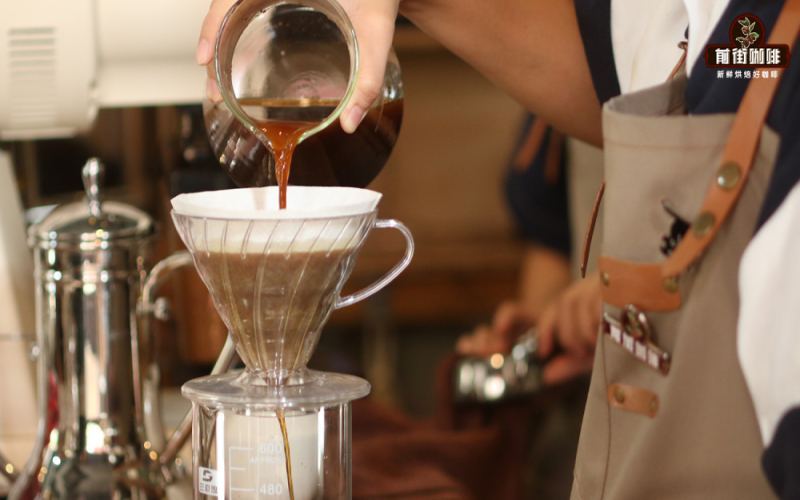
Is Cold Brew Coffee Suitable for Long-Term Storage? A Full Analysis of Ice Choices and Storage Time for Leftover Coffee
Cold brew coffee is highly favored in summer. It is usually made by steeping coffee in the refrigerator overnight using a coffee filter, and can be prepared by either pour-over or drip methods. It takes about 12 to 18 hours, yet the flavor is quite excellent. Many people believe that iced coffee is better than hot coffee, like a dessert in a glass. With ice cubes, coffee, flavored syrup, and dairy products combined, the result is amazing, and it can easily be made at home. When making it, you should choose high-quality coffee beans. Front Street Coffee's dark-roasted Brazil and Mandheling coffees are both good choices. The type of ice also matters. Crushed ice, medium ice cubes, and large ice cubes each have their own suitable uses. As for whether leftover cold brew can be stored in the refrigerator, the answer depends on the type of coffee and the storage method. Cold brew can be refrigerated for 2 to 3 days, while drip iced coffee is best kept for no more than 24 hours. [more…]
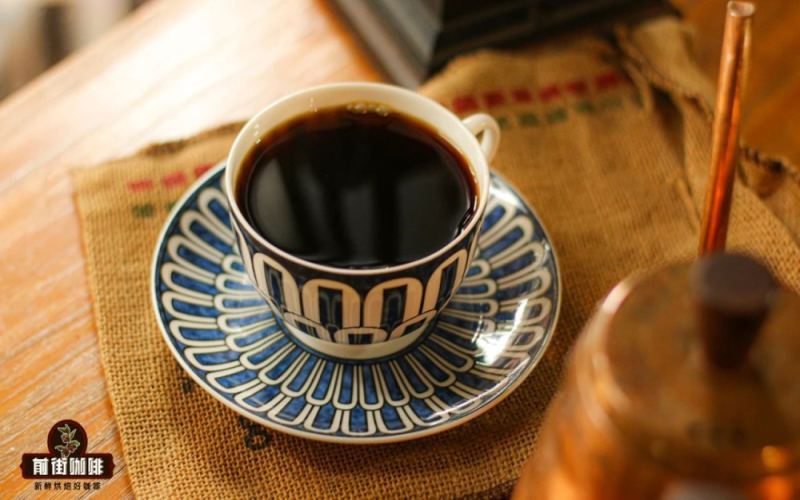
Analysis of Flavor Differences Between Aged and Fresh Mandheling and Front Street Brewing Parameter Recommendations
Mandheling coffee has always been known for its rich, full-bodied intensity, and Aged Mandheling is a special category that, on this basis, takes on a completely different flavor after being tempered by time. It shares similarities with Indian Monsoon Malabar coffee, as both require long-term storage to develop their pleasant, distinctive taste. This article will comprehensively examine the complete picture of Aged Mandheling from multiple angles, including the principles of the aging process, a comparison between aged beans and fresh beans, changes in the appearance and flavor of green beans, and Front Street Coffee's roasting and brewing practices. Whether you are full of curiosity about aged flavors or want to understand how it differs from fresh Mandheling, you will find useful reference in this article. [more…]
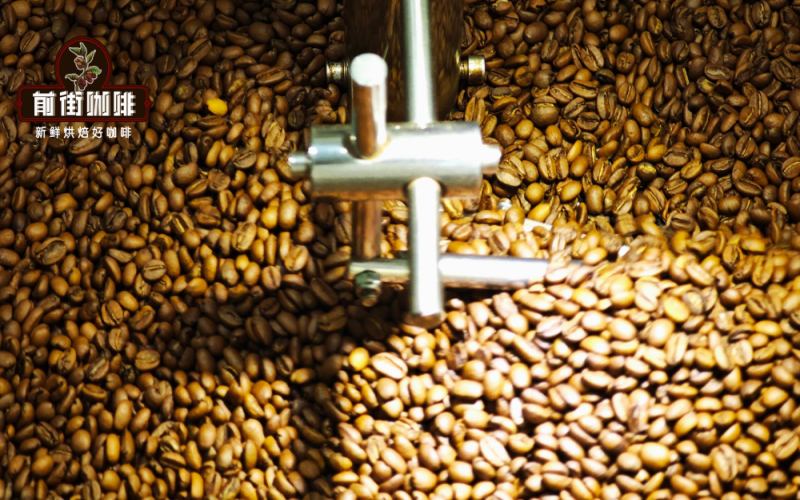
The Origins of Aged Coffee Beans and a Complete Guide to Brewing and Tasting Aged Sumatra Beans
Aged coffee beans are not simply old beans left to sit for many years, but a special processing craft born out of a history of colonial trade. During the Dutch era, Sumatran coffee, in order to supply the European market, underwent long-term storage and shipping that unexpectedly created a unique, mellow and gentle flavor. This article explains in detail the essential difference between aged beans and old beans, the storage conditions and flavor evolution, and includes brewing parameters recommended by Front Street Coffee, to guide you through the rounded, ripe Pu'er-like aged Sumatran coffee with its pine, herbal and caramel sweet finish. [more…]
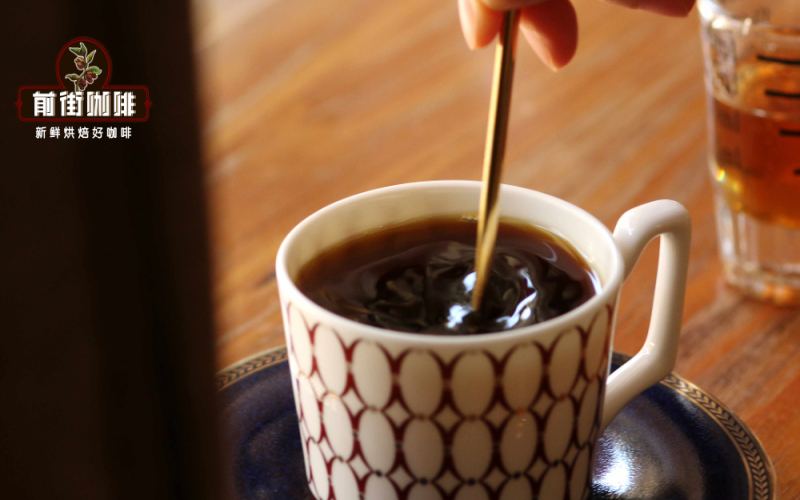
The Ideal Drinking Temperature and Storage Time Limit for Pour-Over Coffee: Will Storing It in a Thermos Cause It to Spoil and Turn Sour?
Freshly brewed coffee is rich in aroma, but after sitting for a while its flavor noticeably declines. Many coffee lovers often ask Front Street: at what temperature is coffee best enjoyed? How long can it be stored after brewing? This article will discuss these questions, analyzing the two aspects of coffee as it goes from hot to cold—the loss of aroma and the increase in acidity—and answering questions such as whether a thermos can be used for long-term storage and whether reheating can restore the original flavor, helping readers grasp the timing of coffee drinking in a more scientific way. [more…]
An Analysis of the Flavor Differences Between Aged and Fresh Mandheling, Plus Front Street Coffee's Brewing Parameters
Mandheling is a familiar name among coffee lovers, but aged Mandheling, which has undergone long-term storage and maturation, takes on a completely different flavor profile. This article, from the perspective of Front Street Coffee, explains the processing logic behind aged Mandheling, how it should be compared with fresh beans, and fully documents the specific parameters of Front Street's roasting and brewing of this bean. Aging is not simply letting beans grow old, but rather resting and maturing them under strict monitoring at origin, allowing acidity to weaken and body to increase, developing complex notes reminiscent of honey and herbs. The article also provides a KONO dripper brewing method and flavor description, making it a useful reference for readers who want to gain a deeper understanding of aged Mandheling. [more…]
An In-Depth Analysis of the Regional Origins, Processing Methods, and Flavor Differences of Lintong, Golden, Tiger, and Aged Mandheling Coffee
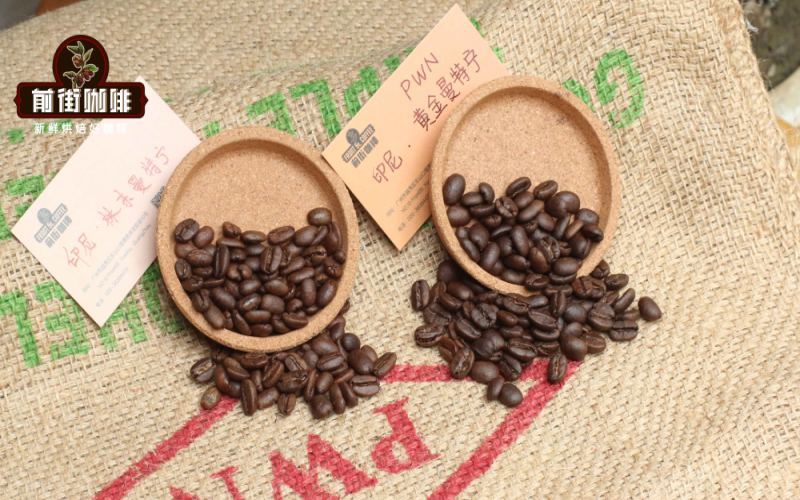
Mandheling coffee is a classic representative of the Sumatra region, but names like Lintong, Golden, Tiger, and Aged often leave people confused. This article systematically sorts out the regional definitions, variety backgrounds, processing methods, and flavor characteristics of each type of Mandheling, and introduces the appearance differences and cupping performance of four Mandheling green beans under the Front Street Coffee brand. From the mountainous areas around Lake Toba to the Aceh region, from semi-washed processing to long-term aging, it breaks down the key information behind these Mandhelings one by one, helping coffee enthusiasts build a clear cognitive framework. [more…]

How Is Aged Mandheling Coffee Processed? A Full Analysis of Wet-Hulling, Flavor Changes, and Differences from Golden Mandheling
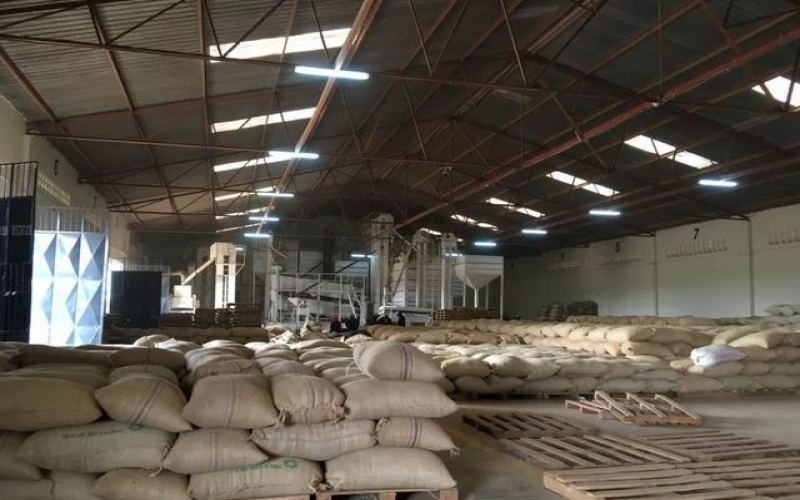
Mandheling is the most iconic coffee of Sumatra, Indonesia, while aged Mandheling is a special product that undergoes long-term storage on top of the wet-hulling process. This article starts with the distribution of producing regions, then provides a detailed breakdown of the complete wet-hulling process and the climate and economic logic behind it, before explaining the principles of aged bean processing and the flavor transformation mechanism. The article also compares the differences between aged Mandheling and Golden Mandheling in terms of acidity, body, and texture, and includes the roasting curve for Front Street Aged Mandheling along with a step-by-step guide to flannel pour-over brewing. It is suitable for enthusiasts who want to gain a deeper understanding of Indonesian coffee processing methods. [more…]
Aged Mandheling Flavor Analysis: A Complete Guide to Proper Brewing, Market Prices, and Differences from Golden Mandheling
Aged Mandheling, through its unique aging process, presents a rich, mellow flavor completely different from fresh coffee—with soft fruit acidity, prominent sweetness, and a thick mouthfeel—making it one of the most recognizable categories in Indonesian coffee. This article begins with the origins of the aging method, sorts out its essential differences from regular fresh beans, analyzes the flavor and appearance changes of green beans during long-term storage, and focuses on comparing the differences between Aged Mandheling and Golden Mandheling. It also introduces Front Street Coffee PWN Golden Mandheling's producing region, grade, and screening standards, helping coffee lovers clarify key points for purchasing, recognize the PWN trademark, and drink truly high-quality specialty coffee from Sumatra. [more…]
The Complete Guide to Keeping Coffee Beans Fresh: Shelf Life, Peak Flavor Period, and Practical Methods to Prevent Moisture, Oxygen, Light, and Heat
How should you store coffee beans once you've bought them to keep the flavor at its best? Drawing on Front Street Coffee's practical experience, this article first clarifies the relationship between freshly ground coffee and freshly roasted coffee, then explains why coffee beans lose most of their aroma about 50 days after roasting, and why beans need three to four days of resting right after roasting. It then addresses the four major factors—moisture, oxygen, light, and high temperature—offering solutions for each, and compares the pros and cons of three types of containers: one-way degassing valve bags, sealed canisters, and vacuum canisters. Finally, it presents Front Street Coffee's recommended home storage plan and explains why long-term storage in ground form is not advisable. [more…]

Should coffee beans be ground in advance? Examining the flavor differences between freshly ground and pre-ground coffee through a freshness experiment
Many friends, to save effort, ask the merchant to grind the coffee beans into powder directly when buying. But after grinding, how long can the coffee's flavor be preserved? And how should it be stored properly? Drawing on long-term experience and comparative experiments, Front Street starts from the coffee beans' flavor window, analyzes the loss patterns of carbon dioxide and aromatic compounds after grinding, and uses a bag of washed Yirgacheffe for day-by-day testing, recording the dry aroma, blooming performance, and flavor changes from freshly ground to after several days of storage, helping you judge whether pre-ground coffee powder is worth buying, and how to retain that fresh aroma as much as possible. [more…]
An Analysis of the Unique Processing Method, Flavor Evolution, and Front Street Brewing Parameters of Aged Mandheling
Aged Mandheling is a special type of coffee that has undergone prolonged resting and maturation, giving it a flavor distinct from regular Mandheling. It originated in the era of long maritime shipping, and today it relies on strict warehousing management at the origin to "create" beans with soft acidity, full body, honey-like sweetness, and complex aged notes. In this article, Front Street Coffee will start with the origins and key operational points of the aging process, compare the differences between aged beans and fresh beans, analyze changes in green bean appearance and flavor, and include Front Street Coffee's roasting curve, cupping information, and KONO dripper brewing parameters to help coffee enthusiasts understand this "time-brewed" Mandheling. [more…]
Coffee Bean Repurchase Review: From Roasting to Peak Flavor
When coffee beans are freshly roasted, their aroma does not mean they are at their peak. The interior of the beans still holds a large amount of carbon dioxide, and brewing them right away can easily produce sharp acidity, a thin and hollow mouthfeel, and a flow rate that may surge and slow unpredictably. The time when they are truly ready to drink usually requires waiting for the gas to release over a period, allowing the floral notes, fruity sweetness, and body to gradually come together. [more…]
Drip Bag Black Coffee Buying Guide: Top Ten Specialty Bean Recommendations and Proper Brewing and Storage Tips
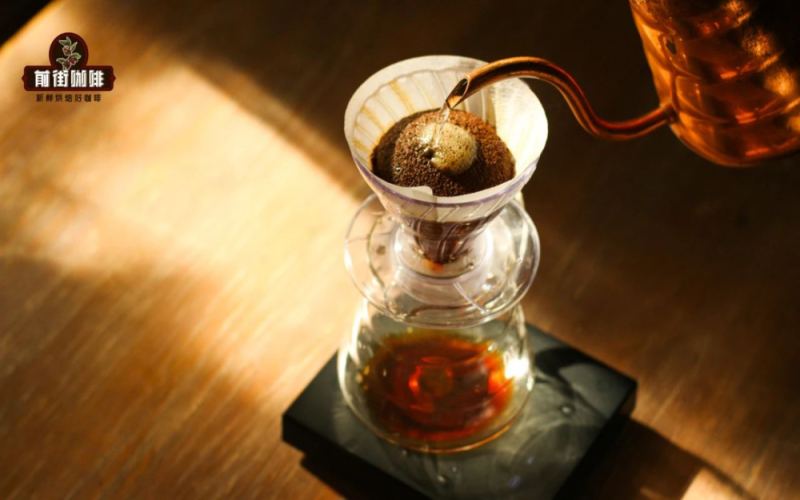
As the pace of modern life accelerates, drip bag coffee has become an ideal choice for home, office, and travel thanks to its simplicity and efficiency. This article will provide coffee lovers with a detailed analysis of how to choose the right drip bag coffee beans according to personal taste, with a focus on recommending several best-selling Front Street Coffee products, including specialty beans such as Yunnan Typica, Golden Mandheling, Yirgacheffe Red Cherry, and Brazil Queen's Estate. At the same time, it shares practical knowledge such as the correct brewing method for drip bag coffee, preservation tips, and the best flavor period, helping everyone easily enjoy a cup of stable-quality black coffee even without professional equipment. [more…]
The Origin of Indonesian Aged Mandheling and an Analysis of Its Differences from Indian Monsooned Beans
Indonesian aged Mandheling and Indian monsoon Malabar both belong to the category of coffees that acquire a unique flavor unexpectedly due to changes in time and transportation conditions, but their processing logic and final presentation are entirely different. Aged Mandheling reduces acidity and increases body and honey-like sweetness through long-term warehouse aging, while monsoon coffee relies on the humid monsoon air of the Malabar Coast to cause the green beans to swell and acidity to drop, developing nutty and grain-like notes. Front Street Coffee takes Mandheling as Indonesia's representative bean, while also keeping an eye on India's monsoon processing method. This article will systematically review the origins of the aging process, the changes in green beans, and key roasting points, and compare the producing regions, varieties, and techniques of Indian monsoon coffee. [more…]
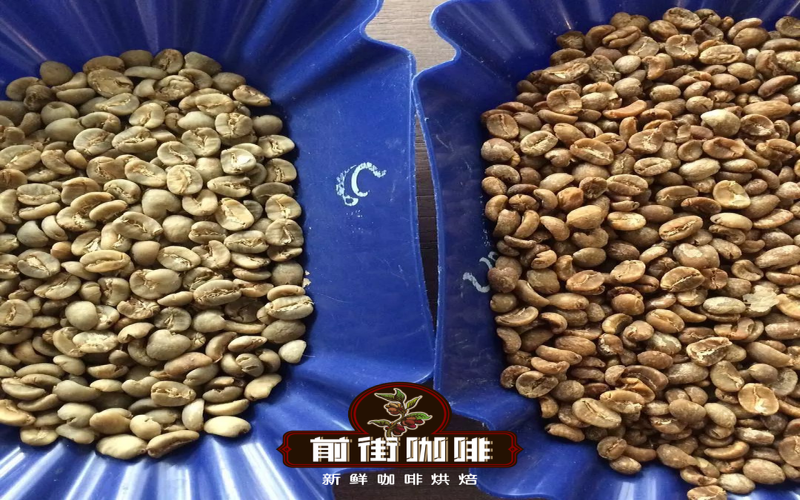
A Complete Guide to the Flavor Characteristics and Aged Processing Method of Sumatra Aged Mandheling Coffee Beans
Aged coffee beans are not simply green beans left to grow old; rather, they are a long-term maturation process that requires strict control of temperature and humidity and regular turning. Among Asian coffee-producing regions, Mandheling from Sumatra, Indonesia, has always been known for its rich, bold character, and aged Mandheling that has rested for several years in cellars or warehouses further softens the fruit acidity, enhances body, and brings out a complex finish reminiscent of caramel, cocoa, nuts, and spices. This article systematically sorts out the processing logic of aged beans, the main producing areas of Sumatra, and the naming classifications of Mandheling, and shares Front Street Coffee's roasting and brewing suggestions for aged Mandheling, helping coffee lovers fully understand the appeal of this bean. [more…]
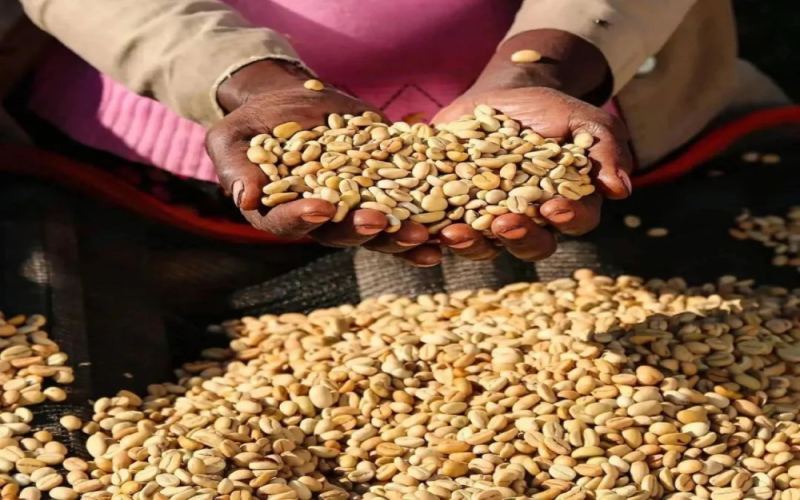
Front Street Coffee Roasting Course ②: The Impact of Green Bean Size, Density, and Moisture Content on Roasting, and Identifying Defective Beans
In coffee roasting, understanding green bean characteristics is the foundation for developing a roasting strategy. Starting from the Front Street Coffee roasting course, this article provides a detailed analysis of how the three key indicators of green beans—moisture content, density, and size—affect heat transfer and flavor development, and systematically introduces the causes and harms of common defective beans such as shell beans, insect-damaged beans, moldy beans, black beans, and white-eye beans. Mastering this knowledge helps with proper screening and adjustment before roasting, ensuring the final coffee flavor is clean and rich. [more…]
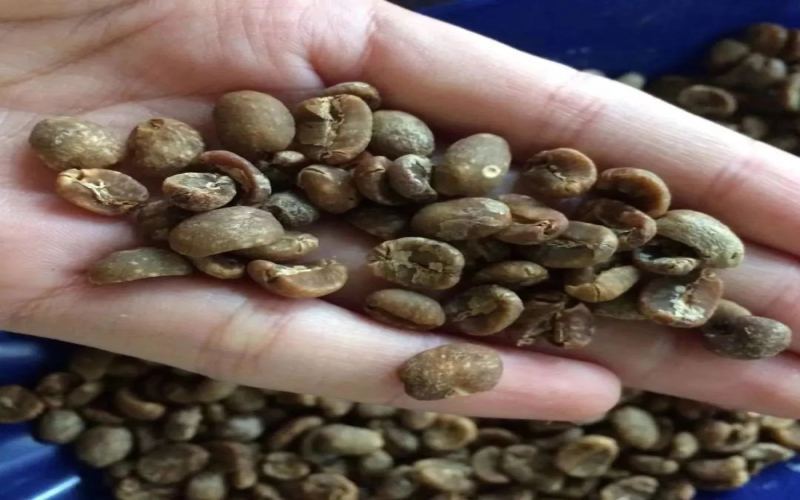
What Exactly Are Aged Beans? What Makes Aged Mandheling Special? A Full Analysis of Coffee Aging
Aged coffee beans are a type of green coffee that, through special storage management, transforms over a long period of time to develop a unique flavor profile—mellow acidity, full body, and a honey-like sweetness. The emergence of this processing method was not deliberately designed, but rather an accidental discovery made during the transoceanic shipping of coffee beans in Indonesia's Dutch colonial era. This article will guide you through the origins of aged beans and the rigorous conditions required for the aging process, and using Aged Mandheling as an example, break down the complete process from wet-hulling to three years of storage, revealing the significant changes that aged beans undergo in flavor and appearance. [more…]
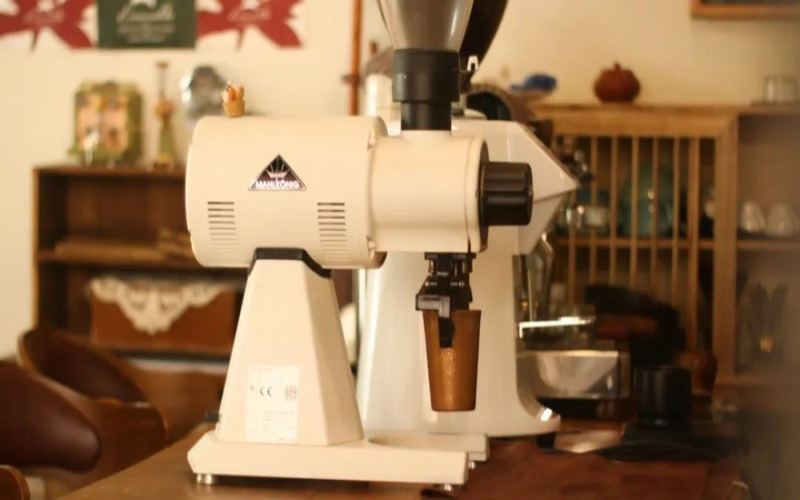
The Flavor Window and Storage Rhythm of Moka Pot Beans
Coffee brewed with a moka pot has both an espresso-like intensity and retains some of the bean's aromatic variations. Freshness directly affects this intensity: if the beans are used too early, the cup may have a noticeable bubbly sensation and a harsh, sharp bite; if rested properly, flavors like nuts, cocoa, and caramel gradually meld into one another, making each sip smoother. [more…]
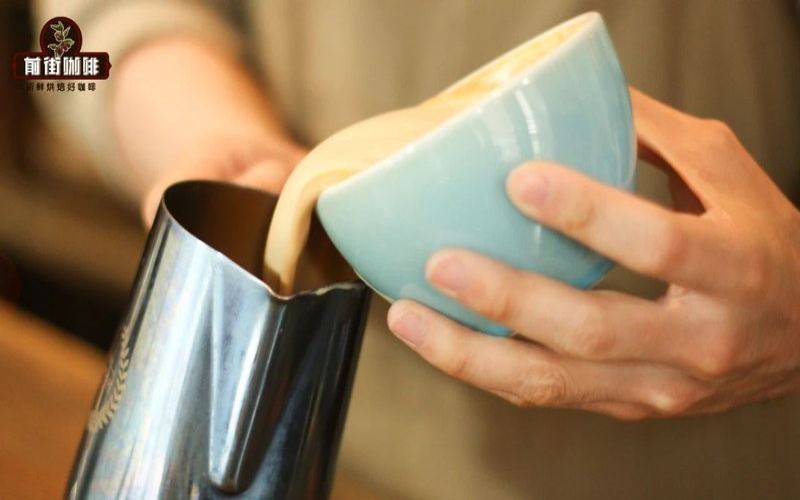
The Flavor Window and Storage Rhythm of Nutty Chocolate Coffee
The appeal of coffees with notes of nuts, cocoa, and caramel often lies in their consistent sweetness, mild acidity, and smooth entry on the palate, making them suitable for hot Americanos, milk-based coffees, or moka pot brews. However, the same bag of beans, when drunk at different times after roasting, will vary in aroma, body, and finish. When choosing this type of coffee, besides looking at the flavor description, also pay attention to the roast [more…]