







Search Results for: lineage
A Brief History of Arabica Varieties: The Variety Lineage Behind an Espresso Blend
Holding an espresso bean list in your hand, names like Mandheling, Typica, and SL28 often dazzle the eyes. In fact, they all belong to the same bean species—Arabica—just with different variety lineages. Following the lineage down, the story of each bean becomes clear. The lineage starts with two wild ancestors: E [more…]
The Flavor Spectrum of Experimental Processing Methods: From Barrel Fermentation to Anaerobic Maceration
Anaerobic natural, lactic fermentation, barrel-aged, yeast inoculation—the vocabulary of specialty coffee processing methods has exploded in recent years, and coffee menus increasingly read like a brewery's process manual. These experimental processing methods are not marketing coinages; each one corresponds to a genuine technological innovation. This article maps out the mainstream lineage and examines "flavor alchemy." [more…]
Coffee Bean Variety Guide: Understanding Typica, Bourbon, and Geisha at a Glance
In the world of coffee, origin sets the general direction, while variety determines the framework. Names like Typica, Bourbon, and Geisha often appear on bean lists, and what they look like and how their flavors differ are questions many beginners want to figure out. Typica: the ancient mother plant. Typica is a very early [more…]
The Espresso Face of Typica and Bourbon: An Italian Expression of Heirloom Varieties
On the bean lists of specialty coffee, variety names like "Typica" and "Bourbon" are appearing more and more frequently. They are two of the older major variety families in the Arabica world, and pour-over enthusiasts can recite their flavors with great familiarity, but their performance in espresso is still not much discussed. This article covers the "espresso [more…]
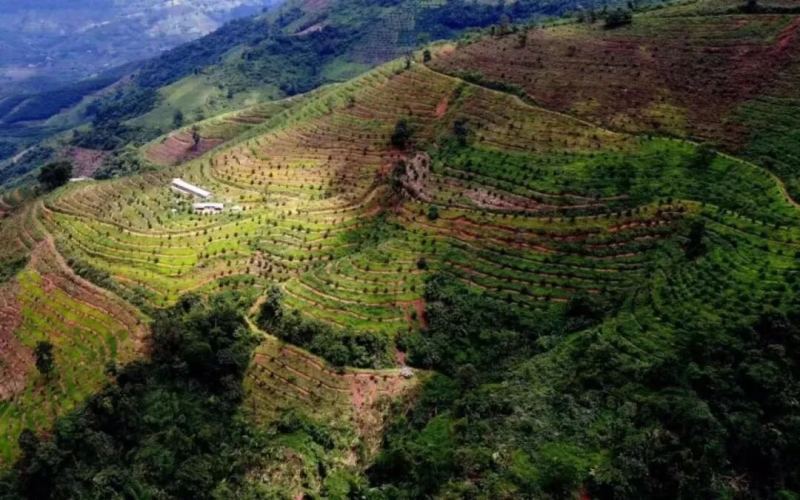
Yunnan Arabica Coffee Recommendations | What Varieties of Yunnan Arabica Coffee Beans Are There? Yunnan Coffee Bean Characteristics and Flavor Review
Front Street Coffee has learned that most people, when they first get into specialty coffee, start with Africa's Yirgacheffe or Sidamo regions in Ethiopia, and when it comes to Asian coffee, most people first think of Indonesia's Mandheling coffee beans. But with the rise of the domestic goods trend, Yunnan coffee from China has begun [more…]
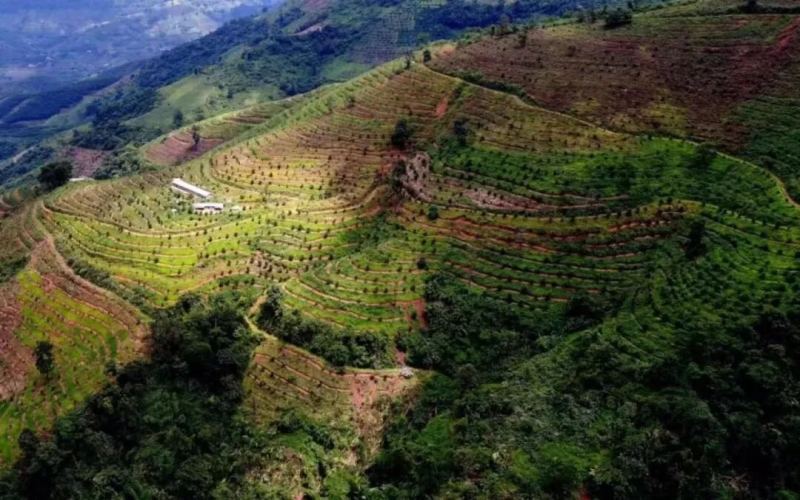
Yunnan Coffee | Where is China's coffee-producing region? Why is Yunnan suitable for growing Arabica? What are the characteristics of Yunnan coffee varieties?
Front Street Coffee has learned that most people, when they first get into specialty coffee, start with Africa's Ethiopian Yirgacheffe or Sidamo regions, while when it comes to Asian coffee, most people first think of Indonesia's Mandheling coffee beans. But with the rise of the domestic goods trend, Chinese Yunnan coffee has begun [more…]
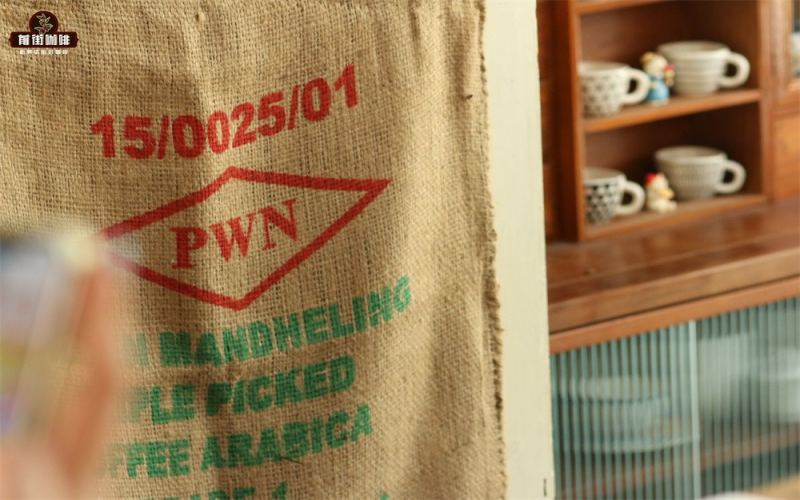
Characteristics of Mandheling Coffee Beans | Where Does the Name Mandheling Come From? How to Identify PWN Golden Mandheling? Introduction to the Origin, Varieties, Processing Methods, and Grades of Indonesian Mandheling Coffee
Let me quietly tell you all, Mandheling is not actually a coffee variety! Mandheling refers to the Arabica coffee beans grown on the Indonesian island of Sumatra, which are all collectively called Mandheling coffee. If Geisha coffee beans are the elegant lady of the coffee world, then Mandheling coffee beans are the gentleman, because they have a calm, rich coffee flavor. [more…]
Regions for Rich and Thick Crema: Beyond Mandheling, There Are These
When it comes to coffee beans with rich, creamy body, many people first think of Mandheling. Indeed, Indonesian Mandheling is the representative of the rich and creamy style, but if you want to drink rich, creamy coffee, the producing regions to choose from are not limited to this one. Brazil, Papua New Guinea, and Jamaica each have their own expressions of richness and creaminess, and they are all worth trying one by one. Indonesia is a stronghold of the rich and creamy style. Sumatran [more…]
SL28 and SL34: The Legendary Varieties from Kenya's Laboratory
In the world of specialty coffee, few varieties encapsulate a country's technical ambition and terroir expression in two numbers the way SL28 and SL34 do. Their acidity is bright as berry juice, their sweetness rich with blackcurrant notes, and together they have all but defined the "Kenyan taste." This legendary [more…]
Arabica Varieties and Espresso: The Espresso Performance of Typica, SL28, and Geisha
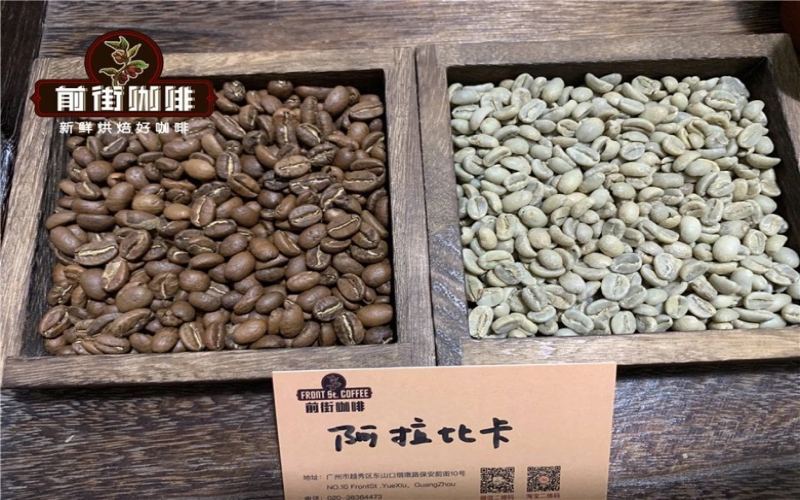
Arabica is a large family with many varieties under its umbrella—Typica, SL28, Geisha, Caturra, and others, each with its own temperament. When making espresso, variety differences are directly reflected in the cup. Understanding how a few representative varieties perform in espresso gives you one more dimension when choosing beans. Typica is one of the ancient [more…]
Single-Origin Moka Pot Trials: Mandheling, Bird of Paradise, and Sidra in the Pot
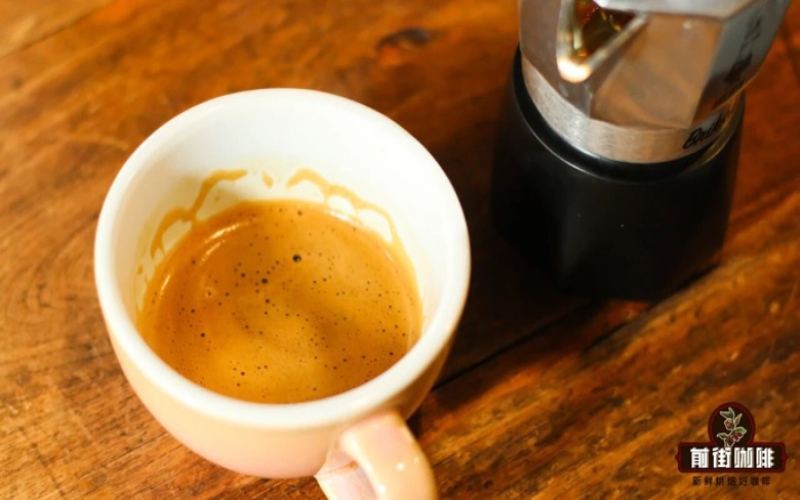
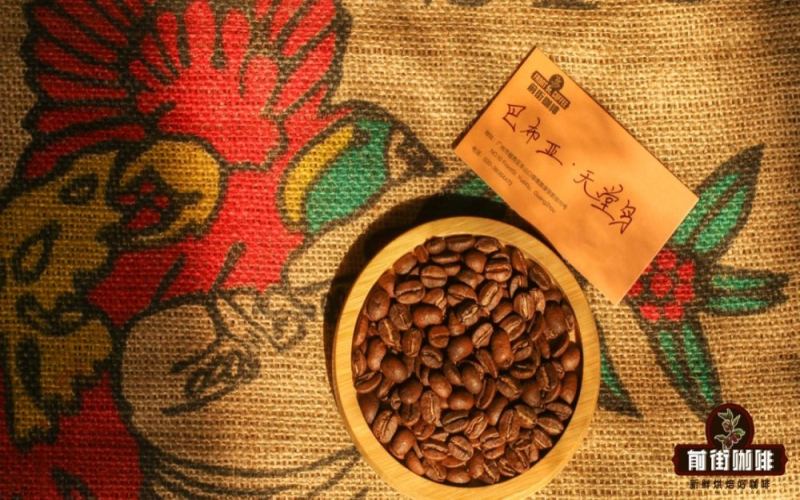
Trying single-origin beans in a moka pot is a fascinating thing to do. The moka pot's extraction method brings about wondrous changes in the beans' flavors—some beans produce surprisingly great results, while others take on a completely different character. A few representative single-origin beans are worth trying in a moka pot. Golden Mandheling is an old partner of the moka pot. The dark-roasted Mandhe [more…]

Arabica Varieties and Espresso: The Espresso Performance of Typica and SL28
Arabica is not a single, monotonous variety; it has many sub-varieties, and each one performs differently in espresso extraction. Understanding the flavor characteristics of different Arabica varieties in espresso gives you a deeper basis for judging SOE bean selection. Typica is an old-school Arabica variety with a clean, pure flavor, [more…]
The Bourbon Family Guide: Red Bourbon, Yellow Bourbon, and Pink Bourbon
In the Arabica variety lineage, Bourbon is one of the two great ancient foundational varieties, alongside Typica. It emerged from the ancient forests of Yemen, crossed the seas to settle on Réunion Island, and then spread to Brazil, Central America, and East Africa, evolving along the way into a series of differently colored branches such as Red, Yellow, and Pink. For enthusiasts, getting to know [more…]
Rich and Syrupy Body: Regions Beyond Mandheling
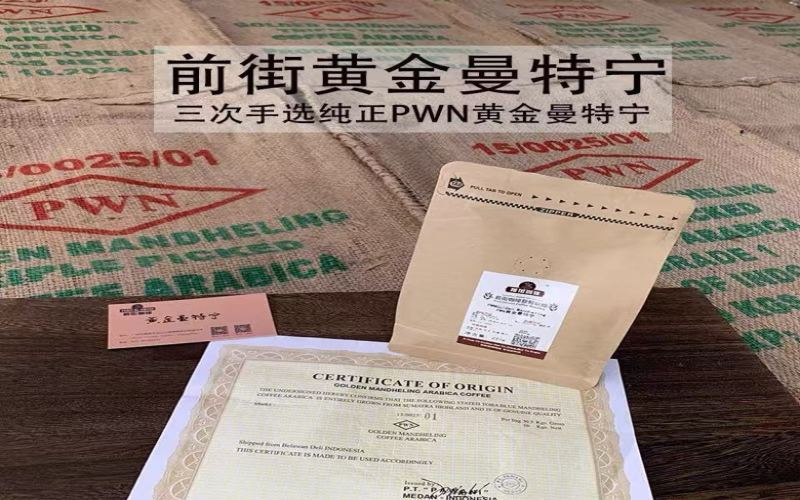
For a rich, full-bodied taste and a beautiful crema, many people's first choice is Mandheling. Mandheling is indeed the representative of the full-bodied style, but it's far from the only origin that offers that rich body and crema—getting to know a few more directions will give you a much wider range of choices. First, let's look at Mandheling. Sumatra Mandheling from Indonesia is the long-established representative of the full-bodied style—Front Street PWN Indonesia [more…]
Kenya·Nyeri and Thika: The Bold Acidity of Blackcurrant and Tomato
Kenyan coffee is regarded by the global specialty coffee community as the "benchmark of Africa" for its powerful acidity, full-bodied tartaric acid, and distinctive blackcurrant flavor. This article takes the two major producing regions of Nyeri and Thika as its starting point to provide an in-depth analysis of the ins and outs of Kenyan coffee. [more…]
A Complete Analysis of the Geisha Coffee Variety: The Comeback Journey from Ethiopia to Panama and an Overview of Common Cultivated Varieties
Geisha, a coffee variety whose name sounds like the Japanese word for "entertainer," set out from the Geisha Mountains of southwestern Ethiopia, passed through Kenya, Tanzania, and Costa Rica, and finally made a spectacular debut in Panama. Over more than seventy years, it completed a comeback from obscurity to competition champion, winning first prize in the Panama Boquete Best of Panama cupping competition for three consecutive years from 2005 to 2007, and in 2007 it set a record for competition coffee value at $130 per pound. This article will comprehensively trace Geisha's legendary journey and systematically review common coffee cultivars—Typica, Bourbon, Caturra, Catuai, Pacamara, and others—to introduce you to the rich landscape of Arabica's genetic treasure trove. Front Street Coffee will also recommend Geisha products worth paying attention to in this article. [more…]
PWN Golden Mandheling | Where is the Indonesian Golden Mandheling coffee producing region? Introduction to Golden Mandheling green bean processing method, roasting curve, cupping flavor, and pour-over parameters
PWN Golden Mandheling 01 | Origin Introduction Indonesia's main coffee-producing regions are Sumatra, Java, and Sulawesi, with Mandheling from Sumatra being the most famous. Mandheling, also known as Sumatra coffee, North Suma [more…]

bourbon coffee | How many flavor varieties does Bourbon coffee have? Beginner-friendly high-quality Bourbon pour-over coffee bean recommendations
Bourbon Coffee Introduction: Bourbon coffee was first cultivated on the island of Bourbon, now known as Reunion Island, located about 650 km east of the famous Madagascar. Along with Typica, Bourbon is considered one of the oldest existing high-quality coffee varieties. Tracing its roots, [more…]
How to Choose Coffee That Isn't Sour? Understand the Principles to Pick Beans Without Pitfalls
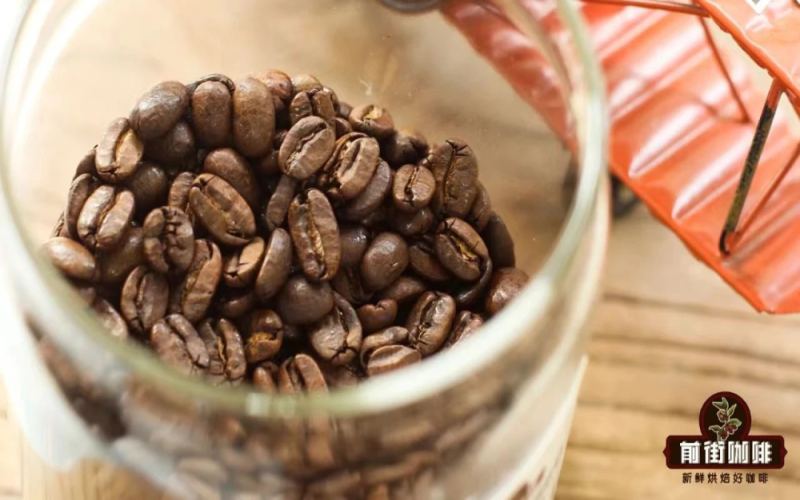
Many friends who dislike acidic coffee have had this experience: they order based on online recommendations, only to brew a cup with a fruity sour taste, and it completely ruins their mood. What exactly determines whether coffee is sour or bitter? How can you choose to avoid sourness? This article explains it all at once. The sourness and bitterness of coffee mainly depend on these factors: roast level. [more…]
Acid-sensitive coffee lovers, gather up! A few non-acidic coffee beans you can buy with your eyes closed.
Is there anyone like me whose biggest fear when drinking coffee is "sourness"? You just want a rich, fragrant cup to perk yourself up, but one sip of that fruity acidity sends you running. Don't worry—there are actually plenty of good beans that aren't sour. As long as you pick the right direction, you can drink a mellow, smooth cup every day. To choose beans when you're afraid of sourness, just remember two key words. [more…]