







What Makes Panama Butterfly Coffee Beans a Geisha Option?
Panama Butterfly is a coffee bean containing as much as 70% Geisha variety, which keeps the floral aroma and citrus notes while holding a friendlier price than pure Geisha. Geisha is grown mainly in three countries: Panama, Ethiopia, and Costa Rica, and each origin gives the variety a distinct expression, from jasmine to berry and tea-like notes.
Geisha commands high prices, and Panama lots in particular rank among the most expensive coffee. The variety was first found in a forest called Gori Gesha in the Gesha Mountains of southwestern Ethiopia, so the name refers to both a variety and a place. Panama Butterfly was developed as an accessible middle ground for drinkers who want the Geisha profile without the full cost.
Geisha coffee has always been known for being expensive, but Panama Butterfly offers enthusiasts a rare entry point. This bean contains as much as 70% Geisha variety, retaining Geisha's signature floral aroma and citrus notes while keeping a friendly price. This article will start with Geisha's three major producing regions, introduce Front Street Coffee's representative products from each region one by one, then take a deeper look at Butterfly's origin background, variety composition, and flavor performance, so you can understand why this outstanding value Panama coffee bean is worth trying.
In the landscape of Panamanian coffee, the Geisha variety stands out as the finest, and it is also one of the most expensive coffees in the world. When it comes to Geisha, its main growing regions are concentrated in three countries: Panama, Ethiopia, and Costa Rica.
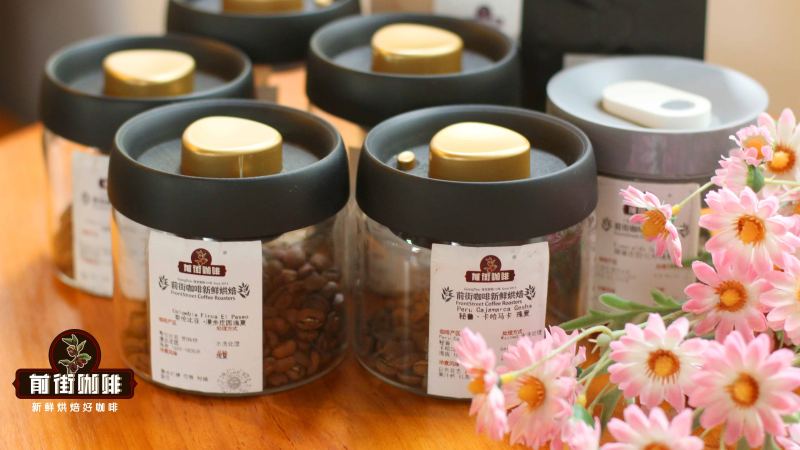
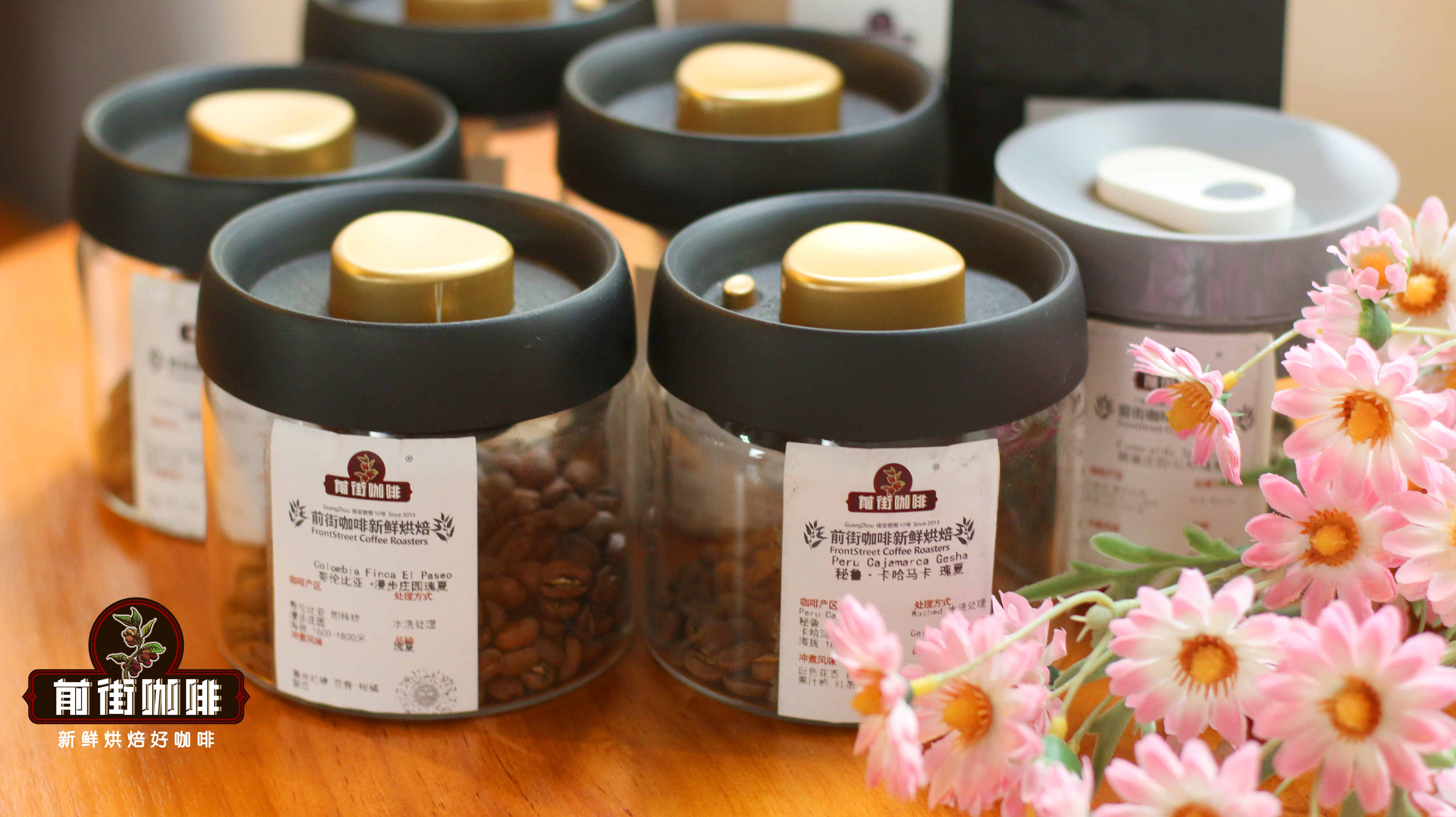
If you prefer Geisha from the Panama region, Front Street Emerald Red Label Geisha, Front Street Emerald Green Label Geisha, and Front Street Boquete Geisha are all good choices. These beans display distinct jasmine floral aromas and citrus, peach, and plum-like fruit flavors; on the palate you can sense sweetness like sweet potato and caramel, with a clean sweet finish and a long, lingering aftertaste;
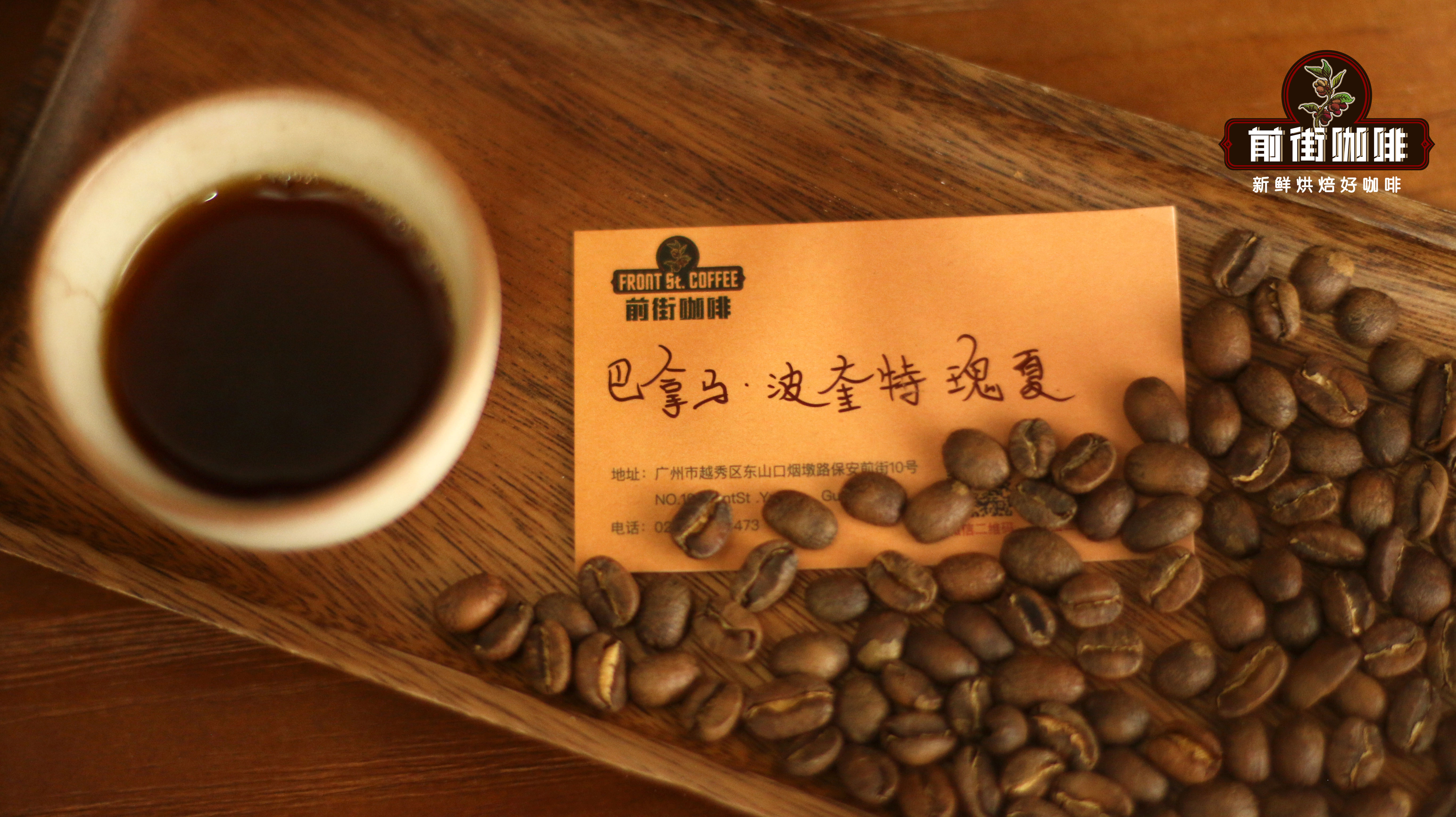
If you want to try Geisha from the Ethiopia region, you can choose Front Street Gesha Village Red Label Geisha, Front Street Gesha Village Gold Label Geisha, or Front Street Granja Geisha. They usually carry aromas of berries, lemon, and chamomile, with bright, transparent acidity, and a more prominent tea-like note in the finish;
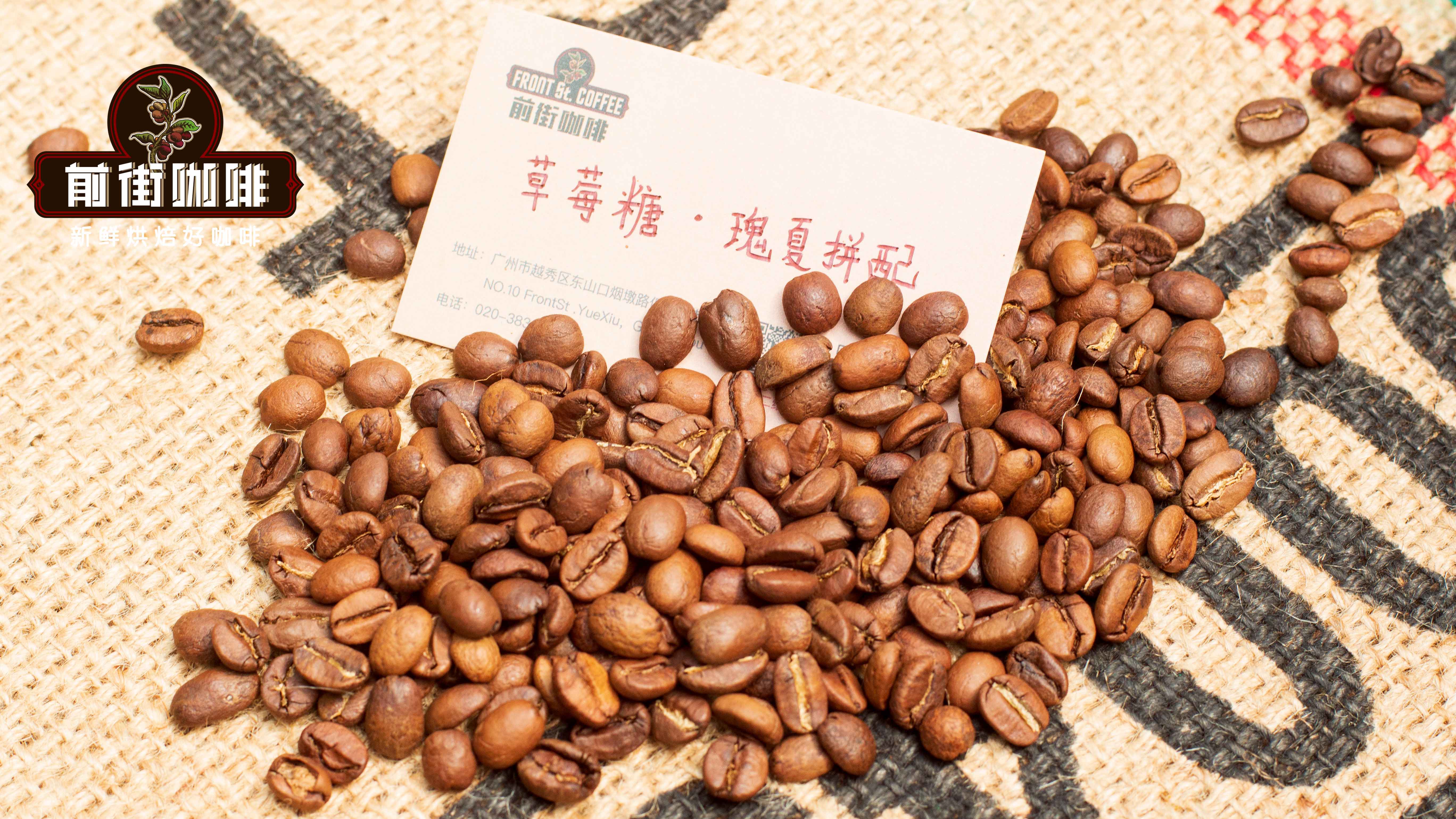
For the Costa Rica region, Front Street Strawberry Candy is recommended. This is a Geisha blend with especially prominent sweetness, and the honey process gives it a complex aroma of roses, grapes, dried blueberries, fruit gummies, almonds, and chocolate.
Geisha coffee beans belong to the Geisha variety and were first discovered in a forest called Gori Gesha in the Gesha Mountains of southwestern Ethiopia. In other words, "Geisha" refers both to a coffee variety and to a place name. It is precisely because it originated from Gesha Village in Ethiopia that it got the name "Geisha."
Outstanding-quality Geisha is usually quite expensive, and ordinary coffee enthusiasts often can only admire it from afar. The Butterfly discussed today happens to be good news for enthusiasts—it contains 70% Geisha variety, allowing people to appreciate Geisha's wonderful flavors while also being very affordable.
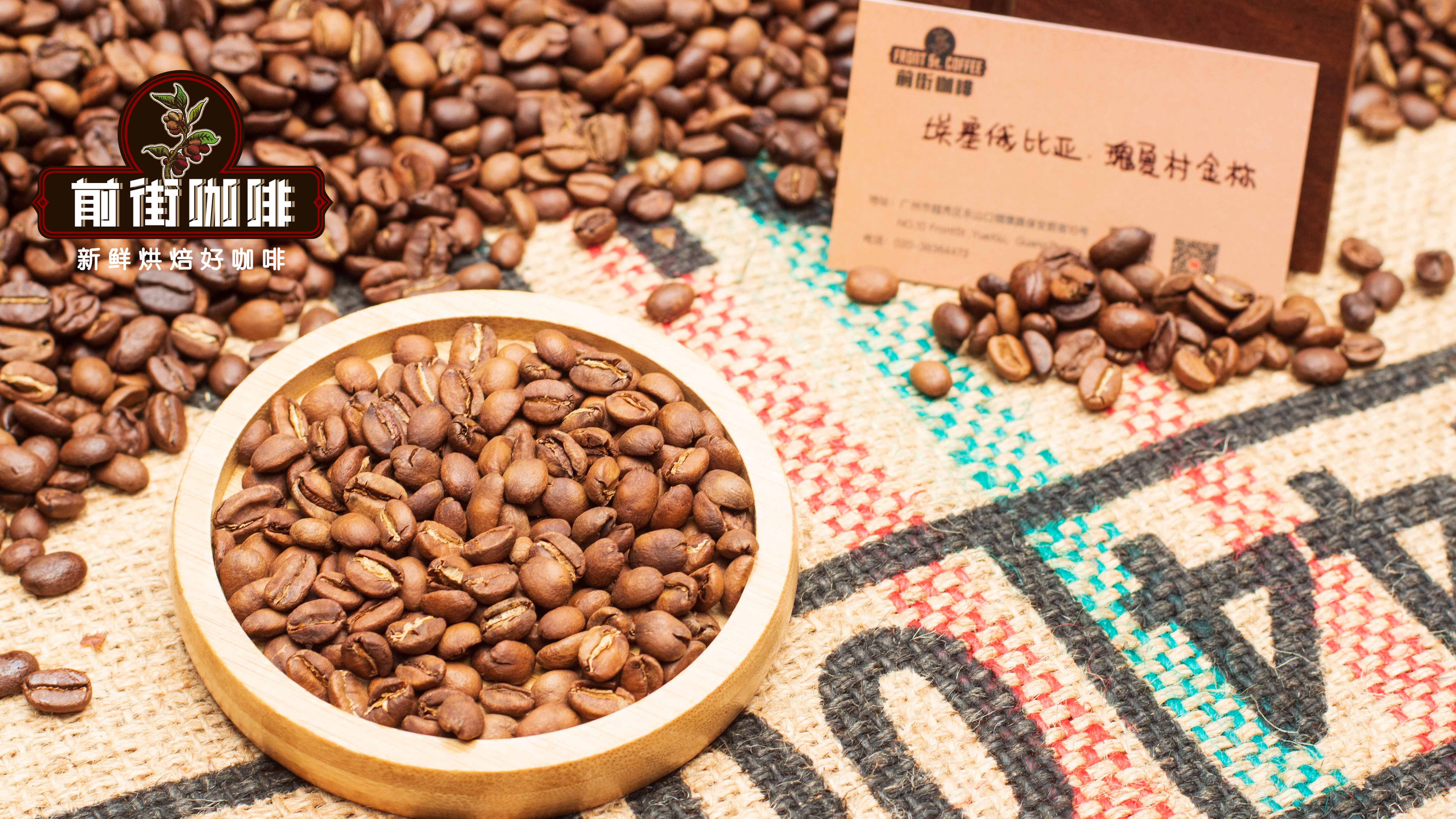
Panama Butterfly Coffee Beans
Region: Boquete, Baru Volcano area
Varieties: Catuai, Caturra, Geisha
Processing Method: Washed process
Roast Level: Medium (leaning light)
The flavor profile shows floral notes, black tea, berries, and citrus, with a finish carrying slight nuttiness. The mouthfeel is smooth, bitterness is low, acidity is moderate, and the aftertaste is medium.
Region Introduction
Panama is located in Central America, bordering Costa Rica to the west and Colombia to the east. Most people familiar with single-origin coffee know that Panamanian coffee rose to fame in the coffee world thanks to Hacienda La Esmeralda's Geisha (another translation of Geisha). Hacienda La Esmeralda's pursuit of coffee quality can be described as striving for perfection, and the country is also known for producing high-quality coffee.
The Boquete region is also home to many excellent estates. In addition to the famous Hacienda La Esmeralda, Elida Estate and Kotowa Duncan Estate are equally renowned, all producing high-quality specialty coffee.
Behind this is not only Boquete's superior ecological conditions, but also a key factor: the microclimates found in the Boquete highlands are an irreplaceable precious resource for local specialty coffee. Panama's east-to-west topography causes cold air currents to gather along the central mountain range at altitudes above 6,500 feet, creating diverse microclimates in the Boquete area. Temperature and rainfall are both very suitable for plant growth, so the coffee trees here grow especially well.
Coffee Varieties
Panama Butterfly coffee beans have 40%-50% high-quality Geisha lineage and are composed of three varieties: Geisha, Caturra, and Catuai. They are grown in the Baru Volcano area of Boquete at an altitude of about 1,600 meters. The processing station uses a meticulous washed process. Panama's special local microclimate brings abundant rainfall, along with noticeable temperature differences between day and night, and the volcanic rock soil unique to volcanic areas. Combined with careful harvesting and excellent processing, this coffee shows quite impressive performance in body, acidity, and floral aroma.
What is even more surprising is that on top of such excellent quality, this bean's price is very friendly, with value that can be called off the charts.
What makes this coffee unique is that it contains the Geisha variety, so it carries obvious Geisha flavor characteristics.
Some people may wonder: Is Butterfly a blend? After checking the information, Front Street Coffee found that due to the estate's historical reasons, in the early years, in pursuit of yield, the early Geisha variety was planted mixed together with coffee trees of the Caturra and Catuai varieties. For the convenience of picking, coffee farmers later also subdivided the three varieties, but at export they would directly mix and process the three varieties together to present the rich flavor they wanted.
Butterfly was originally called Cupid, not today's Butterfly. At first the Geisha proportion was only 30%, and after two years of sales it was adjusted to 50%, then later further increased to 70%, while also being renamed Butterfly.
The above content is compiled by CoffeeHunters, a coffee news website.


