







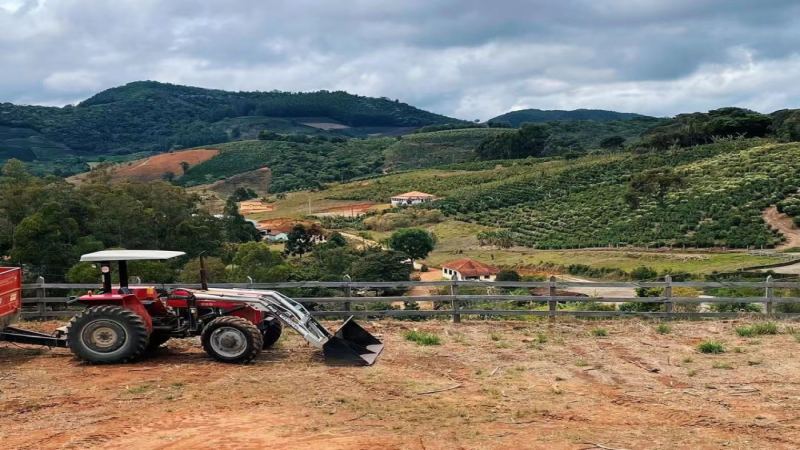
As the world's largest coffee producer, Brazil's coffee cultivation spans 17 states and boasts a rich variety of genetic resources, currently dominated by Red Bourbon, Yellow Bourbon, Mundo Novo, and Catuai. Coffee was first introduced to Brazil in 1727, and the Bourbon variety, an ancient Arabica cultivar as renowned as Typica, has long been established in Brazil, giving rise to multiple branches such as Red Bourbon, Yellow Bourbon, and Orange Bourbon. Brazilian coffee is generally characterized by low acidity, nutty tones, balanced flavor, and moderate body. Although it does not stand out in the specialty coffee realm, it is an indispensable cornerstone in espresso blends. This article will systematically review the origins and characteristics of the Brazilian Bourbon variety, the terroir differences between producing regions such as South Minas and Cerrado, coffee bean grading standards, and, in conjunction with Front Street Coffee's roasting curve and pour-over recipe, present a complete pathway for a Cerrado Red Bourbon.
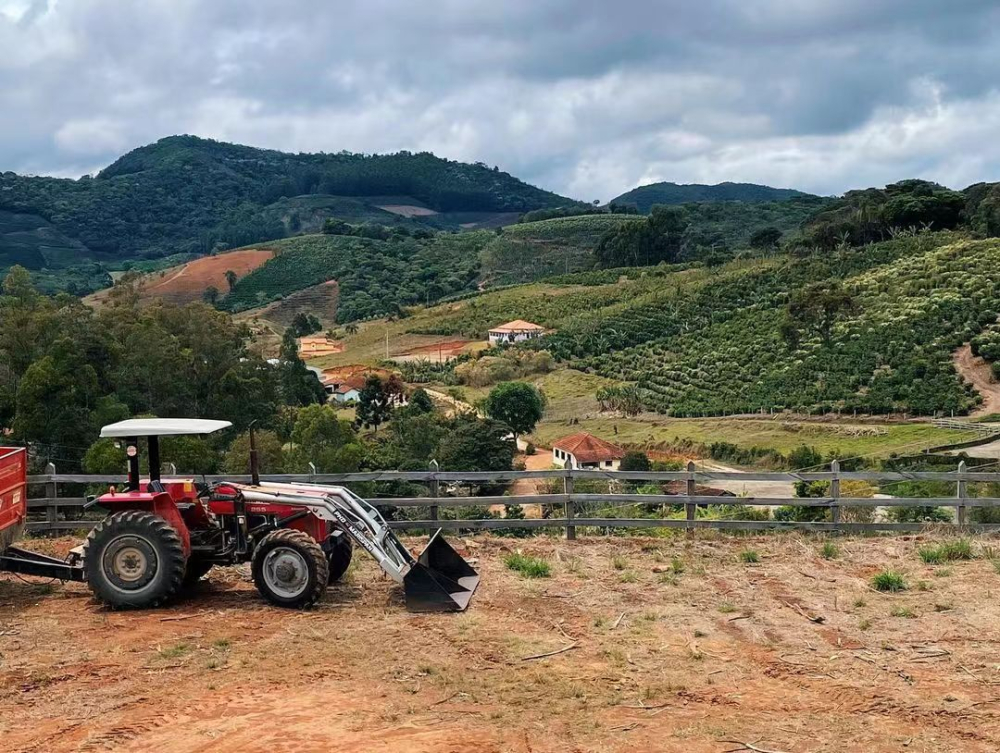
Brazil is the world's largest coffee producer, with an extremely vast coffee-growing area—17 states across the country have coffee production capacity. Meanwhile, the coffee varieties cultivated in Brazil are quite diverse, with four main varieties currently dominant: Red Bourbon, Yellow Bourbon, Mundo Novo, and Catuai. As the world's largest coffee-producing country, FrontStreet Coffee will guide you through Brazil's coffee production lineage and quality characteristics.
Coffee was first introduced to Brazil from French Guiana in 1727. That year, Portuguese diplomat Francisco de Melo Palheta was sent to French Guiana to mediate a territorial dispute. During his stay, he won the favor of the governor's wife, who hid a few coffee seeds in a bouquet she gave him. Francisco thus successfully brought coffee seeds into Brazil.
Bourbon Variety
Bourbon, like Typica, is a longstanding traditional variety, both classified under the Arabica species. Bourbon coffee was first cultivated on Réunion Island, which was known as Île Bourbon before 1789—hence the variety's name.
Also an ancient coffee variety, Bourbon differs from Typica in that its leaves are broader, the plant grows more densely, and its yield is about 30% higher than Typica. The beans are rounder and shorter, with a berry-like acidity, a full body, prominent creamy and aromatic notes, and distinct fruity acidity. However, its drawback is similarly weak disease resistance.
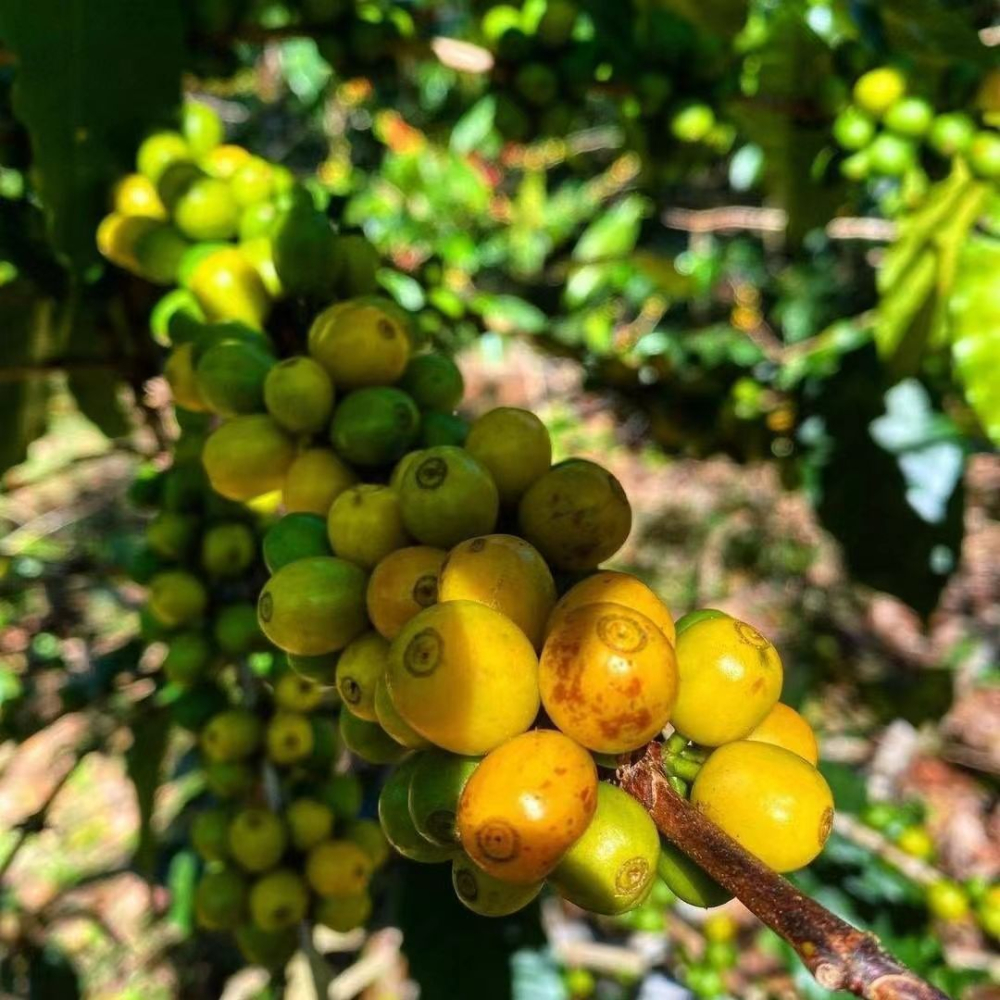
After the Red Bourbon coffee tree flowers and bears fruit, the cherries undergo a series of color changes: green, slightly yellow, slightly orange, ripe red, and finally a darker crimson—hence the name "Red Bourbon." Red Bourbon was introduced to Brazil around 1860 via the southern Campinas region and is a highly representative coffee variety.
Simply put, Bourbon is a branch under the Arabica species. Those that typically bear red fruit are called Red Bourbon; there are also Yellow Bourbon and Orange Bourbon. Yellow Bourbon has relatively lower yields but superior quality.
Brazil's South Minas Producing Region
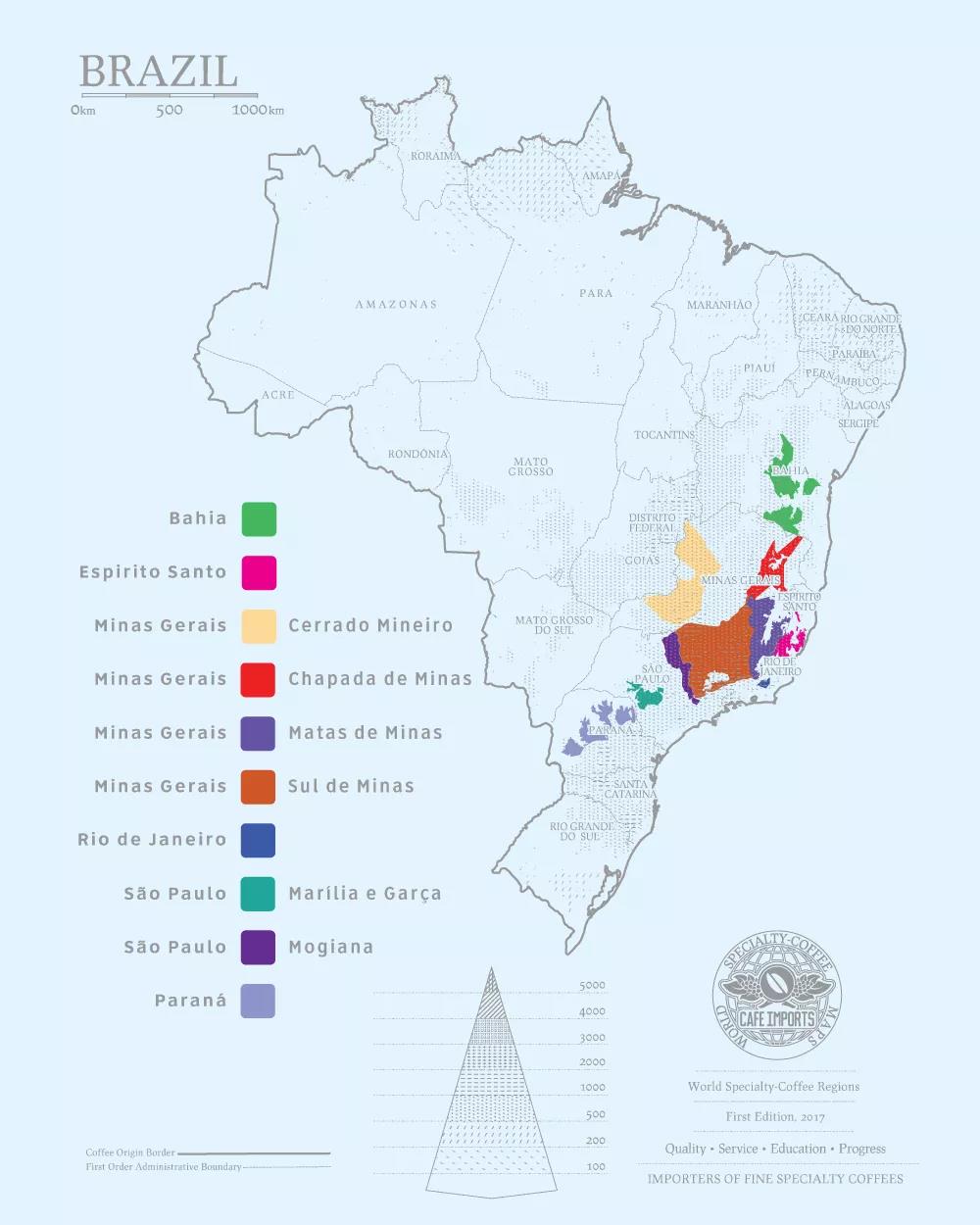
South Minas is located in hilly terrain at elevations of 700 to 1,200 meters and is Brazil's earliest coffee-producing region. Due to rising labor costs, mechanical harvesting is now mostly used in the area. It is also the earliest region to commercialize coffee, with many large exporters establishing a presence here. The Bahia region in northern Brazil mainly produces washed Brazilian beans, while the coastal Espírito Santo region is Brazil's main exporter of Robusta varieties.
Brazil's coffee-growing terrain is mainly divided into two types: the Brazilian Highlands above 500 meters in elevation and the Brazilian Plains below 200 meters. The main and most well-known varieties cultivated are the Bourbon line (including Yellow Bourbon, Red Bourbon, and Flat Bean Santos). Brazilian coffee's flavor profile is dominated by low acidity, nutty notes, balance, and moderate body. In the specialty coffee realm, Brazilian coffee does not particularly stand out, but it is often used as a blending component in espresso. Due to its excellent balance, it is also frequently used by merchants as a base for "Blue Mountain style" beans.
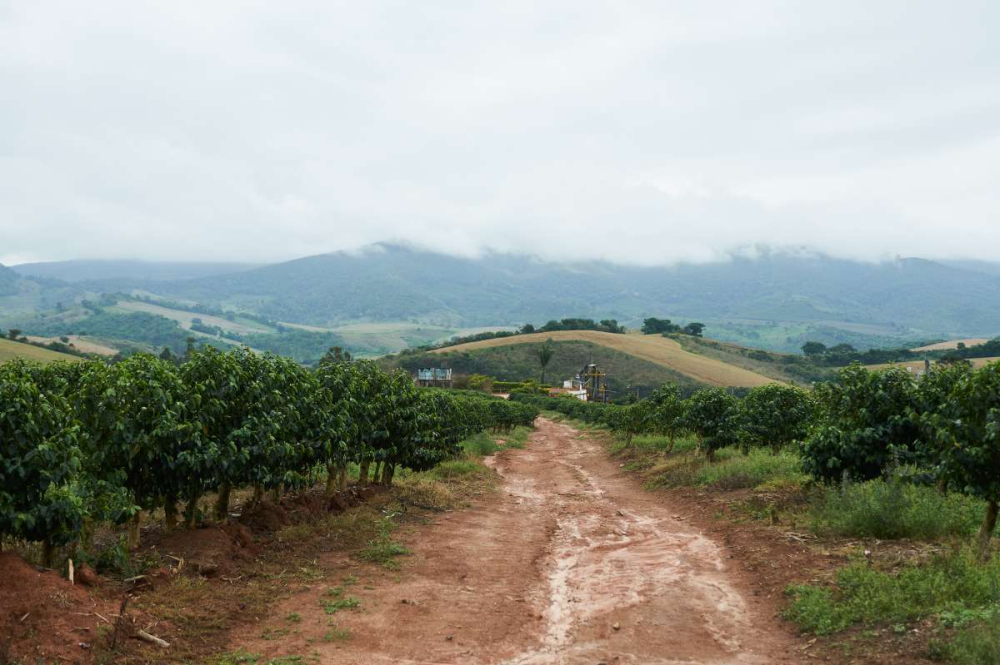
Cerrado / CerradoMineiro
Growing coffee in the Cerrado (also known as the Savanna) can be considered a triumph of Brazilian coffee technology. More and more large coffee plantations in the Cerrado region are adopting high-tech production methods, which is extremely rare in other areas. The highland climate has four distinct seasons, the fruit ripening process is stable, and the harvest season never encounters rainfall. Cerrado coffee typically uses the natural process, which is also a current trend in processing methods.
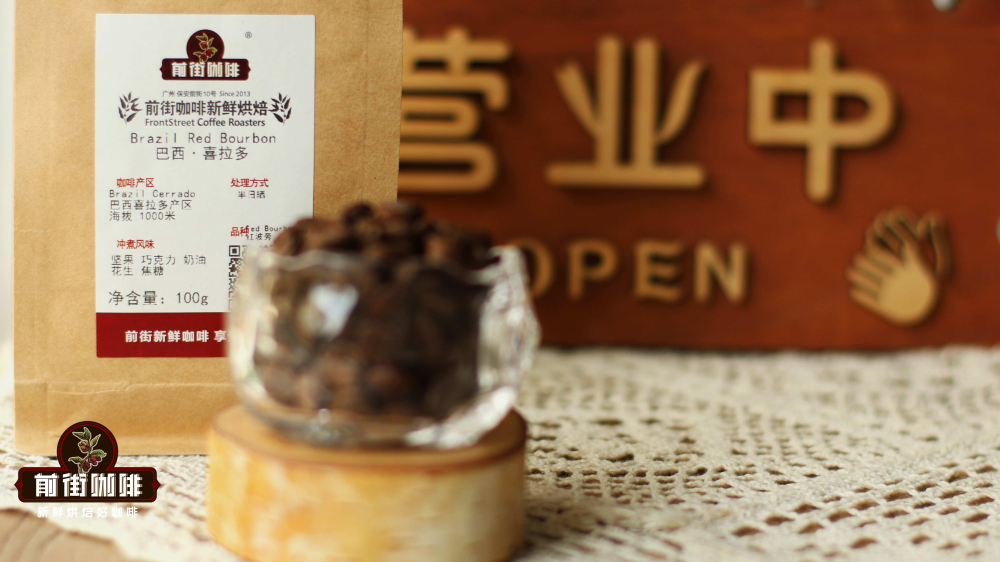
FrontStreet Coffee: Brazil Cerrado Red Bourbon Coffee Beans Country: Brazil Region: Cerrado Elevation: 1,000 meters Variety: Red Bourbon Processing: Semi-washed Flavor: Nuts, chocolate, cream, peanut, caramel
Processing Method: Semi-washed
After the coffee cherries are harvested, they first pass through a water tank to remove unripe fruit and impurities, then the skin and part of the pulp are removed, followed by a demucilager to remove the mucilage. Removing the mucilage helps shorten the time needed for sun-drying and reduces the risk of fermentation. This method is mostly used in producing regions with less ideal climate conditions. If air humidity is high, the climate is warm, or there is rainfall, mold is likely to occur during drying. Therefore, most washed beans used for commercial trade in Brazil are processed using the semi-washed method.
Brazilian Coffee Bean Grading
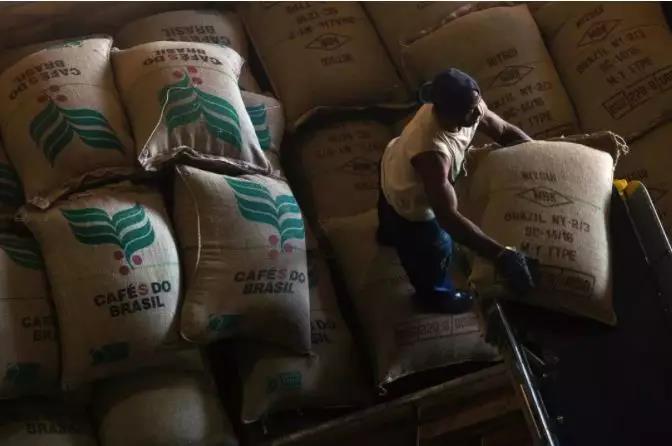
Brazilian coffee beans are graded by defect rate using a "deduction method," classifying by the number of defective beans per 300 grams of primary beans, divided into seven levels from No.2 to No.8. A deduction of less than 4 qualifies as No.2. Having zero defective beans would naturally qualify as No.1, but such cases are extremely rare and cannot guarantee stable supply. Therefore, Brazil sets No.2 as the highest grade rather than No.1.
The method of classifying by bean size in screen numbers is: screening with a mesh sieve based on 1/64 inch, with sieve sizes typically between 14 and 20. It should be noted that the screen number corresponds to the short side—i.e., the "width"—of the coffee bean. The largest screen size for Brazilian coffee beans is 19, but production is limited, so 17/18 is the highest grade.
FrontStreet Coffee Roasting Analysis
This Brazilian Red Bourbon is given a medium-dark roast, emphasizing the full body of Brazilian coffee along with rich nutty, cocoa, and peanut flavors.
When the drum temperature reaches 175°C, the beans are charged, with heat set to 140 and airflow opened to 3. The turning point occurs at 1 minute 36 seconds at 95.6°C. When the drum temperature reaches 140°C, airflow is adjusted to 4. When the drum temperature rises to 166°C, heat is adjusted to 130, with airflow unchanged. When the drum temperature rises to 176°C, heat is reduced to 110, with airflow still unchanged. When the drum temperature rises to 192°C, heat is adjusted to 70 and airflow opened to 5.
At 9 minutes 45 seconds, wrinkles and dark patches appear on the bean surface, and the toast-like aroma distinctly shifts to coffee aroma, which can be regarded as the prelude to first crack. At this point, one must carefully distinguish the sound of the first crack. First crack begins at 10 minutes 51 seconds, with airflow opened to 5. After 2 minutes of development post-first-crack, the beans are dropped at 201.5°C.
FrontStreet Coffee Brewing Suggestions
In response to the nutty aroma unique to Brazil Cerrado, Front Street typically presents it as pour-over. However, considering that many office workers do not have ample time to adjust parameters, drip bag coffee is the best choice in such cases.
First, prepare a container for the coffee, a kettle for pouring water, and sufficiently hot water. A sharing pitcher or drinking cup will do.
Tear open the sealed packaging, take out the drip bag, and tear open the non-woven pouch along the dotted line. Pull open the ears on both sides, fully expand the drip bag, and hang it on the edge of the cup or sharing pitcher.
First, wet all the coffee grounds in the first pour and let it bloom for about 10 to 20 seconds. For the second pour, steadily pour with a small stream until the liquid surface is nearly full, then wait for the coffee to drain until it finishes flowing. Pour the final round of water to full, wait for all the coffee to finish dripping through, gently swirl to even it out, and it is ready to enjoy.
Dose: 15g Coffee-to-water ratio: 1:15 Water temperature: 88°C Grind size: Medium-coarse (70% passing a No. 20 standard sieve) Dripper: Kono
1. First pour: 30 grams of water, bloom for 30 seconds.
2. After the bloom, pour the second round of water, spiraling from the center outward for 100 grams. This pour can be slowed down; Geisha coffee is very resistant to extraction and needs a certain pouring time to fully bring out its aroma. After pouring, wait for the water level to drop to halfway.
3. When the coffee bed is about to be exposed, pour the third round of 95 grams of water, for a total of 225 grams. Wait for the coffee to finish filtering, then remove the dripper. Total brewing time is 1 minute 52 seconds.
The above content is compiled by CoffeeHunters, a coffee news website.


