







Search Results for: light roast vs. medium-dark roast comparison
Sidamo vs. Yirgacheffe Coffee Beans Comparison: A Full Analysis of Flavor Characteristics, Processing Methods, and Roasting Recommendations
Sidamo and Yirgacheffe both belong to Ethiopia's renowned coffee regions, yet each possesses a distinct flavor personality. This article focuses on Front Street Coffee's sun-dried Sidamo, washed Sidamo, and washed Yirgacheffe, systematically comparing the differences between the two in taste, aroma, and roasting performance. Sidamo features an interweaving of floral notes and earthy tones, along with nutty, cocoa, and bright lemony acidity; Yirgacheffe is known for its orange fruit aroma and light, mild character, performing differently under light and medium-dark roasts. The article also provides targeted roasting times, bean drop points, and hand-grinder grinding experiences to help coffee enthusiasts make more precise choices and brewing decisions. [more…]
Yirgacheffe vs Sidamo Coffee Comparison: Flavor and Mouthfeel Differences, Notable Estates, and Origin Tracing
Yirgacheffe and Sidamo both belong to Ethiopia's specialty coffee landscape, yet due to differences in regional terroir and processing methods, they present distinct flavor profiles, each with its own merits. This article begins with tracing their origins, outlining Yirgacheffe's unique floral and fruity aromas, citrusy acidity, and clean aftertaste, while comparing the flavor trajectory of Sidamo coffee. It also explains how different roast levels affect flavor expression, and offers brewing and roasting recommendations for Front Street Coffee's Yirgacheffe under light and medium-dark roasts, helping coffee enthusiasts more clearly understand the core differences and key purchasing points of these two African washed beans. [more…]

How does the timing of pouring in the three-pour pour-over method affect flavor? A comparative experimental analysis of light roast vs. medium-dark roast
When using a three-pour method for pour-over coffee, should the third pour wait until the water has fully drained, or should it be added before the water level reaches the bottom? Front Street answers this through two sets of comparative experiments. First, lightly roasted Yirgacheffe Geddid was brewed with continuous and interrupted pouring respectively, and the total time differed by 10 seconds, with slight differences in aroma and acidity, but the overall difference was not significant. Then the test was repeated with medium-dark roasted Papua New Guinea Bird of Paradise, but the interrupted-pour cup showed obvious bitterness. The reason is that medium-dark roasted beans are loose in texture and have a low margin for error, so bitterness-prone compounds are easily over-extracted when the time is prolonged. The article ultimately points out that interrupted pouring is not unworkable; the key is to pair it with corresponding parameters, such as the coarse-grind 46 brewing method. [more…]

Pour-Over vs. Espresso: A Flavor and Mouthfeel Comparison, Plus a Front Street Coffee Bean Buying Guide
Which tastes better: pour-over coffee or coffee made with an espresso machine? It really depends on personal taste preferences and the drinking occasion. Espresso pursues fast output, with a balanced and intense flavor, often dominated by caramel notes, and is easier to drink when paired with milk; while pour-over coffee focuses on the true character of the origin, with no sugar or milk added, showcasing the unique flavor profile of different producing regions. This article will compare the two from the perspectives of positioning, flavor expression, and suitable audiences, and for the two types of needs—espresso and pour-over—respectively recommend a number of blends and single-origin coffee beans under Front Street Coffee, to help coffee lovers make a suitable choice based on their own preferences. [more…]

Analysis of Hot vs. Cold Flavor Differences in Pour-Over Coffee: Which Coffee Beans Are Better for Iced Pour-Over?
Front Street's store bean list is extensive, and many customers face a dilemma after choosing their coffee beans: should they make a hot pour-over or an iced pour-over? What exactly is the difference in flavor between the two? This article starts from Front Street's actual brewing parameters, analyzes the construction logic of iced pour-over, and conducts a hot-versus-cold comparison using four representative coffee beans—Ethiopia TOH Uraga, Papua New Guinea Bird of Paradise, Indonesia Golden Mandheling, and Colombia Flower Moon Night—evaluating them across three dimensions: aroma, flavor, and mouthfeel. The results show that hot pour-over generally has the advantage in aroma richness and layering, while iced pour-over is more popular in summer thanks to its cold-drink appeal. The article also points out that light-roast and anaerobic-process coffee beans are more suitable for making iced pour-over, while medium-dark roast beans are not very suitable. [more…]
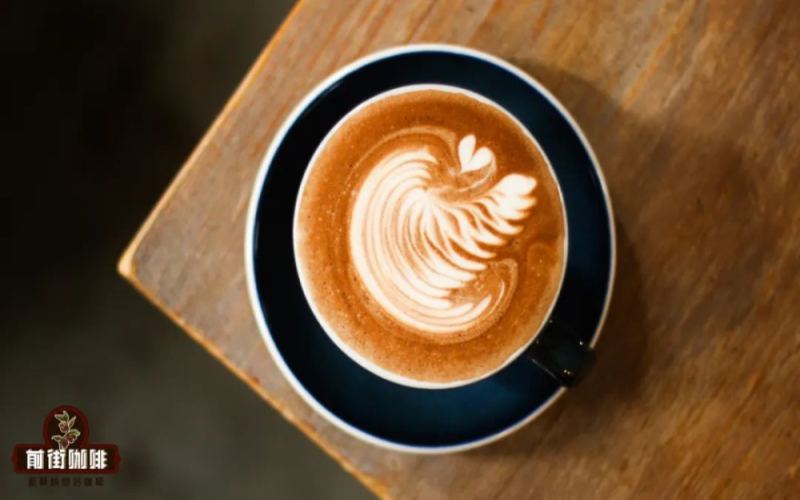
Latte vs. Mocha vs. Cappuccino: A Comprehensive Comparison from Ratios to Taste
Standing at the coffee shop counter, faced with names like latte, cappuccino, and mocha, have you ever felt confused but been too embarrassed to ask? These three classic milk coffees, all based on espresso, differ in their ratios, mouthfeel, and preparation methods. This article starts from the extraction principles of espresso and breaks down in detail the recipe ratios, milk foam thickness, cup size choices, and final flavor performance of the three, helping you order precisely according to your personal preferences. At the same time, Front Street Coffee will share a variety of blend bean choices and usage suggestions suitable for making espresso-based milk coffees, so you can easily recreate a professional-quality coffee shop flavor at home. [more…]
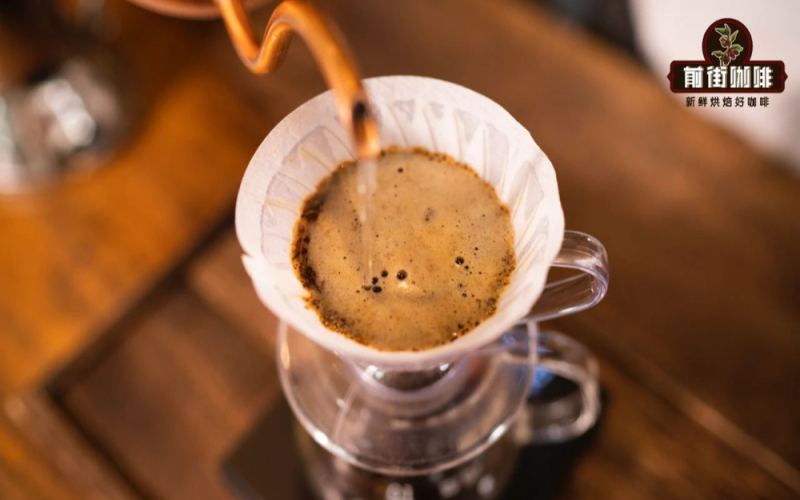
French Press vs. Moka Pot Coffee Brewing Comparison: Key Operating Points, Bean Selection Tips, and Analysis of Why the Moka Pot Burns at the Bottom
Among coffee brewing devices, the French press and the moka pot are known as "lazy person's tools" for their ease of operation, but the two differ markedly in extraction principles, flavor expression, and suitable scenarios. The French press, through immersion extraction, restores the complete flavor close to that of cupping and suits single-origin beans roasted light-to-medium to medium-dark; the moka pot, by contrast, uses steam pressure to extract a rich, full-bodied coffee liquid and is better suited to dark-roasted blends. In this article, Front Street will explain in detail the operating steps, grind size, and coffee-to-water ratio recommendations for each of the two devices, and, addressing the common problem of scorching at the bottom when using a moka pot, give specific causes and avoidance methods in terms of water level control, grind coarseness, and heating rhythm, helping coffee lovers consistently produce a good cup of coffee at home. [more…]
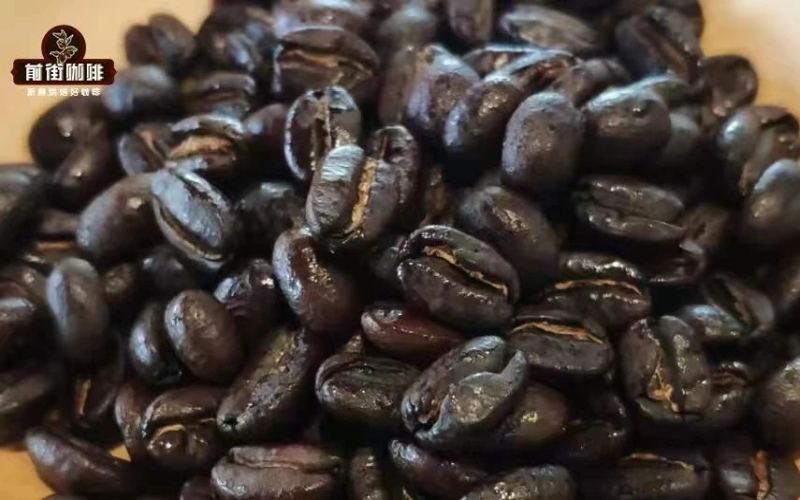
Analysis of Why Mandheling Coffee Beans Become Oily: PWN Golden Mandheling vs. Gayo Mountain Triple Hand-Sorted Beans
When coffee beans develop an oily sheen on their surface, is it a quality problem or a normal phenomenon? Starting from a comparison between Front Street's PWN Golden Mandheling and Indonesia's Gayo Mountain triple hand-sorted Mandheling, this article provides a detailed analysis of the strict screening standards for Golden Mandheling, the goat-hoof bean problem caused by the wet-hulling process, and the differences between the two beans in variety, cleanliness, and flavor. It also delves into the relationship between coffee bean oil production, roast level, and carbon dioxide release, and includes Front Street's roasting records, cupping comparisons, and KONO dripper brewing insights, helping coffee enthusiasts fully understand the characteristics of Mandheling coffee beans and the science behind oil production. [more…]
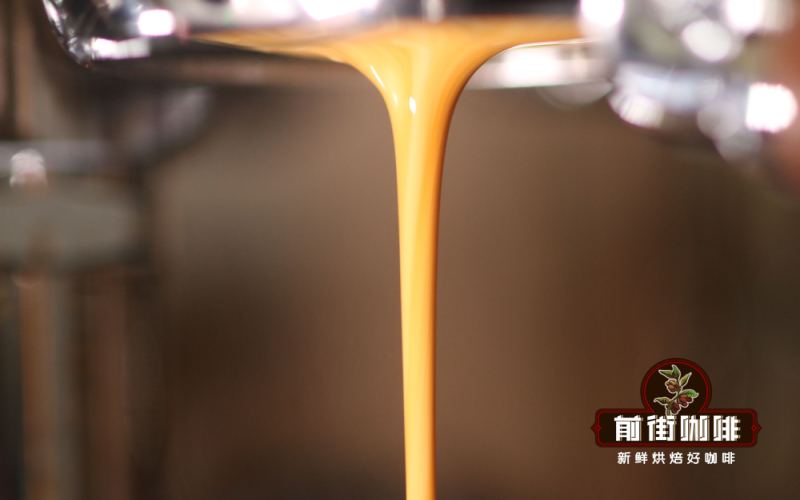
A Comprehensive Guide to SOE Coffee: Single-Origin vs. Blend Differences, Price Comparison, and Key Brewing Points
When ordering at a café, the barista often asks, "Would you like SOE or a blend?" leaving many people puzzled. SOE stands for Single Origin Espresso, which refers to espresso extracted from coffee beans of a single origin. How exactly does it differ from traditional blended espresso? Is it more expensive? Is it necessarily better tasting? This article, from the perspective of Front Street Coffee, sorts out the origins of SOE and the background of its rise to popularity, compares the differences between single-origin and blended coffee in terms of flavor stability and cost, explains why not all single-origin beans are suitable for making SOE, and recommends three Front Street Coffee beans suitable for making SOE, helping you understand and choose more clearly. [more…]
Espresso beans: dark roast vs. medium-dark roast—the difference is hidden in the cup
Even when extracted with the same espresso machine, dark-roasted beans and medium-dark-roasted beans take coffee in two different directions. The former often carries notes of roast, cocoa, and nuts, with a thick, full body in the cup, making it suitable for producing an espresso with a clearly defined presence; the latter retains more of the beans' sweet aroma and acidity, so the espresso is more varied when drunk on its own, and even after milk is added, a clear flavor can still remain. [more…]
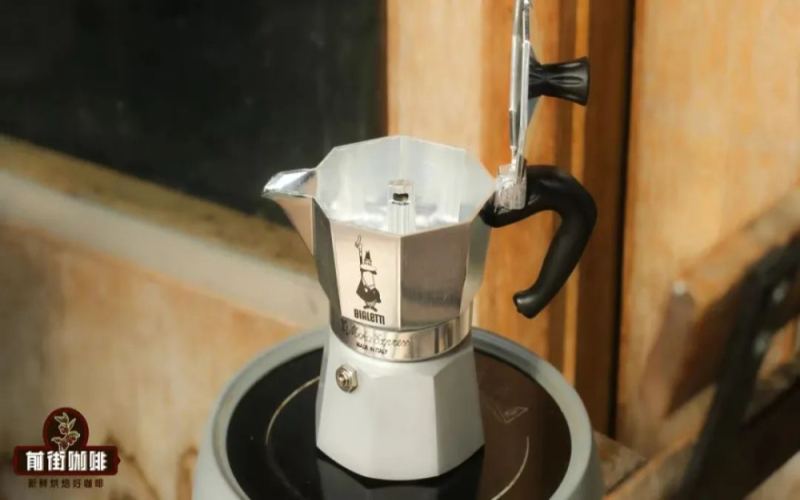
A Complete Guide to Moka Pot Brewing Questions: Cleaning and Maintenance Methods and a Comparison of Aluminum vs. Stainless Steel Materials
As a traditional Italian coffee apparatus, the Moka pot is favored by enthusiasts for its simple operation and rich flavor. This article systematically organizes common questions about the Moka pot's brewing principles, grind size and tamping key points, water temperature control, and heat adjustment, and explains cleaning and maintenance methods in detail. At the same time, it compares the advantages and disadvantages of aluminum and stainless steel materials, and answers various questions that arise during use. The article also combines recommendations from the Front Street Coffee brand to provide coffee bean selection suggestions for readers pursuing a full-bodied or balanced flavor, helping you easily master Moka pot extraction techniques. [more…]
Indonesian Golden Mandheling vs. Lintong Mandheling: A Comprehensive Comparison from Bean Varieties and Processing Methods to Brewing Flavor
Both Mandheling and Golden Mandheling come from Sumatra, Indonesia, and often confuse coffee lovers—what exactly is the difference between the two? From the perspective of Front Street Coffee, this article sorts out the core differences between Lintong Mandheling and PWN Golden Mandheling in terms of origin background, variety grade, defect rate, and processing method, and further extends to the roasting and brewing stages. The article also compares the cupping performance of Golden Mandheling from the two harvest seasons of May and October 2020, introduces the brewing parameters and technique for the KONO dripper, and helps readers understand why Golden Mandheling is cleaner, has a more prominent sweetness, and how it has become a representative of the Sumatra style. [more…]
Mandheling vs. Blue Mountain Coffee Comparison: A Full Analysis of Brewing Key Points and Flavor Differences for Full-Bodied Coffees
Both are full-bodied coffees, yet Indonesian Golden Mandheling and Jamaican Blue Mountain take strikingly different flavor directions. The former is known for its spicy, herbal notes and rich mouthfeel, while the latter is famed for its balance of acidity, sweetness, and bitterness, along with a clean, smooth character. Front Street Coffee systematically breaks down the differences between these two coffees—from their origin backgrounds and processing methods to roasting approaches and brewing parameters—to help coffee lovers understand their respective style characteristics and offer specific brewing suggestions, so you can brew your ideal cup at home. [more…]
Kenya AA vs. Yirgacheffe Flavor Comparison: A Full Analysis of the World's Top Ten Specialty Coffee Origins and Roasting Recommendations
Yirgacheffe and Kenya AA are often discussed together, and their flavors do share certain similarities, but which one suits you better has no absolute answer. Front Street Coffee believes that taste preference is essentially a highly personal experience, shaped by multiple factors such as genetics, upbringing, dietary history, and emotional state. Therefore, rather than following the judgments of so-called connoisseurs, it is better to try coffees from different origins yourself. This article systematically reviews the origin characteristics and recommended roast levels of ten representative specialty coffees from around the world, including Tanzania, Hawaiian Kona, Nicaragua, Sumatra, Sulawesi, Mocha Java, Harar, Yirgacheffe, Guatemala Antigua, and Kenya AA, with Jamaican Blue Mountain included as an honorable mention, to help coffee enthusiasts build a more comprehensive framework for understanding flavor. [more…]
Medium Roast vs. Dark Roast Coffee Beans: How to Choose? A Complete Guide to Judging the Freshness of Pour-Over Beans
Faced with a dazzling array of coffee beans, which is really more to your taste—medium roast or dark roast? This article starts with the flavor characteristics of light, medium, and dark roasts to help you quickly narrow down your target based on personal preference. At the same time, we have also put together three practical tips for judging whether pour-over coffee beans are fresh—check the roast date, smell the dry aroma, and observe the blooming and degassing reaction. The article also specifically recommends a number of best-selling bean lists from the Front Street brand that combine quality and value, from sun-dried Huakui to PWN Golden Mandheling, so there is always one to suit your taste buds. [more…]
Drip Bag Coffee vs. Pour-Over Coffee: A Comprehensive Comparison from Brewing Techniques to Flavor Expression
Drip bag coffee has gradually become the top choice for many coffee lovers and business travelers thanks to its convenience and relatively impressive flavor performance. But what exactly are the differences between drip bag coffee and pour-over coffee? And what details should be paid attention to during brewing? Based on the practical experience of Front Street Coffee, this article systematically explains the correct brewing method for drip bag coffee, the key points for controlling water temperature and coffee-to-water ratio, and the flavor tendencies of coffee at different roast levels. It also compares the core differences between drip bag coffee and pour-over coffee in terms of equipment and grinding timing, and answers common questions such as whether drip bag coffee can be brewed repeatedly and whether it counts as black coffee, helping readers gain a more comprehensive understanding of the similarities and differences between these two types of filter coffee. [more…]
Hand-Brewed Single-Origin Coffee vs. Espresso Machine Extraction: A Comprehensive Comparison from Bean Selection to Brewing Technique
In coffee shops, espresso-based coffee and single-origin coffee form the two core categories. The former relies on a coffee machine to produce rapid output under high pressure, with a rich and mellow taste, suitable for pairing with milk; the latter is mostly presented in the form of pour-over, emphasizing origin flavor and a clean mouthfeel. The two differ significantly in everything from coffee bean selection, roast level, to extraction method and brewing technique. This article will take the practices of Front Street Coffee as an example, comparing them one by one across dimensions such as coffee bean variety, roast degree, extraction principles, coffee-to-water ratio, and pouring technique, to help coffee enthusiasts understand the essential differences between pour-over and machine-produced coffee, and to master the complete brewing process for pour-over coffee as well as the standard operating steps for an espresso machine. [more…]
Who is Indonesian Mandheling coffee suitable for? Front Street PWN vs. Gayo Golden Mandheling flavor and brewing comparison
Mandheling coffee is known for its rich, full-bodied taste, but Mandheling beans from different producing regions and screening grades vary noticeably in flavor. Front Street Coffee once conducted a blind tasting of seven Mandheling coffees, and the one the baristas identified fastest was Front Street PWN Golden Mandheling. This article compares Front Street PWN Golden Mandheling and Front Street Gayo Golden Mandheling one by one, from producing-region altitude, variety screening, and processing methods to roasting and brewing, and provides specific flavor descriptions and pour-over parameters to help coffee lovers find the Mandheling that suits their taste. [more…]
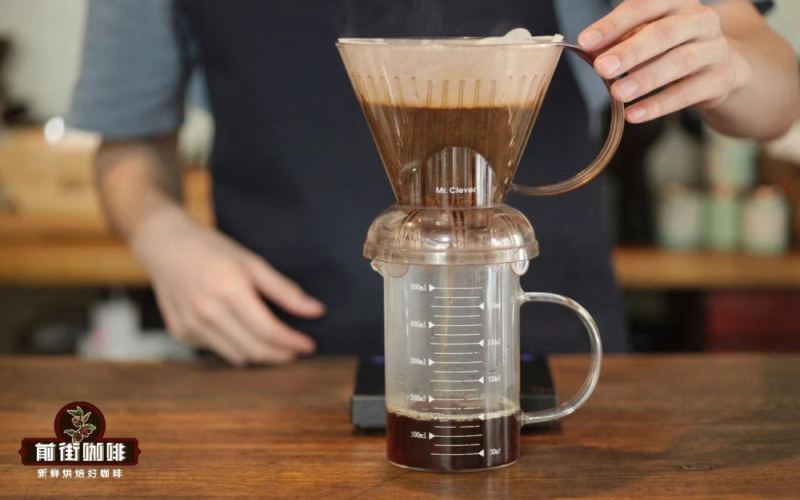
Smart Cup vs. Pour-Over Dripper: How Beginners Can Master Steeping Time and Grind Parameters
As a coffee dripper that combines the features of both pour-over and full-immersion extraction, the Clever Cup effectively lowers the difficulty of brewing for beginners thanks to its piston valve design, delivering consistent results with a high margin for error. This article starts from the working principle of the Clever Cup, compares its flavor differences with the V60 dripper using the same beans and the same parameters, and offers specific grinding and water temperature recommendations for medium-light and medium-dark roasted coffee beans. At the same time, the article breaks down in detail the brewing steps and immersion time control of the Clever Cup, helping coffee enthusiasts understand when to choose the Clever Cup and when to choose the V60, so they can make more suitable brewing decisions based on their personal taste preferences. [more…]
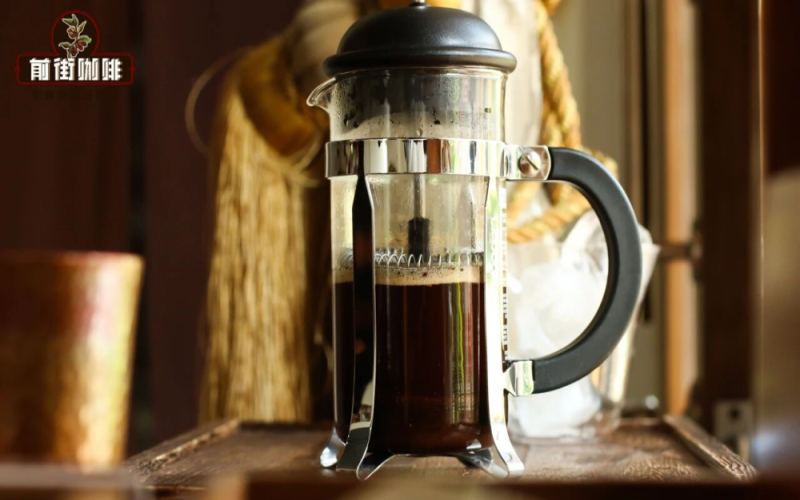
French Press vs. Pour-Over Coffee: Which Is Right for You? A Look at Grind Size, Brew Time, and Flavor Differences
The French press and pour-over are two common methods of brewing black coffee, and their most fundamental difference lies in the extraction principle: the French press relies on immersion, while pour-over relies on drip filtration. This difference directly affects the grind size of the coffee grounds, the water temperature setting, the immersion or brewing time, and the final taste performance in the cup. The French press is simple to operate, highly forgiving, and produces a full-bodied, balanced cup; pour-over, on the other hand, offers distinct layers, strong playability, and allows precise control of each stage of flavor. From the perspective of Front Street, this article systematically compares the key operating points, parameter settings, and suitable scenarios of the two, and includes a list of equipment needed for pour-over and coffee bean purchasing suggestions, to help you find the cup that suits you best. [more…]