







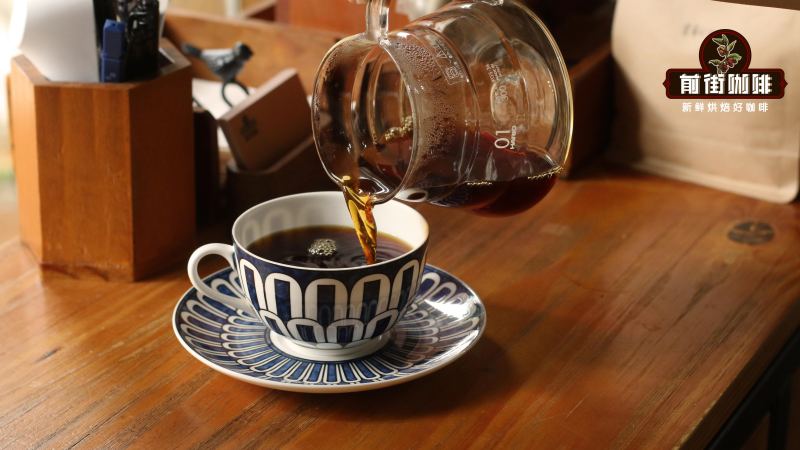
Is Drip Bag Coffee the Same as Pour-Over Coffee?
Drip bag coffee and pour-over coffee are both filter methods, but they differ in equipment and when the coffee is ground. A drip bag holds pre-ground coffee in a sealed filter, so brewing takes hot water and a cup. Pour-over requires a dripper, paper filter, a gooseneck kettle, and beans ground just before brewing.
Flavor follows those structural differences. Pre-ground drip bag coffee loses aroma faster, while fresh-ground pour-over captures more volatile compounds, which is why water temperature and coffee-to-water ratio matter more in pour-over. Drip bags suit travel and office routines; pour-over rewards the extra time. Questions about instant coffee carcinogenic risk apply to a different product category entirely, not to filter bags.
Drip bag coffee has gradually become the top choice for many coffee lovers and business travelers thanks to its convenience and relatively impressive flavor performance. But what exactly are the differences between drip bag coffee and pour-over coffee? And what details should be paid attention to during brewing? Based on the hands-on experience of Front Street Coffee, this article systematically explains the correct brewing method for drip bag coffee, the key points for controlling water temperature and coffee-to-water ratio, and the flavor tendencies of coffees with different roast levels. It also compares the core differences between drip bag coffee and pour-over coffee in terms of equipment and grinding timing, and answers common questions such as whether drip bag coffee can be brewed repeatedly and whether it belongs to black coffee, helping readers gain a more comprehensive understanding of the similarities and differences between these two types of filter coffee.
For more specialty coffee knowledge, please follow: Front Street Coffee (Frontsteet Coffee)
As coffee expands rapidly in the Chinese market, more and more young people regard coffee as a pick-me-up and a workplace essential. It is precisely because coffee is becoming increasingly widespread that drinking a cup every day seems to have become a daily habit for office workers. When there is no coffee shop downstairs in the office building, many people turn to instant coffee, which offers better value for money.
However, the growth of China's coffee market has also gradually cultivated a large number of coffee enthusiasts, who have begun to care about coffee quality and are willing to try single-origin beans from different regions. Yet visiting specialty coffee shops often costs a fair amount and takes time and effort, so many people choose to make pour-over coffee at home. But the pour-over process is indeed rather cumbersome, so customers often ask Front Street Coffee (FrontStreet Coffee): is there a method that is both tasty and simple? Front Street strongly recommends drip bag coffee.
Drip bag coffee is now quite common. On Taobao, almost every coffee bean merchant offers drip bag OEM services, and Front Street is no exception. Many self-roasting coffee shops also launch drip bags. This has brought great convenience to coffee lovers and office workers who travel frequently. At the Front Street Coffee (FrontStreet Coffee) store, drip bag coffee has always been one of the must-have items for nearby residents when traveling. But did you know? Even though drip bag coffee is easy to use and convenient, there are still some techniques to master when brewing it. Many customers who come to buy drip bags ask Front Street Coffee (FrontStreet Coffee) about the correct brewing method for drip bag coffee. In fact, the answer is very simple - just brew it as if it were pour-over coffee.
For friends who prefer coffee with floral and fruity notes, Front Street Fruit Ding Ding Drip Bag Coffee, Front Street Huakui Drip Bag Coffee, and Front Street Little Tomato Coffee are recommended... The black coffee brewed from these drip bags has obvious fruity acidity, a light body, bright acidity, and relatively low bitterness. If you prefer a richer type, it is recommended to prioritize Front Street Mandheling Drip Bag Coffee, Front Street Huilana Drip Bag Coffee, and Front Street Brazil Red Bourbon Drip Bag Coffee... These use medium-dark roasting, and the extracted coffee is mainly full-bodied in character, with flavors tending toward nuts, caramel, and chocolate.
Next, Front Street will talk with everyone about the advanced version of brewing drip bag coffee.
When Front Street brews coffee, people often ask why the cup should be preheated before brewing. Preheating the coffee cup with hot water before pouring in the coffee liquid sounds very simple, but can you believe it? This step can have a subtle effect on the flavor of the coffee you brew. The purpose of preheating the coffee cup in advance is to maintain the coffee's temperature. As everyone knows, a good cup of coffee presents different flavors as the temperature changes. If you directly use a room-temperature cup to catch the drip bag coffee liquid, the temperature of the coffee will drop significantly when it touches the cup wall, causing you to miss the flavor performance during the high-temperature stage.
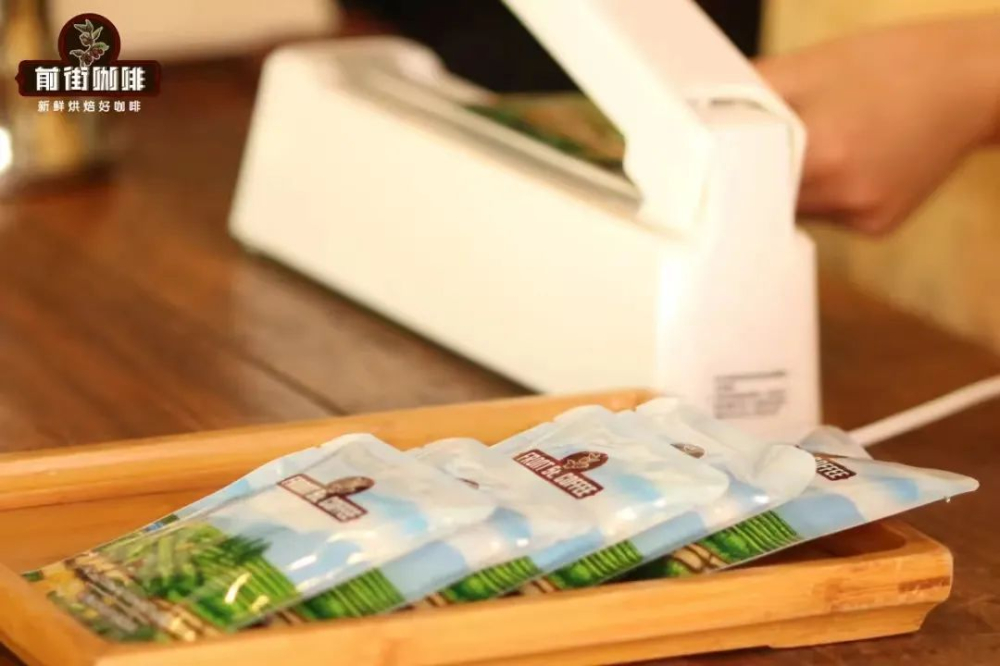
Before tearing open the outer packaging of the drip bag coffee and the opening of the drip bag itself, we should first confirm the temperature of the brewing water. This depends on your type of coffee. You can refer to the instructions on the drip bag, or follow Front Street Coffee's (FrontStreet Coffee) consistent practice: for dark-roasted beans, control the water temperature at 86-89 degrees; for light-roasted beans, control the water temperature between 90-93 degrees. Once everything is ready, we begin the correct brewing technique for drip bag coffee: the first step is blooming. Use twice the amount of water as the coffee powder. Usually a drip bag coffee weighs about 10 grams, so about 20 grams of water is enough for blooming. Pour water from the center outward to make sure all the coffee powder is wet.
Why bloom? Because the main purpose of blooming is to allow the carbon dioxide in the coffee powder to be released as quickly as possible. Not only that, after all the coffee powder comes into contact with water, subsequent extraction will more easily release the flavor substances in the coffee. After that, pour water in a circular motion from the center outward until you reach the amount of water you need. Those without a scale can mark the capacity of the cup in advance.
In addition, Front Street has other brewing techniques for drip bag coffee. Everyone knows that there are three major factors affecting pour-over coffee: grind size, water temperature, and coffee-to-water ratio. Front Street previously introduced water temperature, and here we will discuss the issues of coffee-to-water ratio and grind size with everyone. When you get a drip bag coffee packet, the coffee inside has already been ground, and the grind size is determined by the merchant. At Front Street, the grind size for drip bag coffee is the same as for pour-over coffee, because they both belong to filter coffee. But if you make coffee at home yourself, be careful to adjust the grind size according to the different brewing equipment, because the suitable grind size for each type of brewing equipment is different. Front Street has compiled the following chart here for everyone's reference:
Coffee-to-water ratio is a commonly discussed topic. If the proportion of water is too large, the coffee taste will become weaker, which Front Street generally calls "watery." If the proportion of water is too small, the concentration will increase, and the overall mouthfeel will therefore become heavier.
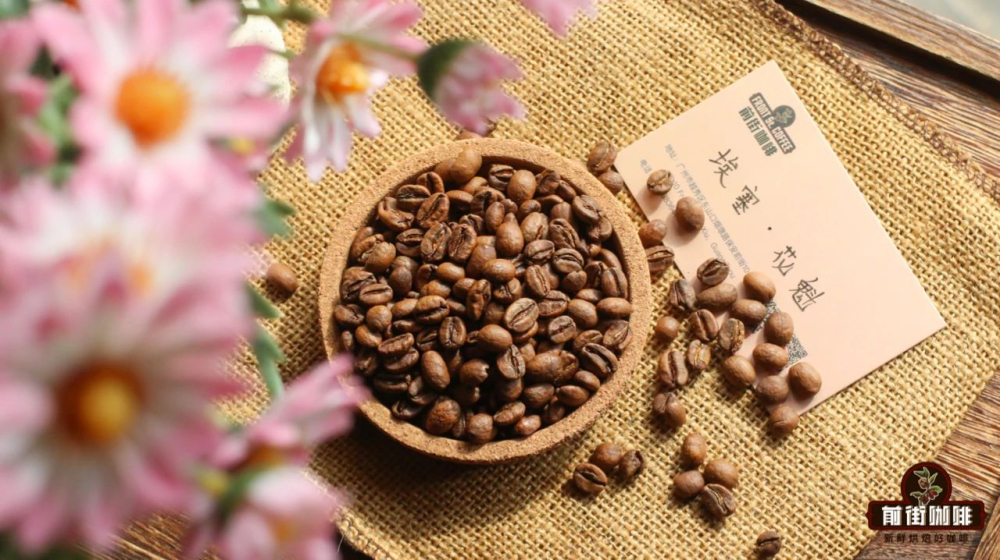
If the steps and method are the same, then what is the difference between drip bag coffee and pour-over coffee? Front Street believes that the biggest difference between pour-over coffee and drip bag coffee lies in the different brewing formats. Pour-over coffee requires certain equipment, such as a dripper, a gooseneck kettle, and a grinder. In comparison, drip bag coffee only requires carrying a small packet to enjoy a delicious cup of coffee. There is also one more point: drip bag coffee uses coffee powder that has been ground in advance, while pour-over coffee usually does not use pre-ground powder. It is best to grind fresh within two minutes before brewing.
Some neighbors come to Front Street and ask whether drip bag coffee can be brewed repeatedly. It is best not to. What everyone drinks coffee for is the taste. After the first brewing of drip bag coffee, the essence has already been extracted, and what remains is bitterness and astringency. A second brewing will not harm your health, but the taste will become watery and the astringency will increase, so Front Street strongly does not recommend repeated brewing. If you really do not want to waste it, you can reuse the coffee grounds to absorb odors, fertilize plants, and so on. Coffee grounds have infinite possibilities, and everyone can try to explore the potential of recycling coffee grounds.
Although drip bag coffee has become widespread in Front Street's view, Front Street is looking at it from the perspective of the coffee circle. The Chinese market is very large, and coffee has actually only just started, so there are still many people who have never encountered drip bag coffee, which gives rise to the question of whether drip bag coffee is black coffee. In fact, drip bag coffee is made by putting ground coffee powder into a non-woven bag, so drip bag coffee is black coffee.
The above content is compiled by CoffeeHunters, a coffee news website.


