







How do you judge the freshness of pour-over coffee beans?
Medium roast beans drop later than light roasts, so caramelization brings sweetness, soft acidity, and notes of nuts, chocolate, and maltose. Dark roasts drop latest and deliver a full body, solid aroma, mild smokiness, and lingering sweetness built on caramel, spice, and dark chocolate. Light roasts stay bright and fruity.
Three checks tell you whether pour-over beans are fresh. Read the roast date on the bag, smell the dry grounds for a clear aroma, and watch the bloom during brewing, since fresh beans degas visibly. The size of coffee bean lots varies by origin, but none of that matters if the roast is months old. Match the roast level to the brewing method.
Faced with a dazzling array of coffee beans, which one is more to your taste—medium roast or dark roast? This article starts with the flavor characteristics of light, medium, and dark roasts to help you quickly pinpoint your target based on personal preference. We've also compiled three practical tips for judging whether pour-over coffee beans are fresh—check the roast date, smell the dry aroma, and observe the blooming and degassing reaction. The article also highlights several best-selling bean offerings from Front Street Coffee that combine quality and value, from Natural Huakui to PWN Golden Mandheling—there's always one to suit your palate.
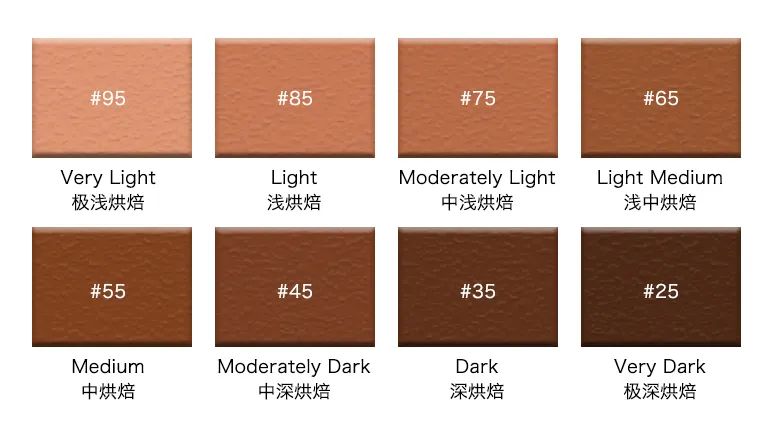
Generally speaking, coffee beans on the market can be divided into three major categories by roast level: light roast, medium roast, and dark roast. Because of different drop times, they each emphasize different flavor expressions, and understanding these differences can help you more efficiently pinpoint a coffee that matches your taste.
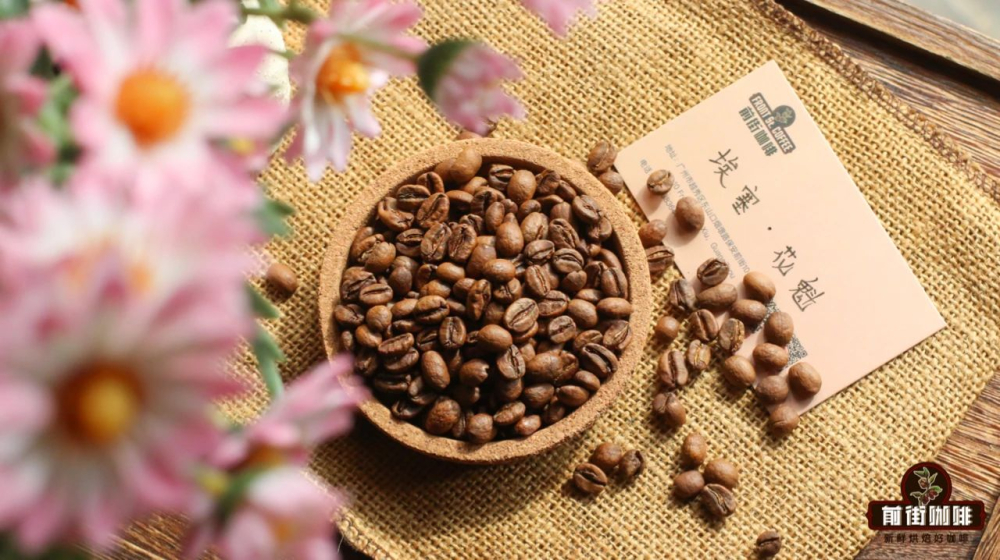
Light roast coffee beans: earliest drop time, lighter appearance, bright acidity, often with fruity notes, and some varieties can even present floral aromas—ideal for friends who prefer acidic coffee. We recommend trying Front Street Coffee. Natural Huakui, Front Street Coffee. Washed Yirgacheffe, and Front Street Coffee. Kenya Little Tomato. These beans are suitable for pour-over, cold brew, drip bags, or American-style drip filtration, and can fully showcase the clear floral notes and juice-like mouthfeel unique to light roasting.
Medium roast coffee beans: drop time later than light roast, prominent sweetness, moderate lingering sweetness, soft acidity, and due to caramelization reactions they carry aromas of nuts, chocolate, maltose, and more—suitable for those who like a balanced taste. We recommend Front Street Coffee. PNG Bird of Paradise and Front Street Coffee 2013 Yunnan Typica, suitable for pour-over, drip bags, moka pot, drip American-style, and other methods. These two coffees combine the sweet aromas of nuts and milk chocolate with a slight citrus acidity;
Dark roast coffee beans: latest drop time, rich and full-bodied mouthfeel, solid aroma, with a hint of smokiness, flavor dominated by bitterness, presenting notes of caramel, spices, toasted bread, dark chocolate, and more, with the most lasting lingering sweetness—suitable for friends who do not accept acidic coffee.
Based on best-seller data across major platforms, the most popular dark roast pour-over coffee beans include Front Street Coffee. Front Street PWN Golden Mandheling, Front Street Coffee. Colombia Huila, and Front Street Coffee. Queen's Estate.
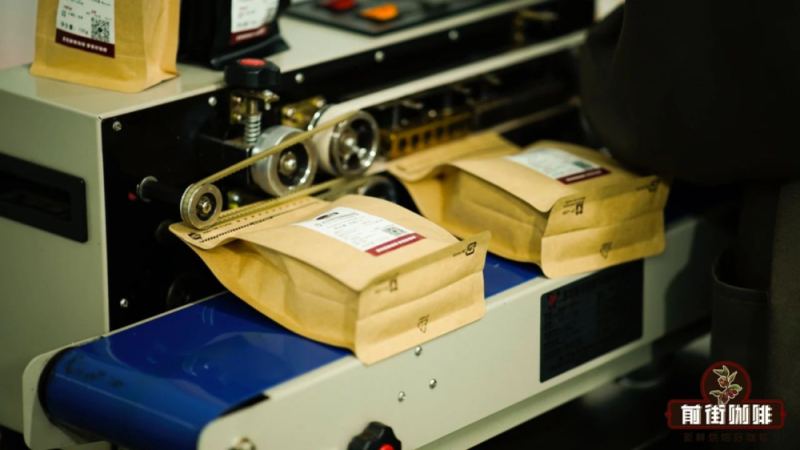
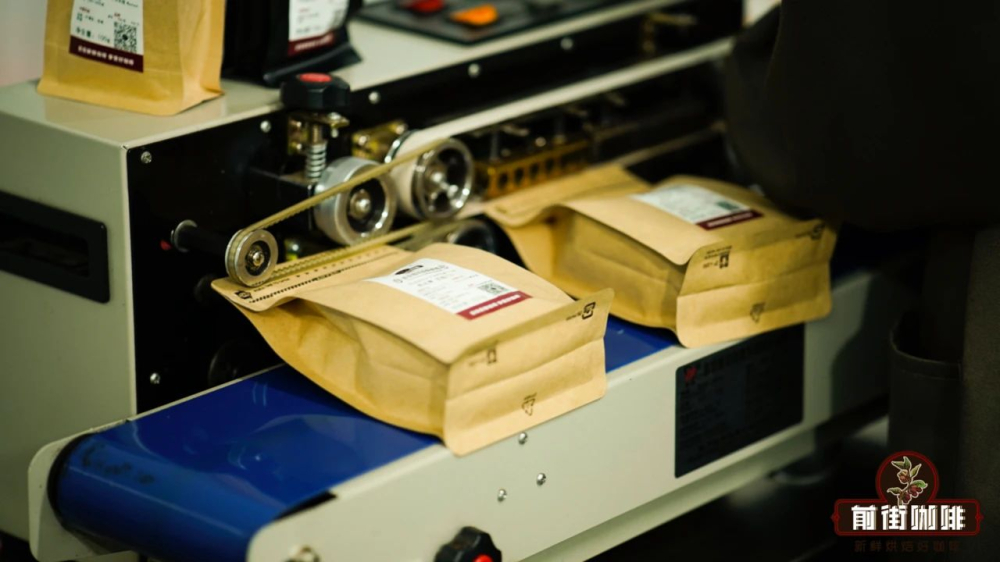
Besides choosing the right coffee beans, ensuring freshness is equally crucial. All Front Street coffee beans are freshly roasted within 5 days, with a clear roast date marked on the packaging, stable and excellent quality, and very competitive prices, shipped within 24 hours so everyone has more ample time to enjoy the flavor after receiving them.
There are three ways to judge the freshness of pour-over coffee beans. The first is to check the roast date. Coffee usually reaches peak flavor between 4 and 30 days after roasting, and it's recommended to finish drinking it within this period if possible. Of course, there's no need to worry if you can't finish it all, but note that after 30 days the quality and flavor of the coffee will gradually decline, and the longer it is stored, the flatter the taste.
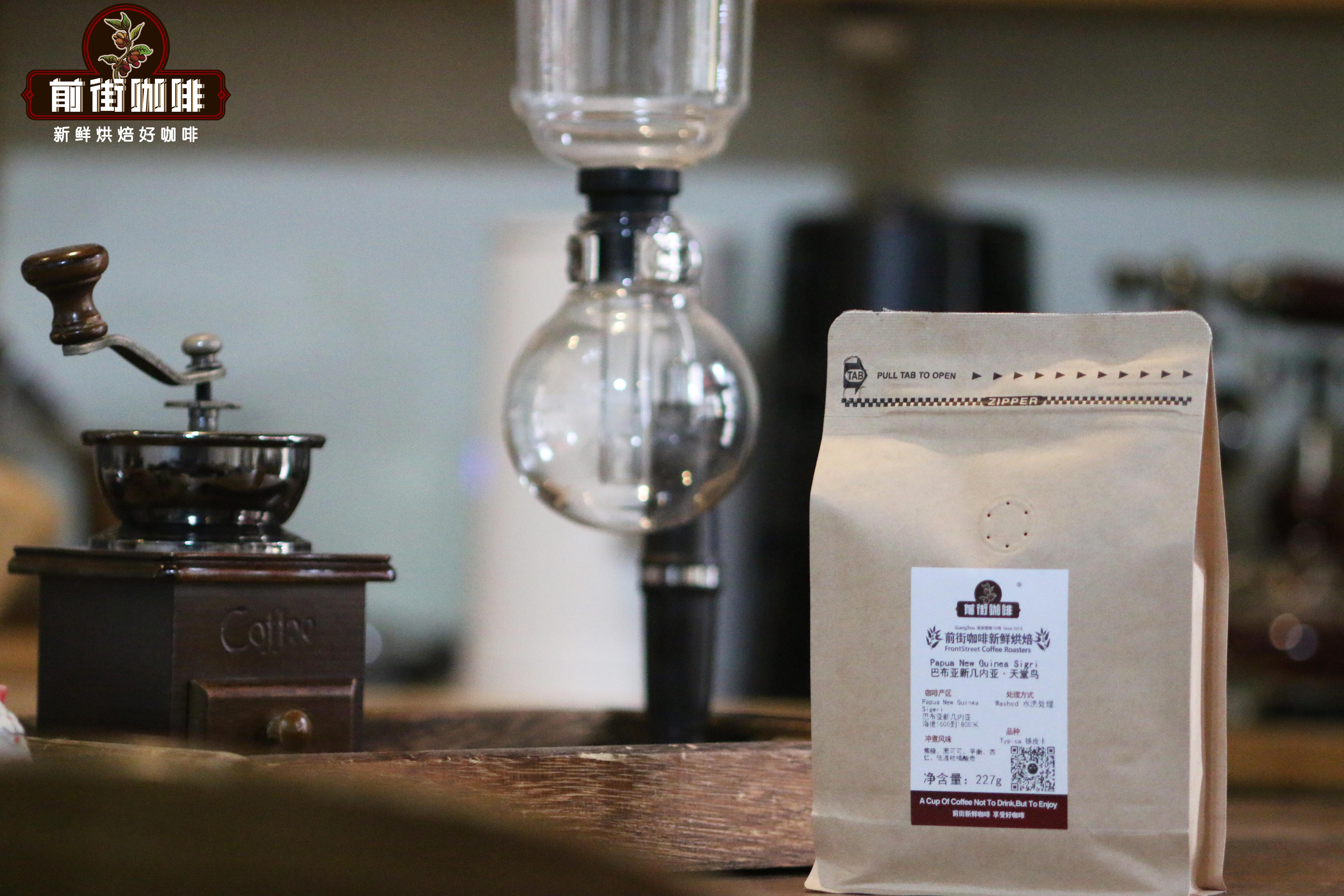
In addition to the date, you can also identify freshness by smelling the aroma. If a medium-dark roast coffee can emit a rich, pleasant caramel-like scent, or if light roast coffee grounds carry floral and fruity characteristics, then the coffee is fresh; otherwise, it is not.
Additionally, for coffee beans with a darker roast level, during the pour-over blooming stage, if the coffee grounds form a domed "little mound" after contact with water, it indicates the coffee is in a fresh state. Conversely, if after pouring hot water the coffee bed shows no degassing reaction at all and the coffee liquid simply drains straight down, then this batch of beans has likely exceeded 50 days.
The above content is compiled by CoffeeHunters, a coffee news website.


