







Search Results for: large bean species
Coffee Basics | An Analysis of the Flavor and Characteristic Differences Between Large-, Medium-, and Small-Bean Coffee Varietals
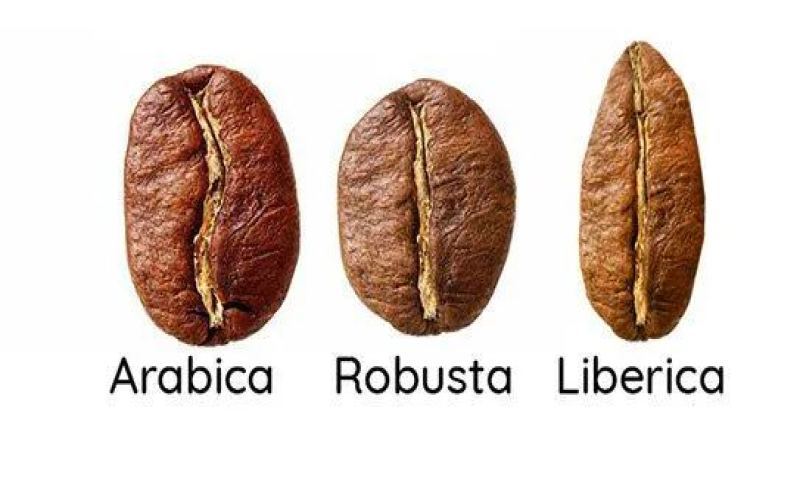
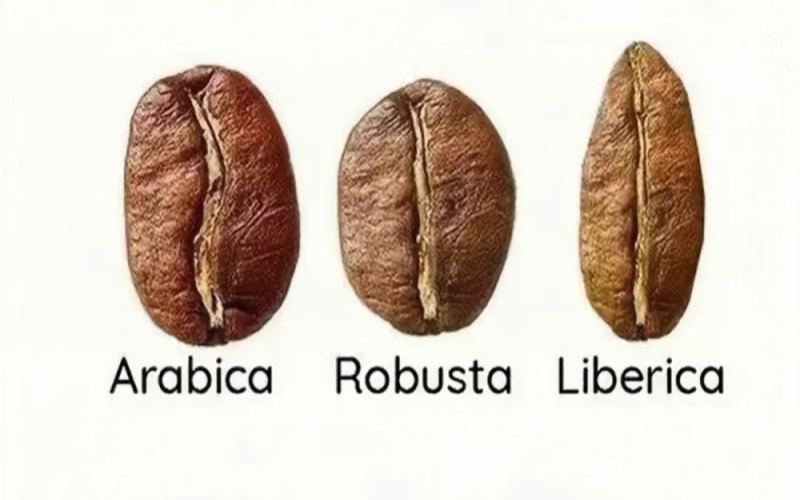
There are many varieties of coffee trees, but the cultivated varieties used for drinking mainly fall into three types: Arabica (small-bean species), Robusta (medium-bean species), and Liberica (large-bean species). They differ in plant morphology, fruit size, flavor profile, growing conditions, and commercial value. This article will systematically sort out the differences among these three types of coffee beans from the perspectives of botanical classification, appearance characteristics, flavor traits, and origin distribution, and will also answer the question of which species Yunnan small-bean coffee belongs to, helping coffee enthusiasts gain a clearer understanding of the source of the coffee they drink every day. [more…]

Arabica Coffee | What are the three main categories of coffee beans? What coffee variety is Yunnan coffee? Recommended Yunnan specialty coffee suitable for beginners
For professional coffee knowledge exchange and more coffee bean sharing, please follow Front Street Coffee (FrontStreet Coffee). In plant taxonomy, coffee belongs to the Rubiaceae family, under which there are at least over a hundred coffee species, with about eighty confirmed varieties of coffee trees, among which those used for drinking coffee [more…]
Arabica, Robusta, and Liberica: Flavor Differences and Main Producing Countries of the Three Native Coffee Species
The landscape of the coffee world is shaped by three primary species: Arabica, Robusta, and Liberica. Each has its own strengths in terms of yield, flavor, growing conditions, and uses. Arabica dominates with about 75% of the market, Robusta accounts for roughly 20%, while Liberica makes up only about 2%. This article will systematically outline the origins, major producing countries, flavor characteristics, and roles in the coffee industry of these three species, and also introduce representative beans sold by Front Street Coffee. Whether you are a beginner just getting into coffee or an enthusiast seeking more advanced knowledge, you will gain a clear framework for understanding coffee varieties and how different beans shape the flavors in your cup. [more…]
Arabica, Robusta, and Liberica: A Detailed Explanation of the Characteristic Differences and Market Value of the Three Original Coffee Bean Species
In the coffee market, "100% Arabica" has almost become synonymous with quality, but most consumers are unaware that Arabica is actually the name of a coffee bean species, not a specific beverage. Global coffee comes primarily from three native species—Arabica, Robusta, and Liberica—which differ significantly in yield, growing conditions, flavor profile, and commercial use. Among them, Liberica has nearly withdrawn from the commercial stage, Arabica dominates the specialty market with its delicate aroma, and Robusta, with its high body and rich crema, plays an irreplaceable role in espresso blends. Understanding the essential differences among these three species not only helps you see through marketing rhetoric but also enables you to make more accurate judgments when purchasing coffee. [more…]
Full Analysis of Liberica Coffee Beans: Why the Large-Bean Species Among the Three Major Coffee Varieties Is Rarely Cultivated
Liberica coffee is one of the three major commercial coffee species, standing alongside Arabica and Robusta, yet it accounts for only 2% of global consumption. This coffee tree is tall with large cherries, and its flavor is dominated by woody and smoky notes, with the lowest caffeine content among the three. It originated in Liberia, Africa, and was only cultivated artificially in the 19th century; due to the difficulty of harvesting, it has never been widely promoted. After the coffee rust outbreak in 1890, the Philippines took the lead in large-scale cultivation of Liberica, and today the Philippines remains the world's largest producer. This article will give you a comprehensive understanding of Liberica's flavor characteristics, cultivation history, and producing regions, along with product recommendations from Front Street Coffee. [more…]
Pacamara's Parent Maragogipe: The Origins of the Elephant Bean Variety and an Analysis of the Three Major Coffee Species
In the world of coffee, Arabica, Robusta, and Liberica make up the three main species. Among them, the smallest in size—Arabica—hides a "giant": Maragogipe, commonly known as Elephant Bean. This variety was discovered in Brazil in 1870, and can grow up to three times the size of ordinary Arabica, even surpassing Liberica. It is actually a mutation of Typica, with a flavor profile featuring sweet berry notes and bright citrus acidity, plus a thick, silky mouthfeel. However, its difficulty to cultivate, long maturation period, and low yield make it uncommon. This article will guide you through the origins and flavor characteristics of Maragogipe, as well as the dual meaning of "Elephant Bean" as both a variety and a grade, while also outlining the three major species of the Coffea genus. [more…]
Flavor Comparison of the Three Major Coffee Varieties: Differences Between Robusta, Arabica, and Liberica, and Front Street Coffee's Fresh Roasting Recommendations
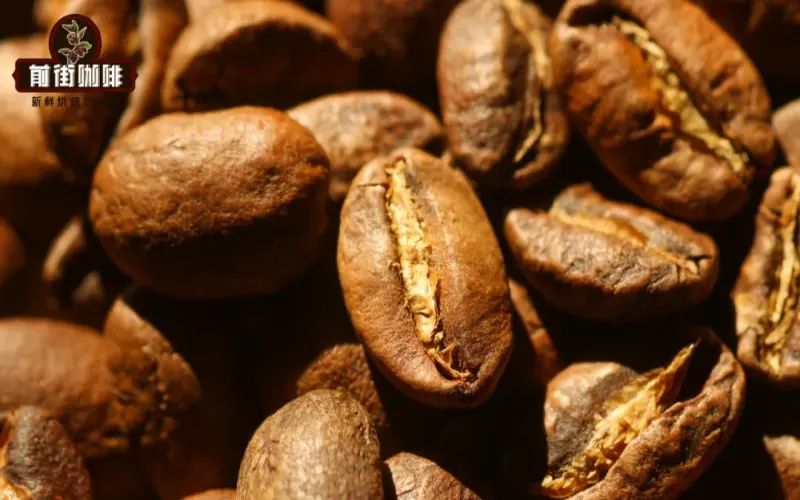
The coffee world is mainly composed of three major species: Arabica, Robusta, and Liberica, but the two most commonly encountered in everyday drinking and commercial blends are the first two. Arabica dominates the specialty coffee mainstream with its delicate and varied flavors, while Robusta, with its robust vitality and high caffeine content, plays an important role in espresso recipes and instant products. This article will systematically sort out the characteristics of the three major species from multiple dimensions such as plant morphology, growing altitude, production share, and flavor performance, and will specifically explain Robusta's position and limitations in the wave of specialty coffee. At the same time, the article will also combine Front Street Coffee's dedication to freshness and share practical suggestions such as the resting period and grinding timing, helping coffee enthusiasts more comprehensively understand the selection logic and brewing key points of different bean types. [more…]
A Comprehensive Analysis of Liberica Coffee Beans: Flavor, Cultivation History, and Current Production Status of the Third Major Coffee Species
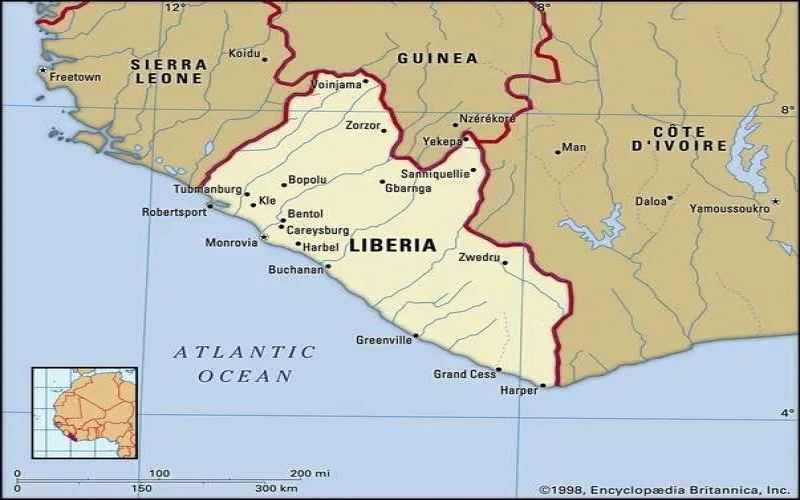
Today, with Arabica and Robusta dominating most of the market, the ancient coffee variety Liberica has quietly existed for over a century. It originated in the low-altitude forests of Liberia in West Africa, with tall trees and large fruits, and its flavor is dominated by smoky, woody, and dark chocolate notes. Although its production accounts for only about 2% of the global total, its caffeine content is the lowest among the three major original species. This article will guide you through Liberica's origins, flavor characteristics, its cultivation and development in Southeast Asian countries such as the Philippines, as well as its cultivation in China's Hainan, Guangdong, and other regions, and recommend related products from Front Street Coffee for coffee enthusiasts' reference. [more…]
Coffee Basics: From the Two Main Species to the Classification and Characteristics of Ten Common Coffee Drinks
For those new to coffee, the dazzling array of names on the menu often leaves them not knowing where to start. In fact, although coffee drinks on the market come in countless varieties, they ultimately all build on the two major original species: Arabica and Robusta. Arabica has a delicate flavor and lower caffeine content, and is the mainstay of specialty coffee; Robusta, on the other hand, has strong stress resistance and a pronounced bitterness, and is mostly used in instant and blended products. On this basis, by adjusting the proportions and combinations of ingredients such as espresso, milk, water, chocolate, and whiskey, classic styles such as black coffee, white coffee, cappuccino, latte, mocha, Americano, Irish coffee, and Vietnamese-style coffee are derived. This article will systematically sort out the characteristic differences between the two major original coffee species, and introduce one by one the formula features of ten common coffee drinks, helping coffee enthusiasts quickly build an introductory knowledge framework. [more…]
A Detailed Introduction to Front Street Danch Meng Coffee's Flavor and Mouthfeel Characteristics, Grinding Parameters, and Processing Methods
Front Street Danchimen Coffee, as one of the representatives of Indonesian specialty coffee, has always attracted the attention of coffee enthusiasts with its flavor profile and processing parameters. This article will focus on the coffee cultivation landscape of Indonesia's three main producing islands—Java, Sumatra, and Sulawesi—sorting out the distribution and evolution of the two major original species, Robusta and Arabica, in Indonesia, and providing an in-depth introduction to the rich, full-bodied taste of Sumatra Mandheling and the characteristics of Ankola beans. At the same time, we will also help you learn about the brand background and honors of the internationally renowned specialty coffee producer 90+, as well as the 90+ specialty bean series introduced by Front Street. Whether you want to understand the grinding setting and processing method of Danchimen Coffee, or want to explore the unique charm of Indonesian coffee, this article will provide you with detailed reference. [more…]
A Comprehensive Analysis of Robusta Coffee Bean Flavor Characteristics: From Aroma and Taste to the Deep-Rooted Reasons Behind Its "Notorious" Reputation
The coffee world is mainly composed of two major species, Arabica and Robusta, which differ significantly in flavor, growing conditions, and market positioning. Robusta, due to its strong adaptability and high yield, is widely used in commercial blends and instant coffee, but its bitter, smoky flavor profile is often criticized by specialty coffee enthusiasts. This article systematically reviews Robusta's botanical characteristics, the causes of its flavor, and its role in blends, while also introducing how Front Street Coffee uses a small amount of Robusta to create espresso beans with rich crema and a full body, and sharing practical tips on fresh roasting and bean resting. [more…]
What Exactly Is the Relationship Between Arabica and Typica? A Clear Explanation of Specialty Coffee Bean Variety Classification in One Article
When buying coffee, the phrase "100% Arabica" commonly seen on packaging has almost become synonymous with quality, but the classification of coffee varieties is far more complex than this phrase suggests. Under Arabica, there are numerous sub-varieties, among which Typica is the most representative. Typica has a clean, delicate flavor and high balance, but due to low yield and weak disease resistance, it is difficult to promote on a large scale. In Yunnan's production areas, Catimor is now relied upon more to fill the yield gap. This article, from the perspective of Front Street, will sort out the relationship between the two major species, Arabica and Canephora, explain in detail Typica's origins, plant characteristics, and flavor performance, and clarify why Catimor is more favored in commercial cultivation. [more…]
A Complete Analysis of the Arabica Coffee Family Varieties: Is Typica Classified Within the Arabica Camp?
The coffee world is complex and diverse, but the two most common commercial bean species are undoubtedly Arabica and Robusta. This article systematically reviews the production distribution, growing environments, and flavor characteristics of the world's three major native coffee varieties, with a focus on analyzing the Typica sub-variety under the Arabica species—from botanical classification to cup performance, answering the common question of whether Typica belongs to Arabica. The article also introduces Front Street Coffee's variety profile and includes a flavor description of Typica in the Yunnan production region, helping enthusiasts build a clear framework for understanding coffee varieties. [more…]
How Are Arabica and Robusta Different? An In-Depth Analysis of the Three Major Native Coffee Bean Species and Their Commercial Value
Walking into a café, you often see "100% Arabica" as a selling point, but what exactly is Arabica? How does it differ from Robusta and Liberica? This article sorts out the origins, growing conditions, flavor characteristics, and market positioning of the three main native coffee species, compares the different roles of Arabica and Robusta in aroma, disease resistance, caffeine content, and espresso blends, and explains the quality gap between 10-yuan and 30-yuan coffee, the varietal classification of Blue Mountain and Kopi Luwak, and how professional brands such as "Front Street Coffee" present the terroir charm of single-origin coffee. [more…]

Landrace and Heirloom in Ethiopian Coffee Beans: What Exactly Is the Difference Between Native Species and Local Varieties?
When purchasing Ethiopian coffee, the terms "native species" or "heirloom" commonly seen on packaging are already familiar to many, but in the past two to three years, a new term, "landrace," has also begun to appear frequently. What exactly is the difference and connection between the two? This article, from the perspective of Front Street, sorts out the essence of heirloom mixed harvesting, the logic behind the formation of landrace local varieties, and, using the specific case of Front Street Kafa Forest coffee beans, explains the regional story behind variety labeling. At the same time, it will also clarify a common misconception: Kafa Forest and Panama Geisha are completely different things; the former emphasizes the terroir of the origin, rather than a specific variety. [more…]
A Complete Analysis of the Three Major Coffee Varieties: Distinguishing Large-Bean, Medium-Bean, and Small-Bean Coffee and the Classification of Yunnan Small-Bean Coffee
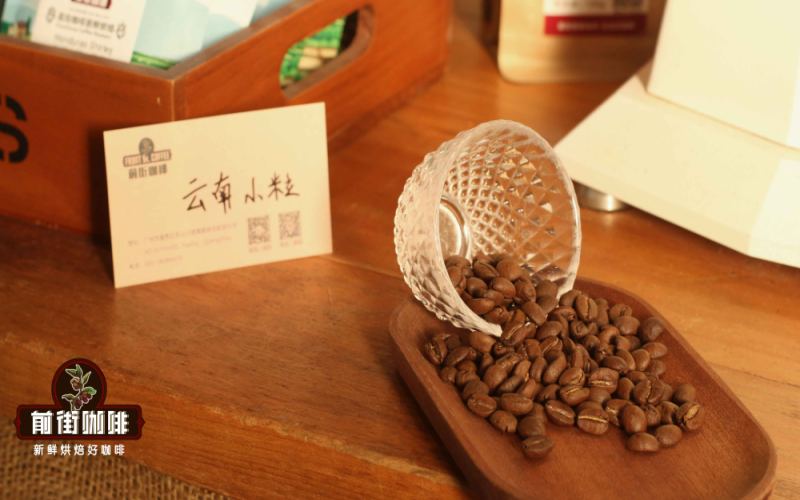
The coffee world is vast and complex. Under botanical classification alone, there are more than a hundred species, yet the cultivated varieties actually used for drinking mainly fall into three major categories: Arabica (small-bean), Robusta (medium-bean), and Liberica (large-bean). Each possesses unique botanical characteristics, growing conditions, and flavor profiles, and their yields and commercial value differ greatly. Yunnan, as China's representative coffee-producing region, grows coffee that belongs to which category? Why is it called "Yunnan small-bean coffee"? This article will systematically outline the key distinctions among the three major coffee varieties, provide an in-depth answer to the varietal classification of Yunnan small-bean coffee, and also present Front Street Coffee's Yunnan Typica and espresso blend recommendations. [more…]
Ethiopian Heirloom Coffee Beans Explained: Differences from Landrace Varieties and Grading Standards
Ethiopia, as the birthplace of coffee, boasts an astonishing variety of cultivars, with nearly 2,000 varieties recorded to date, of which 1,927 are native varieties. Ethiopian coffee beans commonly found on the market are mostly labeled as Heirloom native varieties, but in recent years Landrace local varieties and numbered varieties have gradually gained popularity. In this article, Front Street Coffee will systematically sort out the definition, classification, and identification challenges of Heirloom native varieties, analyze the origins of Landrace and numbered varieties, and introduce in detail Ethiopia's coffee bean grading standards. Finally, it recommends a number of Front Street selected Ethiopian native varieties, covering well-known products such as Gedeb, Red Cherry, Woka, Aricha, and Huakui 5.0, with roasting and brewing data shared as well. [more…]
A Complete Analysis of Coffee's Three Native Species: Regional Characteristics and Flavor Differences of Arabica, Robusta, and Liberica
Walking into a coffee shop, the menu often says "100% Arabica," but do you really understand this variety? In fact, Arabica is just one of the three native species of coffee beans, not a specific drink. This article will systematically sort out the origins, growing conditions, flavor profiles, and commercial value of the three major varieties—Arabica, Robusta, and Liberica—to help you understand the unique charm of Arabica and its core position in specialty coffee. At the same time, we will also discuss the quality gap between 10-yuan and 30-yuan coffee, the true identity of Blue Mountain and Kopi Luwak, and how Front Street Coffee presents the origin personality of single-origin coffee. [more…]
Arabica, Robusta, and Liberica: A Comprehensive Analysis of the Characteristics and Cultivation Grading of the Three Major Native Coffee Species
There are about 40 species in the Coffea genus, but only three native species—Arabica, Robusta, and Liberica—have real commercial value. They differ markedly in appearance, flavor, disease resistance, suitable altitude, and cultivation conditions: Arabica is elegant yet delicate, Robusta is hardy and intense, while Liberica is limited to localized trade in West Africa. Starting from botanical characteristics, this article systematically sorts out the origin distribution, climate and soil requirements, the complete cultivation process from sowing to harvesting, and the grading systems that producing countries have formed based on altitude, screen size, and defect bean ratios. Whether you are new to specialty coffee or want to understand the logic of origins more deeply, this foundational knowledge will help you more clearly judge the variety and terroir code behind the flavor in your cup. Front Street Coffee will also combine the key points in this article to recommend directions for your everyday purchases. [more…]
Why Is Liberica Coffee So Rare? Characteristics, History, and Pour-Over Flavor Analysis of the Large-Bean Coffee
Among the three major coffee varieties, Arabica and Robusta dominate the mainstream trading market, while the large-beaned Liberica accounts for only about 1% of global economically cultivated coffee production, making it quite rare. This time, Front Street Coffee (FrontStreet Coffee) will introduce Liberica: its plant morphology, fruit characteristics, disease-resistant advantages, and why it is more labor-intensive in post-processing. The article will also sort through its semi-wild cultivation history in Borneo, as well as its appearance and award-winning experience at the 2018 Stuttgart Coffee Summit in Germany. Finally, it will include Front Street's sun-dried Liberica hand-brewing parameters and flavor description to help you fully understand this niche coffee variety. [more…]