







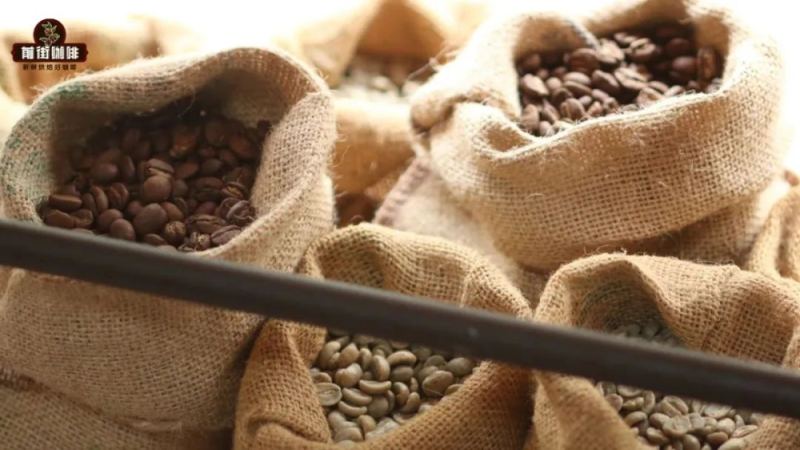
How does the arabica coffee bean family break down into varieties?
"100% Arabica" on a bag refers to the species Coffea arabica, which contains many sub-varieties. Typica is the most representative: it delivers a clean, delicate, highly balanced cup, but low yield and weak disease resistance keep it from wide commercial planting. Within the arabica coffee bean family, Typica is a distinct sub-variety rather than a synonym for the species.
Typica was first grown on Martinique and now appears in Central America, Jamaica, the Kona region of Hawaii, Papua New Guinea and East Timor. Robusta, by contrast, belongs to the Canephora species. In specialty coffee, people usually name the specific sub-variety rather than saying Arabica broadly, and Yunnan farms often plant Catimor to offset Typica's low yield.
When buying coffee, the "100% Arabica" commonly seen on packaging has almost become synonymous with quality, but the classification of coffee varieties is far more complex than this phrase suggests. Under Arabica, there are numerous sub-varieties, among which Typica is the most representative. Typica has a clean, delicate flavor and high balance, but due to low yield and weak disease resistance, it is difficult to promote on a large scale. The Yunnan production area now relies more on Catimor to fill the yield gap. This article, from the perspective of Front Street, will sort out the relationship between the two major species, Arabica and Canephora, explain in detail Typica's origins, plant characteristics, and flavor performance, and explain why Catimor is more favored in commercial cultivation.
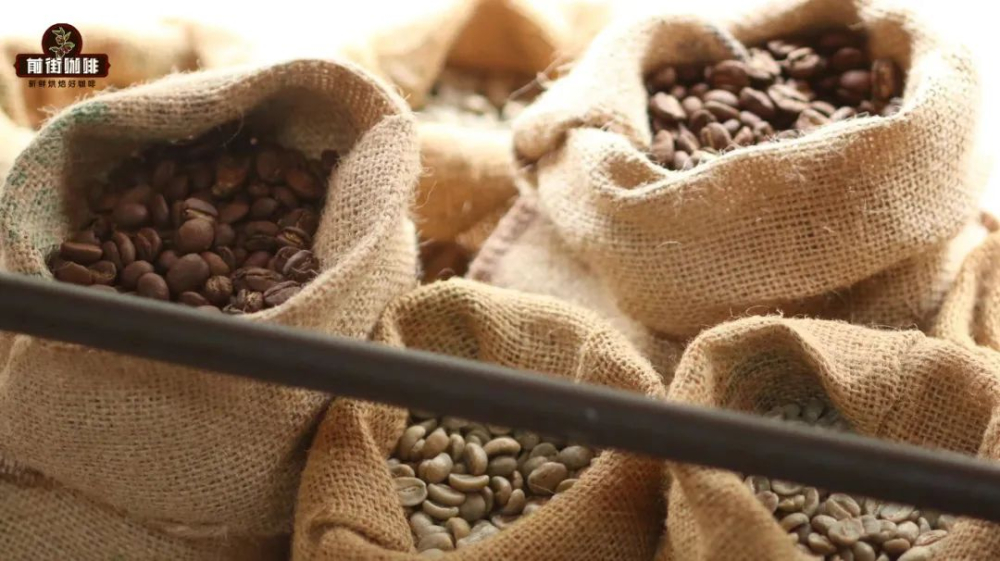
With the continuous promotion by merchants, consumers are no longer unfamiliar with coffee varieties, and "100% Arabica coffee beans" has almost become a golden signboard on shelves. However, the matter of varieties is far from being as simple as a slogan. Now let Front Street break down the details.
Robusta, strictly speaking, should belong to the Canephora species, which is a medium-grain coffee. The reason people are used to calling it Robusta directly is that under the Canephora species, people have only found Robusta as the one variety suitable for commercial cultivation, and over time the variety name has come to refer to the entire species. If classified strictly according to taxonomy, it is Canephora that stands alongside Arabica, and this type of coffee bean is mostly used to make processed coffee products.
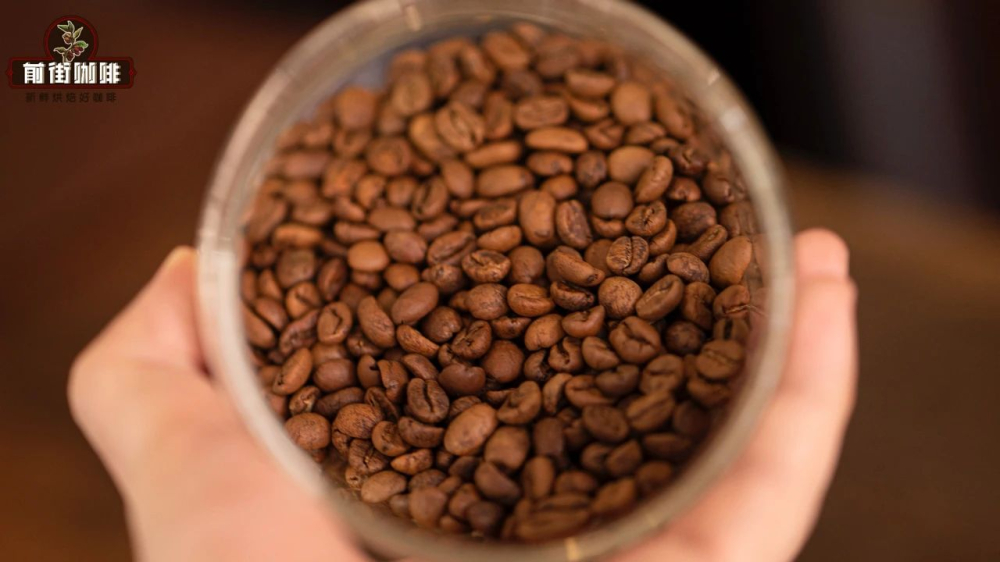
Within the Arabica species, quite a few sub-varieties have also differentiated, and Typica is a very typical one. In the context of specialty coffee, people rarely use "Arabica" in a general way to refer to a variety, but directly point out a more specific sub-name. For example, what Front Street grows in Lincang, Yunnan, is precisely Typica under the Arabica species.
Typica is a sub-variety of Arabica coffee, first grown on the island of Martinique. At present, Central America, Jamaica, the Kona region of Hawaii, Papua New Guinea, and East Timor are the main Typica-growing regions. In order to obtain higher yields from the high-quality Typica, this variety is often crossbred with other species.
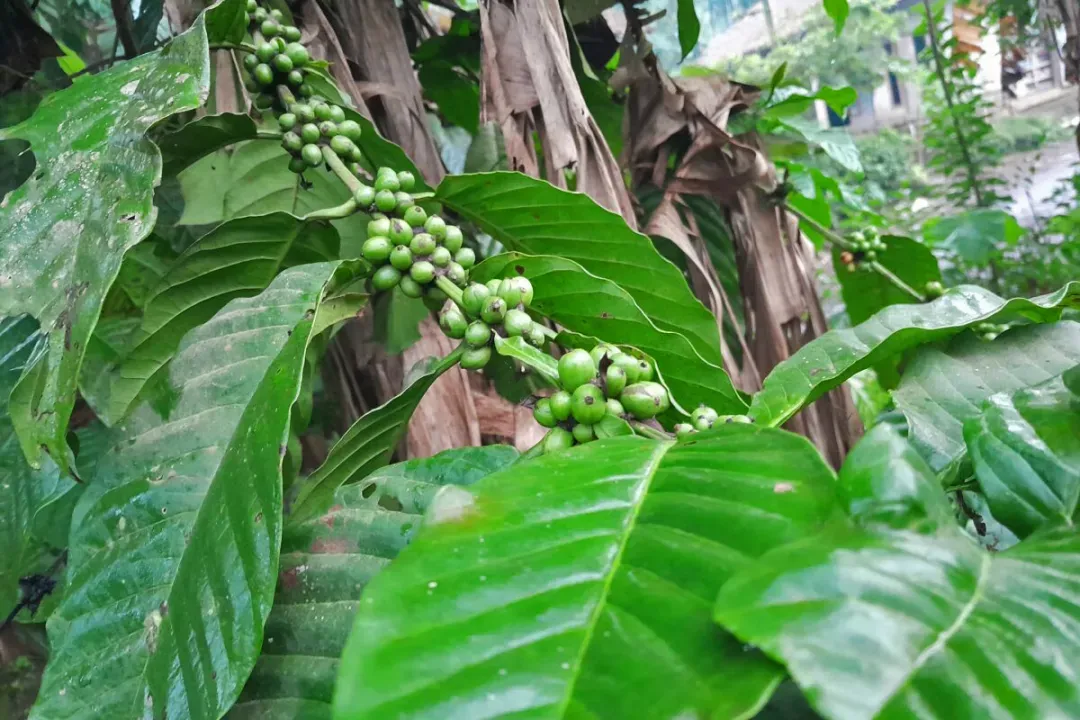
The tree form of Typica is highly recognizable and can be called one of the easiest varieties to identify. The plant is conical, with a straight upward trunk, and can grow up to 5 meters tall. This height makes the spacing between branches, and between nodes on the same branch, longer than in other varieties. The angle formed by the lateral branches and the trunk is between 50 and 80 degrees, and the branches themselves are not thick. The leaves, fruit, and green beans are mostly elongated, and the tips of the young shoots are bronze-colored. Compared with other Arabica varieties, Typica has smoother leaves and fewer wavy edges, and the fruit turns bright red when ripe.
The tip leaves of Typica are bronze-colored, which is one of its signature characteristics. The beans are relatively large, shaped as pointed ovals or slender pointed forms, so some people also call it "red top coffee." The shortcomings are low yield, a requirement for altitude, and susceptibility to leaf rust, with weak resistance to pests and diseases. Front Street Coffee (FrontStreet Coffee) found through cupping that Typica has a uniquely delicate and clean flavor, with overall balance and quite high cleanliness in the mouth.
Typica's flavor is certainly outstanding, but it has two obvious shortcomings: it is difficult to grow and has low yield. For this reason, Yunnan's current main coffee output is still borne by the Catimor variety. Catimor has one quarter Robusta genes, and judging from its biological characteristics, it is still classified under the Arabica species. Its yield is about 70% higher than Typica, and it does not need shade trees. Of course, in flavor, Catimor is slightly inferior to Typica.
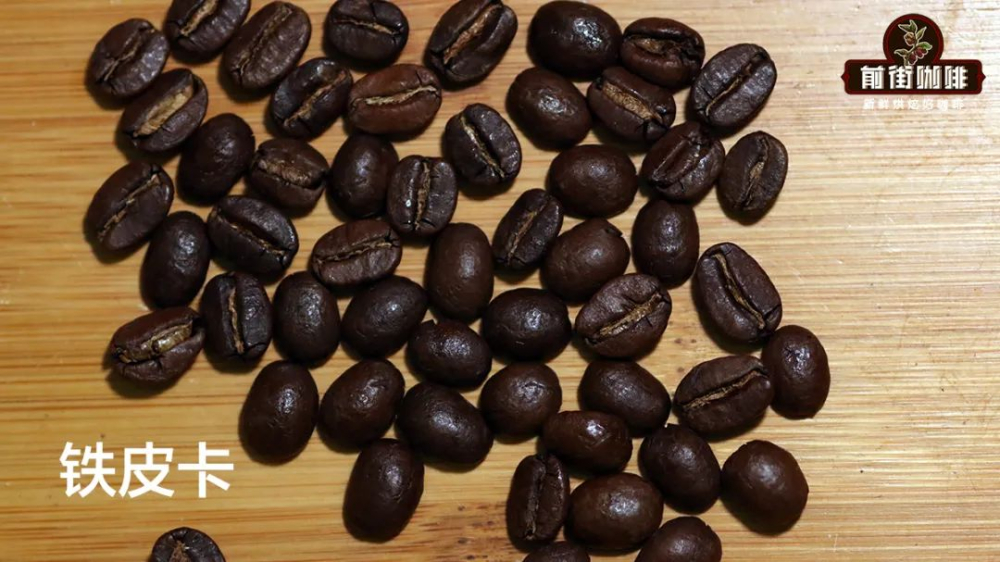
What exactly does Typica taste like? Taking Yunnan Typica as an example, Front Street used sun-dried processing and medium roasting, and the cupping showed notes of apricot preserves, Sanhua plum, and caramel chocolate.
Professional coffee knowledge exchange. For more coffee bean information, please follow Coffee Workshop (WeChat public account: cafe_style) For more specialty coffee beans, please add the private WeChat of Front Street Coffee (FrontStreet Coffee), WeChat ID: qjcoffeex
The above content is compiled by CoffeeHunters, a coffee news website.


