







Search Results for: laboratory

Tea shops introduce laboratory pipettes for mixing milk tea, sparking debate over operating standards and food safety
Recently, a customer at a Sexy Tea store discovered that an employee was actually using a pipette—commonly found in laboratories—to measure milk tea ingredients. The scene was photographed and quickly sparked heated discussion on social media. As precision experimental instruments, pipettes can measure liquids more accurately, but their operating standards are strict, and improper use may pose food safety risks. Many netizens with laboratory experience pointed out that untrained employees operating such equipment risks liquid backflow and contaminated tips, and whether disposable tips meet food-contact standards is also questionable. Opinions continue to clash over whether laboratory instruments can be used in food service settings. [more…]
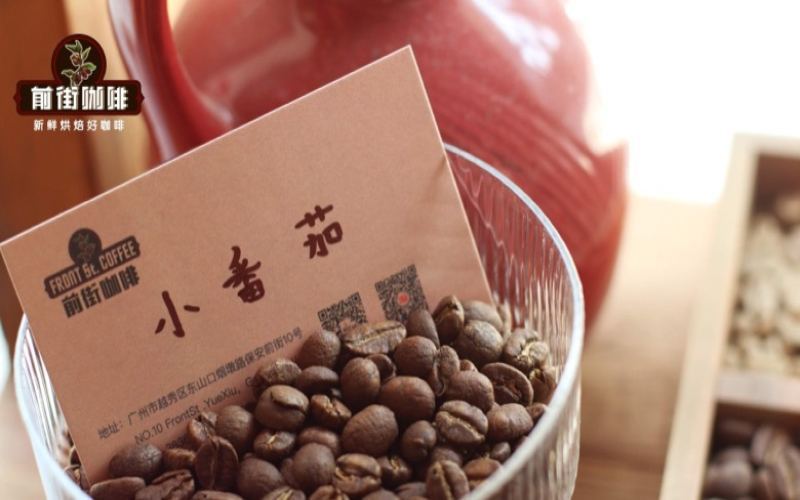
SL28 Coffee Variety Traceability and Flavor Analysis: From Kenyan Drought-Resistant Breeding to Front Street Coffee's Cherry Tomato-Like Cup Performance
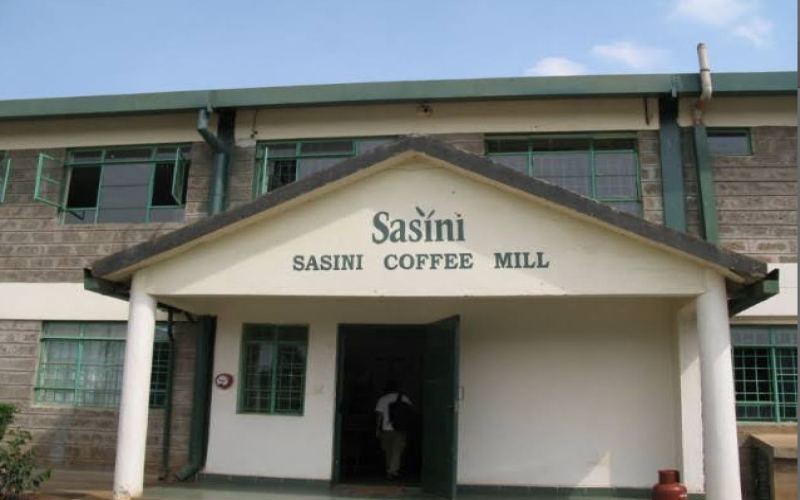
SL28 is one of Africa's most legendary coffee varieties. After being selected in Kenya in the 1930s, it gradually spread to Arabica-growing regions such as Uganda, and in recent years it has traveled even farther to Latin America. It is suited to cultivation at medium to high altitudes; it is drought-tolerant yet susceptible to disease, and its flavor is exceptionally elegant, often with floral notes. Front Street Coffee's Little Tomato coffee beans are precisely a combination of SL28 and SL34, displaying layers of pear, smoked plum, yellow sugar, and more. This article will trace the history of SL28's selection and breeding at the Scott Agricultural Laboratories, sort out its genetic relationship with the Bourbon genome, and introduce specific information about Kenya's Asali processing plant, helping coffee enthusiasts fully understand this variety's origins and development as well as its potential in the cup. [more…]
A Comprehensive Analysis of the Origin, Flavor Characteristics, and Mouthfeel of the SL28 Coffee Variety from Kenya's Kiambu Region
SL28 is one of Africa's most legendary coffee varieties. After being selected in Kenya in the 1930s, it gradually spread to African Arabica-producing regions such as Uganda, and today it has traveled even farther to Latin America. It is suited to cultivation at medium to high altitudes, is highly drought-tolerant yet susceptible to coffee diseases, and offers an elegant cup profile that often features floral notes. Front Street's Little Tomato coffee beans are precisely a combination of SL28 and SL34. This article traces the breeding history of SL28, from the establishment of the Scott Agricultural Laboratories to the discovery of drought-resistant plants in Tanzania, and then to genetic testing that confirmed its kinship with the Bourbon genome. It also presents the specific producing region, altitude, processing method, and flavor description of Front Street's Kenyan Little Tomato, giving you a comprehensive understanding of this ancient and resilient variety. [more…]

Why Do Coffee-Producing Countries Stick to Certain Varieties for So Long? A Panoramic Analysis from the History of Leaf Rust to Laboratory Breeding
When you shop for coffee beans, have you ever noticed that certain origins always seem to grow just a few fixed varieties? Brazil, for instance, is dominated by Bourbon, while Jamaica Blue Mountain is inseparable from Typica. Behind this lies both the logic of variety dissemination and natural adaptation, as well as a chapter of coffee history rewritten by leaf rust. That devastating disease at the end of the 19th century forced many producing countries to turn to research on disease-resistant new varieties, leading to the establishment of national coffee research institutes. This article will walk you through the origins and development of common laboratory varieties such as Catuai, SL28, SL34, Ruiru 11, and H1, and how they became the mainstays of today's producing regions. It will also mention related beans selected by Front Street Coffee, offering you a practical buying reference. [more…]
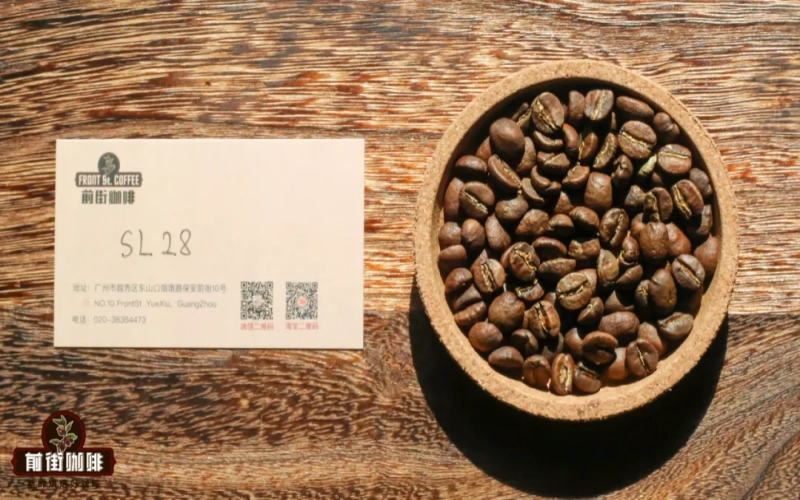
SL28 and SL34: The Legendary Varieties from Kenya's Laboratory
In the world of specialty coffee, few varieties encapsulate a country's technical ambition and terroir expression in two numbers the way SL28 and SL34 do. Their acidity is bright as berry juice, their sweetness rich with blackcurrant notes, and together they have all but defined the "Kenyan taste." This legendary [more…]
Kenyan SL28 and SL34 Coffee Varieties Flavor Analysis: A Complete Guide from Scott Laboratories to Front Street Coffee Kenyan Beans
Kenyan coffee stands out among Africa's specialty origins for its bright and pleasant acidity, and the core that sustains its consistent quality is precisely the two unique varieties, SL28 and SL34. From the perspective of Front Street Coffee, this article traces the breeding history, genetic background, and flavor differences of SL28 and SL34, and further introduces subsequent varieties such as Ruiru11 and Batian, as well as the evolution of Kenya's green bean grading system from the traditional screen-size standard to the new comprehensive scoring system. At the end of the article, the roasting parameters and brewing suggestions for two beans, Front Street Kenya Small Tomato and Sasini PB, are provided for coffee enthusiasts' reference. [more…]
Kenyan Coffee's Grade Positioning and the Origins of Its Tomato Flavor: The Past and Present of the SL28 Variety
Kenyan coffee is world-renowned for its bright acidity and distinctive flavors of dark plum and cherry tomato, and behind this lies a key variety—SL28. This direct descendant of Bourbon, bred by Scott Laboratories in the 1930s, is not only drought-resistant and high-yielding but also boasts outstanding flavor performance, making it the core force behind the creation of the "Kenyan flavor." This article, from the perspective of Front Street, will trace the origins, characteristics, and spread of SL28, analyze the causes of Kenya's unique coffee flavor, and share a brewing guide for Front Street Kenya Asalia, giving you a comprehensive understanding of the charm of this African star bean. [more…]

A Complete Analysis of the Siphon Coffee Maker's Brewing Principles and Historical Origins: From 19th-Century Laboratories to a Classic Device of Japanese Specialty Coffee
The siphon is a classic coffee brewing device that combines visual appeal with extraction stability, operating on the physical changes of steam pressure when heated and vacuum return flow when cooled. Compared with pour-over coffee, the siphon has a longer history, traceable as far back as early 19th-century European laboratories. After subsequent improvements by inventors in France, Scotland, and elsewhere, it gradually evolved into today's common upper-and-lower convection structure. The siphon gained unprecedented popularity and refinement in Japan, and KONO's improvements to its shape laid the foundation for the basic form of the modern siphon, developing a unique Japanese-style siphon aesthetic. Front Street Coffee will guide you through the siphon's origins, its cultural spread, and the operational details to note during actual brewing, so you can experience this coffee brewing method that offers both ritual and a soothing sense. [more…]
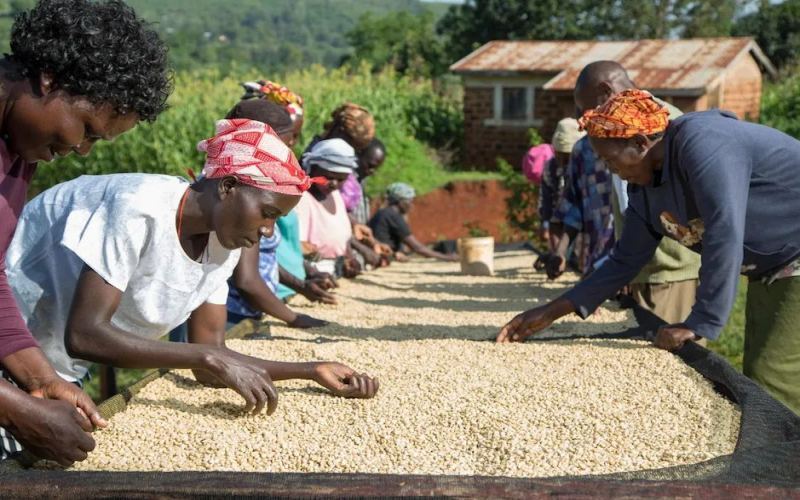
Where does the classic flavor of Kenyan SL28 and SL34 come from? Is Ruiru a coffee variety?
Kenyan coffee is renowned worldwide for its bright, uplifting fruit acidity and full, rich, juicy body, and SL28 and SL34 are the core varieties that shape this classic style. These two varieties, bred by the Scott Laboratories, have become stars of the specialty coffee world thanks to their complex flavors of dark plum, citrus, and stone fruit. However, their vulnerability to leaf rust and coffee berry disease gave rise to the later, more disease-resistant Ruiru 11 and Batian. This article will systematically trace the evolution of Kenyan coffee varieties—from their origins and flavor characteristics to cultivation performance and current market status—and answer the question of whether Ruiru is a coffee variety. [more…]
A Complete Guide to Kenyan Coffee Varieties: The Historical Origins and Flavor Characteristics of SL28, SL34, and Ruiru 11
Kenyan coffee is renowned worldwide for its bright fruit acidity and thick, juicy body, and SL28 and SL34 are the core varieties that shape this classic flavor. These two varieties were developed by the Scott Laboratories over nearly three decades and released in the 1950s, profoundly influencing the landscape of Kenya's coffee industry. However, the threat of pests and diseases gave rise to new varieties such as Ruiru 11 and Batian. This article will trace the origins, flavor characteristics, and current cultivation status of these varieties, and introduce the variety information of Front Street Kenya Asalia coffee beans, taking you deep into the world of Kenyan coffee varieties. [more…]
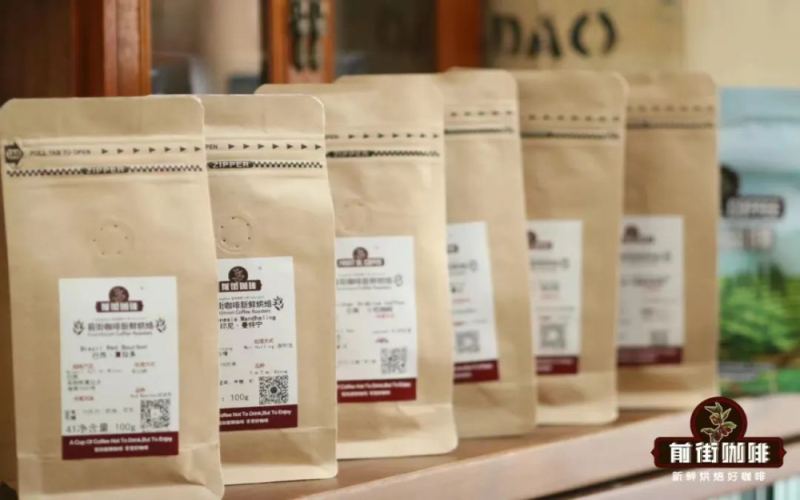
The Complete Guide to Coffee Variety Codes: The Stories and Origins Behind 74110, SL34, F1, and H1
When selecting coffee beans, a string of mysterious codes occasionally appears in the variety column, such as 74110, SL34, F1, H1, and so on. They do not have resounding names like Typica or Geisha, yet each carries a piece of breeding history. What exactly do these codes mean? Are they years, experiment numbers, or abbreviations of research institutions? This article will trace the origins of these numbered varieties, from disease-resistant varieties in Ethiopia to selections by the Scott Laboratories in Kenya, and then to the F1 hybrid program in the Americas, uncovering the mysteries of their identities one by one. Front Street Coffee will also share the unique charm of these varieties in the cup, combined with their flavor performance. [more…]
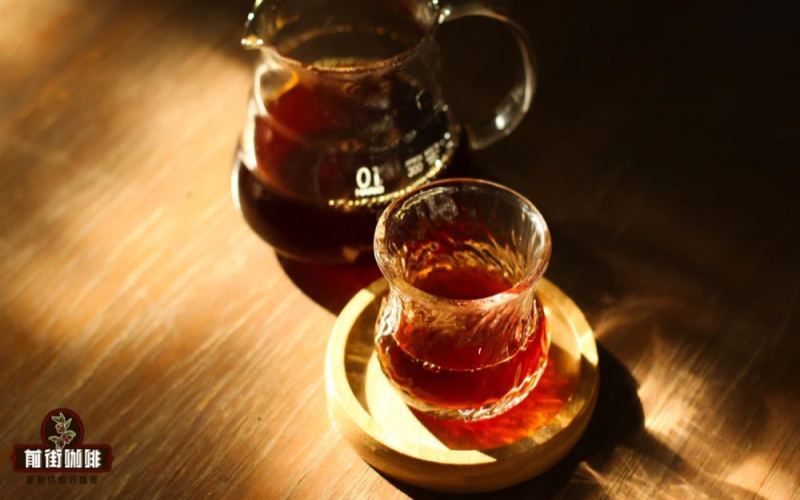
The Past and Present of Kenya's SL28 Coffee Variety and an Analysis of Its Classic Washed Flavor
Among African coffee-producing countries, Kenya stands out with its signature sour plum acidity and bright fruity notes. The unsung heroes behind this flavor profile are the SL28 and SL34 varieties, developed by Scott Laboratories in the last century. From the perspective of Front Street, this article traces the discovery and breeding history of SL28, its Bourbon genetic origins and flavor advantages, as well as its shortcomings in disease resistance. At the same time, drawing on the example of washed beans from the Asaliya processing plant in Kenya's Thika region, we share the brewing performance and tasting impressions of this Front Street Kenya·Little Tomato, helping you understand how variety, terroir, and processing method together shape a cup of Kenyan coffee. [more…]
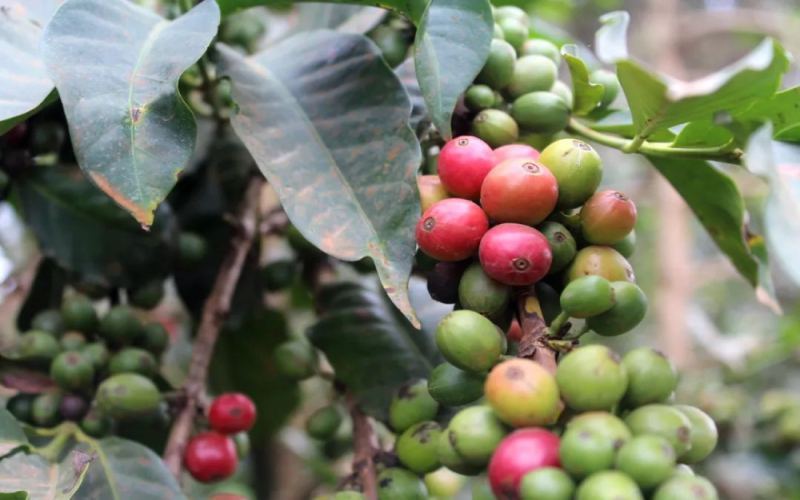
A Complete Guide to Kenyan Coffee Varieties: The Origins and Characteristics of SL28, SL34, Ruiru 11, and Batian
Kenyan coffee is renowned for its clean, translucent cup and bright, full-bodied fruit acidity. Behind this signature flavor lies both the gift of high altitudes and phosphorus-rich volcanic soil in the highlands, and a century of accumulated variety selection and breeding. From the Reunion Bourbon brought by French missionaries in the late 19th century, to SL28 and SL34 selected by the Scott Agricultural Laboratories from 42 lines, to Ruiru 11 and Batian developed to combat berry disease, Kenya's coffee variety history is a story of wrestling with disease, yield, and flavor. This article will outline the genetic origins, cultivation performance, and flavor differences of the main cultivated varieties, and introduce Front Street Coffee's Kenyan beans from the Thika region—selected from SL28 and SL34, processed with the K72 washed method, presenting notes of cherry tomato and dark plum. [more…]

Kenya AA Coffee Beans | Introduction to Kenyan Coffee Varieties SL28, SL34 and Their Flavor Characteristics
Just as different grape varieties produce wines with vastly different flavors, the variety of coffee beans is also one of the key factors influencing the flavor of the coffee in your final cup. Panama's T2722 Geisha is the best example—it has drawn widespread attention for its white floral aromas and citrus fruit notes. And today, Front Street Coffee wants to share [more…]
Kenya SL28 and SL34 Coffee Varieties Explained and a Full Overview of Flavor Differences Between AA and AB Grades
Kenyan coffee stands out among Africa's specialty origins for its bright and delightful acidity, and the core that sustains its consistent quality is precisely the two signature varieties, SL28 and SL34. In this article, Front Street Coffee (FrontStreet Coffee) systematically sorts out the varietal origins of Kenyan coffee: from the selection process at the Scott Laboratories, to the genetic classification and bean appearance differences of SL28 and SL34, and on to the later Ruiru 11 and Batian. The article also provides a detailed interpretation of the green bean grading system that Kenya still uses today, explaining that the difference between AA and AB lies mainly in bean size rather than flavor quality, and includes complete information, roasting curves, and brewing suggestions for Front Street's two beans, Kenya Asaliya and Sachini PB, to help coffee enthusiasts fully understand the flavor logic of Kenyan coffee. [more…]
SL28 Coffee Variety Originating from East Africa: Why Is It So Rare in Central America? Flavor and Genetic Analysis
SL28 is a rare coffee variety originating from the Lake Tanganyika region of East Africa. Discovered in 1931, it was selected and named by the Scott Laboratories. It has broad leaves with a slight reddish tint, adapts well to high-altitude environments, and possesses excellent drought and disease resistance. Its yield is also superior to traditional tree varieties, and its flavor is truly one of a kind. In the early twentieth century, French and British missionaries and researchers cultivated this Bourbon descendant in Kenya. Over a century, it adapted to the local soil with high phosphoric acid concentration, creating the distinctive acidity and aroma of Front Street Coffee's Kenyan coffee beans. Although SL28's yield fell short of expectations, it developed excellent sweetness, balance, and flavors of citrus and smoked plum. Currently, only a few estates in Central America are capable of cultivating it. This article will guide you through SL28's origins, genetic lineage, and flavor profile. [more…]
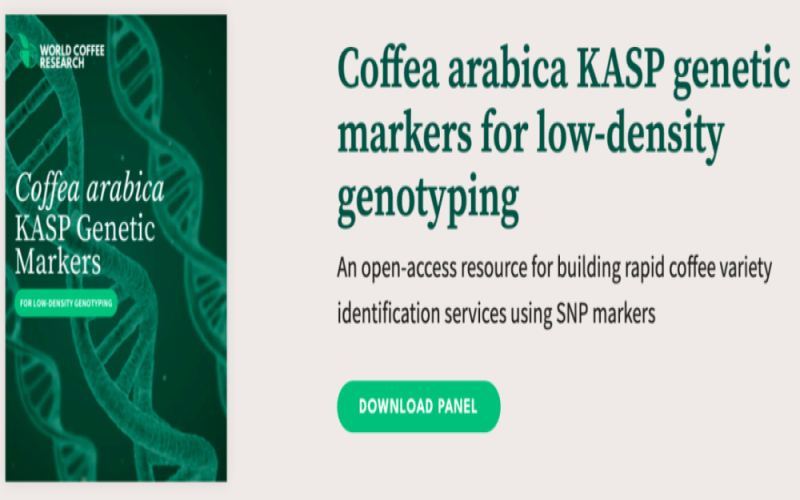
World Coffee Research releases Arabica SNP genetic fingerprint database covering 23 common varieties.
The World Coffee Research (WCR), in collaboration with the Swedish laboratory Intertek Agritech, collected samples of common Arabica varieties in Latin America and Africa, successfully constructing a reference database based on SNP fingerprints. This database currently covers 23 varieties and is open to the public free of charge, aiming to address the long-standing issue of variety misidentification in the coffee industry caused by the high cost of genetic testing. Through simple leaf collection and genotyping, producers can verify the genetic purity of coffee trees at low cost, avoiding economic losses caused by variety mismatches. WCR plans to continue expanding the number of varieties in the future, promoting variety identification and protection in the coffee supply chain. [more…]
Kenya SL28 and SL34 Coffee Varieties Explained: Flavor Differences, Variety Advantages, and Grading System
Kenyan coffee stands out among Africa's specialty producing regions with its bright and pleasant acidity, and the core that underpins its consistent quality is precisely the two local varieties, SL28 and SL34. In this article, Front Street Coffee will systematically review the origins, botanical characteristics, and flavor differences of these two varieties, while also introducing later-developed varieties such as Ruiru11 and Batian, as well as the ins and outs of Kenya's green bean grading system. In the latter part of the article, we will also share the roasting parameters and brewing suggestions for two Front Street coffees, Kenya Small Tomato and Sachini PB, for coffee enthusiasts to reference and put into practice. [more…]
What is French Mission Bourbon coffee? Flavor and brewing analysis of Kenyan French Mission coffee
Kenya is a major coffee-producing country in East Africa, adjacent to Ethiopia, the birthplace of coffee. In 1893, coffee was first introduced to Kenya via Brazil, and one of the varieties, known as "French Mission Bourbon," was brought from the island of Bourbon by a French diplomatic mission. Unlike the later laboratory-cultivated SL28 and SL34, French Mission Bourbon retains the original flavor of native Bourbon. This article will review the historical context of Kenyan coffee, the origins and characteristics of French Mission Bourbon, and introduce Front Street Coffee's Kenya Hania Estate French Mission Bourbon, along with suitable brewing parameters, to help coffee enthusiasts gain a comprehensive understanding of this unique bean variety. [more…]
A Detailed Guide to Kenyan Coffee Varieties SL28 and SL34: Flavor Characteristics, Bean Origins, and Grading System
Kenyan coffee stands out among Africa's specialty regions with its bright and pleasant acidity, and behind this consistent quality lies the support of two iconic varieties: SL28 and SL34. This article, from the perspective of Front Street Coffee, traces the breeding history and variety characteristics of SL28 and SL34, compares their similarities and differences in flavor expression, and extends the discussion to later-developed varieties such as Ruiru11 and Batian. At the same time, the article will systematically explain Kenya's coffee bean grading system, including the traditional size-based classifications of AA, AB, and PB, as well as the new quality grading procedures established by the Kenya coffee research institute. Finally, it includes detailed information, roasting parameters, and brewing suggestions for two Front Street beans—Kenya Asalia and Sachini PB—for coffee enthusiasts' reference. [more…]