







Search Results for: judging coffee spoilage

Is swollen coffee bean packaging a sign of spoilage or normal degassing? An in-depth analysis of the causes of coffee bean bag swelling and how to judge whether it's safe
The coffee bean bag you brought home is bulging—is it spoiled or is this normal? Many coffee lovers have encountered this question. In fact, a swollen coffee bag doesn't necessarily mean the beans have gone bad—roasted coffee beans continuously release carbon dioxide, which is the main reason the packaging expands. However, not all swollen bags are harmless; if accompanied by a musty or sour odor, that's a different story. This article will walk you through the chemistry of coffee bean degassing, the mechanism of one-way degassing valves, and why dark-roasted beans are more likely to make packaging bulge, helping you accurately judge whether the coffee beans in your hands are still safe to enjoy. [more…]

How Long Can Coffee Beans Be Stored? Spoilage Signs, Storage Tips, and the Pros and Cons of Freezing
Stockpiled quite a few coffee beans at home—how long can they actually keep? Does the 12-month shelf life on the label equal the optimal flavor period? This article starts with the principles of coffee compound degradation, explains why improper storage causes coffee to lose its flavor prematurely, and offers practical ways to tell if coffee has gone bad. It also compiles preservation principles such as sealing, keeping cool, and keeping dry, analyzes the pros and cons of freezing coffee beans, and reminds you to drink them as soon as possible after opening the bag. If the coffee smells musty, has a moldy odor, or looks abnormal in color, Front Street recommends discarding it for drinking and repurposing it as a deodorizer instead, to avoid affecting your health and taste experience. [more…]
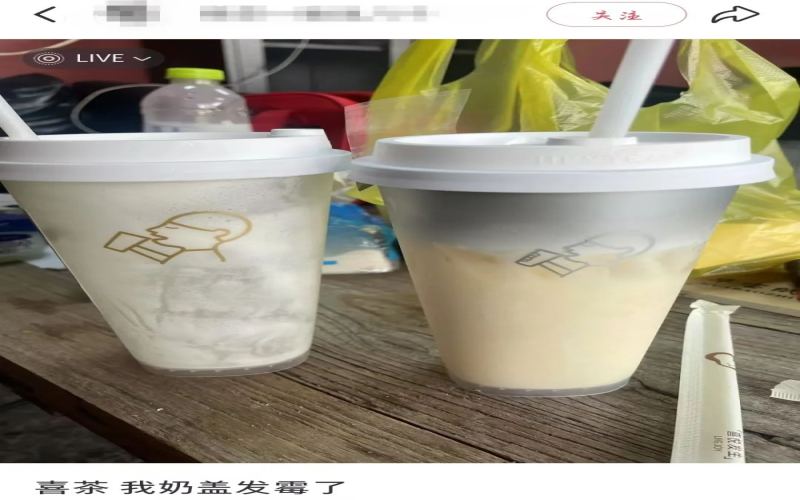
Heytea's new silver-coated cold drink cup sparks debate: the milk cap line is obscured, consumers mistake it for spoilage, and staff find it inconvenient to use.
Heytea recently switched to new transparent plastic cups for cold drinks, adding a silver-gray decorative coating to the top of the cup and changing its brand logo to silver-gray as well. This design change has sparked discussions from multiple sides: some customers mistakenly thought the milk cap had gone moldy, milk cap lovers worried they could no longer judge the amount of milk cap by appearance, and some netizens felt the silver coating easily reminded people of something inedible or spoiled. Meanwhile, Heytea employees also reported that the fill lines and milk cap lines on the new cups were hard to recognize because they were obscured by the coating, making it more difficult to judge product standards when manually adding milk cap. Although the new cups look more layered and premium in photos, the misunderstandings and inconvenience in actual use have come along with them. This article is compiled from Coffee Workshop, and Front Street Coffee presents the full picture of the incident for you. [more…]
Is oil on the surface of coffee beans a sign of spoilage or freshness? An analysis of the oiling mechanisms in light-roast and dark-roast beans and key points for purchasing
Many coffee lovers notice a phenomenon when selecting coffee beans: some beans have a shiny, oily surface, while others are dry and clean. What exactly does this "oiliness" mean? Is it a sign of declining quality, or is the flavor at its peak? In fact, the oil on the surface of coffee beans is not真正的油脂—it is a class of water-soluble organic substances that contain abundant aromatic compounds. The oiliness phenomenon is closely related to the roast level and storage time: medium-roast beans typically develop spotty oiliness a few days after roasting, then gradually lose flavor; dark-roast beans develop heavy oiliness soon after roasting, and after three weeks the sheen fades and the flavor is completely gone. When purchasing, you cannot judge freshness simply by "shiny" or "dry"—you need to consider the roast date and roast level together. This article will break down in detail the causes of coffee bean oiliness and provide practical buying advice. [more…]
How to Tell If Coffee Beans Are Oily, Damaged by Moisture, or Fresh? A Complete Answer on Whether They're Still Drinkable After Moisture Damage
Is the oily sheen on coffee beans a sign of freshness or spoilage? Can beans that have absorbed moisture still be brewed? Many people new to coffee are troubled by these phenomena. This article will address two common questions about coffee beans—oiliness and moisture absorption: first, explaining the source of oils on the bean surface and how roast level affects when and how oiliness appears; then clarifying the typical signs of moisture-affected beans in appearance and brewing, and how to judge whether a bag of beans is still fresh. The article will also use specific examples such as Front Street Indonesia Golden Mandheling coffee beans to help readers understand the optimal flavor period and key storage points, so that every cup of coffee retains as much of its intended flavor as possible. [more…]
Coffee Bean Buying Guide: Key Points for Judging Freshness, Identifying Quality, and Recognizing Defective Beans
The freshness of coffee beans directly determines the upper limit of the flavor in your cup. Starting from practical buying tips, this article teaches you how to tell whether beans have absorbed moisture or oxidized by squeezing them by hand, chewing them, and smelling their aroma, and explains why freshly roasted beans need to rest for a week before being brewed. At the same time, the article also introduces the consistency differences between single-origin beans and blend beans in terms of particle size and color, as well as the spoilage signal indicated by oil appearing on light-roast beans. In addition, the article lists common types of defective beans, including fermented beans, dead beans, black beans, insect-bored beans, and broken beans, to help you quickly screen out high-quality coffee beans by appearance. It is recommended to buy only as much as you can consume within half a month, and the related products from the Front Street Coffee brand are also worth paying attention to. [more…]
The Complete Guide to Coffee Bean Freshness: From Identifying Freshness to Grinding Timing and Scientific Storage Methods
Coffee's flavor peak is extremely brief, and roasted beans continuously lose aroma over time. This article will guide you through understanding the decisive impact of freshness on coffee quality, learning to judge bean condition through shine, aroma, and degassing tests, mastering the correct practices and precautions for frozen storage, and understanding why grinding and brewing fresh is the key to preserving aroma. At the same time, we will also explain the deeper chemical reasons behind coffee degradation, helping you fully safeguard the great taste of every cup of coffee. [more…]
Is It Normal for Dark Roast Coffee Beans to Have an Oily Surface? A Buying Guide for Fresh Dark Roast Beans and Single-Origin Espresso Beans
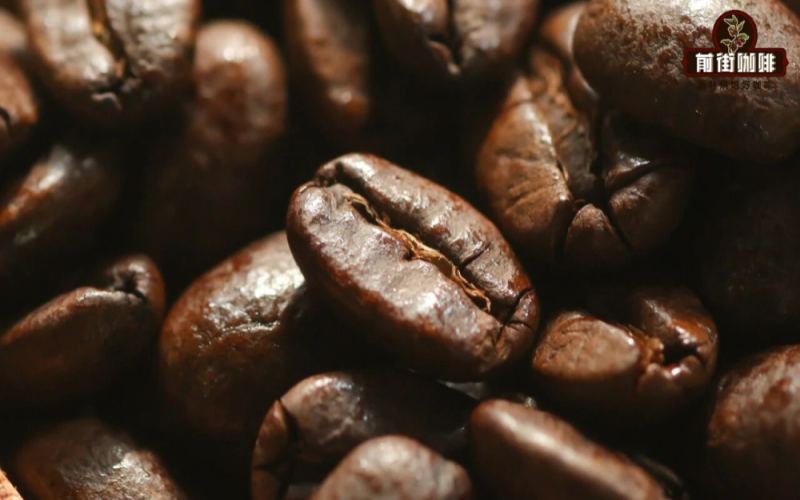
Many coffee lovers who prefer a rich, full-bodied taste will prioritize dark-roasted coffee beans, but they often find that the surface of the beans is covered with a sheen of oil, while beans of other roast levels are relatively dry. What exactly is this layer of "oil"? Does it indicate a quality problem or moisture exposure? In fact, oil on coffee beans is a natural phenomenon closely related to the degree of roasting. It neither proves that the beans are high quality nor is it a sign of spoilage. Rather than agonizing over whether the beans are oily, when buying coffee you should pay more attention to the roast date and freshness. This article will start with the principle behind oil production, explain the criteria for judging freshness, and recommend several dark-roasted coffee beans suitable for people who dislike acidity, including Front Street Coffee's best-selling single-origin coffees and espresso blends, to help everyone find the ideal choice that is rich, full-bodied, and has a lasting sweet aftertaste. [more…]
Is it normal for dark roast coffee beans to be oily? And how should you deal with moisture-affected pour-over beans?
Coffee beans developing an oily sheen on their surface is a common source of confusion for beginners—does it mean they've been sitting too long? Does it mean they've gone bad? In fact, oiliness is closely tied to roast level and does not directly equate to a decline in freshness. At the same time, the signs of coffee beans absorbing moisture are often hard to detect with the naked eye, yet they reveal themselves during brewing. This article walks through the practical knowledge of identifying coffee bean condition, from the causes of oiliness and the effects of roast level to judging moisture absorption and key storage points. Front Street Coffee also draws on everyday experience to offer drinking suggestions within the peak flavor window, helping enthusiasts more confidently judge and handle common issues with pour-over coffee beans. [more…]
A Complete Guide to Anaerobic Fermentation of Coffee Beans: Processing Fundamentals, Six Key Control Factors, and Practices for Quality Consistency
Fermentation is a core step in coffee processing that shapes flavor direction. It is driven by microorganisms such as yeasts and bacteria, which convert sugars and acids within the coffee cherry into acids and alcohols. Good, controlled fermentation can highlight a coffee's varietal characteristics, while uncontrolled fermentation may bring negative flavors reminiscent of spoilage and spoiled wine. Starting from the basic principles of fermentation, this article sorts out the differences between the two pathways—aerobic and anaerobic—and, around six major factors—coffee cherry quality, cleanliness, oxygen, microorganism and yeast types, time and temperature, and data recording—explains how to improve the consistency and repeatability of fermentation. It also emphasizes that coffee quality is largely fixed during the growth stage, and the role of fermentation is to extract and preserve excellent characteristics rather than to elevate quality out of thin air. The article also introduces Front Street Coffee's ongoing attention to knowledge related to fermentation and processing methods, for the reference of coffee enthusiasts. [more…]
Cold Brew Coffee Shelf Life | How Can Coffee Beginners Make Cold Brew Coffee at Home? Should Fresh Coffee Beans Be Used for Cold Brew? What Should Be Noted During Making?
Some may think that cold brew coffee is simply coffee grounds soaked in cold water for a long time. Actually, that's not the case! A delicious cold brew coffee involves more than just these parts to consider; it also requires attention to some small details to assist our extraction. But as long as we do it right, we can easily brew it with just a few steps. [more…]
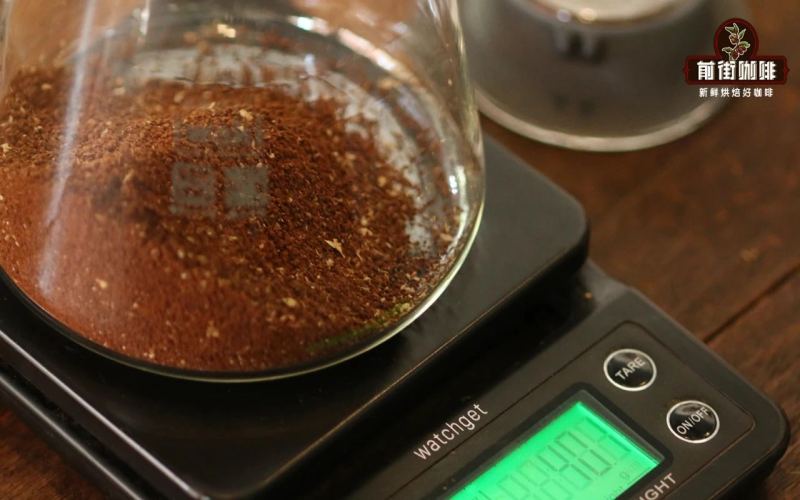
Cold Brew Shelf Life | Does Cold Brew Coffee Taste Better the Longer the Coffee Powder Steeps? What Key Points Should You Note When Making Cold Brew Coffee? Cold Brew Coffee Grind Size, Coffee-to-Water Ratio, and Extraction Parameters
Some may think that cold brew coffee is simply coffee grounds soaked in cold water for a long time. Actually, that's not the case! A delicious cold brew coffee involves more than just these elements; it also requires attention to some small details to assist our extraction. But as long as we do it right, we can easily make it with just a few steps. [more…]
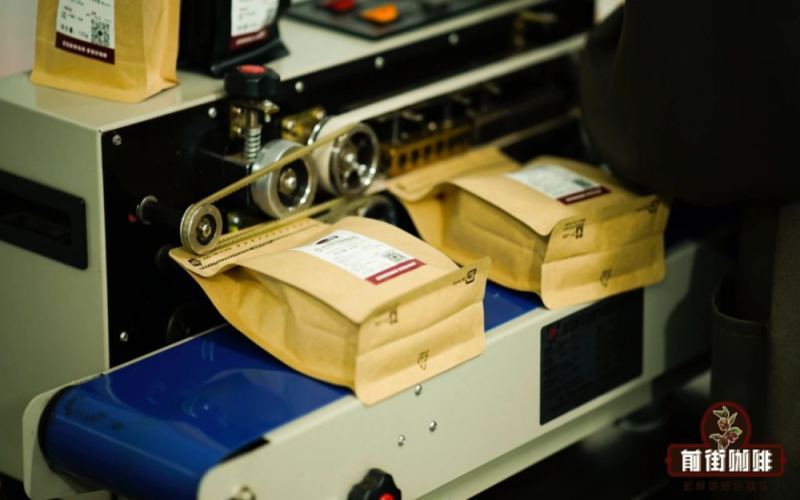
Coffee Shelf Life and Proper Storage: Roast Dates, Causes of Staleness, and Freezer Misconceptions Explained
How long can coffee be stored? Will it go bad if kept for too long? Can you still drink it after the expiration date? These are questions everyone who stocks up on coffee at home will encounter. From the perspective of Front Street, this article first explains why coffee ultimately deteriorates—degradable compounds break down over time, and how oxygen, moisture, and storage methods accelerate this process; then it offers practical preservation principles: seal tightly, keep cool, avoid light, prevent moisture, and emphasizes that drinking it as soon as possible is the best approach. The article also analyzes why putting coffee in the refrigerator is not advisable, teaches you to use your nose to judge whether coffee has already gone stale, and recommends more reliable storage tools such as vacuum-sealed bags. [more…]
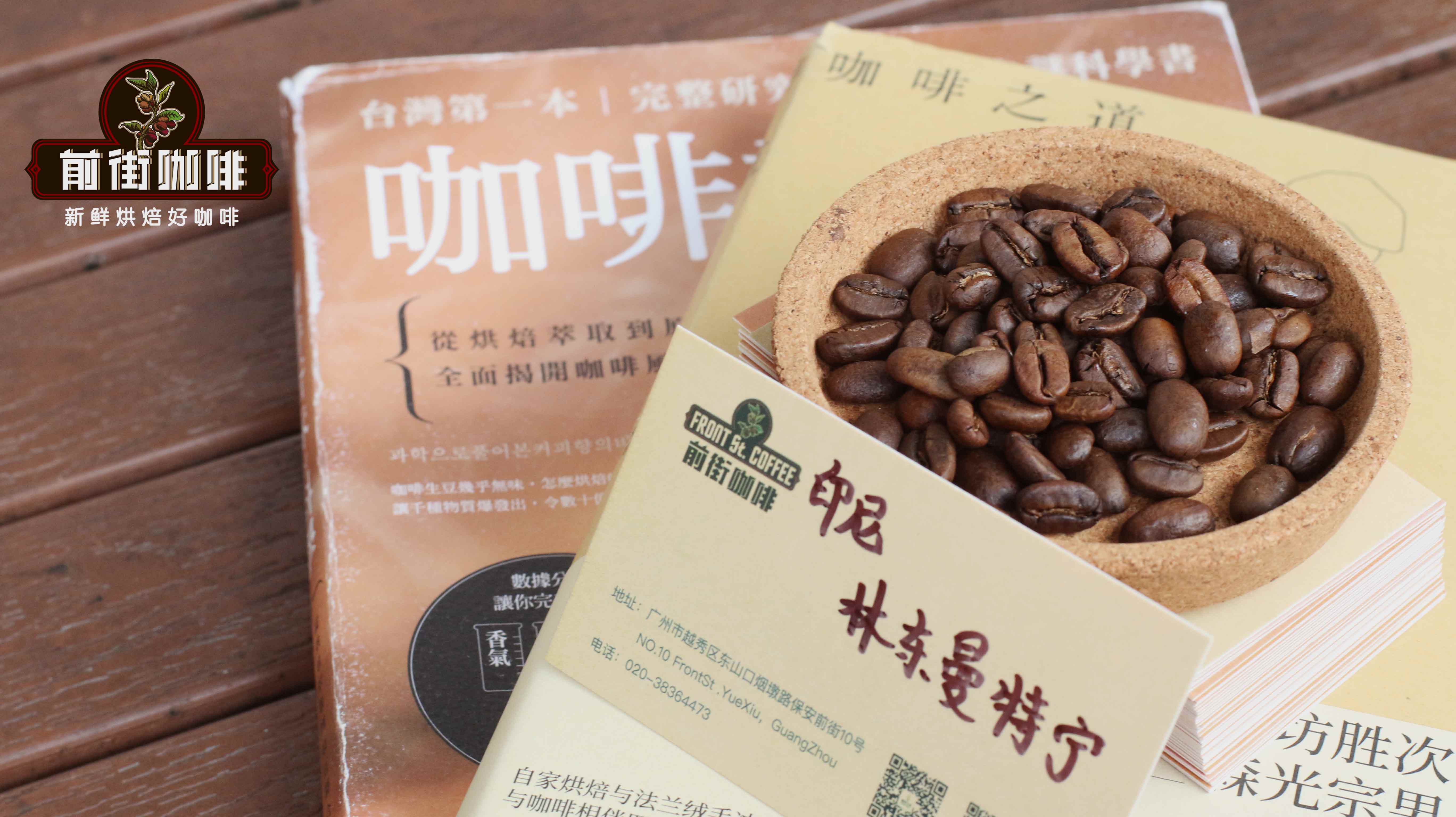
Mantenin Coffee Taste Analysis: Bitterness Sources, Wet-Hulling Process, and Comparison of Five Front Street Mantenin Flavors
Mandheling coffee is a classic representative of Sumatra, Indonesia, famous for its rich, full body, low acidity, and the intertwined sweetness and bitterness reminiscent of dark chocolate. Is it actually bitter? Why does it have such a unique herbal and full-bodied flavor? This is inseparable from its distinctive wet-hulling process, which also gives rise to different styles such as Golden Mandheling, Lintong Mandheling, Tiger Mandheling, and Aged Mandheling. Front Street Coffee has long followed Indonesian Mandheling. This article will sort through everything from the origin of the name and the principles of the processing method to the flavor performance of five in-store Mandheling coffees, taking you through a comprehensive understanding of this Sumatran coffee beloved by coffee enthusiasts. [more…]
How to Choose Coffee Beans? A Complete Guide to Popular Brand Recommendations and Flavor & Roast Selection
Brewing a cup of coffee at home is cozy and relaxing, but faced with shelves full of coffee beans and ground coffee, how exactly should you choose? This article starts with the pros and cons of coffee beans versus ground coffee, analyzes the three key purchasing points of flavor, roast level, and brewing method, and compiles a ranking of five popular coffee beans, covering classic flavors such as Blue Mountain, Yirgacheffe, and espresso blends. Whether you prefer fruity acidity or rich, full-bodied depth, you can find the one that suits you. [more…]
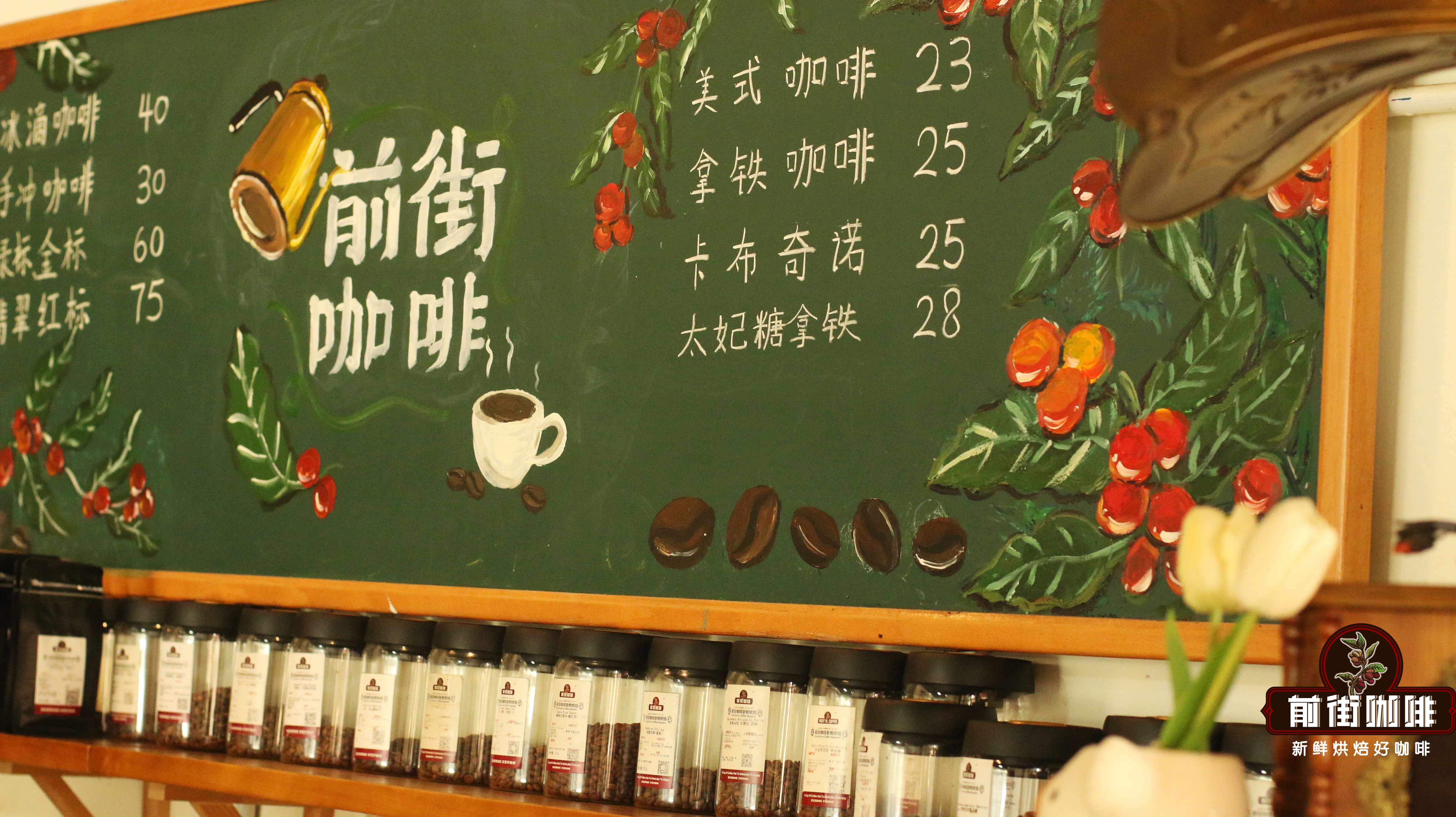
A Comprehensive Guide to Milk Frothing Techniques for Espresso and Coffee Bean Variety Pairings
To make a dense, silky latte or cappuccino at home, the key lies in milk frothing and pairing it with espresso. Drawing on the hands-on experience of Front Street Coffee, this article systematically explains the selection and preservation of whole milk, the complete steps for steaming and stretching milk, and the parameter control during extraction. It also introduces the flavor differences and blend ratios of three espresso beans from Front Street—Sunflower Warm Sun, Dark Cocoa, and Specialty Blend—helping coffee lovers choose the espresso beans that suit their taste preferences and master a stable espresso extraction method. [more…]
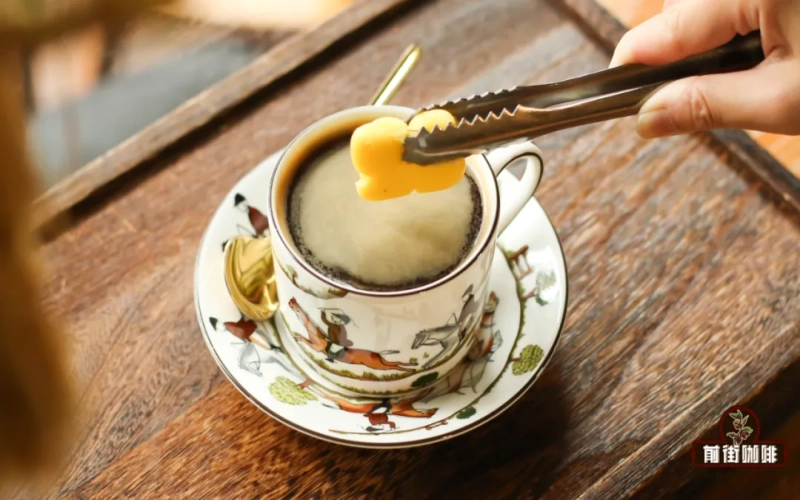
The Reasons Behind the Butter Coffee Craze: An Analysis of the Origins and Preparation Differences Between Bulletproof Coffee and Nanyang Coffee
The pairing of butter and coffee is not a recent invention but has existed for hundreds of years. Today, Bulletproof Coffee and Nanyang Coffee are the two most iconic butter coffee drinks. They originate from different cultural backgrounds, yet both have gained popularity thanks to the combination of butter and caffeine. Bulletproof Coffee was developed by Dave Asprey, inspired by Tibetan butter tea, and promotes a high-fat, low-carb fat-burning philosophy; Nanyang Coffee, on the other hand, is a sugar-roasted coffee created by Chinese migrants who migrated south, combining traditional culinary wisdom, and has a longer history. This article will provide a detailed analysis of the origins, preparation methods, flavor characteristics, and drinking precautions of these two beverages, helping coffee enthusiasts gain a comprehensive understanding of the appeal of butter coffee. [more…]
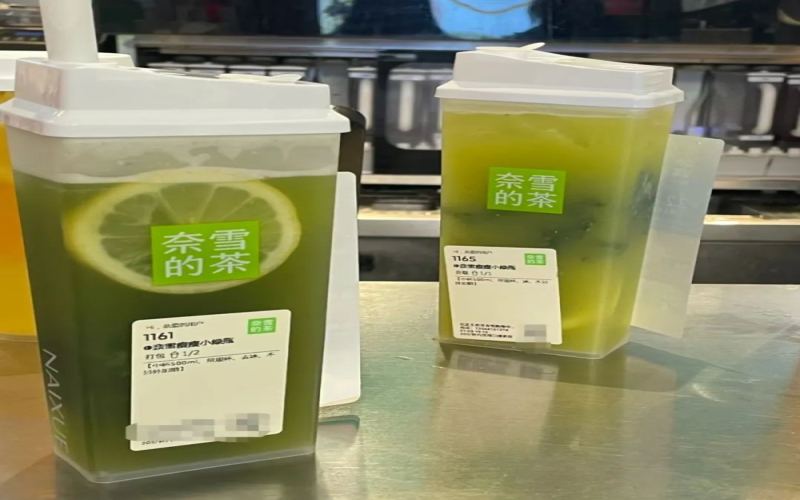
Nayuki's Little Green Bottle criticized as tasting like vegetable-leaf bathwater; the company responds: it's truly freshly squeezed, and the color change is due to oxidation.
The first product in Naixue's newly launched "Daily 500 Fruit & Veggie Bottle" series, "Slim Little Green Bottle," focuses on the daily 500g fruit and vegetable ratio recommended by the Chinese Nutrition Society, and claims to have no added sugar and to be freshly squeezed to order. After hitting the market, however, quite a few consumers reported that it tasted noticeably sweet, with some even describing it as "syrup-like," and others posted photos showing the drink looking yellowish, questioning whether it was really freshly squeezed. Naixue employees responded on social media that the sweetness comes from fruits such as apples, pears, and sweet oranges that naturally contain sugar, while the yellow-green color is a normal phenomenon after apples oxidize, and stressed that all ingredients are processed the same day and kept refrigerated for a limited time. The controversy also sparked playful online discussion about the kale leaves at the bottom of the cup. [more…]
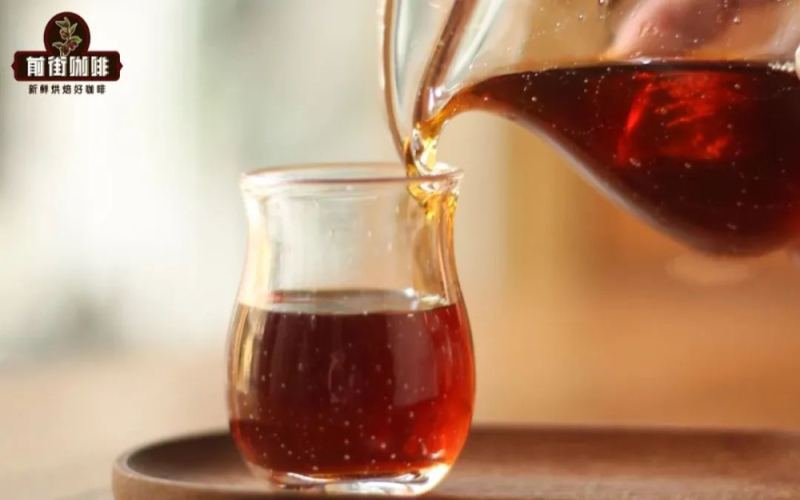
How long does it take to make cold brew coffee, and which coffee beans are more suitable for making cold brew?
As the weather heats up, cold brew coffee has once again become a hot commodity in cafés. How exactly does it differ from an Americano? Why is it often more expensive? This article explores the making of cold brew: from the structure of a dedicated cold brew tower, a 1:10 coffee-to-water ratio, and 5–8 hours of drip filtration, to low-temperature aging for over 8 hours—a 600ml batch takes more than ten hours from start to finish. We'll also cover bean selection—single-origin beans with floral, fruity, or fermented wine-like notes are more suitable—as well as the Tiamo cold brew tower commonly used at Front Street Coffee and specific brewing parameters, to help you understand why cold brew is expensive and where its appeal lies. [more…]
How to Use a Cold Drip Coffee Maker: From Equipment Structure to Brewing Ratios, a Detailed Guide to the Process and Pricing Logic
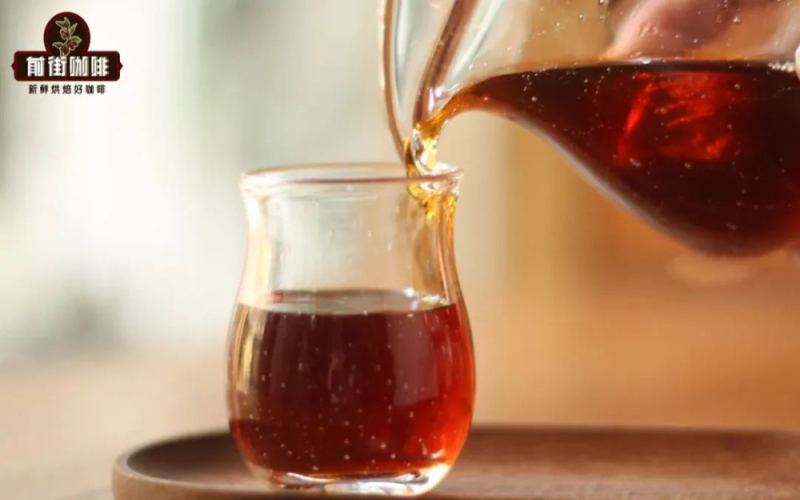
Ice drip coffee is the most ceremonial member of the cold brew family. It relies on a dedicated ice drip tower, letting ice water pass slowly through the coffee bed at a rate of one drop every 1 to 2 seconds, taking several hours or even more than ten hours to complete extraction. Compared with iced Americano or cold brew, ice drip coffee has a cleaner, clearer mouthfeel, often with a bright fruity acidity and fermented wine-like aroma. Taking the Tiamo three-tier ice drip tower as an example, Front Street Coffee uses a 1:10 coffee-to-water ratio, extracting 600 ml of coffee liquid from 60 g of grounds, then refrigerating and resting it for more than 8 hours. This article will begin with the structure of the ice drip tower and its operating parameters, and its differences from cold brew, then analyze the reasons why ice drip coffee is priced relatively high, helping enthusiasts understand this slow, careful brewing method. [more…]