







Understanding Two Butter Coffee Drinks
Butter coffee is not a new trend. It has roots in different cultures. Bulletproof Coffee was created by Dave Asprey, who was inspired by Tibetan butter tea. It mixes black coffee with unsalted butter and MCT oil. Nanyang Coffee comes from Chinese migrants in Southeast Asia. It uses sugar-roasted coffee beans. Both drinks combine butter and caffeine, but their coffee bean preparation and cultural backgrounds differ. This article explains their origins, flavors, and what to consider before drinking them.
Many people ask why butter coffee became popular. The taste may not appeal to everyone, but its effects on energy and fat loss attract attention. Bulletproof Coffee is high in fat and has no carbs when unsweetened. It can suppress sugar cravings and support fat burning during fasting. Nanyang Coffee, with its sugar-roasted beans, offers a sweeter, caramel-like flavor. Knowing how coffee beans are prepared and why they are roasted helps you choose the right drink for your preferences.
The pairing of butter and coffee is not a recent invention, but has existed for hundreds of years. Today, Bulletproof Coffee and Nanyang Coffee are the two most representative butter coffee drinks. They originate from different cultural backgrounds, yet both have gained popularity thanks to the combination of butter and caffeine. Bulletproof Coffee was developed by Dave Asprey, inspired by Tibetan butter tea, and promotes a high-fat, low-carb fat-burning concept; Nanyang Coffee, on the other hand, is a sugar-roasted coffee created by Chinese migrants who headed south, combining traditional culinary wisdom, and it has a longer history. This article will provide a detailed analysis of the origins, preparation methods, flavor characteristics, and drinking precautions of these two beverages, helping coffee enthusiasts fully understand the appeal of butter coffee.
Although adding butter to coffee has only become widely known in recent years, the pairing of butter and coffee actually has a history of hundreds of years. Many friends may wonder: why is butter coffee so popular? After all, judging by taste alone, it hardly seems appealing. However, a careful analysis of the two most representative butter coffees today reveals the key reasons for its popularity.
Bulletproof Coffee
The reason butter plus coffee has entered the public eye in recent years is largely thanks to Bulletproof Coffee. Bulletproof Coffee is a specially formulated coffee made by mixing black coffee with unsalted butter, then adding MCT (medium-chain triglyceride oil) to create it (the 2009 version).
This product was developed and launched by Dave Asprey, CEO of Bulletproof, after he drew inspiration from yak butter tea during a trip to Tibet. Because it is a high-calorie, high-fat drink that contains no carbohydrates when no sugar is added, it has a fat-burning effect. The specific principle is: after drinking it, it can suppress the desire to consume sugar and other carbohydrates. During this period, because the body does not eat and remains in a fasting state, fat is continuously burned, thereby achieving the goal of fat loss.
While reducing fat, butter and caffeine can provide the body with ample energy and vitality, allowing people to maintain high work efficiency even on an empty stomach. For this reason, after Bulletproof Coffee was launched, it quickly became popular in fitness circles and among low-carb, high-fat dieters (that is, ketogenic dieters), then swept through Western markets and even the world, letting the public know that butter can also be added to coffee.
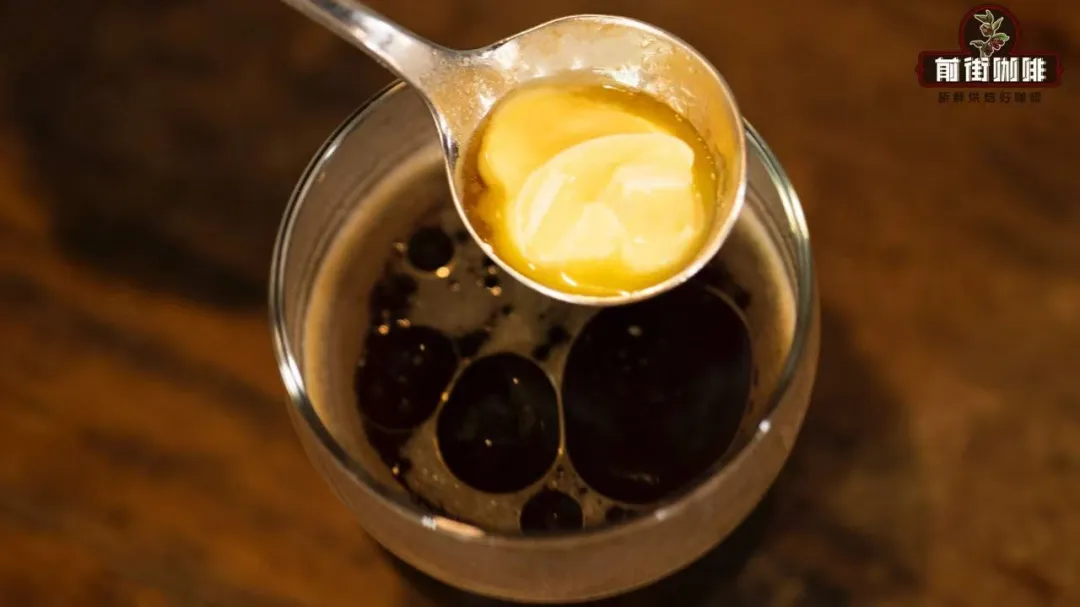
Therefore, butter coffee and Bulletproof Coffee are now often used interchangeably. But strictly speaking, there is a big difference between the two: Bulletproof Coffee can be classified as a type of butter coffee, but butter coffee is not necessarily Bulletproof Coffee.
Nanyang Coffee
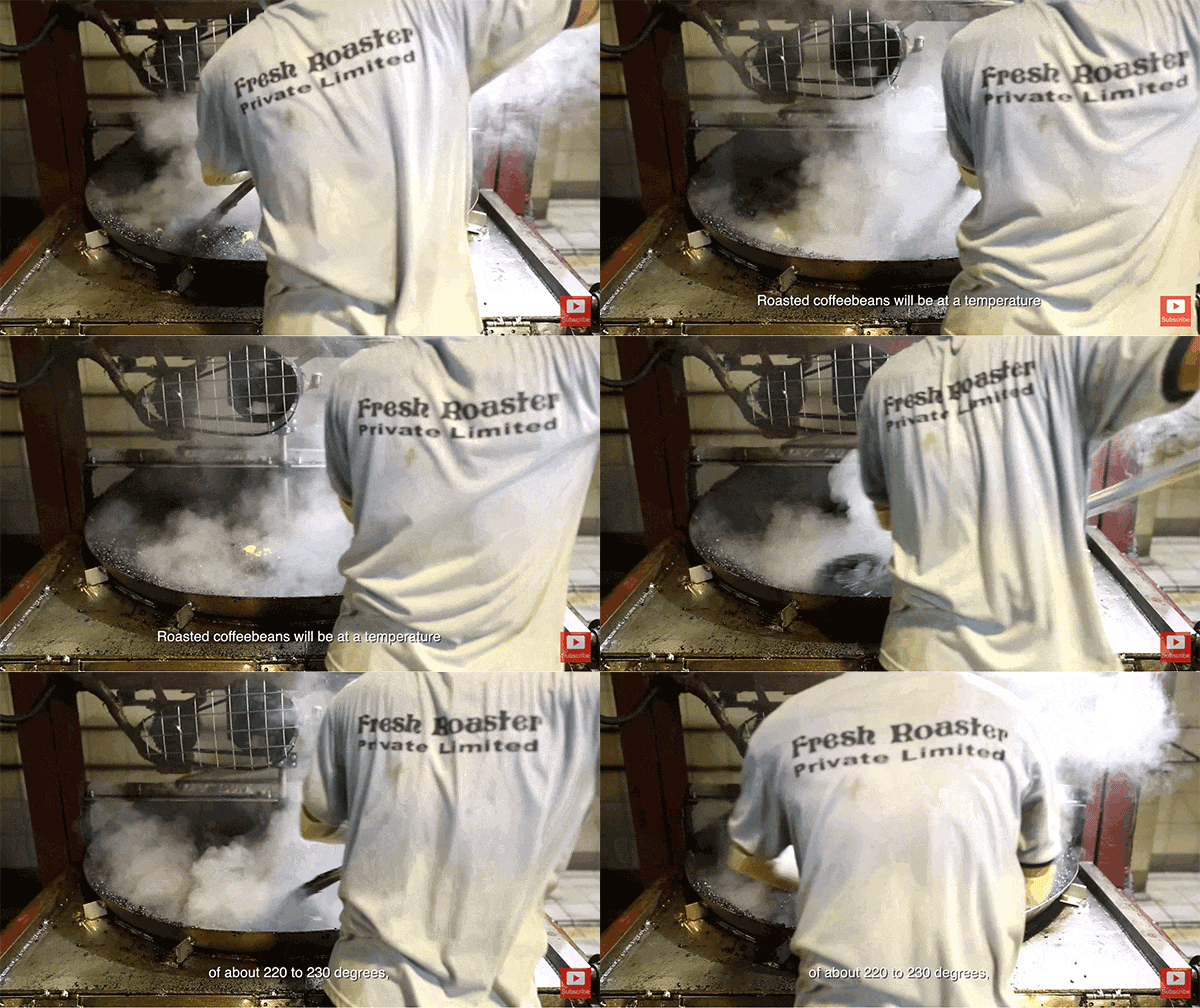
In Southeast Asian countries, there is a local specialty drink that has topped the list of must-try experiences for out-of-town tourists: sugar-roasted coffee. Its creation predates Bulletproof Coffee by more than a hundred years. So-called sugar-roasted coffee refers to adding sugar-based seasonings when roasting coffee beans, along with butter, beef tallow, or corn kernels, salt, and other ingredients, which are stir-fried together with the coffee beans.
The main purpose of processing coffee beans this way is not to sweeten or flavor the coffee. Friends who have visited Singapore and Malaysia and tried it will know that sugar-roasted coffee, without additional sugar or milk, tastes very close to Chinese herbal medicine—rich and bitterly roasted. The reason is the combined effect of the coffee variety, extremely dark roasting, and deep caramelization of the sugar.
Sugar-roasted coffee is a cooking method specially developed by Chinese people who went south to make a living. At that time, Chinese miners needed to drink coffee to refresh themselves and improve work efficiency, but coffee was limited in that era, and roasted coffee beans were prone to spoilage in the hot and humid Southeast Asian climate. So the clever Chinese thought of mixing sugar, butter, and other ingredients with coffee beans and roasting them together, thereby maximizing the use of the coffee beans.

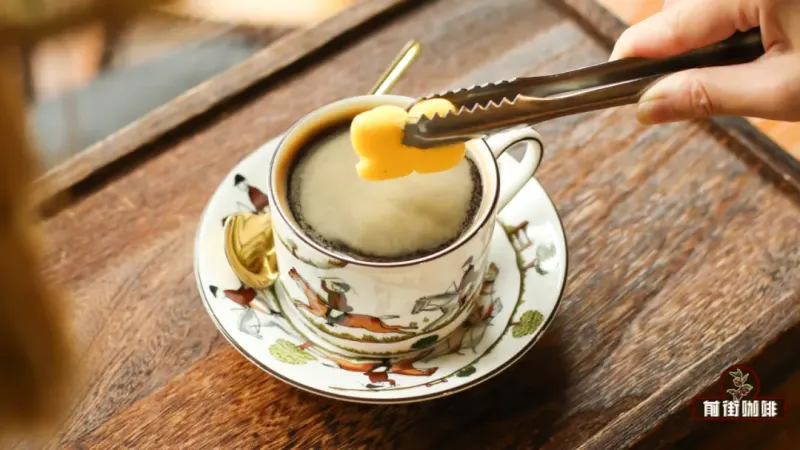
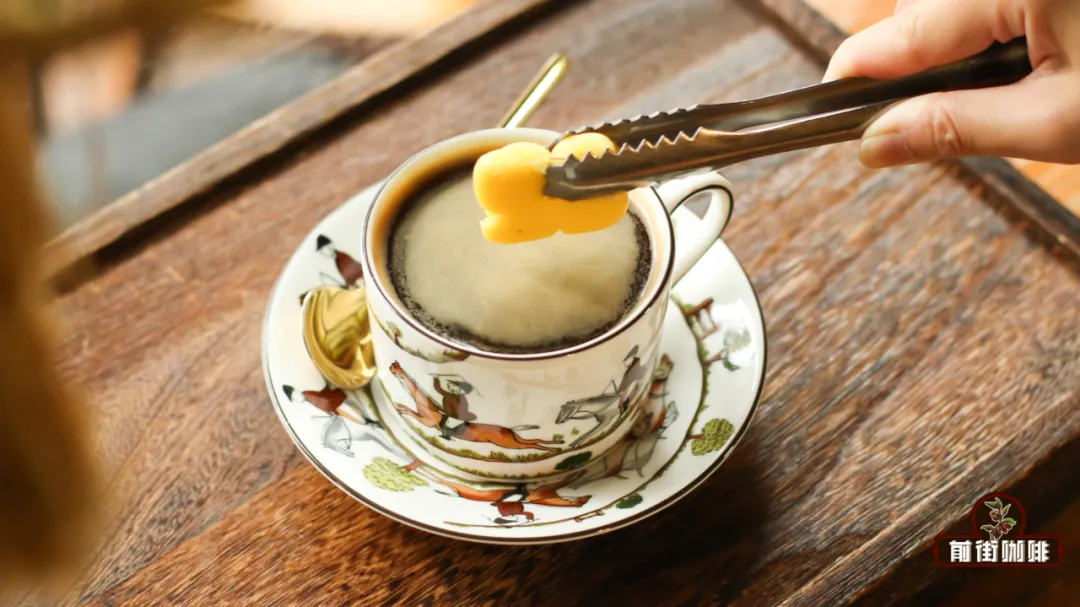
Because sugar-roasted coffee is a beverage system evolved by Chinese migrants who went south under Western cultural influence combined with traditional Chinese cooking and dietary habits, it is also called Nanyang Coffee. In addition to mixing butter with coffee beans during roasting, some places in Southeast Asia also put a piece of unsalted butter into the prepared coffee. The purpose is simple: to enhance the coffee's layering and further replenish the drinker's energy, improving work efficiency throughout the day.
Butter, as a water-in-oil emulsion, melts and blends well into coffee without separating into water and oil. Regardless of the coffee's temperature, the fat in butter will not separate. Therefore, butter can fully impart its flavor and mouthfeel to the coffee, enhancing the coffee's overall quality.
There is also a little drinking tip for adding butter to Nanyang Coffee: after adding the butter, do not stir it; let it melt naturally. Then begin tasting before the butter has completely melted, so that each sip of coffee tastes a little different, because butter, condensed milk, and other seasonings gradually melt and thereby affect the coffee's flavor and mouthfeel.
In summary, whether it is Bulletproof Coffee or Nanyang Coffee, the combination of butter and coffee is popular mostly because caffeine and the fats in butter combine to provide drinkers with more energy and vitality.
But it should be understood that butter coffee is not suitable for drinking on its own, because the combined intake of high calories, high fat, and caffeine can easily cause some adverse reactions, and it needs to be paired with a reasonable diet to offset the possible negative effects. Therefore, before trying it, everyone should best understand the relevant precautions in advance to avoid adverse reactions.
- END -
The above content is compiled by CoffeeHunters, a coffee news website.


