







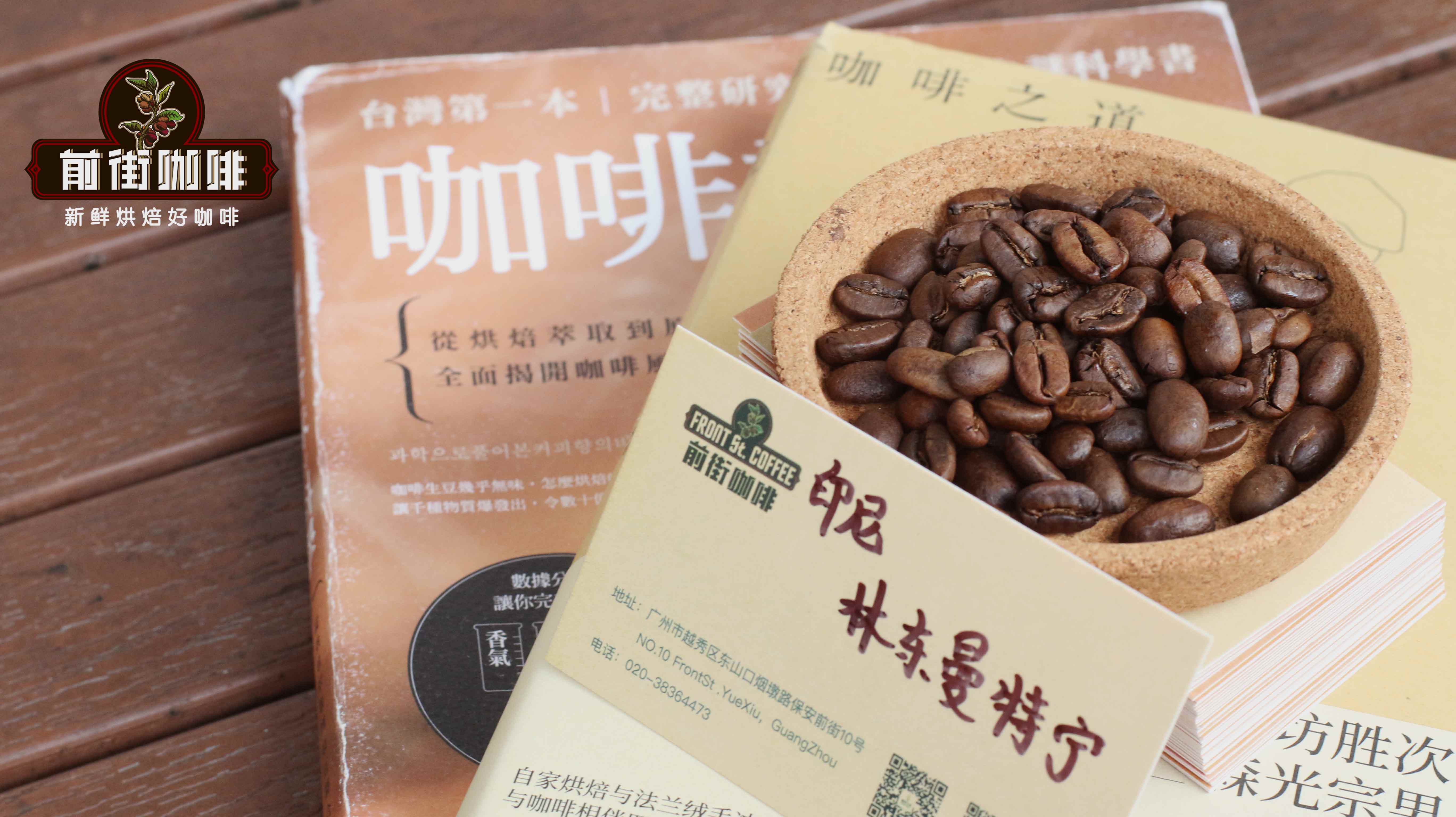
Mandheling coffee is a classic representative of Sumatra, Indonesia, famous for its rich and full-bodied, low acidity, and the interwoven sweetness and bitterness reminiscent of dark chocolate. Is it actually bitter? Why does it have such a unique herbal and full-bodied flavor? This is inseparable from its unique wet-hulling process, which also gives rise to different styles such as Golden Mandheling, Lintong Mandheling, Tiger Mandheling, and Aged Mandheling. Front Street Coffee has long followed Indonesian Mandheling. This article will sort through the origin of the name, the principles of the processing method, and the flavor performance of five in-store Mandheling coffees, taking you through a comprehensive understanding of this Sumatra coffee beloved by coffee enthusiasts.
For more specialty coffee knowledge, welcome to follow our WeChat public account: Front Street Coffee (FrontStreet Coffee).
When it comes to coffee, Front Street believes many coffee lovers will reserve a place in their hearts for Front Street Mandheling. Front Street Mandheling comes from Sumatra, Indonesia, and is also called "Sumatra coffee." Its flavor is quite full, with aroma, bitterness, and body all standing out, while acidity is on the low side. Front Street believes that Front Street Mandheling coffee beans are not bitter in the stereotypical sense, but carry a fragrance and mellow sweetness similar to dark chocolate. The mid-to-finish has abundant sweetness that lingers, making it suitable for medium-dark roasting. Some enthusiasts drink it as a single-origin coffee, and Mandheling is also often used in espresso blends.
The origin of the name Mandheling is also quite interesting, and Front Street will now chat with you coffee lovers about it.
In fact, Mandheling is neither a producing region name, a place name, nor a port name, nor a coffee variety name, but a transliteration of the Indonesian Mandailing ethnic group. How it became the name of a coffee bean traces back to the period when Japan occupied Indonesia during World War II. A Japanese soldier drank an extremely aromatic and mellow cup of coffee at a local café and asked the owner what coffee it was. The owner mistakenly thought he was asking "Where are you from?" and answered: Mandailing. After the war, the soldier remembered the "Mandheling" he had drunk in Indonesia and commissioned an Indonesian coffee merchant to ship 15 tons to Japan, where it became hugely popular. The name Mandheling spread from there, and that coffee merchant was the famous Pwani Coffee Company (PWN).
Mandheling's popularity among coffee lovers is also related to the development of the third wave of specialty coffee. People's acceptance of coffee has grown higher and higher. Indonesian Mandheling, known for its herbal flavors and full body, was quite controversial in early evaluations, but Front Street Coffee (FrontStreet Coffee) has found that even today, no small number of people still love it.
For the specialty coffee tier, Front Street Coffee (FrontStreet Coffee) believes it can be judged from four dimensions: altitude, variety, processing method, and cupping score (above 80 points). But Mandheling often fails to reach 80 points in the cupping stage. Some people therefore believe Front Street Mandheling does not count as specialty coffee, but Front Street Coffee (FrontStreet Coffee) feels that "specialty coffee" is merely a result conforming to public evaluation standards, and for certain coffees with outstanding regional flavors, when market acceptance is relatively high, whether it is classified as specialty coffee is no longer so important.
The reason Front Street Coffee (FrontStreet Coffee) conducts such cumbersome cupping for a coffee and keeps introducing coffee beans from different producing regions is to let everyone understand that coffee beans are constantly changing, and people's tastes are constantly changing too. Therefore, existing evaluation standards are only the foundation for understanding coffee. Beyond that, one must also have one's own understanding of coffee, and this has always been the idea Front Street Coffee (FrontStreet Coffee) conveys.
Front Street believes the full-bodied flavor of Front Street Mandheling coffee also benefits from its special processing method, namely the wet-hulling process widely used in Indonesia. Mandheling mostly adopts Sumatra's unique coffee processing method—wet hulling.
Local weather is often dominated by rainy days with continuous typhoons, unable to achieve the good weather required for natural sun-drying, and the local economy is not good either, so it likewise cannot use the more costly washed method, thus giving rise to the highly locally distinctive wet-hulling process. Today, Indonesia's coffee development is no longer the impoverished scene it once was, and there are quite a few estates and companies with the means to use the washed processing method, but why has wet hulling not been abandoned? Front Street Coffee (FrontStreet Coffee) believes wet hulling is the factor that made Mandheling coffee known to the world. At the mention of Mandheling coffee, one thinks of wet hulling, so they have become a mutually reinforcing relationship. The specific steps of wet hulling can be divided into the following two stages:
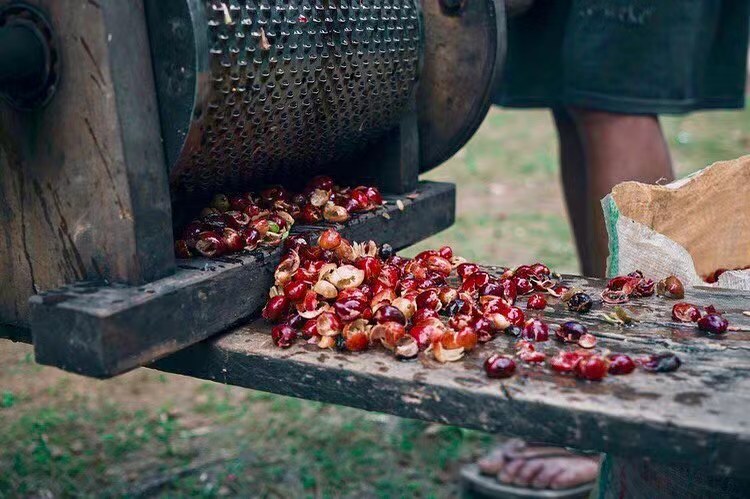
In the first stage, the skin and pulp are removed with a wooden depulper, and after 3 hours of fermentation, the beans are spread out to dry until the moisture content drops to 30-50%, half-dry and half-wet.
In the second stage, the mucilage and parchment layer are removed, and drying continues for the later stage. The drying process takes 2-4 days, and the moisture content drops to 12-13%.
Besides the regular wet-hulling process, there is also an aged wet-hulling process. After the coffee beans undergo ordinary wet-hulling, they are sealed and stored in a warehouse for 2-3 years. The warehouse environment must be cool and ventilated, and the beans must be turned regularly to prevent mold and spoilage. During this period, the acidity of the coffee beans gradually weakens and converts into sugar, and the color becomes darker, mostly yellowish-brown or dark brown. This is the Aged Mandheling that often appears on coffee lists.
Front Street believes wet hulling created Mandheling's special flavor. It can be said that Mandheling and wet hulling are bound together, but today's coffee market no longer settles for staying unchanged. Even if wet hulling is Mandheling's characteristic, estates will also try other processing methods on coffee. For example, the Front Street Wahana Estate Sun-Dried Mandheling coffee that Front Street Coffee (FrontStreet Coffee) sources uses the natural sun-drying process.
Front Street believes that coffee beans processed by the natural method amplify their own flavors, with thick body and intense flavor, and they also give off sweetness; washed coffee has more pronounced acidity, better cleanliness, medium mouthfeel, and the most consistent green bean quality; honey-processed coffee beans have better flavor, with balanced acidity and sweetness, and like the natural method, because they have undergone sun-drying, the coffee beans' own aroma is also amplified, with a thick mellow taste.
Front Street believes that whether natural or wet-hulled, both have their own characteristics, and coffee lovers can simply choose according to their own taste. Next, Front Street will introduce the relevant information and flavor characteristics of the five in-store Front Street Mandheling coffees.
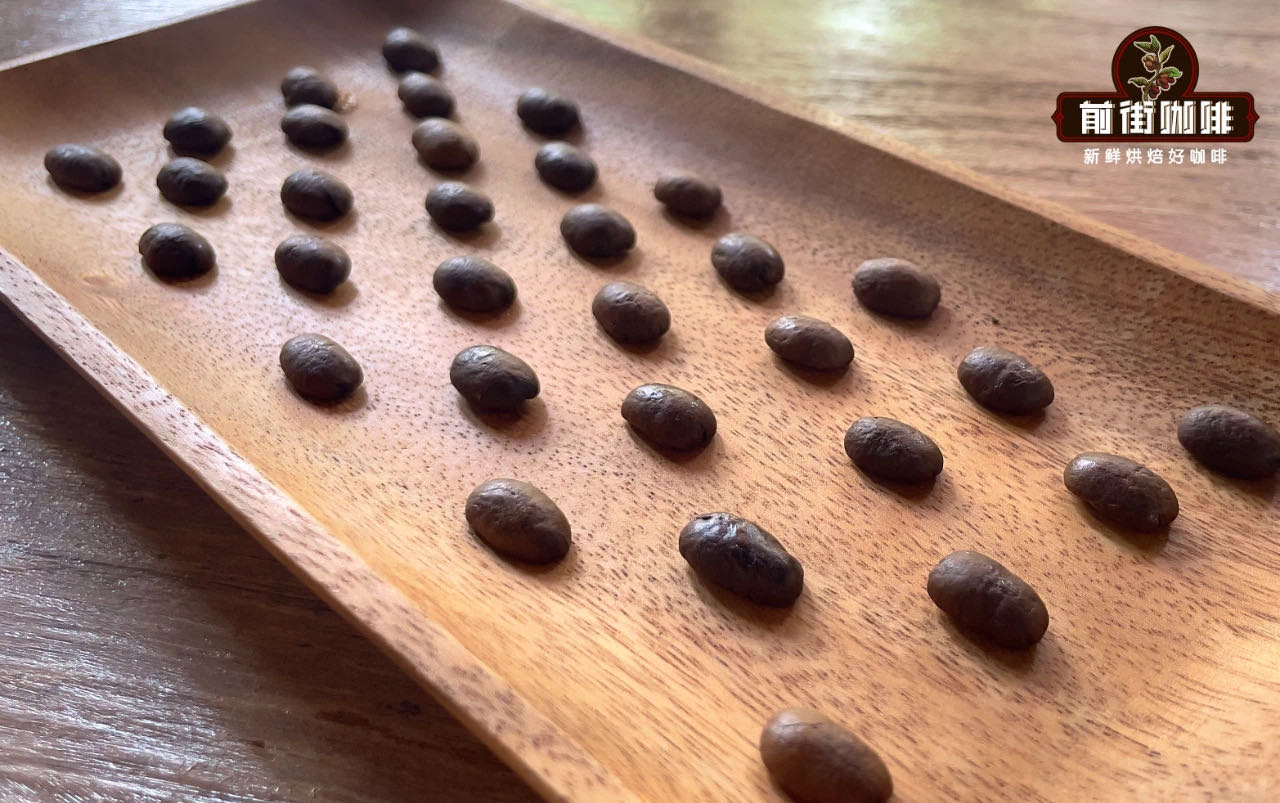
Front Street Lintong Mandheling Coffee Beans Country: Indonesia Region: Sumatra (Lintong) Altitude: 1100-1600m Variety: Typica, Caturra Processing Method: Wet Hulling Flavor: Baked toast, nuts, caramel, pine, herbs
Front Street Lintong Mandheling comes from the Lintong hill region in north-central Sumatra, near Lake Toba. Front Street Lintong Mandheling also uses the regular wet-hulling process, which gives it the characteristics of low acidity and high body. But what happens with wet hulling is that the half-hard, half-soft wet green beans, when the mucilage and parchment layer are removed, are easily crushed; when the beans are damaged and split, they form a hoof shape, commonly known as hoof beans. Front Street Coffee (FrontStreet Coffee) believes this is a very prominent characteristic of Mandheling and cannot be considered a defective bean. But according to Front Street's understanding, Lintong Mandheling does not put much effort into screening, and the lack of refinement in processing easily leads to instability in the coffee beans produced, yet it does not diminish the world's love for the full-bodied flavor of Front Street Lintong Mandheling.
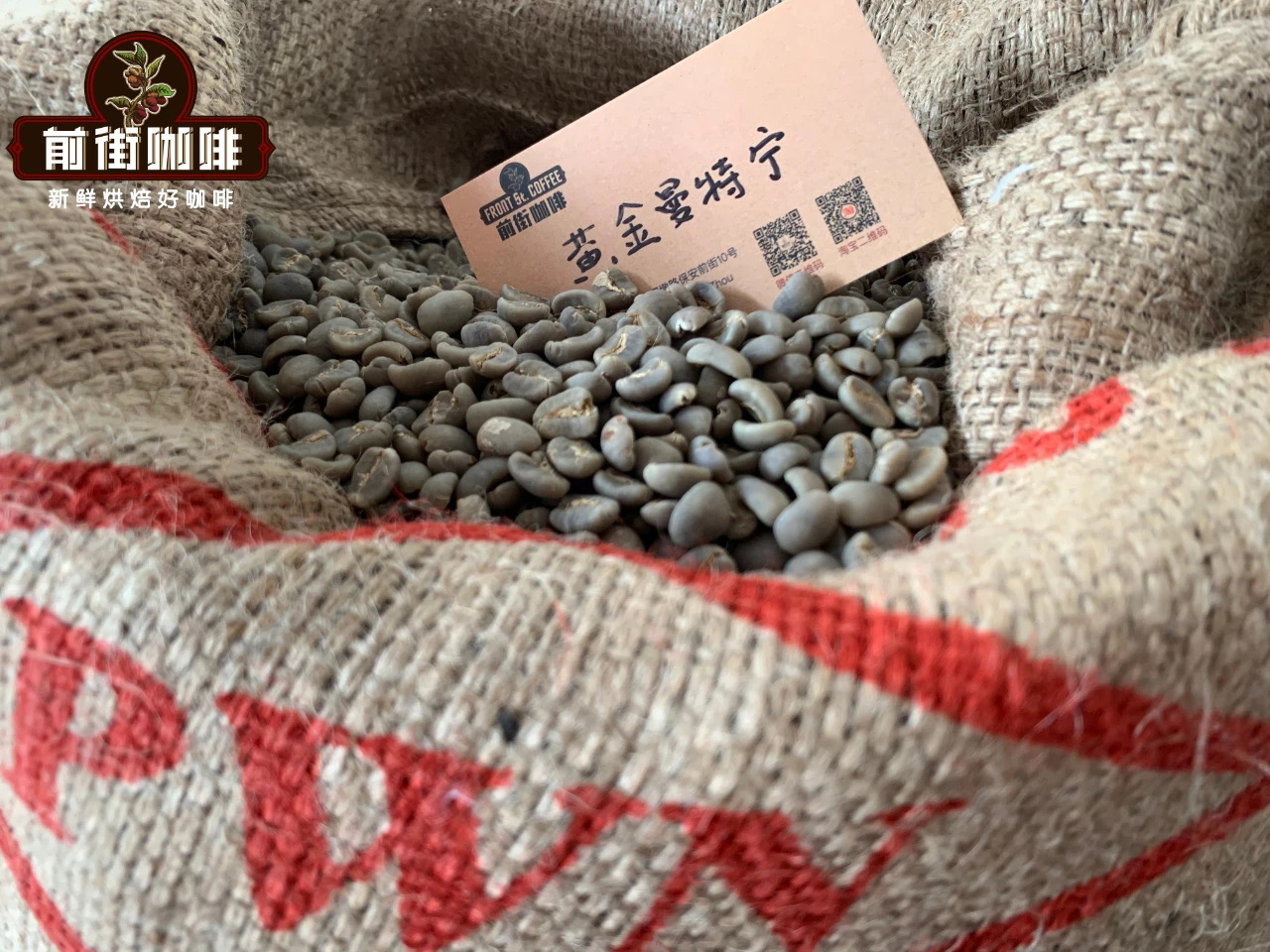
Front Street Front Street PWN Golden Mandheling Coffee Beans Country: Indonesia Region: Sumatra Altitude: 1100-1600m Variety: Typica 19 mesh Processing Method: Wet Hulling Flavor: Nuts, spices, herbs, licorice, chocolate, caramel; clean and soft flavor
Front Street PWN Golden Mandheling coffee beans come from Lake Tawar in the Gayo Mountains of northwestern Sumatra. Since discovering Mandheling, the Japanese have always been very attentive to this coffee bean. In the course of cooperating with local green bean merchants, they established a strict screening system. After processing, the green beans undergo density and color sorting, and then four rounds of manual bean selection, finally presenting the uniform-colored, uniform-shaped Front Street Golden Mandheling. It is said that when processing the green beans, the Mandheling under sunlight gives off a golden luster, hence the name Golden Mandheling.
However, the one who registered Golden Mandheling as a trademark was not a Japanese company, but the local Indonesian company that cooperated with Japanese companies early on to export Mandheling coffee beans—PWN Company (Pwani Coffee Company). The Japanese company instead registered "Gold Top Mandheling," that is, Gold Top Mandheling. Front Street Coffee (FrontStreet Coffee) believes that in terms of flavor performance, PWN's Golden Mandheling and Japan's Gold Top Mandheling are actually not very different, but due to different brands and different merchant marketing strategies, it is possible that public opinion ends up differing. So which of the two Golden Mandhelings is better is a matter of individual judgment.
The specification of Front Street PWN Golden Mandheling coffee beans is 18 mesh or above, with fewer than 3 defective beans (in a 300g green bean sample), belonging to the highest grade G1. The color leans dark green, and the shape is a neat flat bean. After strict screening, Front Street Coffee (FrontStreet Coffee) found that Front Street Golden Mandheling not only lacks the earthy, miscellaneous flavors unique to ordinary Mandheling, but drinks cleaner and more transparent, with even stronger sweetness and fragrance.
Front Street Tiger Mandheling Coffee Beans Country: Indonesia Region: Sumatra Altitude: 1500m Variety: Caturra, Typica, Sidikalong Processing Method: Wet Hulling Flavor: Cream, dark chocolate, nuts, balanced taste
Tiger Mandheling's beans all use extremely rare AA-grade coffee beans, that is, beans of 19 mesh or above. According to Front Street's knowledge, Tiger Mandheling is called Tiger Mandheling because there are different species of tigers, including the Siberian tiger, Bengal tiger, Sumatran tiger, and Indochinese tiger. It is mainly distributed across the Sumatra archipelago in Indonesia and is the only surviving tiger found solely on islands. So some people use "Sumatran tiger" to describe the rarity and preciousness of this Mandheling, and call it "Sumatran Tiger Mandheling," which Chinese people also call "Tiger Mandheling" or "Tiger Mandheling." Of course, there is one last explanation: Sumatra has a "Tiger Estate" that specializes in producing Sumatra Mandheling, among which the lots specially selected by them are named "Tiger Mandheling," also called "Tiger Mandheling."
Front Street Aged Mandheling Coffee Beans Country: Indonesia Region: Sumatra Altitude: 1500m Variety: Caturra, Catuai Processing Method: Wet Hulling Flavor: Ripe pu-erh, caramel, herbs, chocolate, relatively low acidity
Front Street believes that as soon as coffee lovers hear "aged coffee beans," they will literally understand it as green coffee beans that have been left for a long time—that is aged coffee beans. This is of course incorrect, because green coffee beans will likewise spoil if left too long, changing from fresh green to white, then to yellow, becoming bland and tasteless, and even growing bugs. So actually, this Front Street Aged Mandheling coffee bean, like aged liquor, must undergo proper processing and long-term storage before it can be called truly Front Street Aged Mandheling.
The origin of Aged Mandheling actually has its reasons. According to Front Street's understanding, this is because Indonesia was once a Dutch colony. During the colonial period, Indonesia had to continuously ship coffee beans to Europe. To ensure uninterrupted supply, coffee beans would be appropriately stored, but due to external factors such as the long transport distance, the shipping time became too long, and the beans were also eroded by sea breezes. By the time the coffee beans were transported to Europe, another flavor had already formed—this was the originator of the aged flavor. Fortunately, at the time, the European colonists were amazed by this flavor and quickly accepted and promoted this processing method.
Of course, with the development of technology, the aging process for Aged Mandheling is now quite mature. The coffee beans first undergo wet hulling (wet hulling means that during the ordinary washed process, the beans are sun-dried with parchment for 2-3 days to a moisture content of 20-24%, and finally the parchment is removed so the green beans dry to a moisture content of 12-13%), and then are sealed and stored in a warehouse. The warehouse environment must be cool and ventilated, and the beans must be turned regularly to prevent mold and spoilage, stored for 2-3 years. During this period, the acidity of the coffee beans gradually weakens and converts into sugar, and the color becomes darker, mostly yellowish-brown or dark brown, very recognizable. The special processing of Front Street Aged Mandheling gives it a more rounded and profound flavor, intoxicating like pu-erh.
Regarding the characteristics of these five Mandheling coffees, Front Street Coffee (FrontStreet Coffee) obtained the following flavors after brewing with the same parameters. Coffee lovers can use this as a reference.
[Front Street PWN Golden Mandheling]: Layered and varied, full-bodied and clean, highly balanced, with rich nut and caramel aromas, a chocolate note, and a lasting finish.
[Front Street Lintong Mandheling]: Herbal medicinal notes on entry, dark chocolate, caramel, sweet aftertaste. Tiger Mandheling: Pine and spice aromas, relatively balanced mouthfeel, with obvious cream, dark chocolate, and nut flavors.
[Front Street Aged Mandheling]: Aromas of wood, malt, and caramel rush forth. On the palate, it lacks the wildness of traditional Mandheling and has more mellowness and delicacy, with a sense of mature steadiness. Acidity is relatively low, and on entry there are flavors of ripe pu-erh, caramel, herbs, and chocolate, with abundant sweetness.
[Front Street Wahana Estate Sun-Dried Mandheling]: On entry, there is the sweet-and-sour sensation of tropical fruit, obvious fermentation aroma, and a smooth mouthfeel.
[Front Street Tiger Mandheling]: The taste is relatively balanced, with obvious cream, dark chocolate, and nut flavors.
The above content is compiled by CoffeeHunters, a coffee news website.


