







How Do You Keep Coffee Bean Freshness After Roasting?
Roasted coffee beans lose aroma steadily after roasting, and flavor fades almost completely by about 50 to 60 days. The optimal window is within 45 days, which is why beans are shipped within 5 days of roasting. Gloss, aroma, and degassing tests all reveal how fresh a bag really is.
Fresh beans look glossy from surface oils, smell layered and intense, and release gas when brewed. Grinding right before brewing preserves the most aroma. For longer storage, freezing slows the decline, but how long does coffee last in the freezer depends on airtight packing and avoiding repeated thawing, since moisture and oxygen are what drive spoilage.
The peak flavor period of coffee is extremely brief, and roasted beans continuously lose their aroma over time. This article will guide you through understanding the decisive impact of freshness on coffee quality, learning to judge the condition of beans through gloss, aroma, and degassing tests, mastering the correct procedures and precautions for frozen storage, and understanding why grinding and brewing fresh is the key to preserving aroma. At the same time, we will also explain the underlying reasons for coffee spoilage from a chemical perspective, helping you fully safeguard the good taste of every cup of coffee.
A rich and aromatic cup of coffee can restore a person from exhaustion, and only fresh coffee beans can give coffee its unique flavor and rich layers. Most people who drink coffee regularly understand that only freshly roasted beans can produce a cup of coffee full of aroma, so choosing fresh coffee beans is always the top priority.
The freshness of coffee directly determines its quality. If the beans are stored too long after roasting, the taste and aroma will gradually dissipate, and the quality will naturally decline accordingly.
Front Street Coffee has always placed the freshness of coffee beans first, and high-quality coffee beans must first of all be fresh. After roasting is completed, aromatic substances continue to volatilize over time, and after about 50 to 60 days there is almost no flavor left to speak of. Therefore, for every bag of coffee beans sold, we remind customers that the optimal flavor period is within 45 days. In order to let every enthusiast drink the freshest coffee, every bag Front Street sends out is shipped within 5 days after roasting, so after receiving it there is no need to wait—you can open it and taste it directly, experiencing the wonderful flavor the beans present in their fresh state.
When buying freshly roasted coffee beans, it is best to choose beans roasted the same day; freshness is irreplaceable. But how can you tell whether coffee is fresh?
Coffee Bean Freshness Coffee beans are full of gloss.
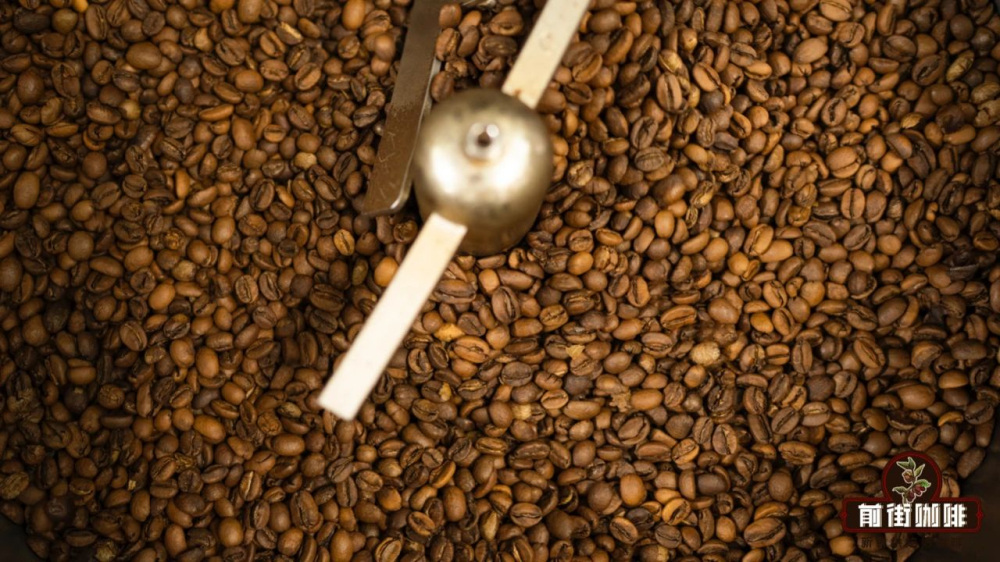
During roasting, the beans bring out some oils, and these oils then coat the entire coffee bean, giving the surface a glossy appearance. The longer they are stored, the duller the gloss becomes.
Coffee beans have a rich aroma.
Fresh coffee beans smell rich and intense, with multiple layers of aroma. If the coffee you bought no longer has much smell, it means it has been left for a long time after roasting, and it may even have already spoiled!
Degassing Test
Compared with the previous methods, the degassing test is more scientific. Put the coffee beans into a zipper bag, expel the gas, seal it well, leave it overnight, and observe the next day whether the bag has puffed up. If they are freshly roasted beans, they will continue to release carbon dioxide, causing the bag to expand.
How should coffee beans be stored?
After buying good beans, they should be stored in a place away from direct sunlight and with low temperature and humidity, because beans that have finally been dried and roasted so well easily absorb odors along with moisture. In addition, do not store them in a damp warehouse; room temperature is preferable. If they are stored in a place with high temperature and high humidity, pay attention to ventilation.
Coffee beans should be stored in a dry, cool place. Never put them in the refrigerator compartment, to avoid absorbing moisture; if you are going to store them, put them in the freezer. Refrigeration is the ultimate means of preserving coffee beans. When refrigerating, be sure to seal them well before placing them in the freezer; when taking them out of the freezer, avoid letting the frozen part thaw and cause the beans in the bag to become damp. It should be noted that the container filled with fresh coffee beans should be tightly sealed (best used up within 1 month after opening), and in combination with sunlight and temperature conditions, stored in a cool place, while paying attention to the shelf life—only then will storage be completely problem-free.
The closer the coffee beans are to the top of the sealed jar, the better. After each opening, cover it as soon as possible to reduce the chance of the beans contacting air. In addition, you can also use a rubber band to tighten the outer packaging of the coffee beans before putting them into the sealed jar, or portion the beans into small packages of about one use each before putting them into the jar. If you have desiccant, you can also put a packet in the jar to ensure the inside stays dry.
Because the exposed surface area to air is smaller, coffee beans last longer than ground coffee in preserving quality and flavor. Therefore, in order to maintain the aroma of coffee, try to grind the coffee beans only when you need to brew. For roasted coffee beans, the factors that most affect quality changes are light, temperature, humidity, and air, so it is necessary to control the time of exposure to air, lower the temperature, maintain relatively low humidity, place them in a place without light, or store them in a sealed container.
Because the flavor substances in coffee are very unstable, they are easily affected by factors such as light, temperature, humidity, and oxygen. When roasted coffee is exposed to air for a long time, fat oxidation reactions easily occur, and oxidation reactions are an important cause of coffee spoilage. Roasted coffee contains about 10-15% fat, 75% triglycerides, and also 50% linoleic acid. At the same time, linoleic acid can auto-oxidize into hexanal. The longer it is exposed to air, the more hexanal will oxidize into volatile substances, producing undesirable qualities and causing the coffee's taste to decline.
For more specialty coffee knowledge, please follow the WeChat public account: Front Street Coffee
The above content is compiled by CoffeeHunters, a coffee news website.


