







Search Results for: insulation measures
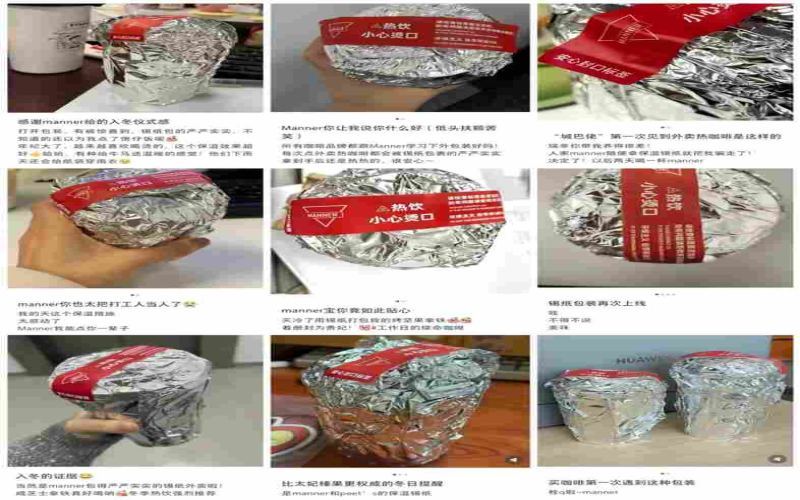
Manner's winter foil insulation packaging returns, customers touched while staff under pressure
As the cold season arrives, Manner Coffee has once again introduced foil packaging to keep takeaway hot drinks warm, a move that has sparked widespread discussion on social media. Many customers are touched by the brand's thoughtful detail, believing that the foil effectively maintains the drink's temperature and improves the takeaway experience. However, store employees face extra work pressure, especially during peak ordering periods, when packing efficiency is affected. This article reviews the history of Manner's foil packaging, analyzes the different perspectives of customers and employees, and explores whether there are better insulation solutions. [more…]
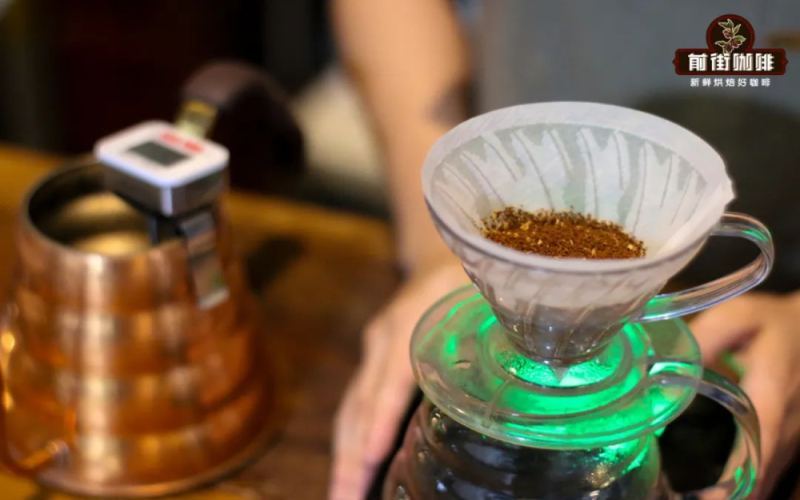
What temperature should you set for pour-over coffee in winter? Changes in slurry temperature and practical insulation tips
After the weather turns cold, many coffee enthusiasts find that using the same brewing parameters makes their coffee taste weak and lacking in sweetness. The problem often lies in the water temperature—a low-temperature environment accelerates heat loss, causing the actual extraction temperature to be lower than expected. Through actual testing, Front Street has found that at the same initial water temperature, there is a clear difference in the temperature of the coffee bed between summer and winter. This article will analyze the gap between the water temperature in the kettle and the extraction temperature, provide specific recommendations for adjusting water temperature in winter, and share practical techniques to reduce heat loss, helping you consistently produce a cup of pour-over coffee with full flavor even in the cold season. [more…]
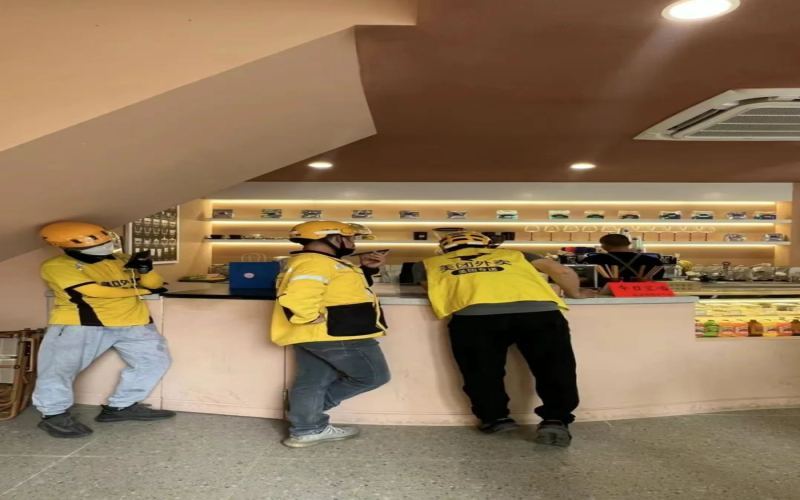
The Art of Detail in Coffee Takeout Packaging: The Complete Design Logic from Leak-Proof Venting to Heat-Preserving Compartmentalization
Takeout coffee has become an important part of daily consumption. From the moment a store hands off an order to the moment a rider delivers it, packaging design directly determines whether the cup of coffee the customer receives is intact, whether the temperature is right, and whether the taste is as good as it was fresh. Behind a cup of takeout coffee lies a series of detailed considerations: vent holes, leak-proof paper, foil insulation, separate packing and bagging, and even rain bags and custom packing boxes. These seemingly inconspicuous packaging steps not only affect order efficiency and the consumer experience, but also serve to spread word of mouth for the brand. This article will break down, one by one, the often-overlooked tricks of the trade in coffee takeout packaging, and look at how merchants strike a balance between preventing spills, keeping coffee warm, and preserving taste. [more…]
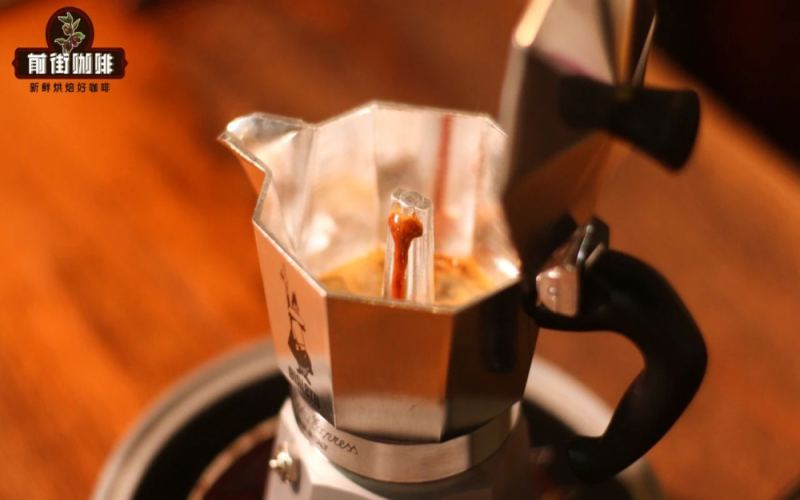
Moka Pot Brewing Precautions | Can Improper Use of a Moka Pot Explode and Injure Someone? What Are the Moka Pot Mistakes Coffee Beginners Need to Watch Out For?
For more specialty coffee knowledge, please follow our WeChat public account: Front Street Coffee (FrontStreet Coffee). In daily life, Front Street often hears a saying: "For safety reasons, it's best not to use a moka pot." Why is that? Why is using a moka pot not recommended? [more…]
How Much Aroma Can a Thermos Preserve When Storing Pour-Over Coffee? A 6-Hour Flavor Change Test of Yirgacheffe
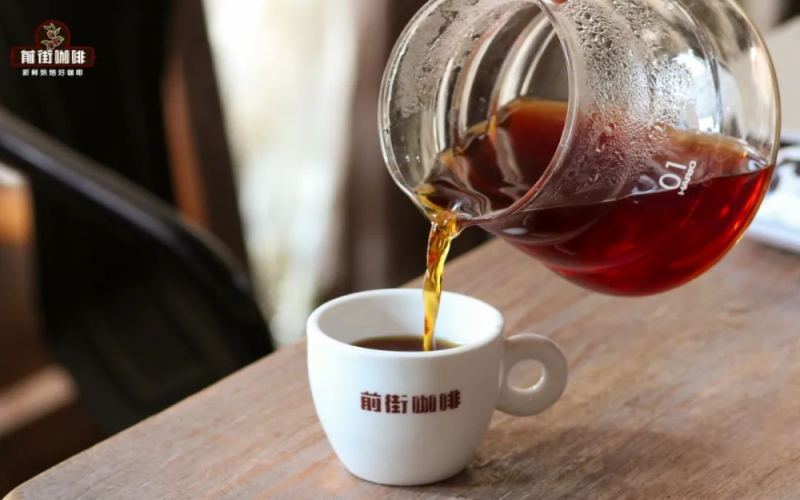
As temperatures drop, pour-over coffee quickly goes cold. Front Street Coffee conducted an experiment using a washed Yirgacheffe Gedingding, pouring freshly brewed coffee into a 316 stainless steel thermos and sealing it, then measuring the temperature and tasting the flavor hour by hour. At 1 hour, 65.8°C, it still retained floral and citrus notes; at 2 hours, 60°C, there was almost no change; at 3 hours, 54°C, the flavor was slightly weaker; at 4 hours, 50°C, the floral notes had dissipated and the acidity and sweetness became more prominent; at 5 hours, 46°C, only honey green tea and citrus acidity remained. The test shows that a qualified thermos can preserve the flavor well for 2-3 hours, making it suitable for taking to work, but after 4-5 hours the drop in temperature makes it prone to bacterial growth, so long-term storage is not recommended. [more…]
Will a moka pot explode? From principles to operational details, teaching you to safely brew rich coffee
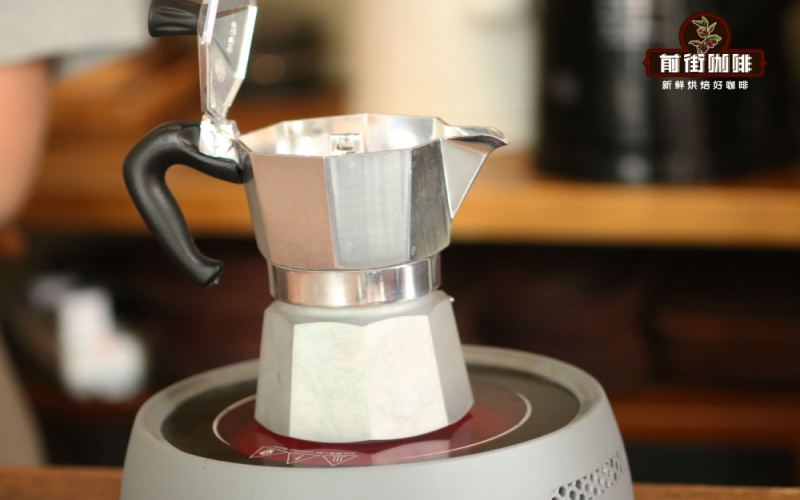
The moka pot, with its unique pressurized extraction method, can brew rich coffee close to espresso, making it a favorite among home coffee enthusiasts. However, because it involves pressure, many people have doubts about its safety. In fact, as long as you master the correct operating steps, these problems can be completely avoided. Starting from the working principle of the moka pot, this article will explain in detail the suitable coffee bean choices, specific recommendations for the Front Street Coffee brand, and twelve usage details that must be noted—from preparing a new pot, water level control, and grounds filling, to gasket replacement, how to tighten the pot body, suitable heat sources, and troubleshooting. Whether you use an aluminum alloy or stainless steel model, these practical suggestions can help you avoid risks and consistently produce moka coffee with a rich layer of crema. [more…]
The Complete Guide to French Press Coffee: Bean Selection, Ratios, and Extraction Time Explained
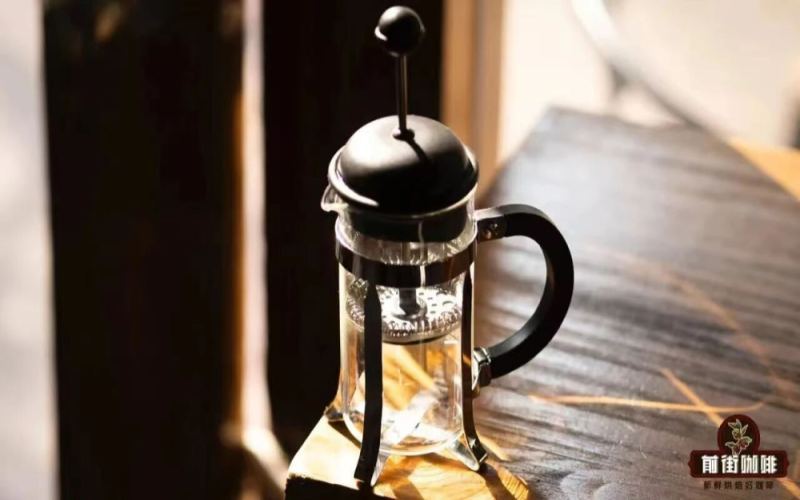
As an immersion brewing tool, the French press is able to fully reveal the richness and intensity of coffee. This article systematically walks through the French press process, from bean selection and grinding to the water-to-coffee ratio and extraction time, and recommends the Front Street Queen's Farm, a yellow bourbon coffee bean from a high-altitude growing region in Brazil. Whether you are a beginner or an enthusiast with some experience, you will find practical tips you can use to make a satisfying cup of French press coffee. [more…]
Moka Pot Aluminum Safety Analysis: A Complete Guide to Cleaning Taboos and Practical Operation Tips
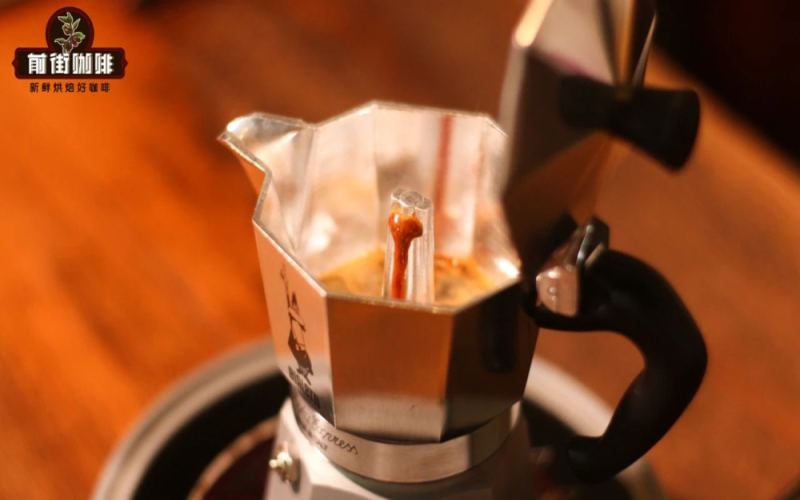
As a classic coffee brewing device with a history of several hundred years, the moka pot is still favored by many coffee enthusiasts today. However, questions about whether it is safe, whether the aluminum alloy material poses any problems, and whether it can be put in the dishwasher for cleaning have long troubled many people. In daily conversations, Front Street has found that many friends have misconceptions about the moka pot, believing that it is complicated to use and poses safety hazards. In fact, as long as you master the correct methods of use and the key points of cleaning and maintenance, the moka pot can absolutely become a capable assistant for making coffee at home. Starting from the structure and principles of the moka pot, this article will analyze in detail the safety issues of aluminum moka pots, and compile more than ten practical operating precautions to help everyone avoid common misunderstandings and safely enjoy the rich coffee brought by the moka pot. [more…]

The Complete Moka Pot Manual: From Coffee-to-Water Ratio to Coffee Bean Selection, a Hands-On Tutorial from Front Street Coffee
The moka pot is an essential coffee brewing device in nearly every Italian household—it is said that eight out of every ten Italian families own one. In China, however, the moka pot has a relatively smaller audience, and there has long been a lack of systematic and comprehensive instruction on how to use it. This time, Front Street Coffee has put together a dedicated moka pot brewing guide, starting with the structure of the device and the principles of extraction, answering common questions one by one about coffee dose, water volume, grind size, and more, offering recommendations for coffee beans suitable for the moka pot, and finishing with detailed step-by-step instructions. Whether you are a beginner who has just gotten your first moka pot or a seasoned user looking to improve your results, you will find practical guidance here. [more…]
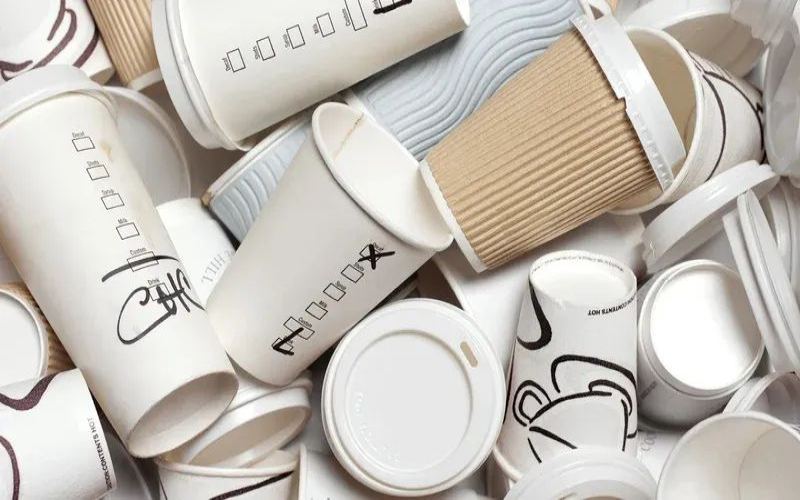
Ireland Introduces a Takeaway Coffee Cup Tax: Starting at 20 Euro Cents, Aiming to End the Era of Single-Use Paper Cups
Ireland is brewing an environmental revolution targeting single-use takeaway coffee cups—a "latte levy" of at least 20 euro cents per cup, with the goal of becoming the first country in the world to say goodbye to disposable coffee cups. The president has signed the relevant bill, which is expected to take effect before the end of the year. Drawing on the success of the plastic bag levy introduced in 2002, the Irish government hopes to use economic measures to encourage consumers to bring their own cups. However, the reality of 200 million coffee cups discarded each year and opposition from nearly two-thirds of the public make this policy highly controversial. This article will sort out the details of the bill, the logic behind the levy, and public feedback, and will also include channels for coffee industry news. [more…]
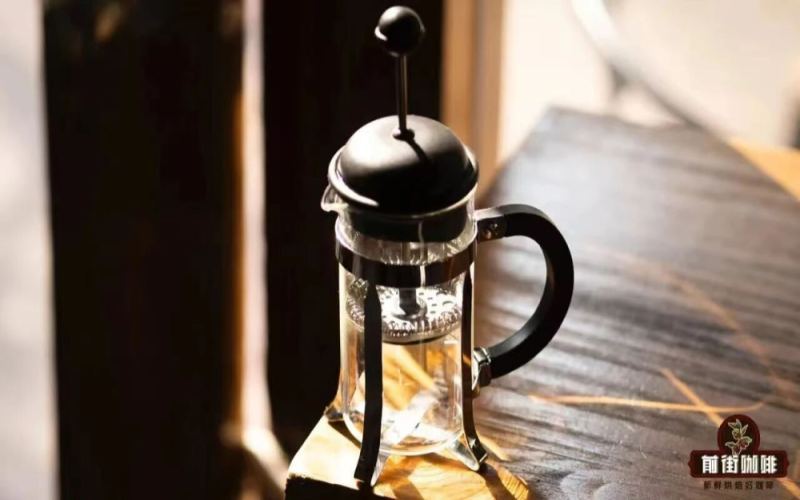
French Press Coffee Brewing Guide: A Comprehensive Analysis of Grind Size, Coffee-to-Water Ratio, and Brewing Process
The French press, with its simple immersion extraction principle, has become one of the most convenient brewing tools that preserves coffee oils. This article explains in detail the suitable coffee bean choices for the French press, grind size standards, recommended coffee-to-water ratios, and the complete operating steps, and also shares how to replicate your ideal flavor by adjusting parameters. Several medium-to-dark roasted everyday beans recommended by Front Street Coffee, such as Brazil Cerrado and Colombia Huila, perform with a balanced and mellow character in this device. If you want to easily make a rich and smooth breakfast coffee, follow Front Street's steps and get started. [more…]
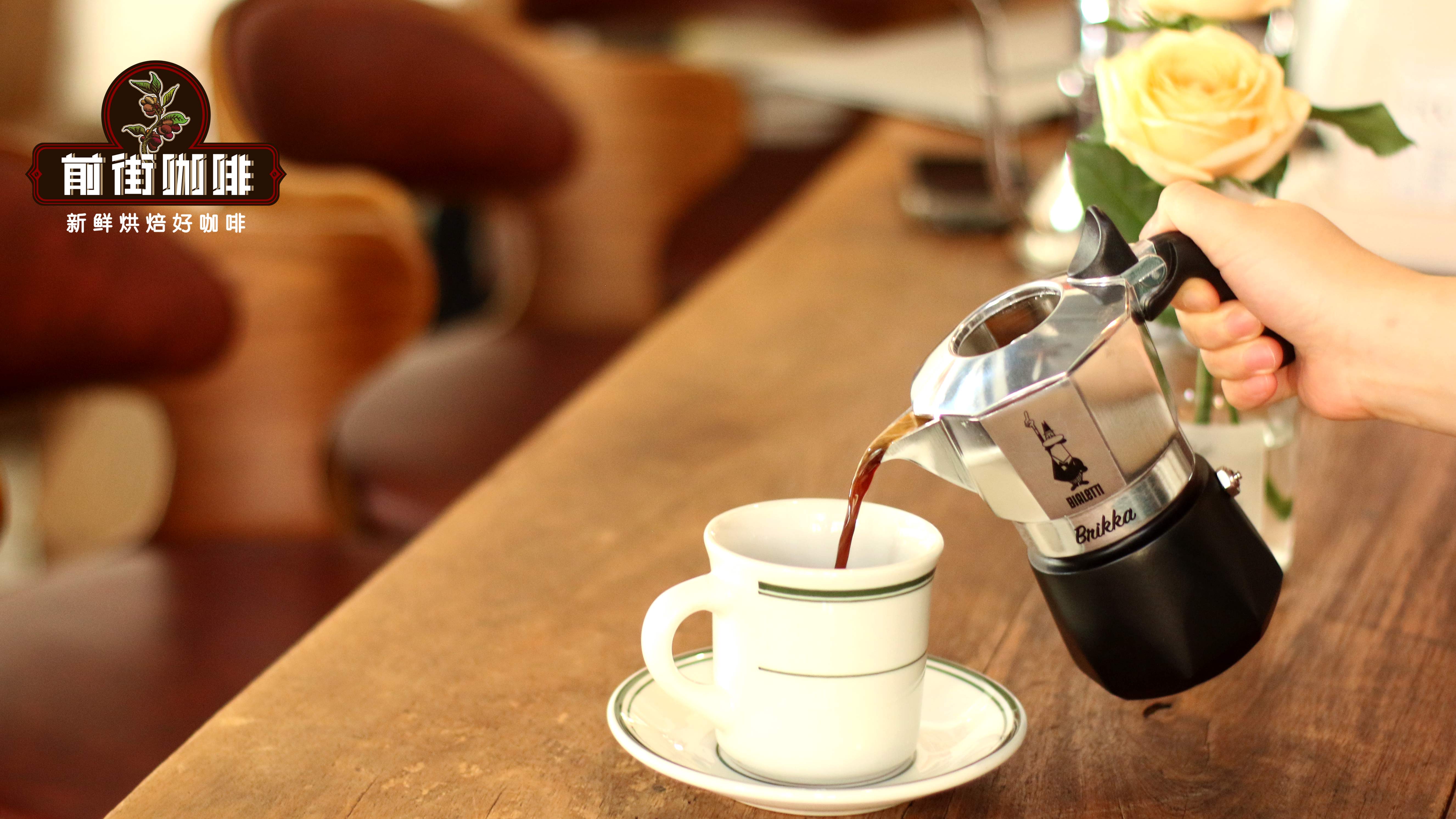
How High Should the Heat Be for a Moka Pot? A Full Breakdown of Metal Shell Design, Heating Methods, and Coffee Bean Selection
The moka pot is one of the lowest-barrier and least expensive tools for making strong coffee, and for enthusiasts who love espresso-style flavor but aren't ready to buy a semi-automatic espresso machine, it's a very friendly choice. Although it's said that every Italian nonna has one, if you really want to use it well, there are some basics you need to understand in advance. Today, Front Street Coffee will take you into the fun world of the moka pot, focusing on several core questions: flame intensity, the metal body design of the pot, and heating methods. We'll also talk about how to choose coffee beans, how fine to grind, how to fill the basket, how to control the water amount, and when to turn off the heat, helping you easily brew a cup of moka pot coffee with rich crema and aromatic flavor. [more…]
Mandehling Coffee Pour-Over Guide for Beginners: Coffee-to-Water Ratio, Blooming Techniques, and Golden Mandehling Brewing Guide
Mandheling coffee is famous for its rich, full-bodied taste and intense aroma, combining soft acidity with a deep, lingering bitterness, and is regarded by many enthusiasts as one of the most romantic coffees. This article is aimed at coffee lovers who want to easily recreate the flavor of Mandheling at home, breaking down in detail the simple equipment needed for pour-over, the key points for selecting coffee beans, and the complete process from grind size and water temperature control to the three-stage pouring technique. It especially shares the recommended coffee-to-water ratio and blooming time for Golden Mandheling, along with practical tips for reducing acidity and stabilizing flavor. Whether you are a beginner just getting into pour-over or a seasoned enthusiast looking to refine your skills, you will find operational details you can put to use right away. [more…]
Espresso Blend Coffee Roasting in Practice: Analysis of Raw Blend Strategies, Density Difference Handling, and Development Rate Control Points
The roasting of espresso blends centers on balancing the density, size, and flavor direction of different bean varieties. Starting from the choice between pre-blend and post-blend, this article combines the blending case of Front Street Colombia Medellin and Front Street Ethiopia Yirgacheffe to break down in detail the logic of adjusting heat, airflow, and moisture during roasting, as well as how to handle combinations of green beans with large density differences through stages such as steaming, heat pushing, and gliding. The article also presents an espresso blend roasting approach with a development ratio controlled at around 25%, and includes measured espresso extraction parameters and flavor descriptions, making it suitable for enthusiasts who wish to gain a deeper understanding of espresso blend roasting. [more…]

Starbucks Delivers adjusts its fee structure: delivery fees drop but a new packaging fee is added—how does users' actual spending change?
Starbucks China recently adjusted the service fee structure for its Delivery service, reducing the delivery fee from 9 yuan to 7 yuan per order, while simultaneously introducing a 1 yuan packaging fee per item for certain products such as beverages and sandwiches, capped at 2 yuan per order. Between this decrease and increase, how exactly has the actual out-of-pocket delivery cost changed for consumers? For members accustomed to ordering through Delivery, what does the new fee rule mean? Can third-party platforms avoid the packaging fee? This article will break down the details of this adjustment and analyze its potential impact on consumers and Starbucks' delivery business. [more…]
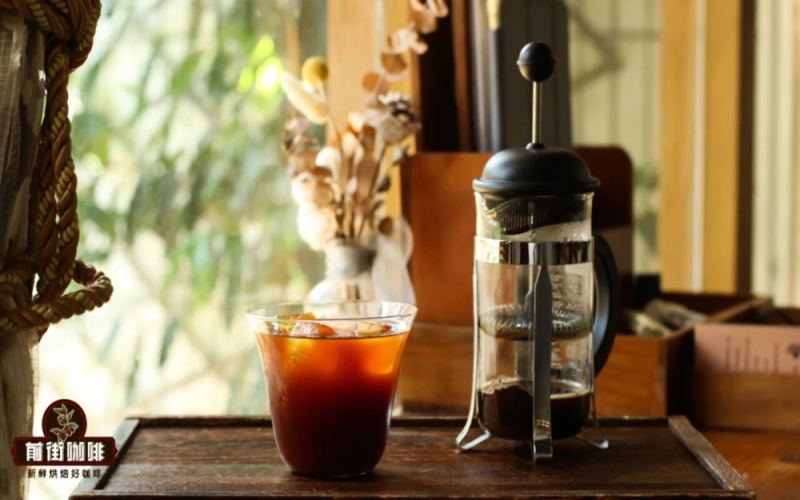
French Press Coffee Brewing Guide: A Complete Analysis of Grind Size, Coffee-to-Water Ratio, and Steeping Time
The French press is simple to operate, yet it fully preserves the coffee's oils, aroma, and depth—making it the immersion brewing tool that comes closest to cupping. This article systematically walks through how to use a French press, from bean selection, grind size, coffee-to-water ratio, and water temperature control to the specific brewing steps, along with practical tips from Front Street Coffee. Whether you're a busy office worker or a beginner pour-over enthusiast, you can use these methods to easily brew a rich, smooth cup of breakfast coffee. [more…]
A Detailed Guide to Moka Pot Coffee Brewing Parameters: A Complete Guide to Coffee Dose, Water Amount, Time, and Crema Extraction
The moka pot is the most economical choice among home espresso equipment. Its operation seems simple, but to brew coffee with moderate crema and a rich, mellow flavor, the coffee dose, water amount, grind size, and heating method all matter. Based on Front Street's hands-on experience, this article systematically covers the moka pot's structure and principles, coffee bean selection advice, coffee-to-water ratio, puck preparation techniques, and safety precautions, helping coffee lovers easily achieve consistent moka pot extraction at home. [more…]
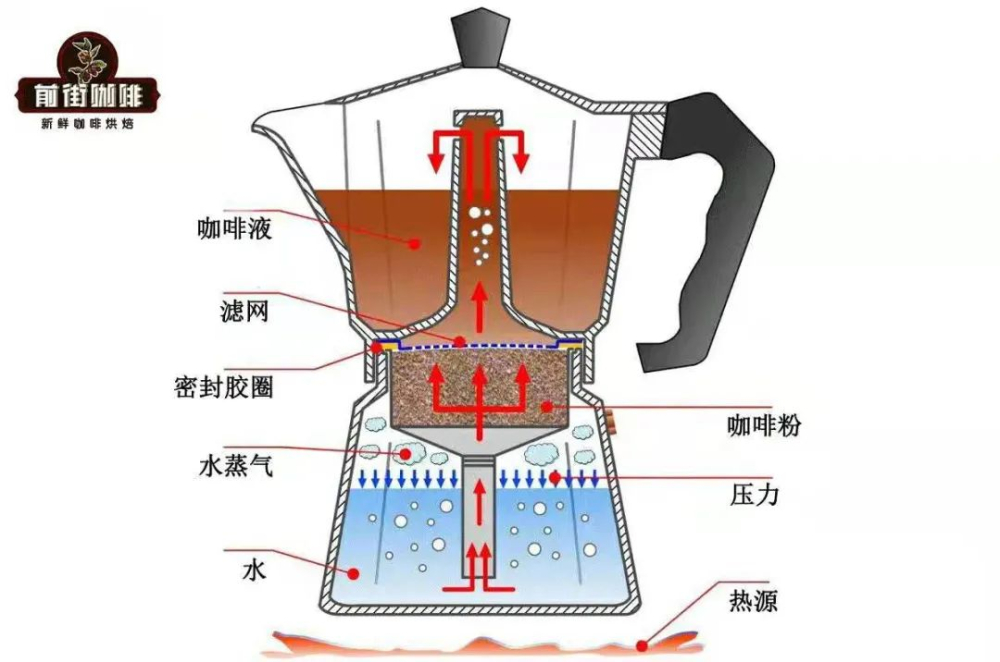
Coffee Beginner Self-Study Guide | How to Use a Moka Pot to Extract Espresso? What Is the Working Principle of a Moka Pot? How to Brew Delicious Black Coffee with a Moka Pot
For professional coffee knowledge exchange and more coffee bean information, please follow Coffee Workshop (WeChat official account: cafe_style). For more specialty coffee beans, please add our personal WeChat Front Street Coffee (FrontStreet Coffee), WeChat ID: qjcoffeex. The design principles of the Moka pot [more…]
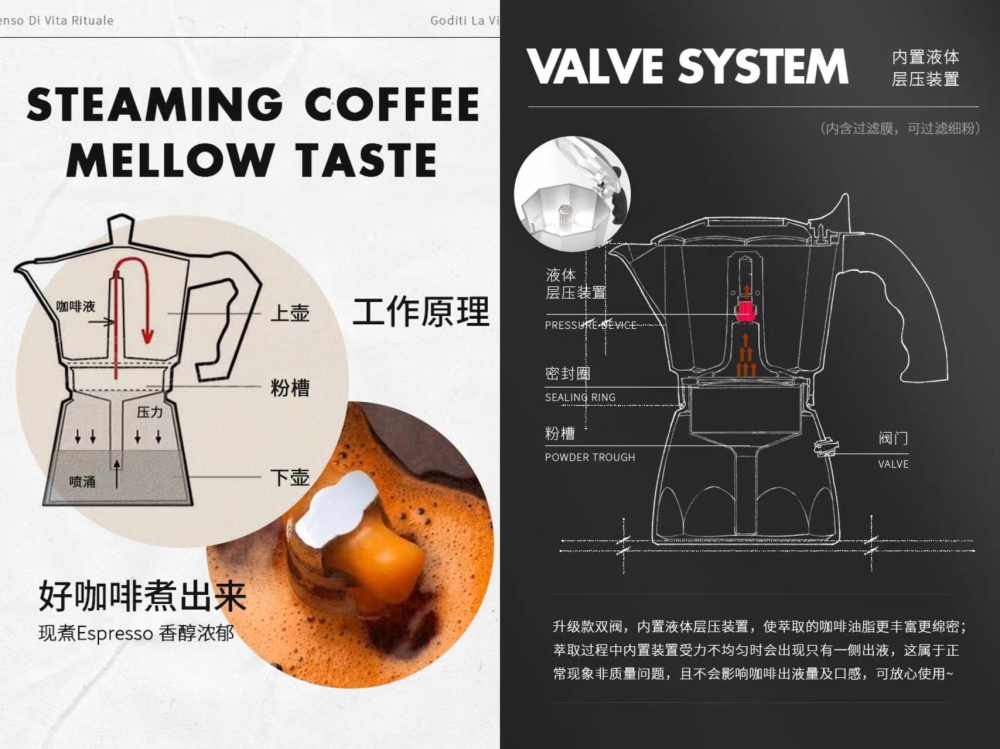
Espresso Coffee Beans | What's the difference between a single-valve and double-valve moka pot? How do coffee beginners choose a Bialetti moka pot? Which coffee beans can be brewed with a moka pot?
When the moka pot was first invented, there was no distinction between single-valve and double-valve versions. The moka pot has been popular worldwide for nearly a century because it changed the rule that women could not drink coffee in cafés, and it also allowed more people to quickly extract highly concentrated coffee at home through steam pressure, rivaling the very expensive, very large [more…]
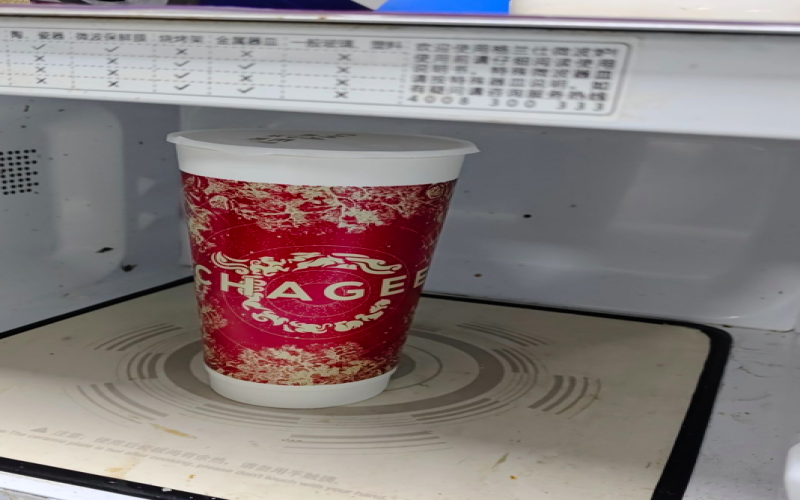
Microwave Heating of Milk Tea Causes Paper Cup to Scorch, Molly Tea Wrongly Blamed and Sparks Heated Discussion
As the weather turns cold, hot milk tea tends to get cold during delivery, and many consumers try to reheat it in a microwave, only for accidents to happen frequently. Recently, multiple customers have reported that when heating Jasmine Naibai drinks, the paper cups showed burn marks and even nearly caused a fire. In contrast, heating milk tea from brands such as Bawang Chaji, Mixue Bingcheng, and Nayuki did not cause similar problems, raising questions about the quality of Jasmine Naibai's paper cups. However, onlookers rushed to defend the brand, pointing out that the cup sticker already has a reminder, and that the metallic substances in the cup's gold-stamped pattern reflect microwaves in the microwave, which is the main cause of the accidents. This article reviews the course of the incident and the underlying principles, and reminds readers: heating milk tea in a microwave poses safety hazards, so do not imitate it rashly. [more…]