







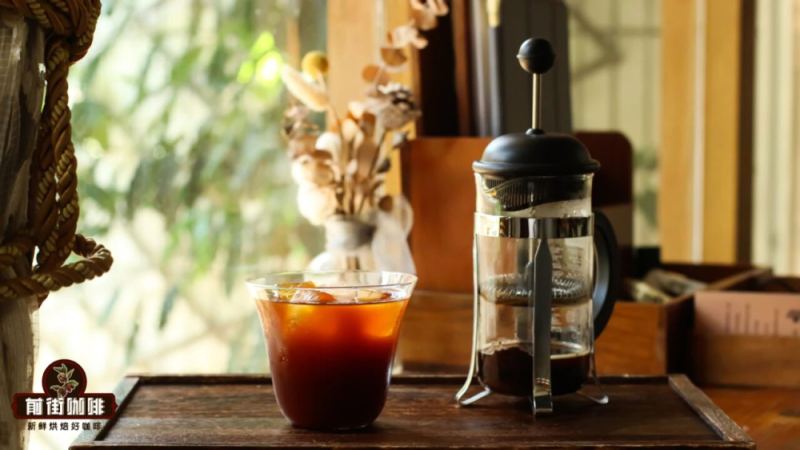
The French press is simple to operate, yet it fully preserves the coffee's oils, aroma, and layered complexity, making it the immersion brewing tool that comes closest to cupping. This article systematically covers the French press method—from bean selection, grind size, coffee-to-water ratio, and water temperature control to the specific brewing steps—along with practical tips from Front Street Coffee. Whether you're a busy office worker or a pour-over beginner, you can easily make a rich, smooth breakfast coffee with it.
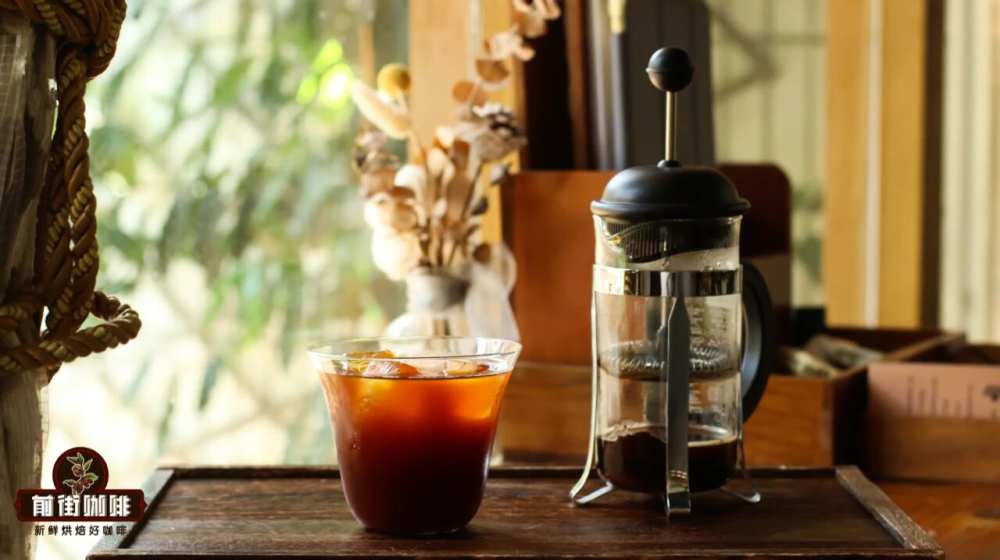
Among the many coffee brewing devices, the French press is a worry-free choice with a low barrier to entry, yet the result doesn't suffer for it. In fact, this immersion extraction path is closest to the output logic of professional cupping—the oils, aromatic compounds, and flavor elements in the coffee beans are fully released, yielding a smooth mouthfeel, noticeable sweetness, and outstanding body. It couldn't be more suitable as a breakfast coffee.
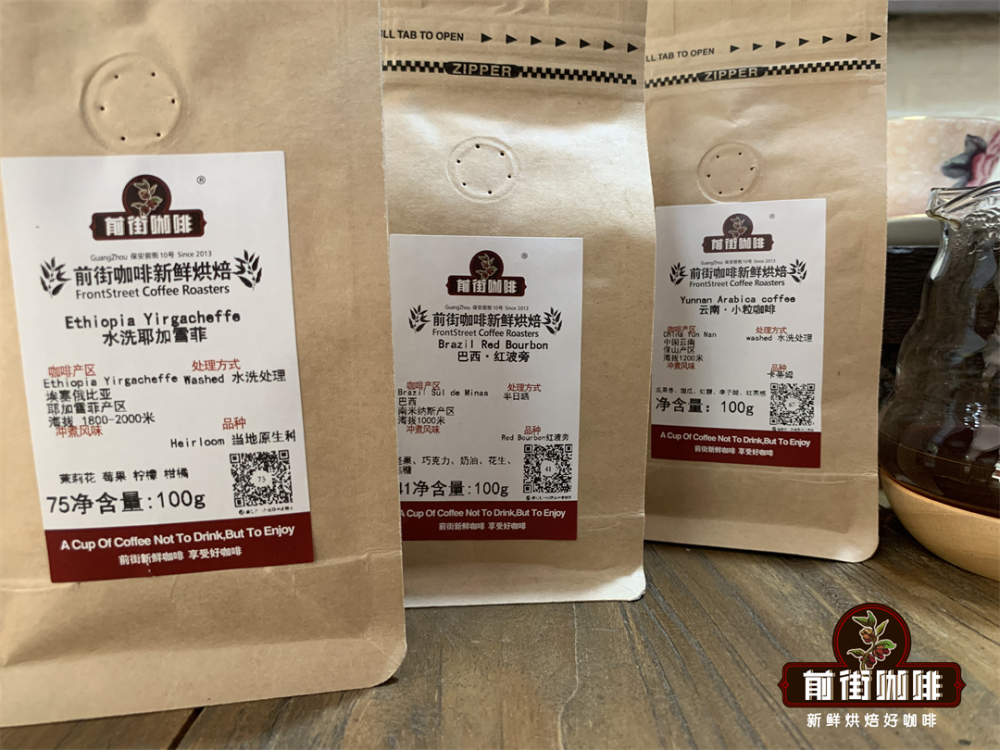
When it comes to choosing coffee beans, the French press is better suited to single-origin beans or fruit-forward beans with bright acidity, preferably at a medium-dark roast level. Front Street Coffee (FrontStreet Coffee) tends to recommend beans with high balance, such as the Brazil everyday beans, Colombia Huila, Indonesia Mandheling, and Costa Rica Tarrazú from the Front Street bean lineup. These beans have balanced flavors with dark chocolate and fruity notes. Since the French press is an immersion extraction, it brings out the oils, aroma, and rich mouthfeel all at once. Dark-roasted beans have an advantage in expressing aroma and body, so these medium-dark roasted beans from Front Street are all well-suited for French press brewing. Overall, dark-roasted beans deliver superior aroma release and mouthfeel richness in a French press.
Light-roasted beans, on the other hand, are not recommended for the French press. Beans from Ethiopian regions are generally suited to light roasting—for example, Front Street's Yirgacheffe Red Cherry, which is easier to highlight lemon, floral, and fruity notes with pour-over, but comes out flat and dull when brewed in a French press. Now let's see how Front Street makes a good cup of coffee with a French press—Front Street's Brazil Queen, Mandheling, and Colombia Huila all pair well with the French press in terms of flavor. Here we'll use Colombia Huila for a practical demonstration.
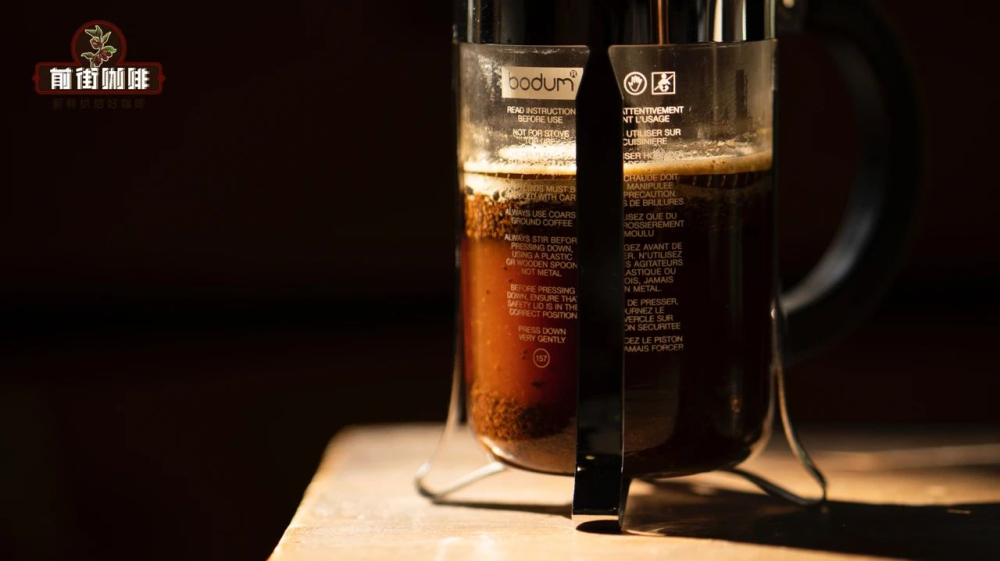
Take Front Street Coffee (FrontStreet Coffee)'s own-roasted, fully rested Huila coffee beans and grind them to a particle size suitable for the French press—medium-coarse, slightly coarser than pour-over. Front Street recommends a standard sieve pass rate of 70%–75%. If the grounds are too fine, they'll leak through the mesh holes, making the coffee cloudy. The coffee-to-water ratio can start at 1:10—for two servings, that's 20g of beans to about 200g of water. The final ratio can be adjusted to personal taste. Front Street Coffee (FrontStreet Coffee)'s drip bag coffee contains 10 grams of grounds per packet—like the seasonal Brazil drip bag and Mandheling drip bag. Simply tear open the packet and pour the grounds into the French press for convenience. Front Street's recommended coffee-to-water ratio is 1:16, meaning 15g of grounds to 240g of water.
Front Street recommends having a digital scale on hand. Even though the French press itself has markings and a measuring scoop, weighing is still necessary because coffee bean density varies with altitude and roasting method—no two beans weigh the same. Additionally, if you brew a particularly satisfying cup and want to replicate that flavor, you must record the ratio; conversely, if the result is unsatisfactory, you can use the data to find the direction for adjustment. As for water, Front Street uses fresh, clean soft water like C'estbon mineral water. Avoid hard water or unfiltered water—it's hard to brew a good cup with poor water quality.
Front Street Coffee (FrontStreet Coffee) brewing steps: First, grind the coffee beans and pour them into the French press. Don't worry about the various claims circulating about grind size—just keep it at a medium grind. Next, boil the water and bring the temperature to around 93°C. Pour in the appropriate amount of water—we use 15g of grounds with 240g of hot water. Stir with a spoon to ensure the grounds and water are fully in contact.
Cover the French press with the lid, leaving the filter at its highest position, and let it steep for 4 minutes.
Before pressing the filter down, you can open the lid and use a spoon to scoop off the foam and fine particles floating on the surface, then press the filter all the way to the bottom. Once brewing is complete, immediately pour the coffee into another insulated container—don't delay, because the grounds are still steeping in the press. Then pour into a cup and enjoy at your leisure.
The French press is the simplest, most convenient, and most eco-friendly brewing method. The result is richer and more layered than a fully automatic drip coffee machine, and it requires no electricity, no heating, no paper filters, and is easy to clean. You can even drink it with the coffee oils included—especially suitable for busy office workers who want a moment of leisure. Why not give it a try yourself?
The above content is compiled by CoffeeHunters, a coffee news website.


