







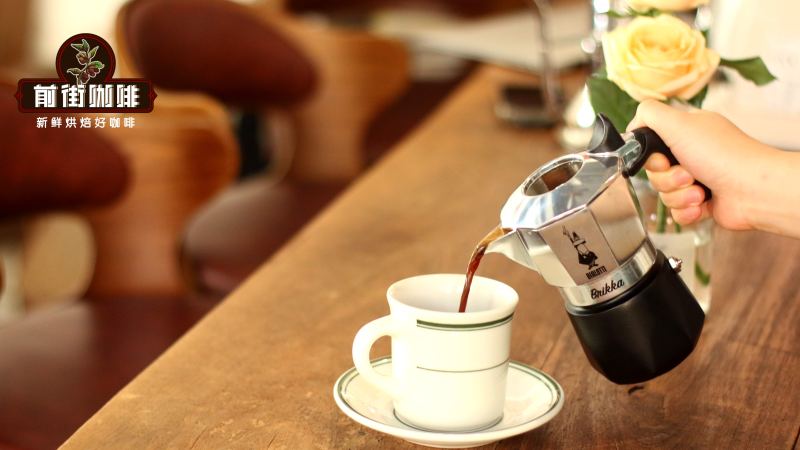
How long does it take a moka pot to brew, and what affects the time?
A moka pot usually finishes brewing in about four to six minutes on moderate heat, counted from the moment the base goes on the stove. The first dark coffee appears at the spout in roughly two to three minutes, and the flow should stop, hissing and sputtering aside, within another minute or two. Faster, violent extraction usually means the heat is too high.
Time is set by heat, water temperature and moka pot coffee grind. A medium-fine grind, closer to table salt than espresso, plus water filled to just below the safety valve, keeps the flow steady. Fill the filter basket level without tamping, and cut the heat as soon as the upper chamber is about two-thirds full.
The moka pot is the most economical choice among home espresso equipment. Its operation seems simple, but to brew coffee with moderate crema and a rich, aromatic flavor, there are particular considerations for coffee dose, water amount, grind size, and heating method. Based on Front Street's practical experience, this article systematically covers the moka pot's structure and principle, coffee bean selection recommendations, coffee-to-water ratio, distribution techniques, and safety precautions, helping coffee lovers easily achieve stable moka pot extraction at home.
For more specialty coffee information, welcome to follow our WeChat official account: Front Street Coffee (FrontStreet Coffee)
Among all the equipment for making espresso-style coffee, the moka pot is probably the one with the lowest operating threshold and the least expense. For those who love Italian coffee but haven't yet planned to get a semi-automatic espresso machine, the moka pot is a choice well worth considering. Although it's jokingly called a kitchen staple that "every Italian nonna knows how to use," being easy to pick up doesn't mean you don't need to understand the basics. Today, Front Street will introduce this practical and interesting little device to everyone.
The specialty coffee community in China cares deeply about the beans themselves—where they're from, what variety, what roast level—every detail is worth scrutinizing. But abroad, many people buy coffee beans or ground coffee straight off supermarket shelves, paying more attention to brand, suitable brewing method, and the final flavor profile.
The moka pot consists of three parts: the upper chamber, the filter basket, and the base. There are various sizes available on the market. The base holds water, the filter basket holds coffee grounds, and the upper chamber collects the brewed coffee. Its working principle isn't complicated: heating the water in the base generates steam pressure, and the extraction direction goes from bottom to top. When pressure builds up enough, hot water is pushed up through the coffee bed in the filter basket. The coffee bed creates resistance to the water flow, and the hot water eventually breaks through this resistance and surges into the upper chamber, yielding a rich, concentrated coffee.
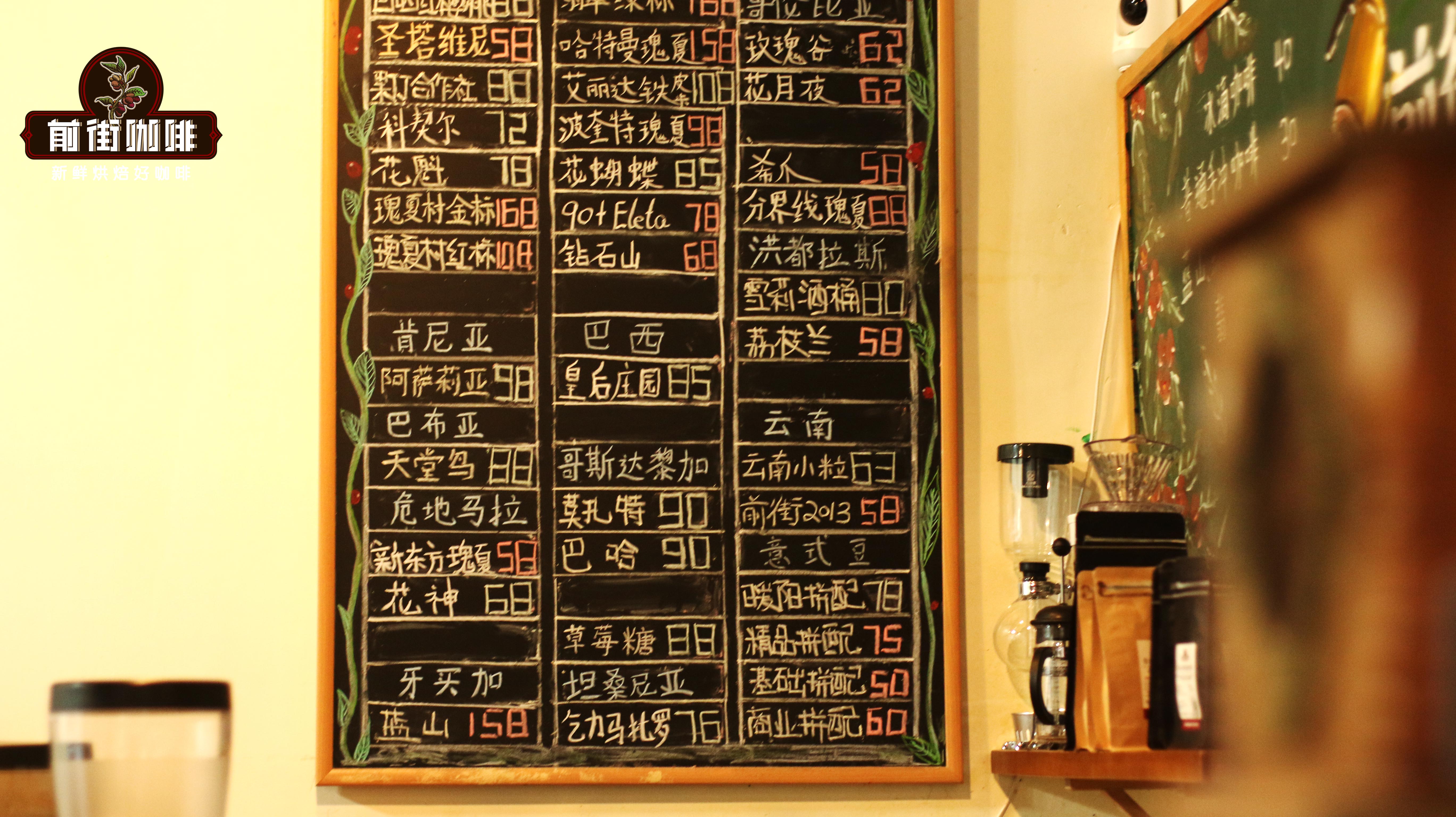
Since the moka pot uses pressure extraction with high water temperature and fast extraction speed, to achieve moderate crema and a rich, aromatic taste, you should prioritize fresh medium-dark roasted coffee beans. Front Street recommends the following: Front Street Classic Espresso Blend (traditional Mamba recipe, fine and full-bodied crema), Front Street Commercial Blend (same ingredients as coffee shops, rich crema), Front Street Specialty Blend (prominent caramel notes, noticeable sweetness) . To help every customer easily make good coffee, Front Street promises all coffee beans are shipped within 5 days of roasting, ensuring they're still at peak freshness upon arrival.
Of course, if you're really unsure about the grind size, or don't have a grinder at home, Front Street also offers a grinding service. However, one reminder: once coffee beans are pre-ground, the aroma dissipates significantly faster, and the crema from the moka pot will be considerably reduced. So if conditions allow, it's still recommended to have your own grinder—grinding fresh right before brewing gives the best results.
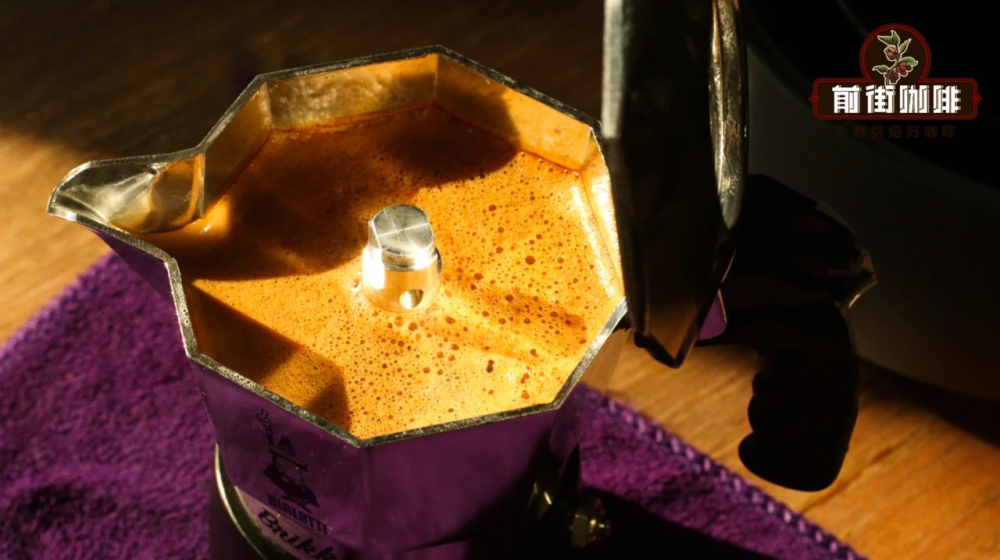
Front Street personally tested this method and found it indeed very practical. The brewed coffee had quite rich crema, and after extraction the puck was firm and intact with no channeling. Everyone might want to give it a try.
The fourth question: how do you determine the water amount?
Compared to other brewing methods, the moka pot isn't actually that strict about the coffee-to-water ratio. Usually you just need to keep the water level about 0.5cm below the pressure relief valve (safety valve). Front Street measured it in practice: when water is filled to 0.5cm below the pressure relief valve, it's about 100g; when the filter basket is full of coffee grounds, it's about 20g; at this point the coffee-to-liquid ratio is roughly 1:5. If you only want to brew a "half batch," both the coffee dose and water amount should be reduced proportionally. For example, with 15g of coffee grounds, calculated at a 1:5 coffee-to-liquid ratio, the water amount should be 60g, which is 1cm below the pressure relief valve.
It's worth noting that when the coffee dose is on the low side, the moka pot tends to sputter after boiling. So Front Street's approach is: after pouring coffee grounds into the filter basket, first gently tap left and right to let the fluffy grounds settle naturally and pack together, then take a small spoon and gently "press" the coffee bed with the back of the spoon until the bed thickness is reduced to about half.
As for what water to use, cold water will prolong the contact time with the coffee grounds, easily leading to over-extraction and bitterness. Therefore, Front Street recommends using hot water directly, which also shortens the overall extraction time.
Finally, a few more words from a safety perspective: most moka pots have metal bodies with strong heat conductivity. After heating, try not to touch the pot directly with your hands—be sure to insulate properly, such as wrapping it with a wet towel, to avoid burns. If you hear a whistling sound but no coffee flows out of the upper chamber for a long time, the spout is likely clogged. In this case, turn off the heat source first to prevent excessive internal pressure that could cause bursting or other dangerous situations.
The above content is compiled by CoffeeHunters, a coffee news website.


