







For more coffee origin news and coffee knowledge, please followCoffeeHuntersToutiao account
In daily life, Front Street often hears a saying: "For safety's sake, it's best not to use a moka pot." Why is that?
Why is it not recommended to use a moka pot?
Front Street has learned that people generally hold this view for two main reasons. First, the moka pot is relatively harder to operate. To make delicious coffee, you need to control the grind size, tamping pressure, heating time, and heat level, so it is not very beginner-friendly. Second, there are safety concerns. The moka pot has no internal scale lines for reference, making it difficult to control the exact ratio, so the quality of the brewed coffee can easily be inconsistent, leading to over-extraction, and if operated improperly, hot water under high temperature and pressure can spray out and cause scalding.

However, in Front Street's view, since this device has been around for hundreds of years, it proves that it can indeed be a good helper for home coffee brewing. As long as you master some details and parameters, making a delicious cup of coffee with a moka pot is not difficult. Let's start by understanding the structure of the moka pot.
A moka pot is generally made of aluminum alloy or stainless steel and is divided into three parts: the upper chamber, the filter basket, and the lower chamber, connected in the middle by a tube. The lower chamber is equipped with a pressure relief valve. When the pressure inside the pot becomes too high during heating, the pressure relief valve will automatically release pressure to avoid the risk of the pot body bursting or coming apart due to excessive pressure.
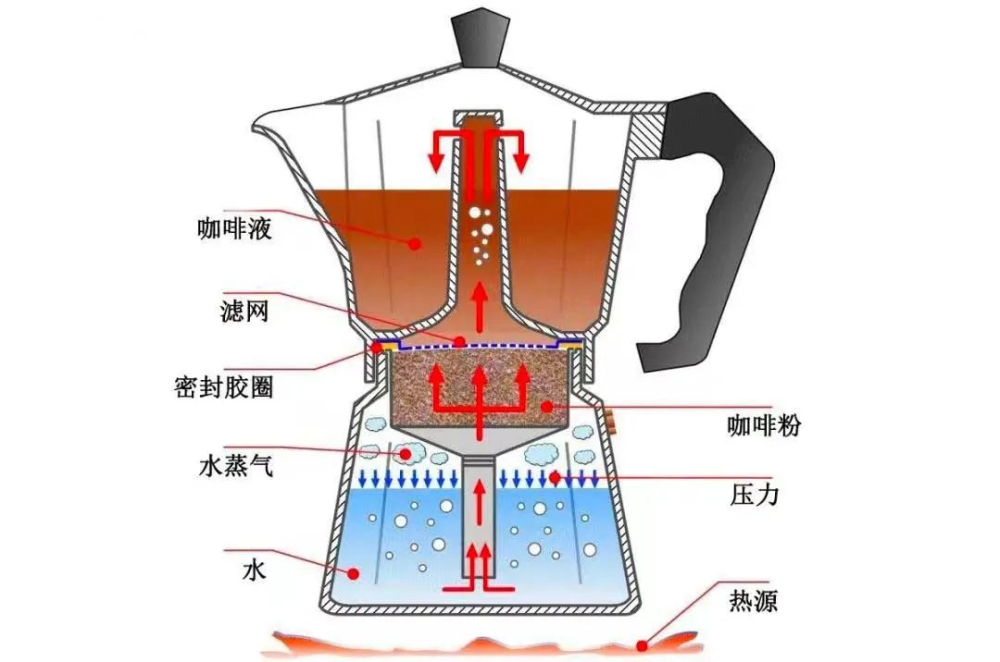
The working principle of the moka pot is to place the pot on a heat source for heating. After the water at the bottom of the pot boils, it produces steam. The steam pressure generated by the boiling water pushes hot water through the tube, through the basket filled with coffee grounds, and then through the filter screen into the upper chamber.
No matter which brand or model of moka pot it is, these details need attention when using it!!
1. Before using a newly purchased moka pot, you must first brew with it at least twice. The coffee brewed the first two times should be poured away and not drunk, as this can effectively remove trace metals that may remain from the manufacturing process.
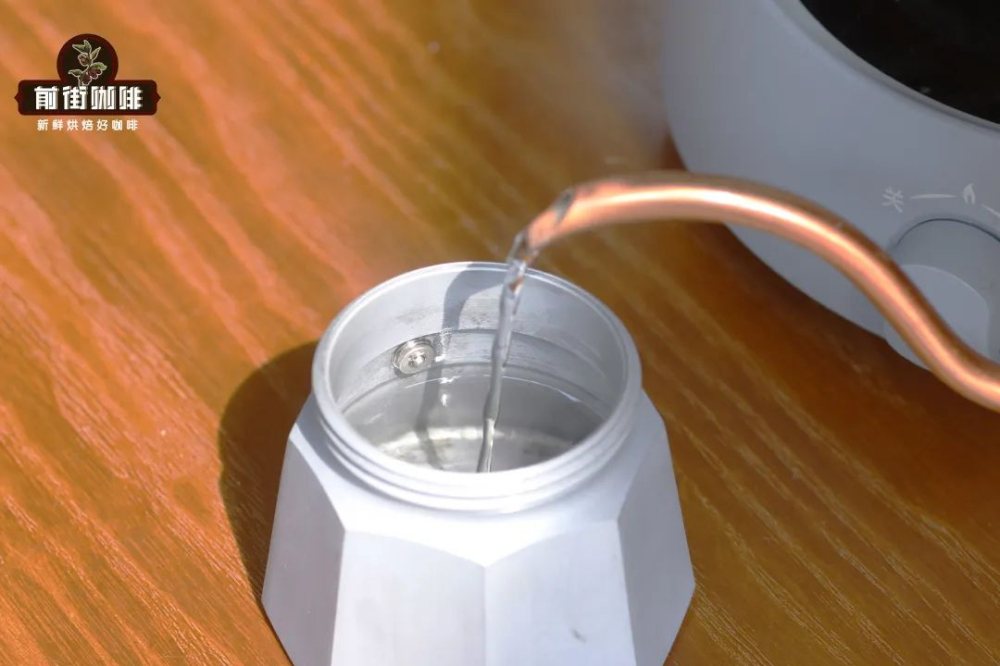
2. When adding water to the lower chamber, never let the water level exceed the lower edge of the pressure relief valve.
3. After filling the moka pot's filter basket with coffee grounds, do not tamp the coffee layer firmly. If using filter paper, its size must not exceed the surface of the coffee bed, otherwise it can easily create too much pressure, causing steam to escape and leading to risks of scalding or the pot body coming apart.
4. After cleaning, the lower chamber must be thoroughly dried to avoid oxidation.
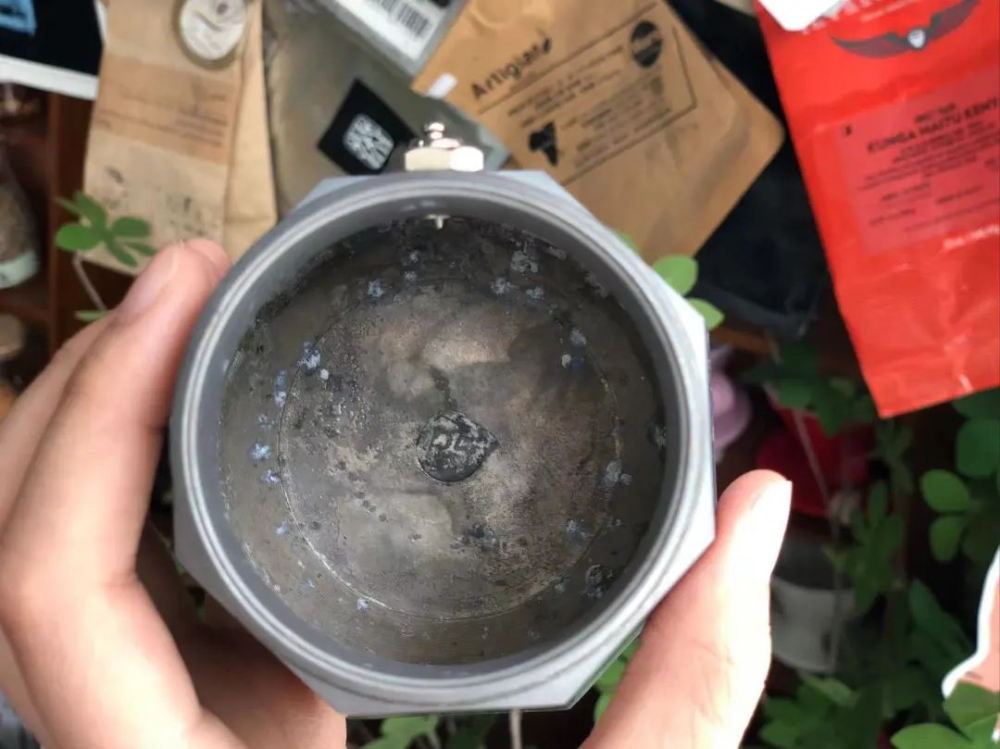
5. The sealing gasket below the upper chamber should not be used for more than one year at most. If used frequently, it is recommended to replace it every six months. The purpose of the sealing gasket is to strengthen the seal between the upper and lower chambers and prevent steam leakage or water leakage that could cause scalding risks.
6. When tightening the pot, try not to use the handle of the upper chamber for leverage, as this will cause the handle to loosen over time. Therefore, it is recommended to tighten the moka pot by rotating the lower chamber. If the lower chamber contains hot water, remember to take heat insulation measures.
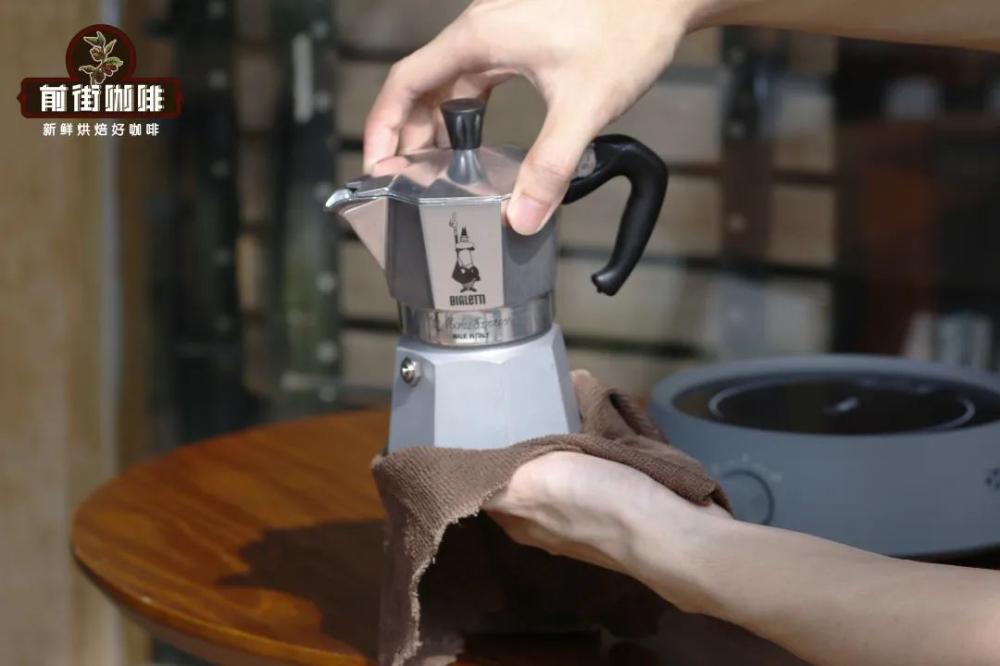
7. Aluminum alloy moka pots are only suitable for electric ceramic stoves, open flames (gas stoves, coal gas stoves), and small electric stoves. Only stainless steel moka pots can use induction cookers and other heat sources for heating.
8. If the brewed coffee flows into the upper chamber in a spraying manner, it may be because: too much water was added to the lower chamber, exceeding the lower edge of the pressure relief valve; or the coffee grounds are ground too coarse, the filter basket is not filled, or no coffee grounds were added; or the heat was too high during heating, or the pot was left on the heat too long; or there is also the possibility that internal parts are not fully installed or are installed incorrectly.
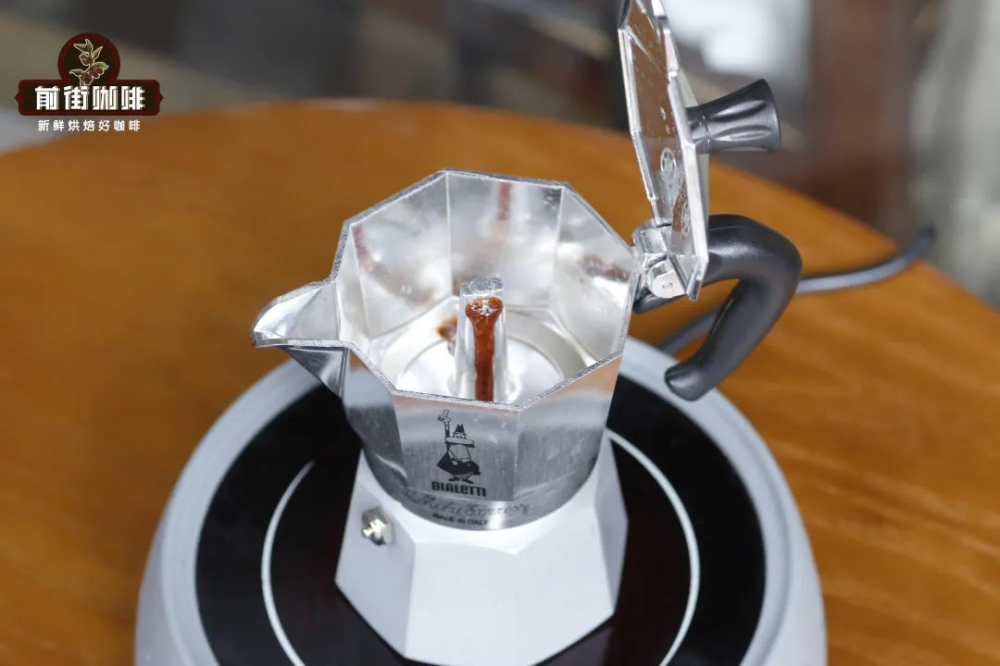
9. If the pot body leaks during brewing, it may be due to aging of the gasket or the upper and lower chambers not being tightened properly. Leaking may also occur when trying out a new pot, but generally it will stop after 3-4 trial brews.
10. If the pressure relief valve releases steam and makes a whistling sound during heating, it is because the coffee grounds are ground too fine, too much coffee powder was added, or the water exceeds the lower edge of the pressure relief valve, causing excessive pressure.
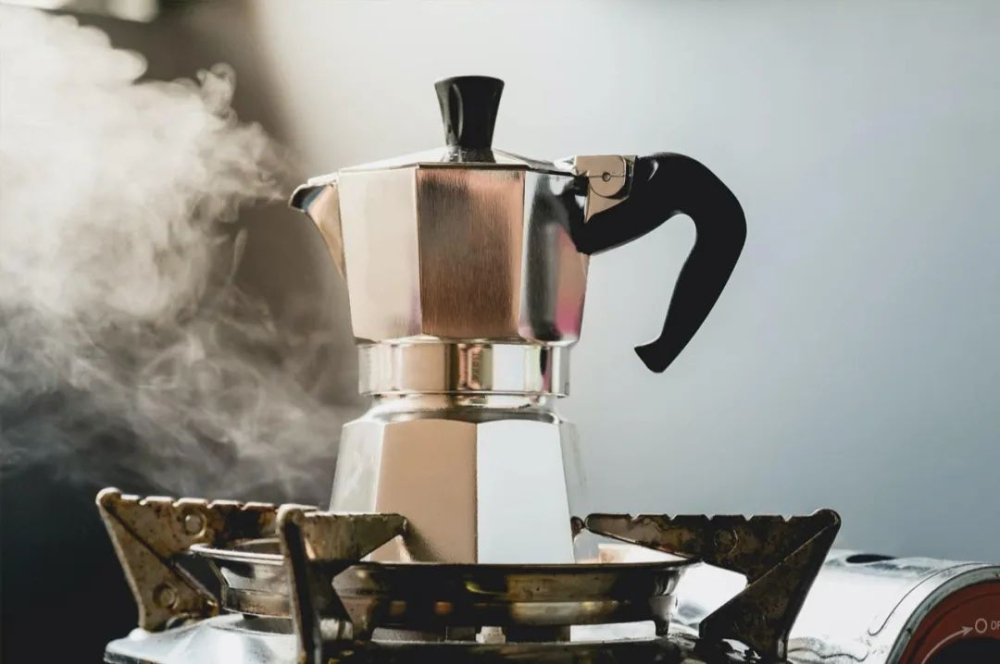
11. If the moka pot cannot be unscrewed after brewing coffee, you can add some boiled water to the upper chamber. After one or two minutes, or when the water in the pot is no longer so hot, pour out the water, take heat insulation measures, and then try to unscrew it. If that really doesn't work, ask for help—there's always someone who can unscrew it, haha~
12. Moka pots cannot be put in the dishwasher! Do not soak them in corrosive solvents!!

13. For moka pot coffee beans, it is recommended to prioritize medium to dark roast types. Front Street's classic Italian blend is recommended. This is a dark-roasted coffee made from a combination of Brazilian semi-washed, Indonesian Mandheling, and Vietnamese washed beans. In addition to its roasty aroma, the key point is that it is rich in oils, can release abundant golden crema, and gives the coffee a mellow mouthfeel.
The above content is compiled by CoffeeHunters, a coffee news website.


