







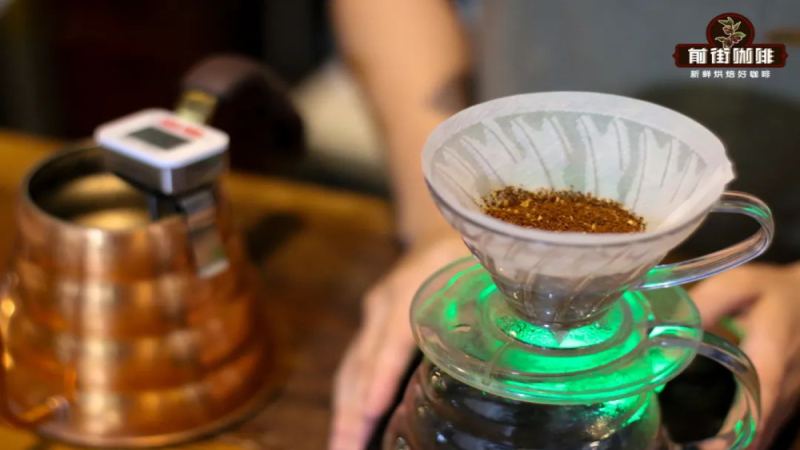
How hot should water be for coffee when the weather turns cold?
When the weather cools, the same brewing parameters can produce weaker, less sweet coffee because heat loss accelerates and the actual extraction temperature drops. Front Street measured that with an initial water temperature of 90°C, the coffee bed slid from 86.2°C to 84.5°C during the main extraction stage after blooming in summer, and drops further in winter.
The 91°C usually cited refers to the temperature inside the kettle, not the water that reaches the grounds. Water passes through cooler air, absorbs heat from room-temperature grounds, and loses heat from the kettle and dripper during the two-minute pour. Any coffee enthusiast should preheat the setup and raise the kettle temperature to compensate.
After the weather turns cooler, many coffee enthusiasts find that using the same brewing parameters makes their coffee taste weaker and less sweet. The problem often lies in the water temperature—a low-temperature environment accelerates heat loss, causing the actual extraction temperature to fall below expectations. Front Street's measurements reveal that under the same initial water temperature in summer and winter, there is a noticeable difference in the temperature of the coffee bed. This article will analyze the gap between the water temperature in the kettle and the extraction temperature, offer specific recommendations for adjusting water temperature in winter, and share practical techniques to reduce heat loss, helping you consistently produce a full-flavored pour-over coffee even in the cold season.
Recently, several friends have encountered a similar problem when brewing coffee: even though they still follow the old recipe, the coffee tastes weaker than before and much less sweet.
The reason for this phenomenon is actually related to the drop in temperature after the onset of winter, which in turn drags down the brewing water temperature. If, like Front Street, you are in the habit of first pouring hot water into the pour-over kettle and then checking the temperature with a thermometer, you will notice that the water temperature now drops much faster than usual.
The water temperature we set in the brewing plan and the water temperature that actually participates in extraction are two different things. The 91°C we usually mention refers to the temperature inside the kettle; the extraction temperature that actually enters the coffee bed must be lower than that. The reason is that when the water flows out of the spout, it first passes through cooler air, and when it contacts the room-temperature coffee grounds, part of the heat is absorbed. In addition, during the nearly two-minute extraction process, the pour-over kettle itself is losing heat, and the temperature in the dripper is also dissipating.
Front Street conducted actual measurements of the coffee bed temperature in summer: when the initial water temperature was 90°C, during the main extraction stage after blooming ended, the temperature slid all the way from 86.2°C to 84.5°C. Now, when Front Street likewise uses 90°C as the starting water temperature to brew coffee, the measured temperature range during the main extraction stage has become 85.1°C to 83.8°C, clearly shifting downward overall.
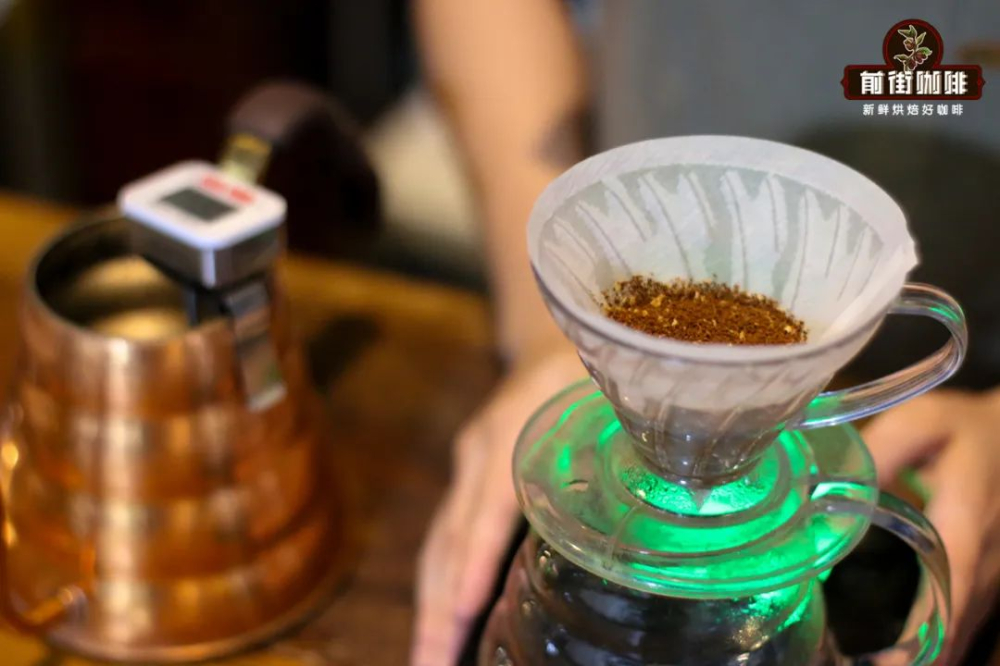
It can thus be seen that when the ambient temperature drops, even if we continue to use the original water temperature setting, the actual coffee bed temperature during extraction is no longer what it used to be. The result is that the coffee tastes more sour, and both its layering and body are somewhat diminished.
The solution is not complicated: simply raise the pouring water temperature, usually by just 2°C more than usual. For example, Front Street usually brews coffee at 91°C, but when the room temperature is low, it switches to 93°C.
In addition to raising the water temperature, you should also consciously keep things warm during the brewing process and slow heat loss as much as possible. For example, do not forget to put the lid on the kettle while brewing, and before the official pour, first discard a little hot water to preheat the spout. When pouring, the stream of water should not be drawn out too long; the larger the contact area between the stream and the air, the faster the heat dissipates. Generally speaking, maintaining a pouring height of 3-5cm is more suitable.
The above content is compiled by CoffeeHunters, a coffee news website.


