







Search Results for: instant coffee differences
Definition and Analysis of Pour-Over Coffee and the History of Instant Coffee Development: The Hazards of Non-Dairy Creamer and a Discussion of the Nanjing Auntie's Brewing Method
As specialty coffee becomes increasingly popular today, what exactly does pour-over coffee refer to as a brewing method? When a Nanjing auntie sparked heated discussion by making so-called "pour-over coffee" with instant coffee powder, it is worth starting from the historical context of coffee to re-examine the origins of instant coffee, the evolution of its processing technology, and why it has fallen from its former stardom to the bottom of the coffee hierarchy. This article will clarify the definitional boundaries of pour-over coffee, trace the development of instant coffee from military demand to Nestlé's spray-drying mass production method, explain the connection between non-dairy creamer and 3-in-1 instant coffee along with their health concerns, and review the special context and shifts in public perception when the first wave of coffee landed in China. Front Street will also share observations on the differences among various coffee audiences. [more…]
Instant Black Coffee Buying Guide: Flavor Review and Processing Analysis of Mainstream Freeze-Dried Coffee Brands
For many office workers, a daily cup of coffee has become a necessity, but buying it out over the long term adds up, making home brewing a money-saving solution. There are countless types of instant coffee—what exactly is the difference between freeze-drying and spray-drying, and how do their flavor profiles differ? This article first traces the history of instant coffee from its invention in 1901 to Nestlé's mass production, then analyzes how spray-drying and freeze-drying affect flavor, and finally presents Front Street Coffee's hands-on comparison of multiple instant coffee products from five brands—Tim Hortons, Yongpu, Eagle Eye, Saturnbird, and Coffee Box—to help you find the one that suits your taste. [more…]
Behind the Freeze-Dried Coffee Craze: An Analysis of Instant Coffee Process Evolution and Flavor Differences
Freeze-dried coffee has become a new favorite in the coffee market in recent years, but many people are not clear about the real difference between it and traditional instant coffee. From the perspective of Front Street, this article sorts out the origin of instant coffee and its two core production processes—spray drying and freeze drying—analyzes why freeze-dried coffee can better preserve flavor, and how it breaks away from the stereotype of instant coffee. At the same time, the article also discusses the impact of raw material upgrades and packaging innovation on the popularity of freeze-dried coffee, helping readers fully understand the development context of this category and the reasons behind its market heat. [more…]
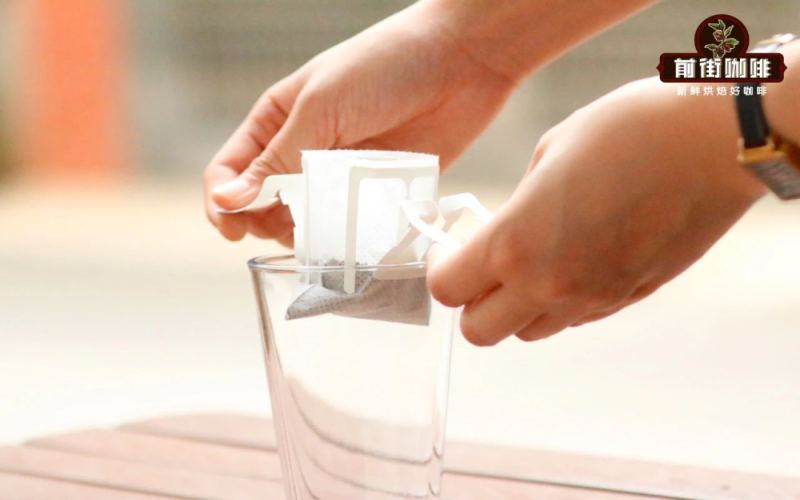
Office Coffee Types | What's the Difference Between Instant Coffee and Drip Bag Coffee? Which Is Healthier, Black Drip Bag Coffee or Instant Coffee? What Are the Pros and Cons of Drip Bag Coffee?
Nowadays, coffee is loved by many people, especially in this fast-paced, high-pressure world, whether for work or daily life, everyone wants a cup of coffee as soon as they get up. However, due to time constraints, it's impossible to grind and brew a fresh cup at home; instead, one has to rush to the office. At times like this, instant coffee or drip bag coffee has become very popular. [more…]
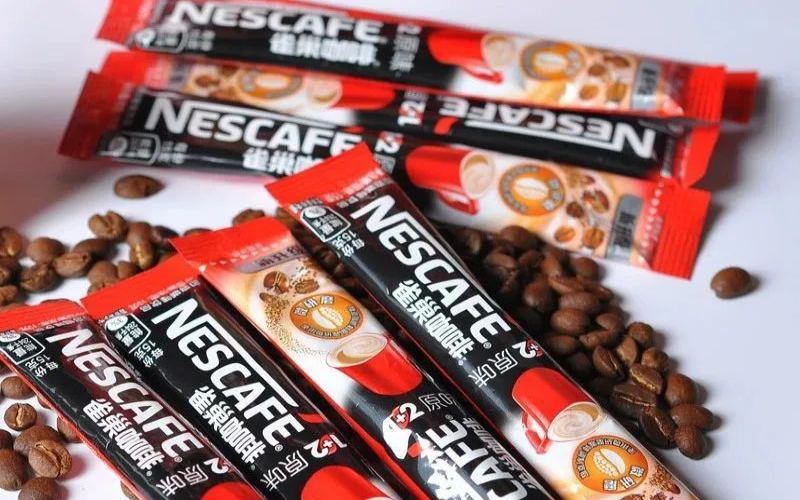
Why is freeze-dried coffee so expensive? From craft to market, breaking down the rise of specialty instant coffee
Instant coffee was once synonymous with Nescafé, Maxwell House, and Old Town, and sat at the bottom of the coffee snobbery chain. But today, new brands like Saturnbird, Yongpu, and Sumidagawa have given instant coffee a makeover, selling it as freeze-dried coffee at 4 to 7 times the price of traditional instant. Though it still falls under the instant coffee category, what exactly makes freeze-dried coffee so expensive? What is the essential difference between its production process and that of traditional instant coffee? Why did freeze-dried coffee, which rose to prominence in 2018, manage to tear open a gap in the instant coffee category and quickly grow into a market worth over 1 billion yuan? This article breaks down the logic behind the popularity of this cup of freeze-dried coffee from three dimensions: craft, brand, and market. [more…]

The Process Differences Between Instant and Freeze-Dried Coffee: A Comprehensive Analysis from Historical Origins to Production Principles
Instant coffee and freeze-dried coffee can both be enjoyed simply by adding hot water, and both belong to the convenient coffee camp—but are they really the same product under different names? The answer is no. From the coffee predicament of American soldiers in the 18th century, to the birth of Nestlé's spray-drying method, to the application of vacuum freeze-drying technology, these two technical routes have produced completely different flavor profiles. This article will systematically sort out the essential differences between instant coffee and freeze-dried coffee from multiple dimensions such as historical origins, production processes, and raw material selection, helping you understand why freeze-dried coffee can shed its "low-end" label and win back the favor of coffee lovers. [more…]
An Analysis of the Differences Between Instant, Drip, and Freshly Ground Coffee: A Full Comparison of Caffeine, Chlorogenic Acid Content, Aroma, and Taste
The world of coffee is far richer than one might imagine. Some people are used to casually making a cup of instant coffee, some prefer the slow, deliberate process of drip brewing, and others insist on the fresh flavor of freshly ground coffee beans. These three methods may seem to differ only in brewing technique, but in reality they conceal significant differences in composition and experience. Many people wonder whether instant coffee and drip coffee differ in their health benefits. In fact, their caffeine content is basically the same—what truly sets them apart is the chlorogenic acid content and the degree to which coffee aroma is released. Because drip coffee undergoes a more complete brewing process, it better preserves chlorogenic acid, a compound with antioxidant properties, while also fully releasing the aromatic substances inherent in the coffee. Coffee aroma itself has a calming and relaxing effect, so for people who live under long-term high pressure and busy schedules, drinking drip coffee in moderation may bring a more ideal experience for both physical and mental well-being. Next, we will compare instant, drip, and freshly ground coffee one by one across multiple dimensions, including composition, aroma, and taste. [more…]
From Coffee Cherry to Cup: A Comprehensive Guide to Coffee Bean Processing Methods, Extraction Techniques, and Instant Coffee Production
Coffee processing encompasses three levels: the processing methods that extract coffee beans from coffee cherries, the brewing methods that extract coffee liquid from coffee beans, and the industrial processes that turn coffee liquid into instant coffee powder. Traditional processing methods include three types—washed, natural, and honey—each giving coffee beans a distinctly different flavor profile. Extraction methods fall into three mainstream categories: drip, pressure, and cold brew, corresponding to pour-over coffee, espresso, and cold brew coffee, respectively. As for instant coffee, regular instant and freeze-dried coffee also show clear differences in production techniques and flavor retention. This article will break down these processing stages one by one to help coffee enthusiasts build a complete knowledge framework from seed to cup. [more…]
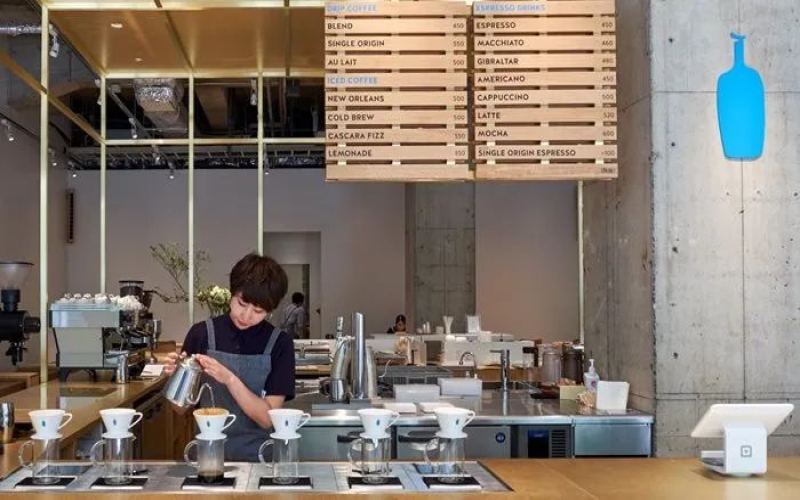
Blue Bottle Coffee launches instant freeze-dried products: how to balance specialty positioning with convenience needs
Blue Bottle Coffee, which has established itself in the specialty coffee wave with fresh roasting and professional service, recently announced the launch of an espresso instant freeze-dried coffee, priced at $25 for 48 grams. This move has drawn attention: when the pandemic blocked in-store consumption and demand for coffee at home rose, Blue Bottle chose to respond to the demand for convenience with an instant product. CEO Karl Strovink said the company will vigorously develop its instant coffee line and plans to add instant coffee drinks to its store menus within one to two years. Blue Bottle is currently controlled by Nestlé and has more than 100 stores in the United States and Asia. This article examines the market logic and executive statements behind Blue Bottle's new instant coffee product. [more…]
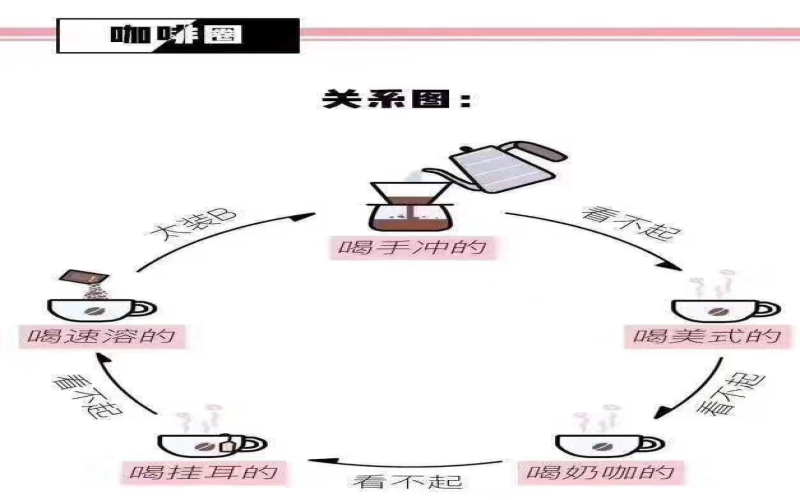
Why Is Instant Coffee Disliked? The Real Differences Between Freeze-Dried, Freshly Ground, and Specialty Coffee
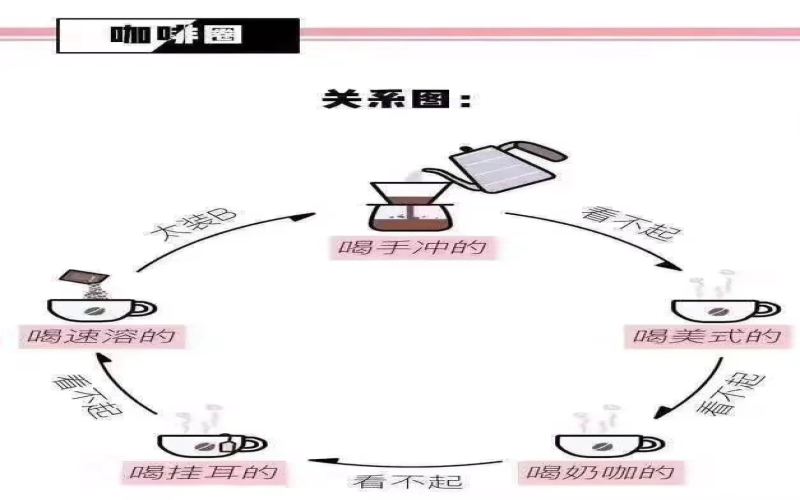
More and more people love drinking coffee, but an invisible "chain of contempt" has emerged along with it: those who drink pour-over look down on those who drink Americano, those who drink Americano look down on those who drink milk coffee, and instant coffee seems to forever sit at the very bottom. So some people wonder: wasn't coffee originally just for waking up and quenching thirst? Why, as we drink it, has it come to carry notions of high and low, noble and base? This article starts with the history of instant coffee, discusses the real differences between freeze-dried coffee and freshly ground coffee, and explores what kind of mindset we should actually have when choosing a cup of coffee. [more…]
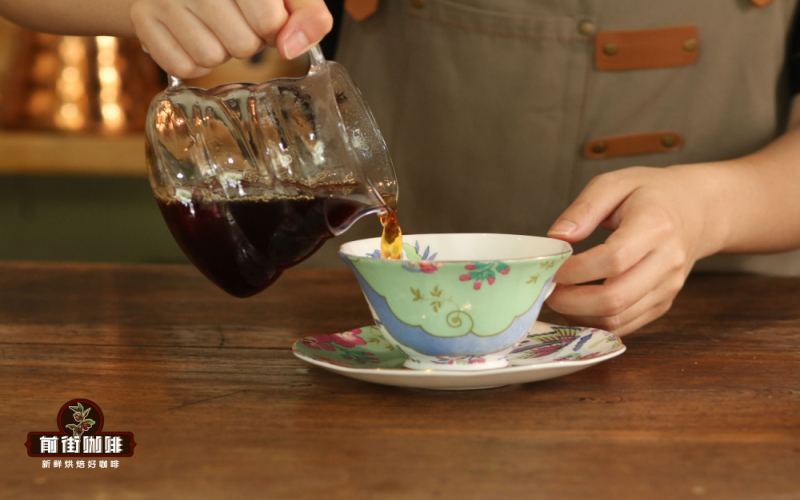
Four Cats Coffee Tasting Comparison: Flavor Differences and Buying Advice vs. Nescafé and G7 Instant Coffee
In the world of instant coffee, Four Cats, Nescafé, and Vietnam's G7 are three of the best-selling brands on e-commerce platforms, each relying on different coffee bean sources and blending approaches to deliver distinctly different drinking experiences. Over 98% of Four Cats Coffee's raw materials come from high-mountain coffee beans grown in Yunnan, while Nescafé blends Yunnan Arabica with Hainan Robusta, and Vietnam's G7 uses locally grown Vietnamese Robusta beans. This article will help you decide which one suits you best from three dimensions—alertness-boosting effect, smoothness of taste, and value for money—while also sorting out the differences between instant coffee and freshly ground coffee in terms of production process and health impact, and introducing Front Street Coffee's drip bag series along with its brewing method. [more…]
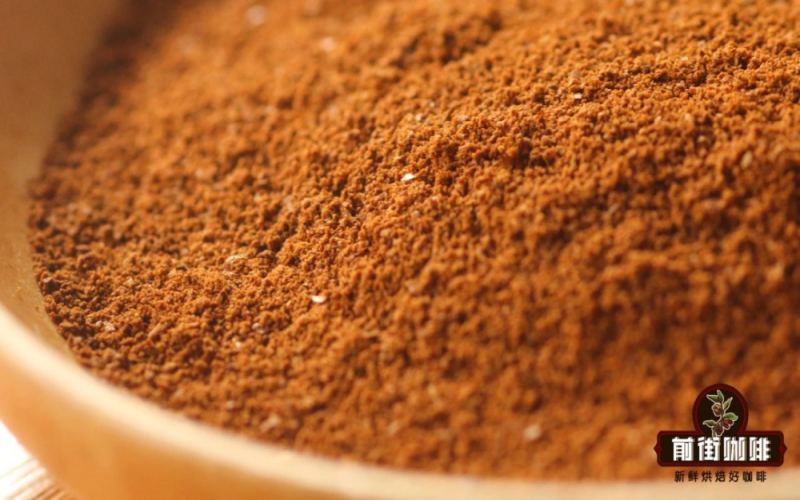
A Detailed Explanation of the Bitterness Difference Between Drip Bag Coffee and Instant Coffee and the Correct Way to Brew Drip Bag Coffee
Which is actually more bitter, drip bag coffee or instant coffee? Can drip bag coffee be left steeping in water the whole time? These questions puzzle quite a few coffee lovers. From the perspective of Front Street, this article first clarifies the essential differences between freshly ground coffee and instant coffee, then takes a deeper look at the flavor characteristics and correct brewing points of drip bag coffee. The article not only explains why drip bag coffee is more bitter than instant coffee, but also details the drip bag brewing method recommended by Front Street Coffee's baristas, including the coffee-to-water ratio, pouring rhythm, and water volume control, to help you brew a cup of good coffee that is light in body, with lemony fruit acidity and a green tea-like sweet finish. [more…]
Nestlé opens an instant coffee pop-up shop in Toronto, but instead of selling coffee, it asks customers to bring their own brew
Nestlé recently opened a pop-up shop on Queen Street West in Toronto, Canada, but it is completely different from a regular café—there is no menu, no baristas, and not even any coffee drinks for sale. Customers must bring their own Nestlé instant coffee to swipe as a "door access card" to enter, and the shop only provides hot water, takeaway cups, comfortable sofas, and free Wi-Fi. This pop-up, open until June 28, feels more like a carefully planned brand marketing campaign. A senior marketing manager for Nestlé Canada said that although brewing instant coffee at home is simple, people sometimes also long to gather with friends in a café atmosphere. Notably, the cups provided in the shop are printed with deliberately misspelled names, seemingly poking fun at a certain coffee chain brand. Nestlé also built a separate website for its Sweet Cream Instant Coffee and invited consumers to vote on which city the next stop should be. Front Street Coffee believes that this kind of marketing is intended to strengthen the presence of instant products, but the flavor performance of instant coffee itself remains open to debate. [more…]
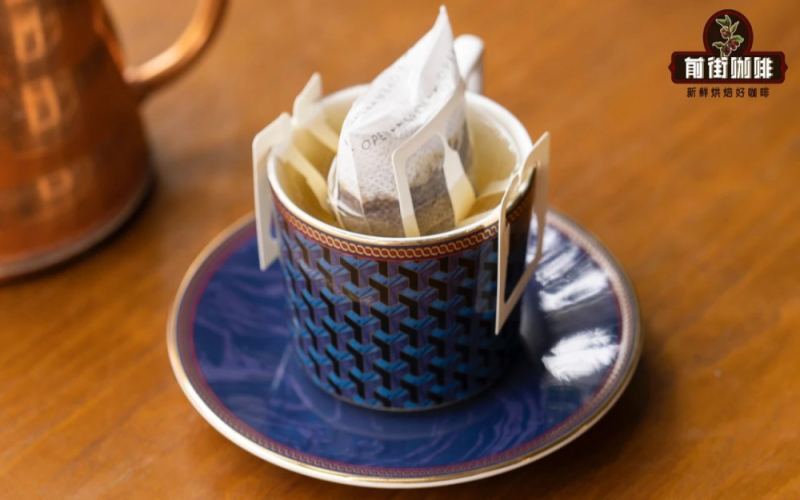
An Analysis of the Relationship Between Steep Time and Strength in Drip Bag Coffee, with a Discussion of Its Essential Differences from Instant Coffee
Many people believe that the longer drip bag coffee is steeped, the stronger its flavor becomes—but is that really true? In fact, prolonged steeping easily leads to over-extraction, making the coffee bitter and hard to swallow. Drip bag coffee and instant coffee are often lumped together, yet the two are completely different in both production process and flavor performance. Starting from the principles of extraction, this article will explain why pouring water is superior to direct steeping, compare the differences between drip bag and instant coffee in terms of ingredients and health effects, and demonstrate a complete brewing procedure for making a delicious cup of drip bag coffee at home, while also introducing the flavor characteristics of several seasonal drip bag coffees from Front Street Coffee. [more…]
What is the difference between instant coffee and drip-bag pour-over coffee? A comprehensive comparison of taste and health from processing to brewing
Friends who are just getting into coffee often can't tell the difference between instant coffee, drip bag coffee, and pour-over coffee. From the perspective of Front Street, this article sorts out the invention background and process principles of instant coffee, explains why it is often made into a three-in-one formula and the health concerns of long-term consumption; at the same time, it introduces the origin and design concept of drip bag coffee and the equipment requirements of pour-over coffee, and provides the complete brewing steps and water amount reference for drip bag coffee. The article also specifically mentions the flavor performance of Front Street Mandheling drip bags, as well as the importance of choosing coffee beans within the best flavor period of 4 to 30 days after roasting, helping readers make a choice that suits them between convenience and quality. [more…]
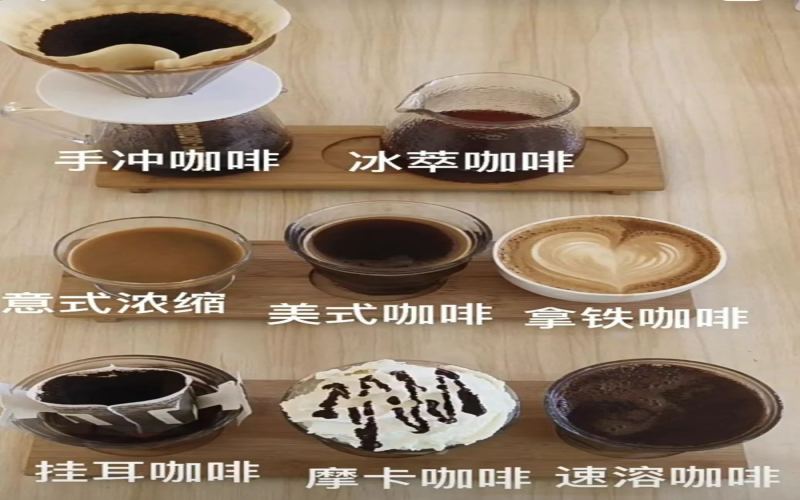
The path of coffee exploration is long; after going in circles, why return to the convenience and practicality of instant coffee?
For many coffee enthusiasts, the journey begins with a cup of instant or freeze-dried coffee. As their understanding of coffee deepens, they try pour-over, hand-brewed, espresso, cold brew, and other methods, and add equipment like drippers, moka pots, and semi-automatic espresso machines to build their own coffee corner. Yet after going around in a big circle, many people ultimately return to the embrace of instant coffee. This is not a step backward, but a practical consideration of time, cost, convenience, and shelf life. For early risers who rely on caffeine to wake up and those who travel frequently, stirring freeze-dried coffee powder into hot milk quickly yields a latte—easier than using a coffee machine, more affordable than chain brands, and allowing you to control the strength as you please. This article explores the real thoughts behind this interesting phenomenon. [more…]
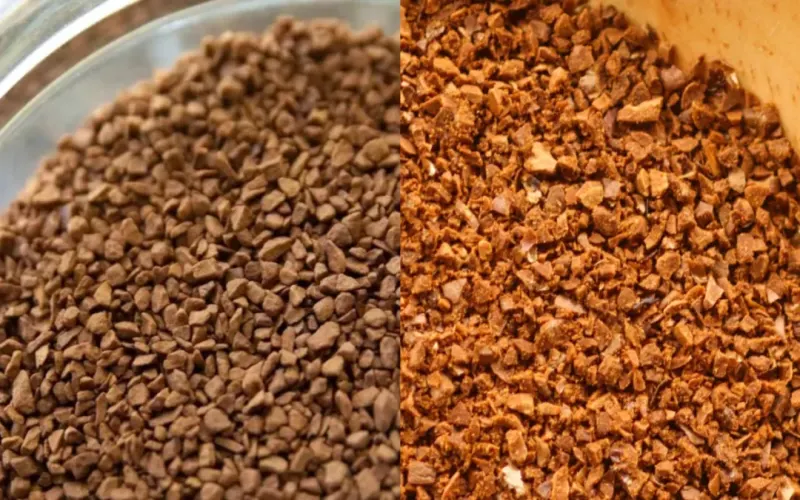
How is freeze-dried coffee different from instant coffee? What does the freeze-drying process mean? How does it compare to freshly ground coffee—which is better or worse?
In recent years, freeze-dried coffee, with its appearance and promotional campaigns, has led many consumers to mistakenly believe it can be mentioned in the same breath as freshly ground coffee—even giving rise to the blunder of brewing freshly ground coffee powder as if it were freeze-dried coffee. So what exactly is freeze-dried coffee? What are the essential differences between it and traditional instant coffee in terms of production processes? And is it truly comparable to freshly ground coffee? This article, from the perspective of Front Street, systematically sorts out the definition of freeze-dried coffee, its production process, and its differences from traditional instant coffee, helping coffee enthusiasts clarify the concepts and take a rational view of the relationship between freeze-dried coffee and freshly ground coffee. [more…]
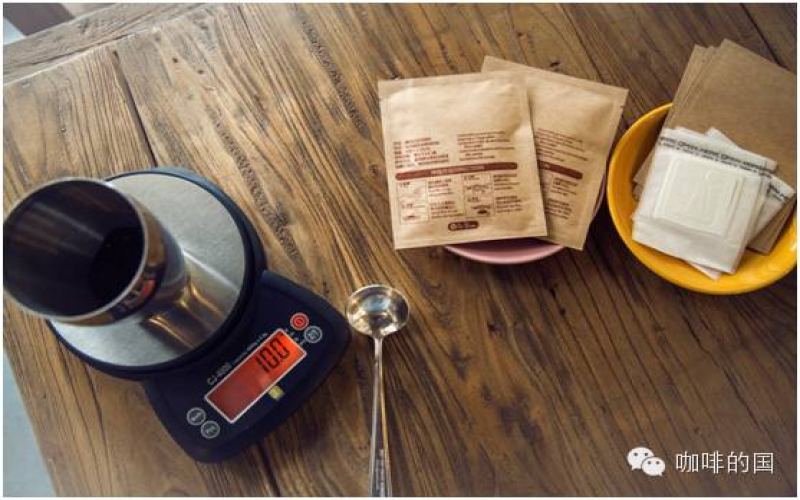
Instant Coffee Powder vs. Single-Origin Drip Bags: Taste Differences, Brewing Tips, and Front Street Brand Recommendations
Instant coffee powder and single-origin specialty drip bags are both convenient coffee options, but their flavor performance differs significantly. This article starts with processing techniques to analyze the root causes of aroma loss in instant coffee, then around the two dimensions of portability and taste, explains in detail the requirements of drip bags for water flow control and water temperature maintenance, as well as the key role of the gooseneck kettle in extraction. The article also compares the similarities and differences between drip bags and French press extraction, provides brewing ratios and flavor pairing suggestions, and recommends urban pour-over cafes such as Front Street Coffee, helping coffee enthusiasts find a balance point for specialty coffee in a busy life. [more…]
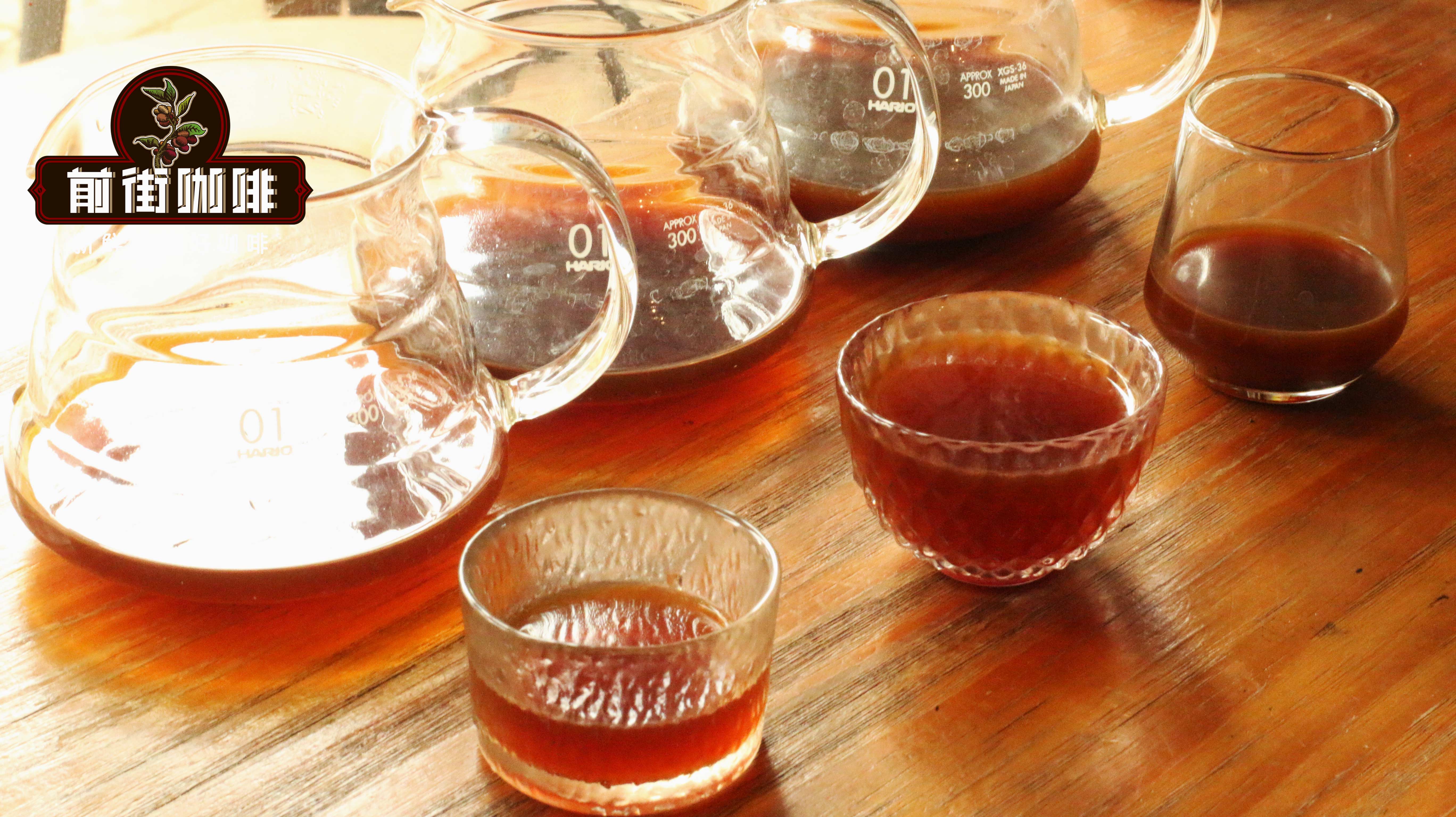
Are freeze-dried coffee and freshly ground coffee powder the same thing? A full analysis of instant coffee shelf life
In recent years, freeze-dried coffee has been gaining strong momentum and has become a popular category in the instant coffee sector. However, Front Street Coffee has noticed that many consumers hold considerable misconceptions about freeze-dried coffee—some mistake freshly ground coffee powder for freeze-dried coffee and brew it directly, while others believe that the quality of freeze-dried coffee is already on par with freshly ground coffee. These misunderstandings arise partly because the appearance of freeze-dried coffee blocks does bear some resemblance to freshly ground coffee powder, and partly because merchants often promote it as "comparable to fresh ground," further blurring the line between the two. In fact, freeze-dried coffee and freshly ground coffee belong to completely different product categories and have no basis for direct comparison at all. This article will start from the production process to clarify the essence of freeze-dried coffee and explore the differences in shelf life between coffee powder and instant coffee. [more…]
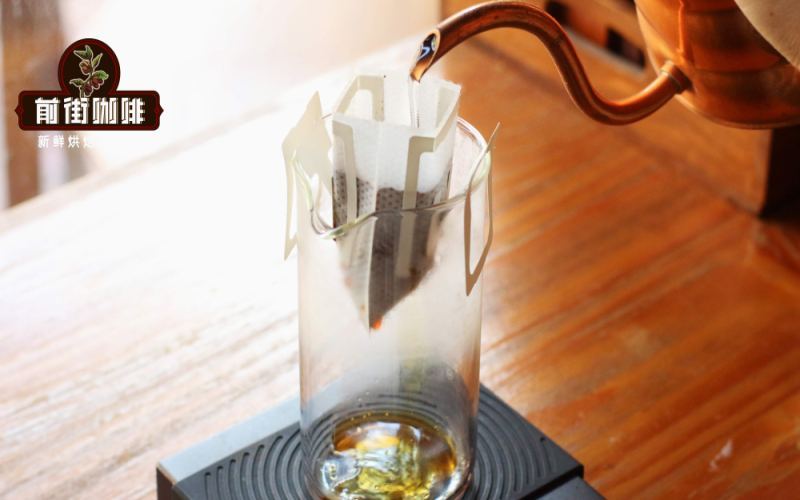
Drip Bag Coffee vs. Instant Coffee: How to Choose? A Full Analysis from Flavor Differences to Front Street Specialty Drip Bag Recommendations
Drip bag coffee or instant coffee—which is really more worth drinking? Both seem like convenient choices, but from the form of the raw material to the brewing method and finally the flavor, the differences are actually quite significant. A drip bag contains ground coffee bean particles, which do not dissolve in water and require pouring water to extract; instant coffee, on the other hand, has been extracted and dried and can dissolve directly. Drip bag coffee has a richer aroma and a fuller body, while instant coffee wins on being cheap and quick but often contains non-dairy creamer and sugar. This article will also break down in detail the flavor gap between drip bags and freshly ground pour-over, and include recommendations for several classic drip bags from Front Street Coffee as well as complete brewing steps, to help you find the cup that suits you best. [more…]