





How Did Instant Coffee Fall in the Coffee Development Story?
Pour-over coffee is a specific brewing method: filter paper, a dripper and a gooseneck kettle extract soluble material from freshly ground coffee through manual pouring. The Nanjing auntie's version, made with instant powder, is only pour-over in the literal sense of manual brewing. The debate that followed centered less on definitions and more on the ingredient she used.
Instant coffee's history runs from military demand to Nestle's spray-drying mass production, one of three recognized waves in coffee development. Once ranked in China almost behind only Blue Mountain, it now sits at the low end of the coffee hierarchy. Non-dairy creamer in 3-in-1 mixes is a central reason, and the coffee production process behind those mixes differs sharply from fresh brewing.
Pour-over coffee today, as specialty coffee becomes increasingly widespread, what exactly does it refer to as a brewing method? When a Nanjing auntie sparked heated discussion by making so-called "pour-over coffee" with instant coffee powder, we might as well start from the historical context of coffee and re-examine the origins of instant coffee, its technological evolution, and why it fell from a former star to the bottom of the鄙视 chain. This article will clarify the definitional boundaries of pour-over coffee, trace the development of instant coffee from military demand to Nestlé's spray-drying mass production, explain the connection between non-dairy creamer and 3-in-1 instant coffee along with their health risks, and review the special background and shifting public perceptions when the first wave of coffee landed in China. Front Street Coffee will also share observations on the differences among various coffee audiences.
At a time when specialty coffee shops are constantly emerging, pour-over coffee refers to a specific brewing method—using filter paper, a dripper, a gooseneck kettle, and other equipment to extract soluble substances from freshly ground coffee powder through manual pouring; while the Nanjing auntie's "pour-over coffee" is understood from a literal sense: coffee obtained through manual brewing. However, what truly sparked discussion among netizens was not the definition of pour-over coffee, but the ingredient the auntie used to make her "pour-over coffee"—instant coffee.
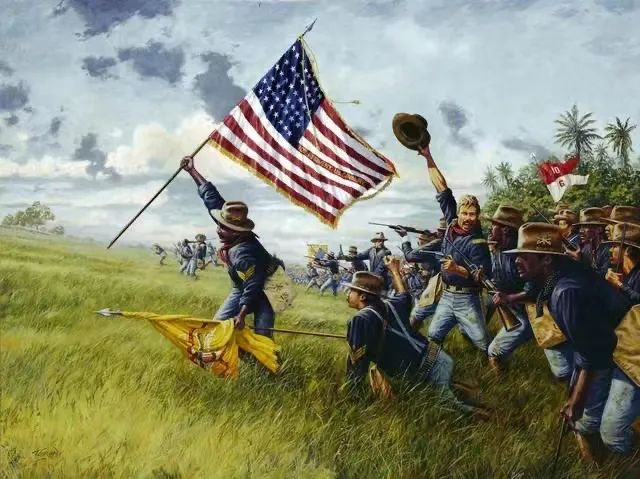
A鄙视 chain exists to some degree in any field, and the coffee world is no exception. Although Front Street Coffee has always believed that different types of coffee cater to different audiences and there shouldn't be a so-called "鄙视 chain," this chain does objectively exist. Once, instant coffee held a status in China almost second only to Blue Mountain, yet today, instant coffee sits at the very bottom of the coffee鄙视 chain. Why has instant coffee's status undergone such a transformation? What is instant coffee? In the history of coffee's development, there are three widely recognized important milestones, which we call the three waves of coffee. These three waves respectively represent the focus of coffee culture trends in different periods—for example, the first wave was "the instantization of coffee." Before instant coffee was invented, coffee was always made by grinding and brewing on the spot. Although the process was cumbersome and time-consuming, people were always willing to pay the price because they were obsessed with coffee's deliciousness, investing themselves in coffee preparation. The best example is American soldiers addicted to coffee, who brought this habit to the battlefield. On the march, American soldiers would always seize every opportunity to make coffee, and even though it was highly energy-consuming, they never tired of it.
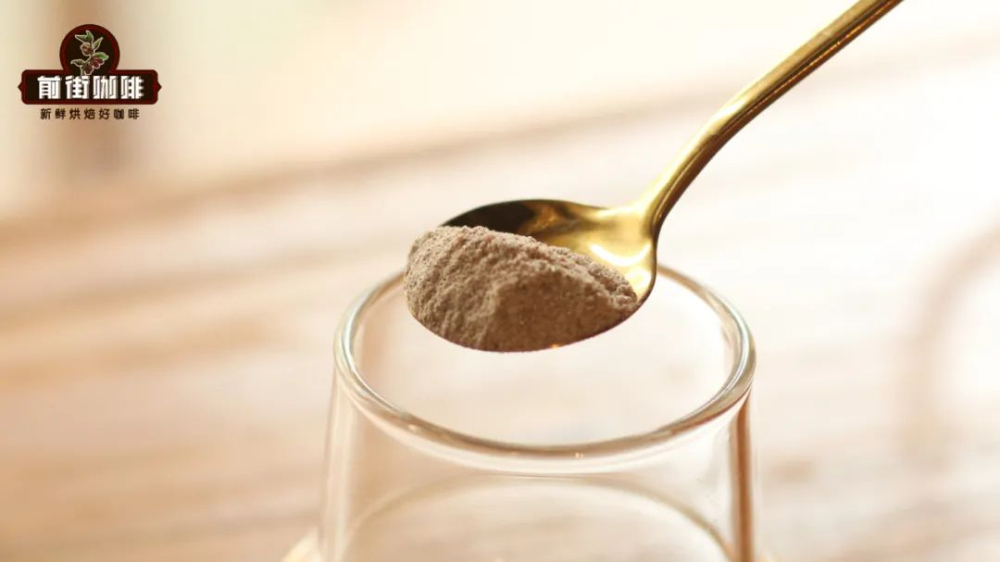
Later, in order to prevent soldiers from continuing to expend energy on making coffee, the U.S. Congress began researching how to make coffee preparation more convenient, attempting to invent a delicious coffee that could be made simply. Although Britain had already begun related research as early as the late eighteenth century, like the series of "instant coffees" later invented by the United States, for various reasons, it did not become widespread. (For the history of instant coffee, please refer to this article "The Development History of Instant Coffee.") It was not until 1937 that Nestlé, according to Brazil's national needs, invented the "spray-drying method" to produce instant coffee. By using hot air to rapidly dry atomized coffee liquid into powder, this was instant coffee powder. Because the production cost of this process was relatively low, it soon became the mainstream instant coffee production process and laid the foundation for subsequent other processes.
Because this coffee (instant) is very simple to brew—just pour in hot water, and the powder dissolves immediately, merging with the water into coffee liquid. Its convenience and speed made it deeply loved by people, which caused the instant coffee industry to flourish for a long time afterward.
But here comes the key point. Because the coffee quality at the time was not high, darker roasting was needed to handle the coffee, and the high temperature of the instant process accelerated the loss of coffee flavor, so the instant coffee produced at that time was not delicious. So people added large amounts of sugar and non-dairy creamer during the production of instant coffee to neutralize the negative flavors of the coffee—this is what we now commonly call 3-in-1 instant coffee. But because the added amounts were too large, long-term consumption would have a certain impact on human health (except for instant black coffee). So before long, authoritative reports about instant coffee being harmful to the body flooded everywhere, and people began to realize the potential harm instant coffee could bring. With the exposure and disclosure of this fact, coinciding with the rise of espresso, people abandoned instant coffee and turned their preference toward freshly ground espresso. From then on, coffee began to advance toward the second wave, and this period when instant coffee exploded in popularity is what people call the first wave of coffee, around 1938–1960.
Coffee started relatively late in China. Although by then coffee culture in other countries had already entered the next stage, at that time instant coffee had only just entered China. For that era when information was not well developed and material goods were not yet abundant, most Chinese people saw only two kinds of coffee: one was Jamaican Blue Mountain coffee, which they simply could not afford, and the other was instant coffee available even in small convenience stores. So for people at that time, affordable, good-quality, and delicious instant coffee was likewise a famous treasure. And the reason everyone today is so resistant to instant coffee is mainly that, living in an age of abundant information, they have learned that instant coffee's ingredients are not appealing, and they have more choices—so instant coffee is no longer recognized by everyone as it once was. Because the way people look at it has already changed.
The above content is compiled by CoffeeHunters, a coffee news website.


