







How does instant coffee differ from drip bag and pour-over coffee?
Instant coffee and drip bag coffee are made and brewed in completely different ways. Instant coffee was developed in 1937, when Nestle built a spray drying method for Brazil that dehydrated atomized coffee liquid into powder. Early beans were low quality and roasted very dark to hide defects, and the high heat of processing stripped more flavor, so convenience came at a cost.
Drip bags hold pre-ground coffee sealed in a filter pouch, and pour-over uses a dripper and paper filter; both extract fresh ground coffee with hot water, which preserves more aroma and layering. Bean freshness also matters, since roasted coffee tastes optimal roughly 4 to 30 days after the roasting process finishes. That window separates a flat cup from a sweet one.
Friends who are just getting into coffee often can't tell the difference between instant coffee, drip bag coffee, and pour-over coffee. From the perspective of Front Street, this article sorts out the invention background and process principles of instant coffee, explains why it is often made into three-in-one formulas and the health concerns of long-term drinking; at the same time, it introduces the origin and design ideas of drip bag coffee and the equipment requirements for pour-over coffee, and gives the complete brewing steps and water volume reference for drip bag coffee. The article also specifically mentions the flavor performance of Front Street Mandheling drip bags, as well as the importance of choosing coffee beans within the best flavor period of 4 to 30 days after roasting, helping readers make a choice that suits them between convenience and quality.
Many friends who are just starting to get into coffee are often confused by the various coffee names on the market. For example, when it comes to instant coffee and drip bag coffee, many people cannot tell exactly what the difference is. This is actually not a big problem. Today, Front Street will help everyone sort out what these two types of coffee are and which one tastes better, hoping to help everyone more easily find the cup that suits them.
What exactly is instant coffee?
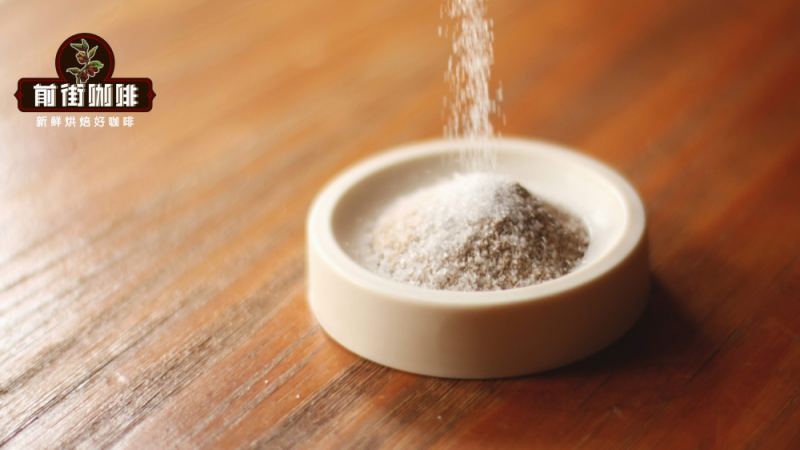
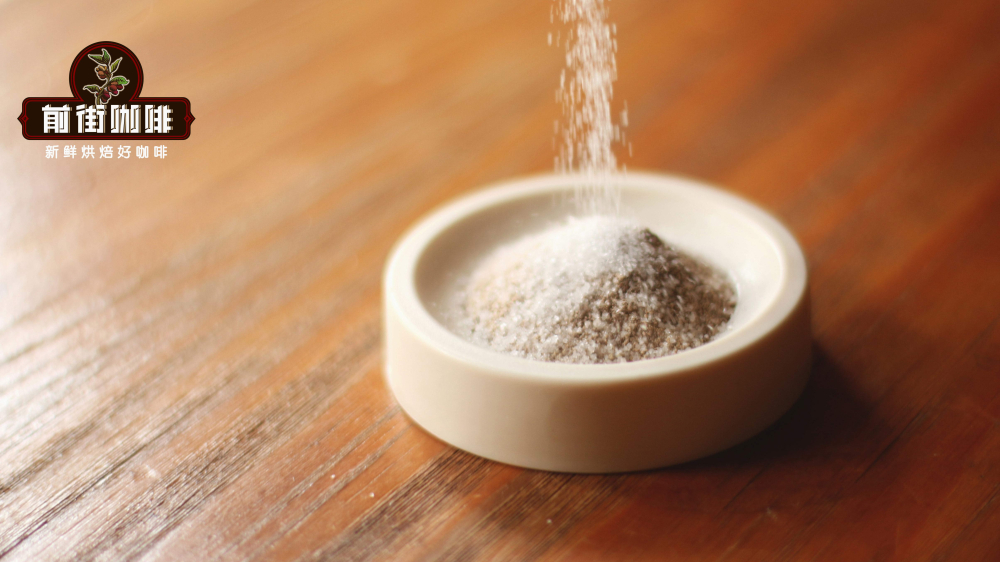
In 1937, at the request of Brazil, Nestle developed the "spray drying method" to mass-produce instant coffee. The specific method is to use a hot air stream to quickly dehydrate already atomized coffee liquid, ultimately forming powdered instant coffee. Because this process has relatively low production costs, it quickly became the mainstream method of instant coffee production and also laid the foundation for other instant coffee processes later.
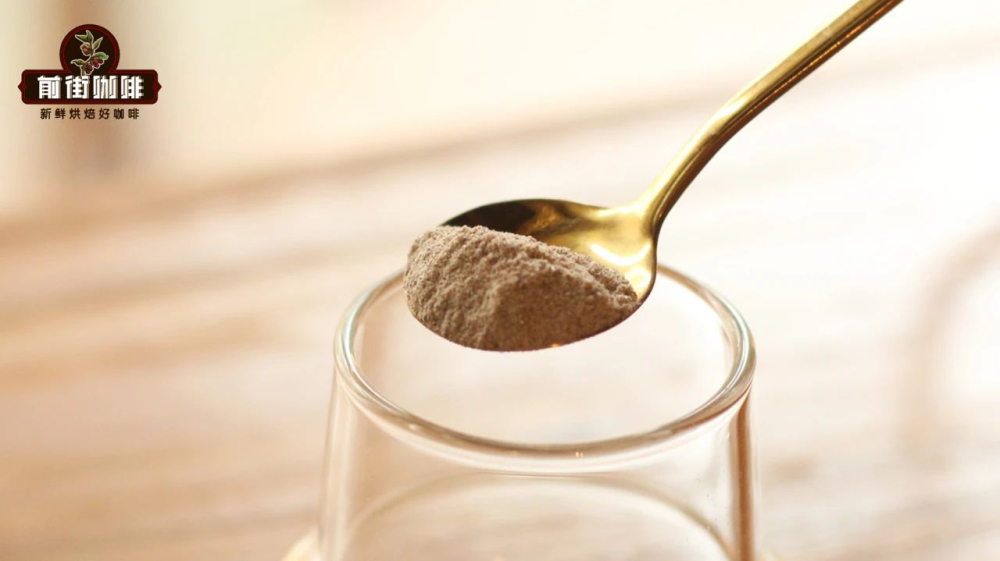
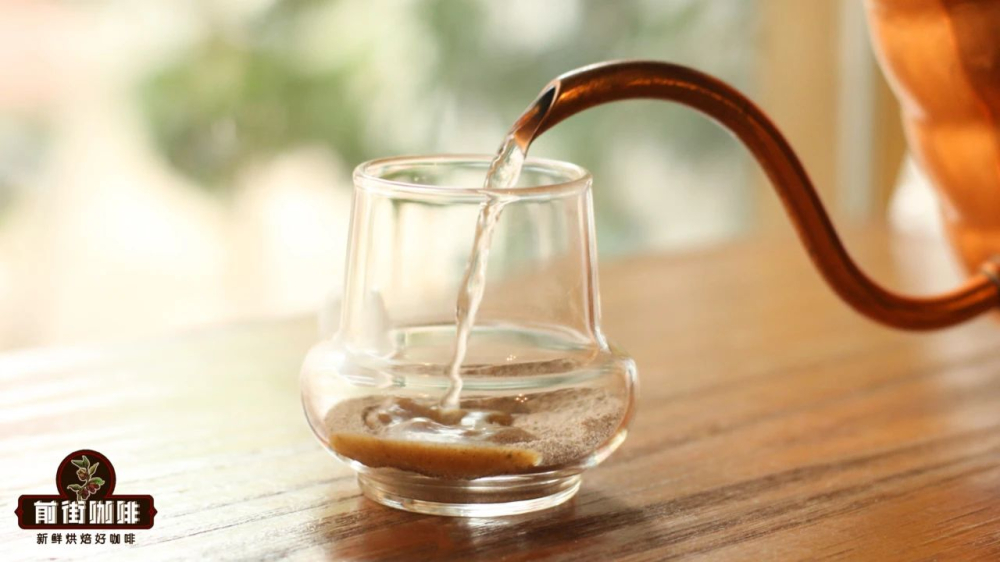
Instant coffee is extremely convenient to use. As long as hot water is poured in, the powder immediately dissolves and mixes with the hot water into a cup of coffee liquid. It is precisely this convenience and speed that quickly won it widespread popularity. For a long time afterward, the instant coffee industry was in a period of rapid development. However, early coffee beans were generally of low quality and needed extremely dark roasting to mask defects. In addition, the high temperatures in the instant coffee process further accelerated the loss of flavor, so the coffee made at that time often had only burnt bitterness and scorched notes left. To suppress these unpleasant flavors, manufacturers added large amounts of sugar and non-dairy creamer. This is what we now often call three-in-one instant coffee. It tastes much less bitter and has a mouthfeel as mild as milk tea.
The shortcomings of instant coffee are also very obvious. Its core task is actually just to provide caffeine, so it is difficult to guarantee much in the selection of raw materials; secondly, in order to meet large-scale production, the process steps are also difficult to make fine and standardized; more importantly, it contains a large amount of industrial artificial sweeteners and creamer, so the medical community tends to believe that long-term consumption of instant coffee may be harmful to health, and Front Street also recommends drinking it as little as possible.
What is drip bag coffee? What is its connection to pour-over coffee?
During the high-temperature roasting process, coffee beans undergo a series of chemical reactions, producing various aromatic substances. When we brew coffee, in essence, we use water and equipment to release these aromatic components. The method for pour-over coffee is to first grind the coffee beans into powder, then pour in hot water so that it contacts the coffee bed, "dissolving" out the soluble substances in the coffee. To put it plainly, it uses a dripper together with filter paper or other tools to retain the coffee grounds and keep them from falling into the server, so that a cup of clear black coffee is obtained.
From selecting beans to completing extraction, every stage and step will have a greater or lesser effect on the flavor of pour-over coffee. Therefore, if you want to brew a standard cup of pour-over coffee, based on Front Street's brewing experience, besides having high-quality coffee beans, Front Street believes you should at least have all of these tools ready: a gooseneck kettle for pouring water, a dripper and filter paper for filtering coffee grounds, a server for catching the coffee liquid, a grinder for grinding coffee beans, an electronic scale for recording water volume and time, and a thermometer for measuring water temperature.
Drip bag coffee, on the other hand, has the coffee grounds pre-ground and sealed in a bag. When brewing, you take it out and pour water directly, and finally throw away the coffee grounds to get a cup of aromatic black coffee. Therefore, it is also called pre-made pour-over coffee.
According to the information Front Street found, the earliest drip bag coffee was invented in 1990 by Yamanaka Sangyo Co., Ltd. in Japan, and its design was inspired by tea bags with hanging strings. The inventor wanted to simulate the effect of pour-over drip coffee, so the coffee grounds were pre-packed into non-woven filter bags. The paper pieces on both sides of the filter bag allow the coffee bag to hang suspended in the center of the cup. Because these two pieces of paper sit on both sides of the cup rim like little ears, people called it "drip bag coffee." Starting in 2002, Japan registered the drip bag coffee packet as a patent and brought it to market for sale. This convenient and neat design quickly became the mainstream of the market.
To brew a drip bag coffee packet, you only need to prepare a pot of hot water and a cup, and you can easily get a cup of rich and fragrant coffee. After brewing, just throw away the coffee grounds together with the filter bag, saving a lot of cumbersome steps. As the specialty coffee industry continues to grow, the variety of available coffee beans has become richer and richer, and all of them can be used to make drip bags, so there is a very wide range of choices.
Whether it is pour-over or drip bag, a good cup of coffee certainly cannot do without good raw materials—high-quality coffee beans. Front Street recommends choosing coffee beans 4 to 30 days after the roast date, when they are in their best flavor stage, as this is more conducive to stable extraction and the flavor is fuller. In order to ensure the freshness of the coffee beans, all products sent by Front Street are freshly roasted within 5 days, and usually arrive in 1 to 3 days, so when everyone receives them, they are roughly within the best flavor period and can immediately start brewing and enjoying them.
What is the correct brewing method for drip bag coffee packets?
Brewing a drip bag is quite simple. Take one packet of fresh Front Street Mandheling drip bag coffee and prepare it according to the portion of 10 grams per bag, which can brew about 120 to 130 milliliters of coffee liquid.
Before brewing, first boil water and prepare a cup or server that can hold coffee. Tear open the sealed packaging, take out the coffee drip bag, and tear open the non-woven bag along the dotted line on top. Then pull open the two ears, spread the entire drip bag open, and hang them on the edge of the cup or server.
In the first stage, pour in a small amount of hot water to wet all the coffee grounds, and let it bloom for about 10 to 20 seconds to help release the gas in the coffee grounds, with the aim of making the subsequent extraction more stable. In the second stage, pour steadily with a small stream until the liquid surface is almost full, then wait for the coffee liquid to go down until it has finished flowing. Finally, pour in the third stage of water until full, with a total poured water amount of about 150 grams. Wait until all the coffee liquid has finished dripping, and extraction is complete.
Before drinking, Front Street gently swirls the coffee liquid to even it out, then drinks it directly to taste the pure flavor of black coffee. The Front Street Mandheling drip bag brewed this way tastes smooth and mellow like caramel and cream, filling the whole mouth, with a solid body and a sweet finish. It is one of the top single-origin choices for friends who prefer strong, bitter black coffee. Of course, everyone can also adjust it according to their own preference by adding an appropriate amount of sugar or milk.
The above content is compiled by CoffeeHunters, a coffee news website.


