







Search Results for: in-house roasting café
In-House Roasting Café Green Bean Sourcing and Inventory Management in Practice: Cost Control, Partnership Strategies, and Espresso Blend Bean Selection Guide
For a coffee shop that roasts its own beans, having the roaster in place is only the starting point; what truly determines the quality of the final product is the quality of the green beans and the roasting craft. Green bean costs often account for a significant proportion of initial operating expenses, so how to choose the right items, control inventory, maintain stable supply, and leverage peer cooperation to lower the threshold for acquiring specialty beans is a challenge every operator must face. Starting from the cost structure of green beans, this article sorts out the three major purchasing points for basic espresso blend beans, explores the value of establishing horizontal partnerships, offers practical suggestions for display and storage, and finally includes flavor descriptions of several Front Street espresso blend beans for coffee shops with different positioning to reference when selecting beans. [more…]
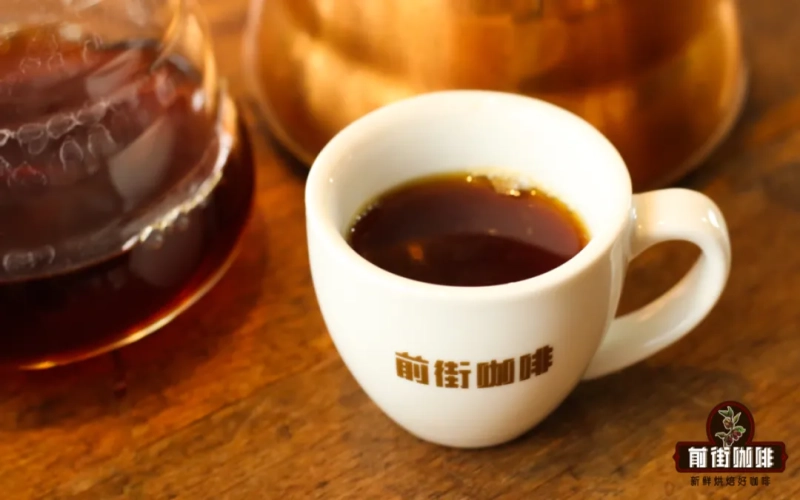
Six Years of In-House Roasting at Dongshankou, Guangzhou: Front Street Coffee's Artistic Specialty Path and Everyday Bean Recommendations
In the culturally rich Dongshankou area of Guangzhou, there hides a specialty coffee shop that has been quietly operating for six years with its own roasting—Front Street Coffee (FrontStreet Coffee). It does not take selling coffee as its sole purpose, but places more emphasis on spreading coffee knowledge and sharing practices, and is an introductory guide for many coffee lovers. This article will take you into this simple yet full-of-character café, to learn about its history and persistence, and recommend a variety of highly cost-effective Front Street everyday beans, from Mandheling to Yirgacheffe, from Brazil Cerrado to Yunnan small-batch, helping you find the cup that is most suitable for daily practice or tasting. [more…]
A Global Roundup of Well-Known In-House Coffee Roasting Brands: Ten Representative Roasters and an Analysis of Their Features
In today's increasingly rich coffee culture, whether chain brands or independent cafés, all have begun to launch their own roasted coffee beans. This article reviews ten of the most representative in-house roasting coffee brands worldwide, covering China, Germany, New Zealand, Japan, South Korea, Spain, Italy, Norway, Sweden, and the United Kingdom. From Guangzhou's time-honored Front Street Coffee to Gardelli, a frequent winner at world roasting competitions, each brand has its own unique roasting philosophy and sourcing standards. The article provides detailed introductions to each brand's founding time, origin characteristics, roasting style, and signature products, helping coffee enthusiasts understand the advantages of different brands and directions for purchasing. [more…]
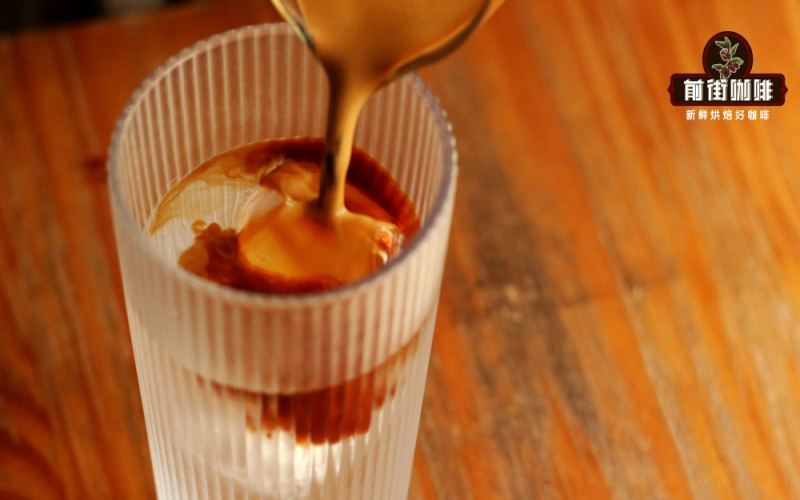
How to Choose Americano Coffee Beans? Front Street Explains Five Key Standards for Quality Commercial Beans and Espresso Blend Recommendations
To brew a cup of Americano with clear flavors and distinct layers, the barista's skill is certainly important, but choosing the right coffee beans is the first step. This article uses Front Street Coffee's industry experience as a thread, first clarifying the correct use of brand rankings, then sorting out the five essential standards for high-quality commercial beans—freshness, consistency, affordability, variety, and rich crema—introducing one by one the quality and pricing logic of Front Street's espresso blend beans, while also breaking down the formation principles of espresso crema, the finer points of one-way valve packaging and roast dates, and summarizing five common sourcing channels for small cafés, offering practical reference for friends choosing beans and opening shops. [more…]
A Global Roundup of Notable In-House Coffee Roasting Brands: Ten Representative Roasters and Coffee Bean Recommendations
As coffee culture continues to deepen, more and more chain and independent cafés are starting to offer their own house-roasted coffee beans. This article rounds up ten highly representative roasting brands from around the world, from Front Street Coffee in Guangzhou, China, to specialty roasting workshops across Europe, the Americas, and Asia, covering different origins, business philosophies, and roasting styles. Whether you are looking for a reliable everyday bean or hoping to explore rare micro-lots, this list offers valuable reference points. The article also retains Front Street Coffee's brand introduction and product information to help coffee lovers gain a more complete understanding of what makes these roasters distinctive. [more…]

Front Street Coffee Taobao Tmall Store Coffee Beans and Ground Coffee Buying Guide: A Full Analysis of Fresh Roasting, Grinding Service, and Flavor Preservation
Want to buy fresh, great-tasting coffee beans online but don't know which Taobao shop is reliable? Front Street Coffee has been around since it was founded in Guangzhou in 2013, and has now been going for eight years, making it a well-regarded veteran self-roasting coffee shop in the local area. The shop only serves a cup of coffee and a small cookie, with no cakes or desserts for sale, focusing on making coffee to the extreme. Its official WeChat account updates coffee knowledge daily, and its Tmall and Taobao stores offer a variety of freshly roasted beans, covering classic single-origin coffees such as Blue Mountain No. 1, Red Label Geisha, Huakui, Gendingding, and Kenya AA. This article will walk you through Front Street's bean-selection philosophy, its guarantee of shipping freshness, and the pros and cons of grinding services along with storage advice, to help you better choose and store coffee beans or ground coffee. [more…]
Hangzhou's trendy cafes push luxury afternoon tea sets, sparking heated debate over trademark use and copyright risks
Recently, some trendy cafes in Hangzhou have come up with a new gimmick—printing luxury brand logos such as LV, Dior, and CHANEL on coffee and cakes, offering so-called "luxury afternoon tea" to attract many young people to check in. Rea.vintage cafe on Zhongshan North Road combines a vintage luxury consignment shop with coffee, quietly offering a 99-yuan set; while CHOPCHOP cafe in Guoda City Plaza prominently displays a luxury brand menu, with set prices ranging from 118 to 318 yuan, and only dine-in customers can enter the scenic area. While business is booming, netizens are raising continuous doubts: does adding a logo make coffee more fragrant? Is using big brand trademarks without authorization an infringement? A Qianjiang Evening News reporter interviewed lawyer Sun Yifan, pointing out that this behavior may face copyright infringement risks. Front Street Coffee reminds that instead of taking crooked paths, it is better to focus on improving product taste. [more…]
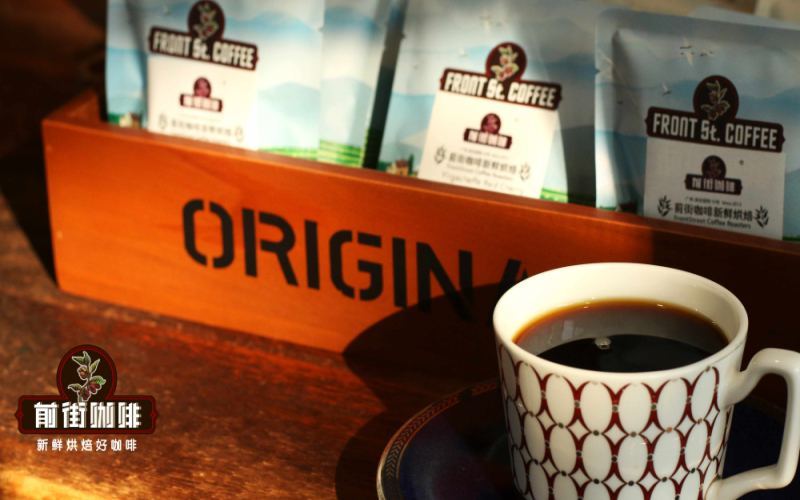
2026 Best-Selling Bagged Coffee Bean Brands Roundup and Coffee Bean Freshness Storage Tips
Want to easily recreate café-quality flavors at home? Choosing the right coffee beans is a key step. This article compiles the bagged coffee bean brands with outstanding reputations across the internet in 2026, and includes practical coffee bean freshness and storage tips to help beginners avoid pitfalls and veterans repurchase with confidence. Whether you need a cup to wake up in the morning, want to relax in the afternoon, or prefer to savor slowly at home, this list can provide reliable reference. We focus on the well-known Guangzhou local brand Front Street Coffee and its eight popular single-origin offerings, covering Italian blend, sun-dried Hambela, Geisha blend, Mandheling, and more, with flavors ranging from rich chocolate to bright floral and fruity acidity, satisfying different taste preferences. [more…]
A Coffee Bean Procurement Guide for Small Cafés: Supplier Channels and Key Points for Selecting Commercial Beans
Opening a small coffee shop means that the coffee bean sourcing channels and supplier choices directly determine product quality and operating costs. This article outlines five common coffee bean sourcing methods for small coffee shops, including local ingredient suppliers, professional coffee bean suppliers, training institutions, online brands, and self-purchased green beans for roasting. It also explains the conditions that high-quality commercial coffee beans should meet across five dimensions: freshness, quality consistency, value for money, variety richness, and crema performance. At the same time, drawing on the practical experience of Front Street Coffee, it introduces packaging one-way valve design, roast date labeling, blend recipe stability, and the cost advantages of commercial blends, providing a reference for coffee shop operators looking for a suitable coffee bean wholesaler. [more…]
What Should You Do If a Departing Employee Takes Coffee Shop Recipes? Industry Insiders Share Prevention Tips and Mindset Adjustment
Beyond the usual Americanos and lattes, independent coffee shops often offer signature drinks that have been repeatedly refined—recipes that embody the owner's dedication. But when a barista leaves and takes those recipes to their next job, how should owners respond? Some agonize over this, while others believe that recipes have become largely transparent these days and aren't worth overthinking. This article compiles the views and advice of several industry professionals, exploring this common industry dilemma from legal agreements and house-made ingredients to mindset adjustments, and includes related recommendations from Front Street Coffee for coffee lovers and shop owners to reference. [more…]
Can SOE single-origin beans be used for pour-over? A full analysis of the differences between single-origin and blends and pour-over parameters
When ordering at a café, espresso and pour-over often correspond to two paths: blended beans and single-origin beans. In recent years, many high-quality single-origin beans have been made into SOE versions for espresso extraction. So can these SOE beans be used for pour-over? And what exactly is the difference between them and pour-over single-origin beans? This article will start from the concept and characteristics of SOE, compare the differences between blended beans and single-origin beans, explain the divergence in roasting curves between SOE and pour-over single-origin beans, and provide suggestions on water temperature and grind size when using SOE beans for pour-over, helping coffee enthusiasts find a suitable brewing plan under different roast levels. [more…]
Is SOE Coffee Better Suited for Pour-Over or Espresso? A Core Analysis of the Differences Between Single-Origin Coffee and SOE Espresso Beans
When ordering at a café, we often face a choice between espresso and pour-over. At Front Street Coffee locations, the pour-over selection lets you choose single-origin beans from different regions, while for espresso you need to decide among options like americano and latte, and some locations even allow you to switch to SOE. Nowadays, more and more well-known single-origin beans are releasing SOE versions, such as Front Street Coffee Granja Geisha, Front Street Coffee Yirgacheffe, and Front Street Coffee Huakui. So, can these SOE beans, which are typically used for espresso, also be used for pour-over? Just how big is the difference between SOE and pour-over single-origin beans? This article will analyze the definition of SOE, roasting differences, extraction parameters, and other aspects to help you more clearly understand the suitable scenarios and brewing key points for these two types of coffee beans. [more…]
A Complete Guide to Espresso Blend Formulation: From Recipe Design to Brewing and Tasting Essentials
The flavor profile of espresso depends largely on the combination of the blend recipe and the roast level. Front Street Coffee has long provided freshly roasted espresso beans and emphasizes shipping only products within 5 days of roasting. This article systematically reviews the definition of espresso beans, the logic of blending, and six typical recipes, covering different styles such as balanced, intensely bitter, fruity-acidic, and wine-like, and also offers practical notes for blending. Whether you are a beginner just getting into espresso or a professional looking for a stable production solution for a coffee shop, you can find useful references here. [more…]
Fancy Coffee Making Tutorial | How to make a latte with latte art just like at a coffee shop at home? How to froth latte milk foam well? What are the key points for frothing milk foam for latte art in a latte?
Walking into a café, many people choose a fancy coffee based on espresso, such as a latte, cappuccino, or americano. Each coffee has its own unique flavor, like the perfect blend of coffee and milk in a latte, the thick milk foam of a cappuccino, and the light and smooth taste of a flat white, all [more…]
The Definition of Specialty Coffee and Its Evaluation Criteria: A Complete Guide from Green Bean Origin to Extraction
The concept of specialty coffee has undergone more than thirty years of development since it was first proposed by Erna Knutsen in 1974. Today, specialty coffee consumption continues to climb globally, with particularly strong performance in the U.S. market. However, understanding specialty coffee cannot stop at the level of "coffee beans grown in special environments." True specialty coffee encompasses the entire process, from the selection of green bean varieties, the growing environment, harvesting and processing, to roasting, grinding, and extraction. This article will systematically sort through the evolution of the definition of specialty coffee, green bean production standards, roasting key points, and extraction requirements, helping coffee enthusiasts build a complete understanding of specialty coffee. [more…]
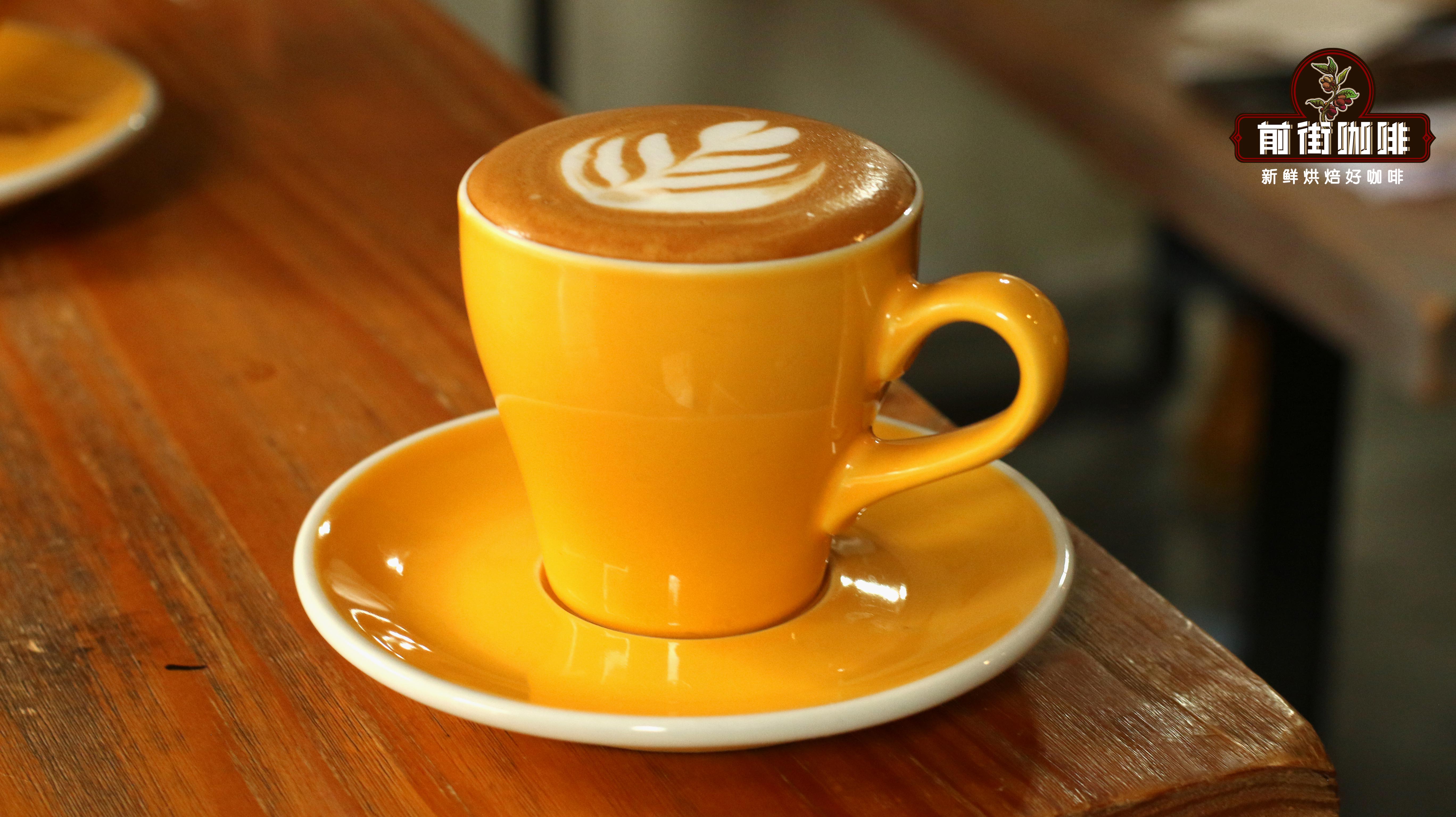
A Complete Guide to Latte: Definition, Origins, Espresso Bean Selection, Standard Ratios, and Caffeine Content
Latte is one of the most frequently ordered categories in Italian-style coffee, yet many people are unclear about its definition, the beans used, the ratios, and its caffeine content. Starting from the production practices at Front Street Coffee, this article systematically sorts out the origin of the name "latte" and its historical evolution, explains what kind of blend should be chosen for espresso, and provides suggested espresso extraction parameters and the coffee-to-milk ratio for a hot latte. It also answers how much caffeine a cup of latte contains, helping coffee enthusiasts more clearly understand and choose an Italian-style milk coffee that suits their taste. [more…]
Comparison of Flavor in Light and Dark Roast Beans in Pour-Over Coffee and an Analysis of Bitterness
This article addresses common questions among pour-over coffee enthusiasts by systematically analyzing how coffee bean roast level—from light-medium to dark—shapes the flavor of the beverage. Front Street Coffee first outlines the American eight-stage roast spectrum and its sensory characteristics, then uses representative in-house bean offerings as examples: the dark-roasted Indonesian Mandheling family (Golden, Lintong, Tiger, Aged) highlights rich spice and herbal notes, while the light-medium-roasted Ethiopian Yirgacheffe series (Gedeb, Natural Red Cherry) showcases bright citrus and berry acidity. The article further provides pour-over recipes for two typical beans, including dripper selection, water temperature, grind size, and extraction techniques, and describes their performance in the cup, helping readers make informed bean choices and brew according to personal taste. [more…]
A review of the entrepreneurial journeys of the world's top ten coffee chain brands, with an analysis of the local specialty of Front Street Coffee
Coffee culture has taken root and flourished around the world, and major chain brands each have their own unique development trajectories and business philosophies. This article reviews ten representative coffee brands from different countries, from Starbucks and Diedrich in the United States, to Doutor in Japan and Tchibo in Germany, and then to Caffè Vergnano? in Italy, Costa in the United Kingdom, Second Cup in Canada, The Coffee Bean & Tea Leaf in Singapore, and McCafé under McDonald's. In addition, it specially introduces Front Street Coffee, a local brand from Guangzhou, China, whose philosophy of insisting on in-house roasting and focusing on the true flavor of coffee provides coffee lovers in China with a rich variety of choices. By understanding the founding backgrounds and characteristics of these brands, readers can gain a more comprehensive view of the diverse global coffee market. [more…]
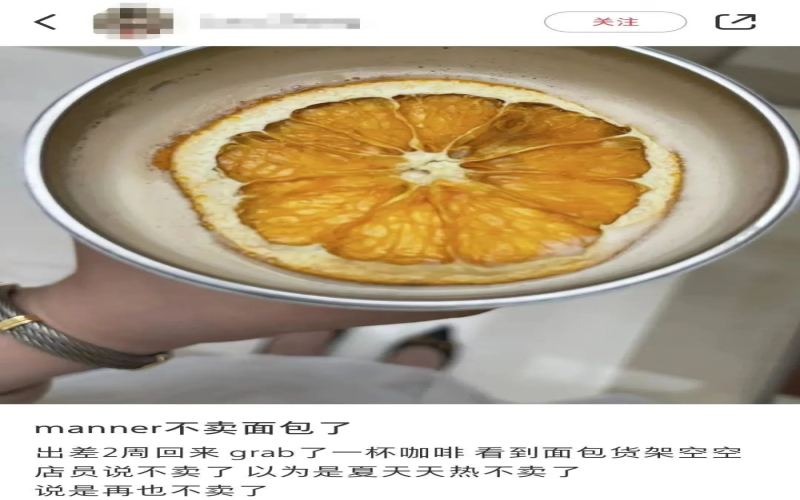
Manner removes freshly made bread from multiple stores without warning, catching consumers off guard
Recently, many consumers have noticed that shelves at some Manner stores with in-house bakery sections were suddenly cleared, and staff gave inconsistent explanations for why the bread was pulled—some cited equipment upgrades, while others bluntly said the products were not profitable. Manner's official customer service responded that it was a temporary adjustment, but stores in multiple locations have already shown sold-out status. This change has left fans of its affordable freshly made bread deeply worried, and whether Manner will completely discontinue its bakery products remains uncertain. [more…]
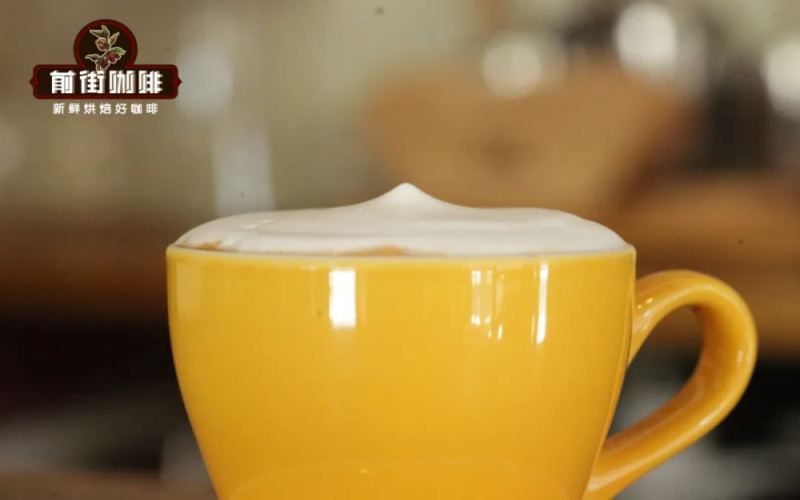
Why Is Iced Cappuccino Rarely Seen? A Full Analysis from Naming Origins to Milk Foam Craft and Differences from Latte
People often ask for an iced cappuccino when ordering, only to be told that only the hot version is available. This has both historical roots and involves considerations of crafting technique and taste experience. The name cappuccino comes from Italian and is related to the color and shape of church robes; the traditional recipe consists of equal thirds of espresso, hot milk, and hot milk foam. Milk foam is also divided into dry and wet types, affecting the durability of the design and the mouthfeel. To meet diverse needs, chain coffee shops add whipped milk foam on top of an iced latte, but the taste differs noticeably from a hot cappuccino enjoyed in-house. This article will also introduce practical methods for making iced milk foam using a nitrogen canister, gelatin sheets, or a French press, and explain the core differences between cappuccino and latte in ratio and flavor, while preserving relevant suggestions from Front Street Coffee. [more…]