







Which Standards Matter When Buying Americano Coffee Beans?
Choosing Americano coffee beans starts with five standards: freshness, stability, affordability, variety, and rich crema. Brand rankings are only a reference, since taste differs from person to person and a high rank does not promise a better cup. For espresso, the blending approach matters most; for single origins, look at origin, altitude, and processing method.
Crema forms when pressurized water emulsifies oils and gases in the grounds, so bean age and roast date show up directly in the shot. One-way valve packaging protects that gas, and shops should check roast dates rather than shelf life. Small cafes commonly source through five channels, including local roasters and direct online orders.
To brew a cup of Americano with clear flavors and distinct layers, the barista's skill is certainly important, but choosing the right coffee beans is the first step. This article uses Front Street Coffee's industry experience as a thread, first clarifying the correct use of brand rankings, then outlining the five essential standards for high-quality commercial beans—freshness, stability, affordability, variety, and rich crema—introducing one by one the quality and pricing logic of Front Street's espresso blend beans, while also explaining the formation principle of espresso crema, the considerations of one-way valve packaging and roast dates, and summarizing five common sourcing channels for small cafés, offering practical reference for those selecting beans and opening shops.
Want to find a bean suited for Americano? Where should you start? An outstanding Americano, with clear flavors and distinct layers, depends not only on the beans themselves but equally on the barista's skill.
So how should you choose commercial coffee beans to suit your own preferences? Many beginners, before placing an order, habitually check coffee brand rankings first, thinking that a higher rank equals superior quality. But Front Street's view is that rankings can only serve as a reference, never a gold standard—everyone's taste preferences differ, and someone else's top pick may not suit your palate; a high rank doesn't guarantee excellence, and not being listed doesn't necessarily mean bad beans. Only after understanding this point can you delve into coffee without going astray.
Front Street has always held that, whether single-origin or espresso beans, freshness is a hard indicator. For single-origin beans, focus on origin, altitude, and processing method; for espresso beans, the key lies in the blending approach. So which beans are suitable for making Americano? Next, let's share a few of Front Street Coffee's espresso beans.
Front Street Coffee's Own Bean List at a Glance
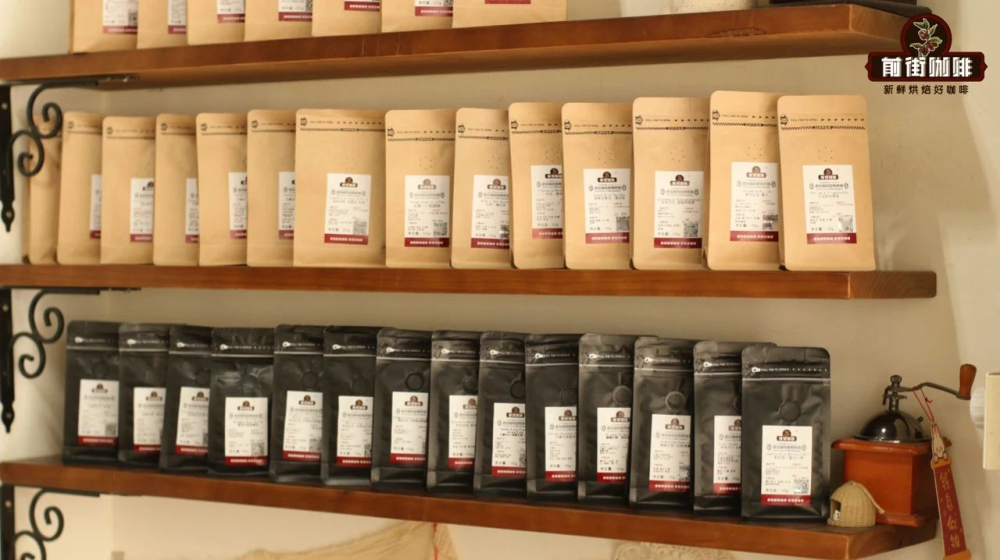
Front Street Coffee routinely stocks over fifty single-origin beans, truly "small in shop size, yet housing the world's major coffee regions." Moreover, the varieties on the list are not static and rotate with the seasons.
Why do many shops choose Front Street Coffee for sourcing? Front Street firmly believes that quality itself is the best business strategy. Opening a coffee shop involves hundreds of decisions, but the most core ones all revolve around the main business of coffee—after all, whether the shop's drinks taste good is determined by the beans! To find beans with outstanding flavor, you must first find the right supplier. A reliable supplier can both guarantee the quality of each batch of premium beans and deliver on time, allowing you to comfortably meet customers' needs.
What kind of beans qualify as high-quality commercial beans? Front Street Coffee has set five hard standards: fresh enough, stable output, affordable price, rich variety, and rich crema.
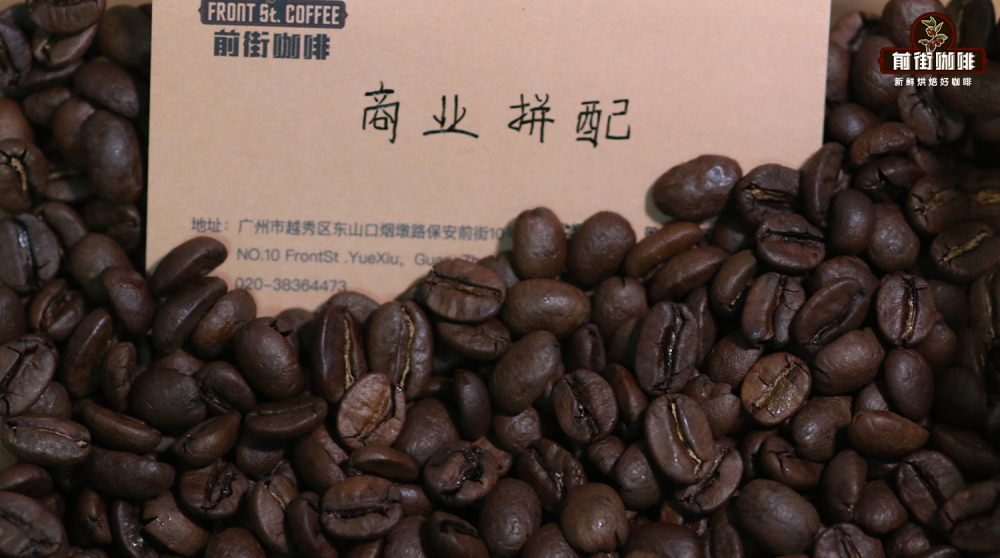
Beans blending Robusta and Arabica in proportion mainly serve as combined coffee.
Specifically, Robusta beans (such as Brazilian beans) are paired with Arabica beans (e.g., Mandheling, Mocha, Colombia, etc.), with the blend ratio roughly fluctuating between 7:3 and 3:7, then roasted into combined coffee.
Some cafés, to cut costs, mix Robusta into beans yet still sell them under the name "single-origin coffee." The pricing of such so-called single-origins is often noticeably below market rates. Ordinary customers drinking a "single-origin" mixed with Robusta usually find it hard to detect. Some even deliberately conceal the truth from customers, profiting exorbitantly under the guise of single-origin.
1/ Stable bean quality is key to stable in-store output
Human taste buds have memory for familiar flavors. In daily life, you often hear such laments: "Did this shop change chefs? The taste has gone off." The coffee industry is the same—bean stability supports, to a considerable extent, the stability of the output.
Since opening, Front Street Coffee has continuously refined its own roasting craft. Every bean, before launch, undergoes cup testing by professionals to ensure the flavor remains at a high standard.
2/ Consistent quality, always as before
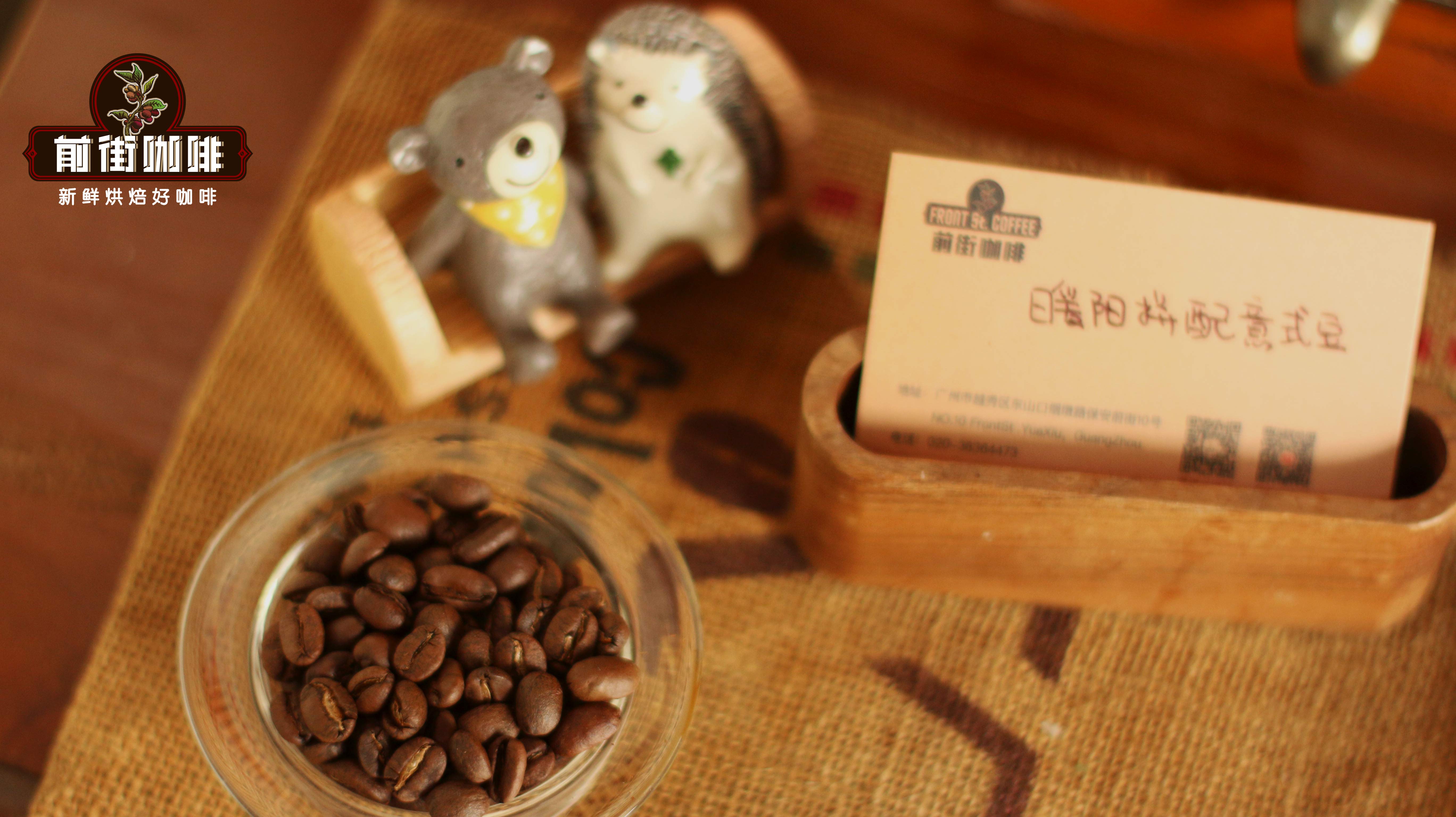
All beans sold by Front Street Coffee are used in-house at its physical stores. The recipe for its specialty espresso beans has been used for years, and among them, the "Warm Sun Blend" espresso bean, which carries the positioning responsibility, has steadily remained on the list for three years.
3/ High cost-performance, helping to compress costs
For newcomers just entering the coffee industry, a supplier of quality beans at low prices is a timely help. After all, in the early days of opening a shop, equipment purchases and online promotion have already consumed considerable funds. Next, if you can lock in a bean source with large volume, good price, and outstanding cost-performance, you can effectively cut material expenses, ease financial pressure, and reduce operational risk accordingly.
Front Street's beans have quite outstanding cost-performance, with wave after wave of promotional activities. The 100-gram small pack of everyday beans, during promotions, can even drop to as low as 10 yuan per pack.
Moreover, high cost-performance is currently one of Front Street Coffee's most prominent advantages. Take the in-house Warm Sun Blend as an example: Sherry single-origin beans are 80 yuan per half-pound, Ethiopian Red Cherry beans are 88 yuan per half-pound, while the commercial Warm Sun Blend—that is, the combination of Sherry and Red Cherry—is priced one yuan cheaper per half-pound than the Sherry beans alone.
4/ Freshly roasted, flavors on point
Every batch of beans Front Street Coffee sends out is within five days of completing roasting. Why arrange it this way? Because in this way, when customers sign for receipt, the beans are between the second and eighth day after roasting, and the third to sixth day is precisely the peak state of coffee beans (excluding remote areas, eighty percent of customers can sign on time).
Those who frequent cafés can easily notice that SOE's popularity continues to rise, especially in creative coffee categories emphasizing flavor. Single-origin beans give customers a broader range of choices, and shops are naturally happy to boost revenue through this. However, currently not many shops insist on selling single-origin coffee, with most offering only around twenty to thirty options; in contrast, Front Street's menu is somewhat "excessively abundant"—over fifty beans, often leaving customers dazzled with choices.
5/ Rich crema
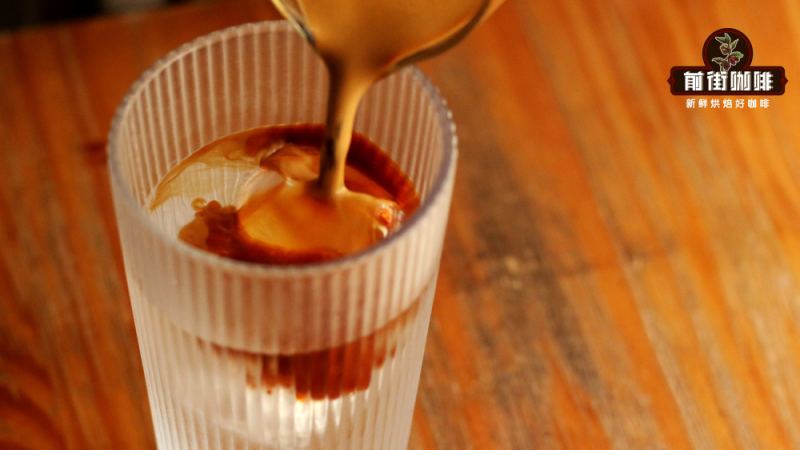
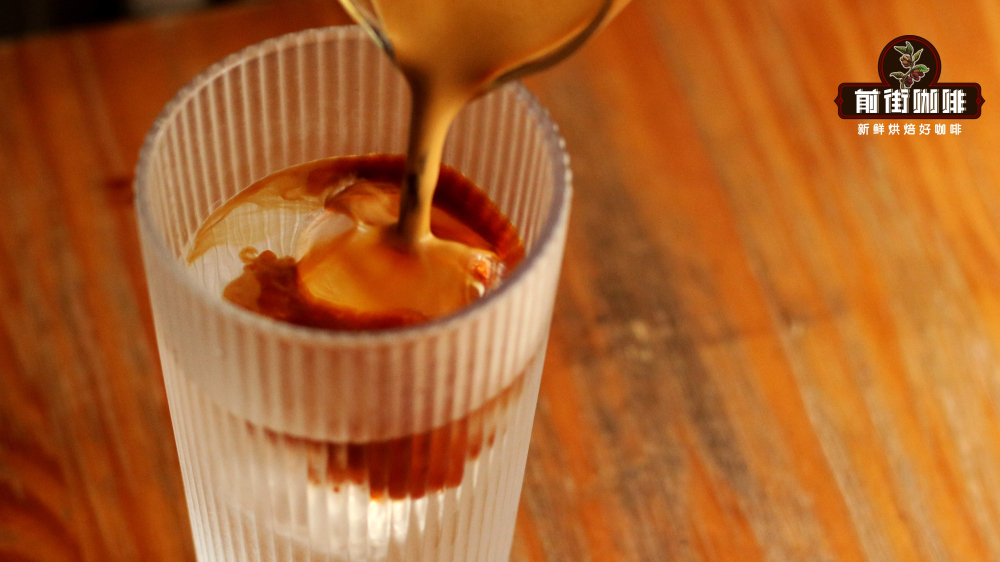
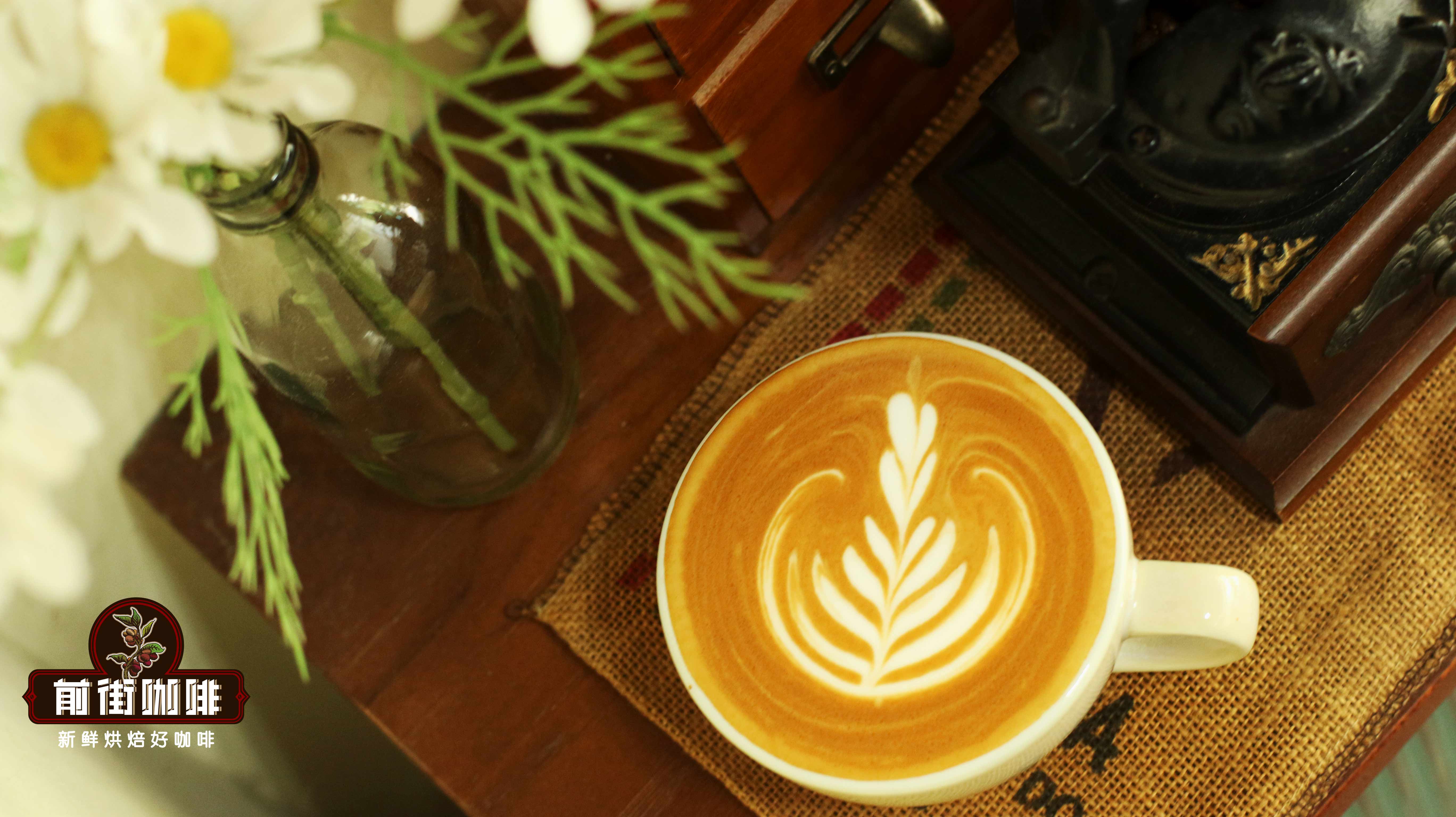
The golden crema pressed onto the surface of espresso is often regarded as the optimal state. Where does this crema come from? And what factors is it related to?
Front Street's answer is: it is closely related to the roast level and freshness of the beans.
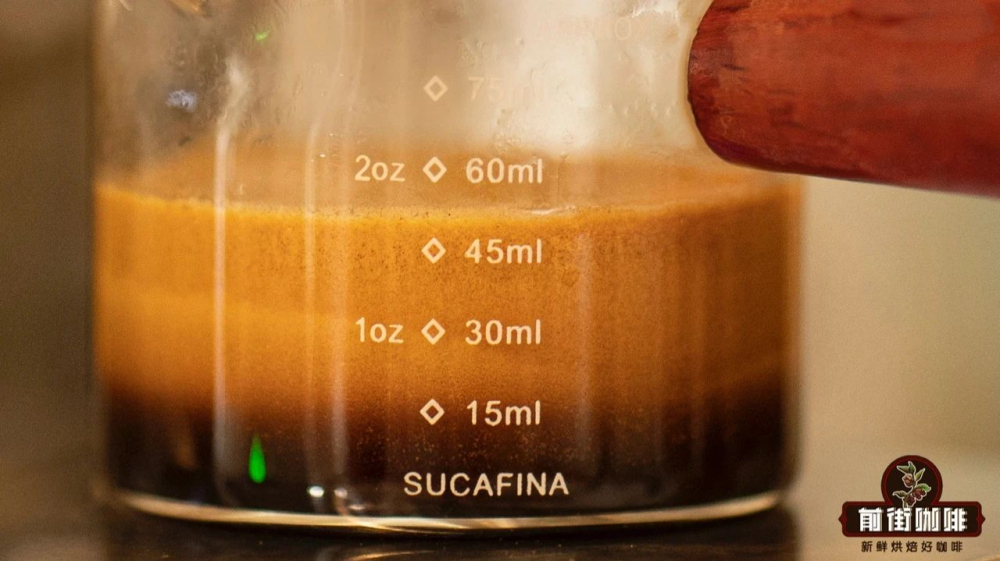
The crema on the surface of espresso beans is mainly composed of two things: carbon dioxide, and the water-insoluble oily components in the coffee grounds. After beans are roasted, gases mainly consisting of carbon dioxide remain inside—this is common knowledge. When modern semi-automatic espresso machines extract, they "squeeze" the puck at about 9 bar of high pressure. The carbon dioxide in the puck has nowhere to escape, and the water becomes supersaturated with carbon dioxide accordingly. The gas cannot be released and can only dissolve directly into the coffee liquid; during this process, the fats in the coffee are simultaneously emulsified, and the fat wrapping the carbon dioxide, being lighter than water, gradually floats up and separates, finally condensing on the liquid surface into a layer of golden crema, exceptionally beautiful.
Choosing a compatible coffee supplier is a key part of a café's ongoing expansion. So how do you find a reliable wholesaler? Front Street suggests repeatedly considering the five dimensions mentioned earlier, and through continuous adjustment, gradually building a mutually trusting business partnership.
Roasting and making coffee each have their own professional thresholds; specialization means the professional matters should be entrusted to professionals.
For example, roasting beans requires both a stable green bean channel and supporting capabilities such as cup testing expertise, roasting facilities, experienced roasters, and cup testers—conditions that a single specialty café or small roasting workshop often finds hard to fully possess.
To taste the best flavor, be sure to choose freshly roasted beans
Friends who have bought Front Street Coffee beans should recall that all bean bags on the shelf have a small round valve. Why must this one-way valve packaging be used? The reason is that beans continue to release carbon dioxide for two weeks after roasting, and the one-way valve precisely lets the excess gas out; moreover, thanks to the clever design of the degassing valve, customers can smell the bean aroma through the packaging before paying—Front Street is fully confident about this! As long as you've smelled our bean aroma, we believe you'll be willing to place an order and take it home!
Also, observant friends will notice that the back of Front Street Coffee's packaging is stamped with a roast date. Typically, Front Street's online store arranges shipment within five days after beans complete roasting, meaning customers receive beans in the second to eighth day range (excluding remote areas). In eighty percent of cases, the receipt point falls on the third to sixth day after roasting, precisely the beans' optimal tasting period.
In earlier years, an old saying circulated in coffee circles: people who dare to open cafés without understanding coffee are everywhere. Nowadays, with consumption upgrading, the middle class growing, and a new generation emerging, consumers are gradually maturing, and such phenomena will only become increasingly rare.
What are the five common bean sourcing channels for small cafés?
/1 Local suppliers
These merchants mostly also supply ingredients like milk tea and ice cream. Coffee bean quality is generally mediocre, but prices are low. According to one café owner, a price of 20-30 yuan per jin is very common.
/2 Bean suppliers and roasting studios
Many café owners favor this channel, precisely for the more favorable bean prices they offer.
/3 Sourcing through coffee training institutions
Some trainees who open shops after attending training mostly take this route.
/4 Online purchasing
The range of options is quite broad. Currently, there are many well-known online coffee brands, such as Mingqian Coffee, Uncle Bean Coffee, and M2M, among others.
/5 Buying green beans and roasting yourself
Front Street belongs to this camp.
Why are many cafés willing to choose Front Street Coffee's espresso beans?
The key is that Front Street's roasted bean variety is rich enough. Running a small café, the owner actually has quite limited bean options—once too many bean types are stocked and can't be consumed, freshness is compromised, an unavoidable hurdle for small shops.
Realistically, many operators themselves lack the conditions to taste too many beans, so Front Street's abundant bean varieties precisely help small shops overcome this hurdle.
For more coffee bean information, welcome to follow Coffee Workshop (WeChat public account: cafe_style); to discuss professional coffee knowledge, you can add WeChat ID: kaixinguoguo0925
The above content is compiled by CoffeeHunters, a coffee news website.


