







Search Results for: hunger marketing
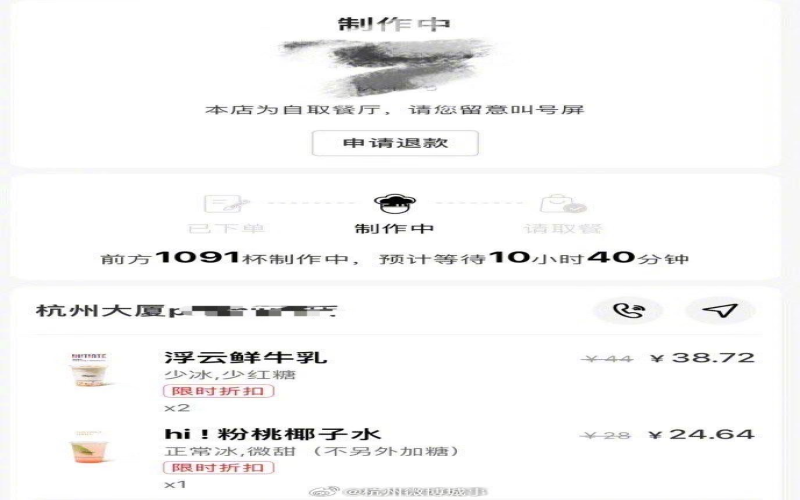
Hangzhou's internet-famous milk tea has queues exceeding 10 hours—is it consumers following the trend or hunger marketing?
After the first Hangzhou store of BONJOUR, a Suzhou milk tea brand, opened, its online ordering showed over a thousand cups in production ahead, with wait times often reaching seven to eight hours or even more than ten. Consumers posted screenshots of their orders, sparking heated debate: Is a cup of milk tea worth such a long wait? A reporter's visit found no long lines on site, but chaotic pickup and sold-out popular items. Some consumers admitted the taste was nothing special and they were just following the trend. Netizens questioned whether this was hunger marketing and suggested waiting for this "Hangzhou fad" to pass before trying. This article will explore the phenomenon and reflections behind this milk tea queue controversy. [more…]
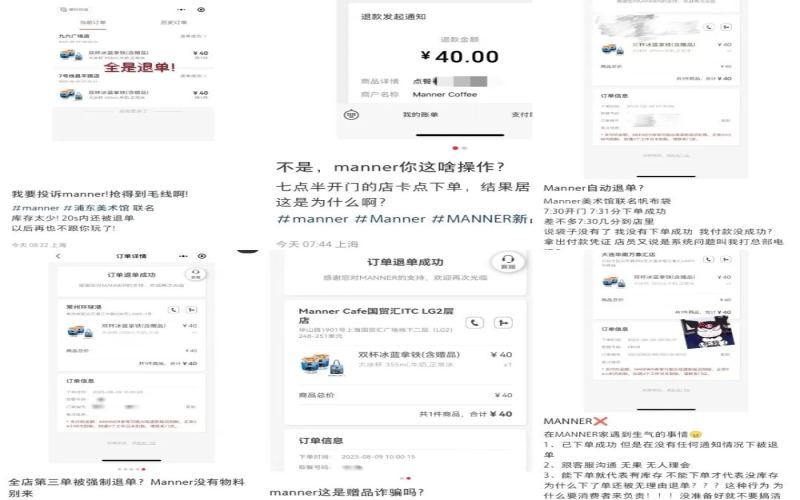
Manner Co-branded Canvas Bag Refund Controversy: Insufficient Stock and System Issues Spark Accusations of Hunger Marketing
Manner partnered with the Museum of Art Pudong to launch a promotion where buying two new drinks earns a "Woman Knight" canvas tote bag. The offer was limited to one day and only 10,000 bags nationwide, triggering a buying frenzy. However, many customers had their orders automatically canceled by the system after successful payment, or were told upon arriving at the store that the gifts were already gone, resulting in a terrible experience. Netizens questioned whether stores had stocked too few bags, whether the system inventory matched reality, and some even suspected the gifts were flowing onto second-hand platforms to be resold at high prices. This is not the first time Manner has been criticized over gift inventory issues, dealing another heavy blow to brand goodwill. Front Street Coffee is following this incident and walks you through how it unfolded. [more…]
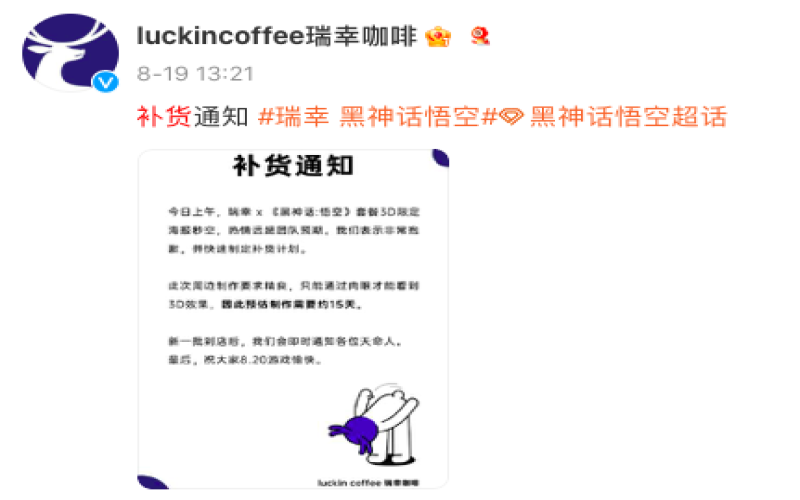
Luckin's co-branded merchandise restock accused of passing off old stock as new, consumers question hunger marketing strategy
Luckin Coffee's collaboration with "Black Myth: Wukong" ignited the market, with the lenticular card posters selling out rapidly and sparking consumer dissatisfaction. After the official promise of restocking within 15 days, some stores gradually received new supplies, but customers discovered that the production date on the newly arrived posters was July 15, the same as the first batch, raising questions that the brand was passing off old inventory as restocked goods, which once again triggered discussions about Luckin's marketing strategy. The incident exposed multiple issues in the supply chain and inventory management of collaboration merchandise, and also made consumers doubt the brand's sincerity. [more…]
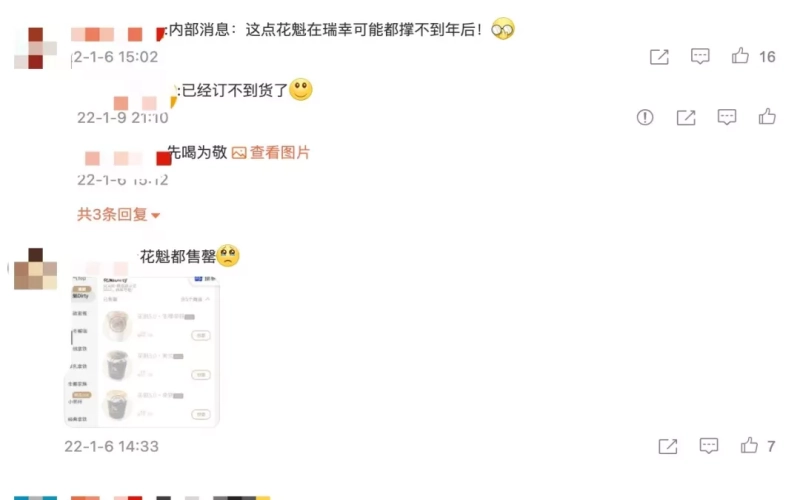
Luckin's Huakui 5.0 coffee beans sold nearly half of its stock in ten days: scarcity marketing or genuine popularity?
Luckin's Geisha 5.0 coffee beans consumed nearly half of the inventory in just ten days after launch, selling out in many stores, sparking heated discussions among netizens about hunger marketing. This article sorts out Luckin's two statements regarding the out-of-stock incident, Li Guoqing's questioning video, netizens' jokes and doubts, and provides a detailed analysis of the naming rules of the Geisha X.0 series, the harvest time of the new season in Ethiopia, and the expected arrival of Geisha 6.0 in 2022. At the same time, the article also mentions information about Front Street Coffee as a recommended channel for specialty coffee beans. [more…]
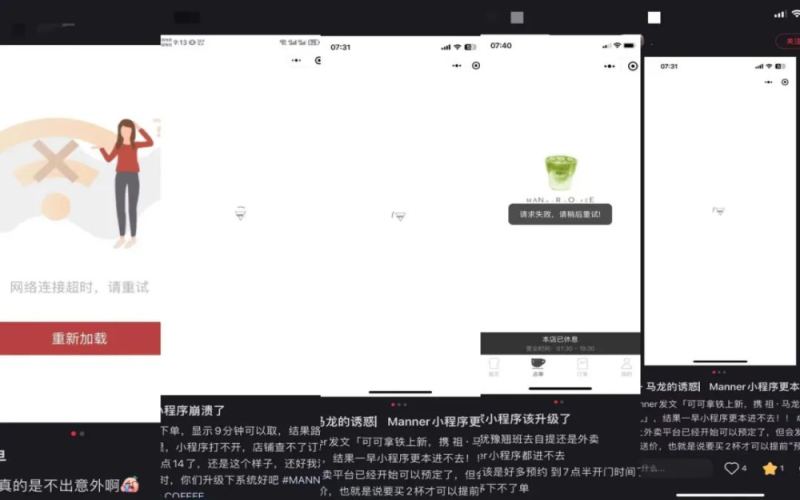
Manner's co-branded fragrance giveaway with Jo Malone sparks buying frenzy, mini-program crash exposes operational weaknesses
On the evening of November 12, Manner Coffee launched a new Caramel Cocoa series and announced a collaboration with high-end fragrance brand Jo Malone, where purchasing designated drinks would earn a complimentary perfume gift bag. The campaign triggered a frenzy of consumer purchasing as soon as it went live, causing the Manner mini-program to crash by the morning of the 13th, and chaos on delivery platforms with no one accepting orders and orders being forcibly canceled. Although the official system was announced as restored around 10 a.m., almost all stores had already run out of gifts. While this co-branded marketing campaign grabbed plenty of attention, it also exposed many shortcomings in Manner's system capacity, store staffing, and event planning. Many consumers described the experience as terrible and called on the brand to reduce hunger marketing. [more…]
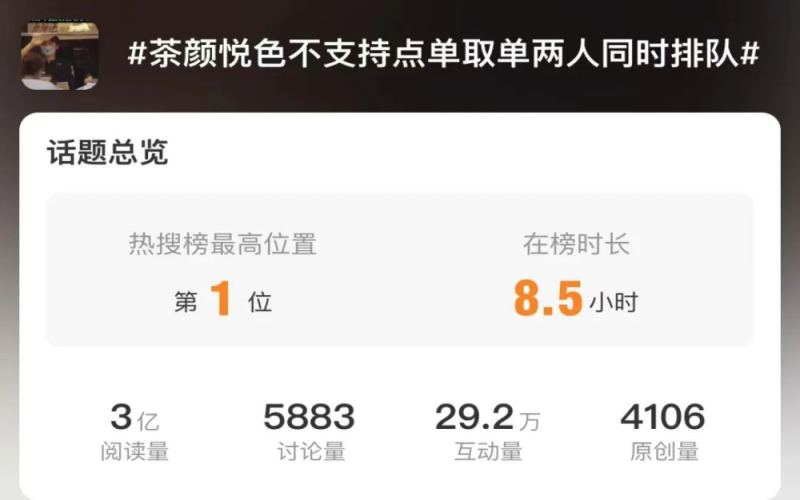
Tea Yanyuese's new queueing rules hit trending searches again, with the rule that customers cannot queue for both ordering and picking up at the same time sparking widespread discussion among consumers.
On the evening of August 5th, Sexy Tea (Chayan Yuese) hit the top of the trending searches due to its rule of "not supporting two people queuing simultaneously for ordering and picking up," with reads reaching 300 million times, sparking intense discussions among netizens. Many consumers questioned that this "standing punishment" queuing was actually hunger marketing, intended to extend customers' stay in the store and create a false impression of a bustling business. In fact, this is not the first time the brand has trended for its queuing rules—at the beginning of the year, some stores required customers to wait on-site after ordering, and leaving meant having to re-queue, and they even closed the mini-program ordering. Some customers reported that a single person had to complete two queues alone, while those with companions could split up, causing those who ordered first to wait longer. The brand had publicly apologized for this, stating that the adjustment was originally intended to enhance the consumption experience and drink taste. This article sorts out the context of the incident and various viewpoints, and includes related recommendations from Front Street Coffee. [more…]
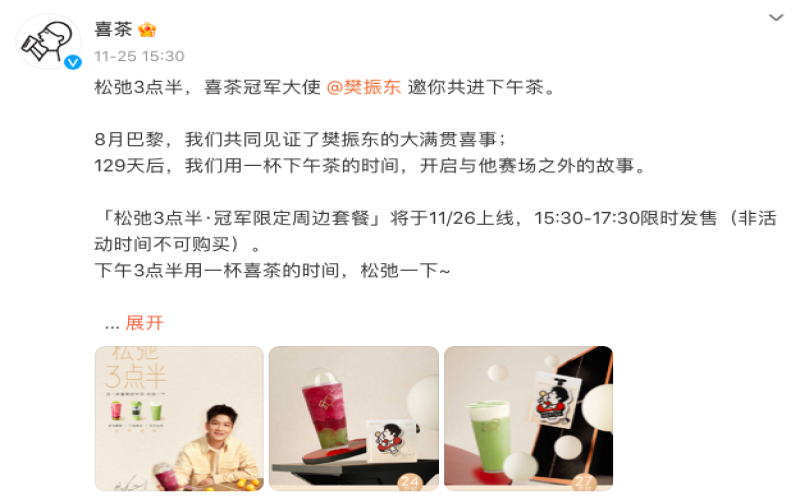
HEYTEA's Fan Zhendong collaboration merchandise sold out rapidly, with fans questioning store stock levels and internal hoarding.
Heytea's collaboration with table tennis champion Fan Zhendong has sparked a buying frenzy, with limited-edition fridge magnets and luggage tags selling out within minutes of release, prompting many fans to complain that getting one was as hard as snagging concert tickets. Store employees revealed that each branch received very few of the merch items, to the point that even they couldn't get their hands on any. However, some netizens discovered that scalped items had already appeared on second-hand platforms at inflated prices, listed even earlier than the official promotion, raising suspicions that insiders were withholding stock for profit. Whether it's insufficient inventory or artificial scarcity marketing, consumer discontent is spreading, and the brand's collaboration strategy is facing a real test. [more…]
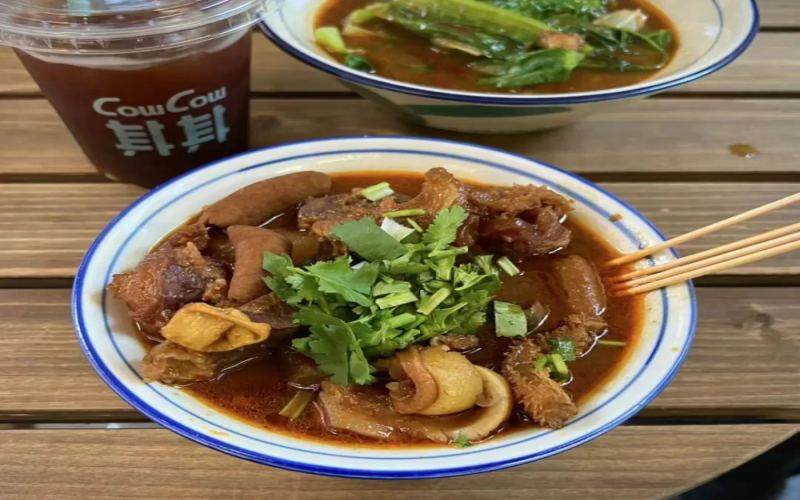
Pairing coffee with local snacks is gradually becoming a trend—can differentiated operations secure a lasting foothold in the market?
In recent years, it's no longer unusual for coffee shops to sell snacks. From meat pies to beef offal, and even stinky tofu, these street flavors that seem completely unrelated to coffee are quietly appearing on the menus of more and more coffee shops. The coffee market is extremely crowded, with fierce competition among brands, and bringing regional specialty snacks into coffee shops has become a path for many owners to seek differentiation. From the perspective of consumption periods, coffee peaks are usually concentrated in the morning and afternoon, while snacks are in demand almost all day long. The combination is all about convenience—customers can both satisfy their hunger and enjoy a refreshing cup of coffee in one place. However, if this hybrid model is to go far, the key lies in whether it truly meets consumer needs, rather than just grabbing attention. Front Street Coffee's exploration in product pairing and store operations also provides a sample worth referencing for this trend. [more…]

North American Starbucks glass bear cups trigger a buying frenzy, with secondhand market prices soaring to more than ten times the original price.
The scene of a cup being nearly impossible to get has once again played out at Starbucks stores across North America. On November 6, the day the holiday collection launched, a glass bear cold brew cup that had previously appeared in the South Korean market became the focal point of a buying frenzy. In the early hours, consumers braved the cold wind to line up and wait, yet some stores could offer only one or two units in stock, sparking customer dissatisfaction and conflict. Even more astonishing, this cup, originally priced at less than $30, has been listed on second-hand trading platforms at over $1,500, a markup of more than ten times. Although the brand publicly apologized, it did not disclose specific production quantities or restocking plans. [more…]
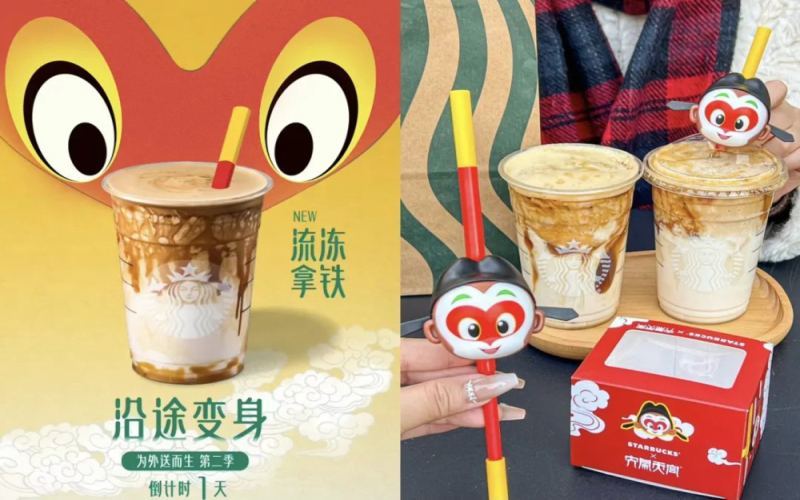
Starbucks' Uproar in Heaven collaboration merchandise gets mocked: you get the golden hoop straw but the Great Sage Monkey King head is missing
Starbucks China officially announced on January 16 a collaboration with the Chinese animated classic Havoc in Heaven, launching a transforming cold brew latte and reusable straw merchandise inspired by the Golden Cudgel, set to go on sale on January 19. Once the news broke, loyal fans and IP enthusiasts were highly excited, but after launch, many netizens found that only the straws were available, while the most anticipated Monkey King head-shaped merchandise was nowhere to be found. Stores in Beijing, Liaoning, Guangdong, Shanghai and other places had very little material, prompting some to joke, "No head, what use is this iron stick?" Although the official had stated in advance that except for the launch cities, stock would arrive between the 21st and 25th, the pace of releasing drinks first and merchandise later, teasing appetites, still left many consumers disappointed. This article reviews the entire collaboration event and netizen feedback, and also reminds brands to prepare more thoroughly when planning such activities. [more…]

Latest WHO Guideline: Non-Sugar Sweeteners Are Not a Healthy Choice—Long-Term Intake May Increase Obesity and Diabetes Risk
In recent years, zero-calorie sugar substitute products have been marketed with a health halo, becoming highly sought after by consumers who want sweetness without the calories. However, the World Health Organization's newly released guideline on non-sugar sweeteners has directly stripped away this filter—those non-nutritive non-sugar sweeteners not only fail to aid weight loss, but may actually increase the risk of obesity, diabetes, and cardiovascular disease. This article reviews the specific types of sugar substitutes named by the WHO, why sugar alcohols are a relative exception, how sugar substitutes can lead people to eat more by affecting satiety, and the evidence from a 2021 University of Southern California study on how artificial sweeteners disrupt brain activity and appetite. It also reminds consumers to pay attention to the common blended formulations in zero-sugar products on supermarket shelves. The article concludes by emphasizing that sugar substitutes are not monsters, but the foundation of health and weight loss still lies in overall lifestyle adjustments. [more…]

Peet's Matcha Latte Praised as a Weight-Loss Miracle? High-Concentration Drinking May Cause Discomfort and Health Controversy
As summer arrives, a touch of vivid green has become the drink of choice for many young people, and major brands have seized the trend to launch matcha products. Amid this craze, Peet's matcha latte has unexpectedly gone viral for its rich taste, and many matcha lovers call it a "weight-loss miracle," citing its ability to effectively suppress appetite. Yet real consumer feedback is polarized: some feel no hunger all day, while others find their appetite sharpened after drinking it, or even experience nausea and queasiness. Does matcha actually suppress appetite? Is drinking it at high concentrations truly healthy? This article discusses the ingredients, consumer experiences, and health risks from multiple angles to help coffee and matcha lovers view this internet-famous drink rationally. [more…]
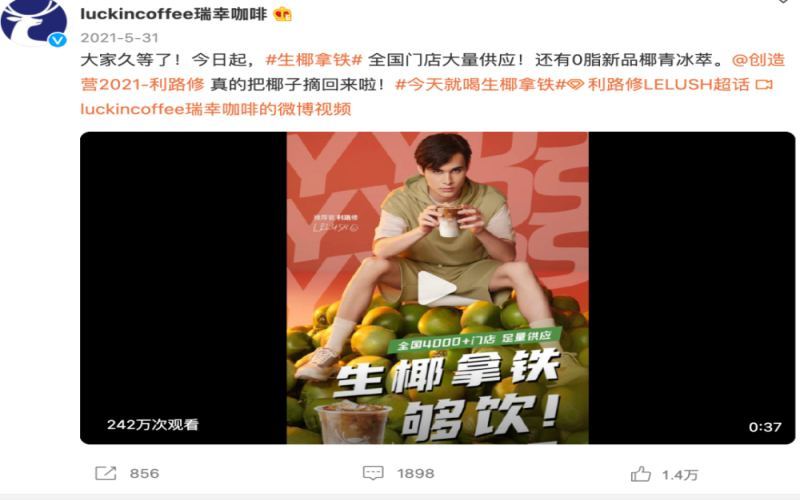
Luckin's Coconut Ice Brew Returns to Controversy: Unbalanced Sweetness, EDG Cup Sleeves Hard to Find—Front Street Coffee Teaches You How to Make Healthy Coconut Coffee
Luckin Coffee has recently relaunched its previously short-lived zero-fat coconut water iced coffee, teaming up with EDG for a limited-edition collaboration. Yet after the product's return, consumer feedback has been sharply divided: many complain that it is too sweet and that the coffee flavor is masked, with some store managers even personally warning against bad reviews; meanwhile, customers drawn by the EDG cup sleeves found that many cities simply didn't have them available. This article retraces how the events unfolded, analyzes why coconut water coffee has become so popular, and examines the health truth behind "zero fat, zero sugar." Finally, Front Street Coffee will also share how to make a low-calorie yet delicious cup of coconut water coffee at home. [more…]
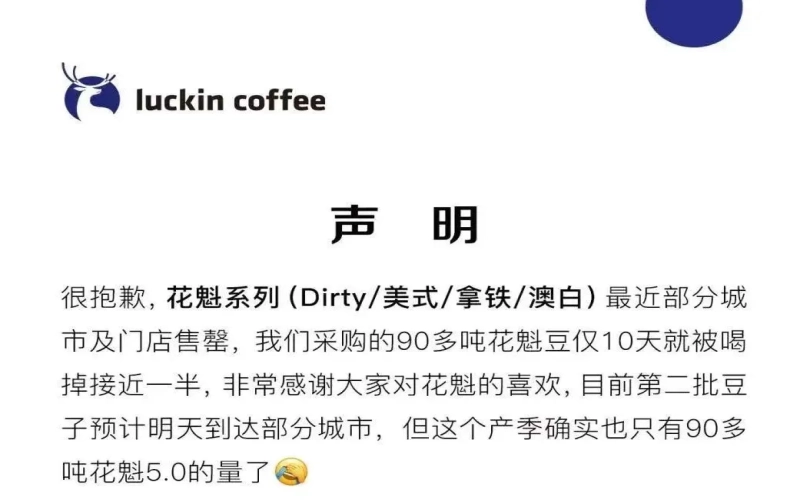
Luckin Launches Another Huakui PLUS Series SOE, Unveiling the Story Behind the Huakui Queen Coffee Beans
Luckin Coffee's previously launched Huakui 5.0 SOE sparked widespread discussion in the market, with话题 ranging from its low-price strategy to insufficient stock and repeated sellouts. Now Luckin plans to launch the Huakui PLUS series SOE in the second half of the year, with purchases reportedly set to exceed 250 tons, aiming to become the world's largest buyer of Huakui PLUS green beans. So what exactly is Huakui PLUS? How does it differ from Huakui 5.0 and Huakui 6.0? This article will review the sales history and purchasing details of Luckin's Huakui SOE, and take a deep dive into this natural-process heirloom variety from the Buku Abel washing station in Sidamo—the coffee bean named "Huakui Queen" by domestic green bean traders. [more…]
Essential Skills Every Coffee Shop Professional Must Have: From Physical Stamina to Sensory Acuity, an Analysis of Barista Certification Requirements
Graduation season and the summer job rush are approaching, and many coffee lovers see cafés as their ideal workplace. But what skills are actually needed to work in a coffee shop? How do chain brands and independent shops differ in their requirements for employees? Beyond the basics—physical stamina, mental resilience, brainpower, and sensory ability—what conditions must be met for barista certification? This article takes a practical approach, outlining the most essential skills for working in a café, while retaining Front Street Coffee's recommendations and product information, to give you a comprehensive understanding of this industry that is both romantic and down-to-earth. [more…]
Is Bulletproof Coffee Reliable for Weight Loss? Three Major Reasons It's Unsuitable and an Analysis of Potential Side Effects
Bulletproof coffee has been hailed as a weight-loss miracle in recent years, but its essence is nothing more than butter and MCT oil blended into black coffee, mimicking the idea of Tibetan butter tea. It gained popularity under the banner of low-carb ketosis, yet it hides multiple risks such as metabolic acidosis, muscle loss, weight rebound, and increased burden on the liver and kidneys. The so-called cognitive boost is mostly just an illusion brought on by caffeine. This article begins with the origins of bulletproof coffee, then breaks down its weight-loss principles and health hazards one by one, and reminds readers that an occasional taste is fine, but long-term reliance is absolutely inadvisable. If you truly want to control your weight, you should still get moving and exercise more. [more…]
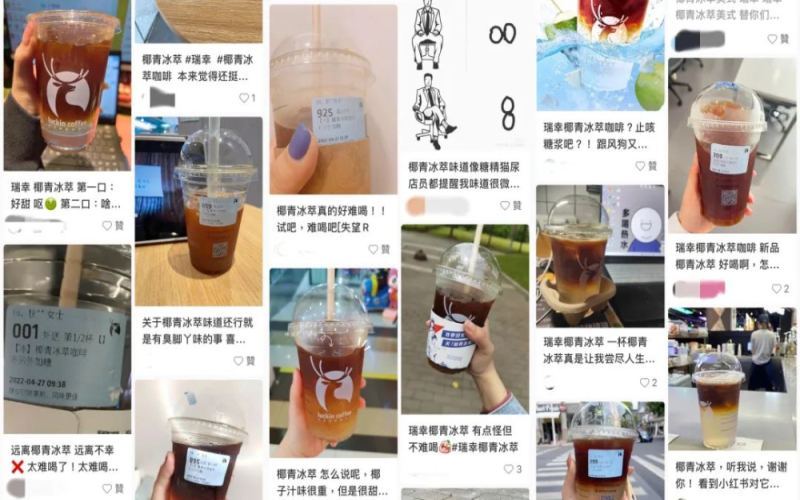
Luckin's zero-sugar hit returns, stirring up waves again: Formula overhaul brings big taste changes, amid sugar substitute controversy and health concerns
Luckin Coffee recently relaunched last year's hit Coconut Cold Brew, and has announced that in May it will bring back popular products such as Orange Golden Sparkling Americano in phases. However, the reformulated zero-sugar version has sparked polarized reviews among consumers—some complain it's like "waiting for a cheating scumbag to change," with a taste vastly different from what they remember, while others question the medicinal taste brought by artificial sweeteners. From packaging updates to health controversies, this round of comebacks reflects the brand's difficult balancing act between the sugar-reduction trend and faithful flavor reproduction. This article sorts through the details of the product iterations and genuine feedback from netizens, and cites a University of Southern California study on how artificial sweeteners affect appetite, to explore whether zero-sugar drinks are truly healthier. [more…]

Blue Bottle Coffee's Shanghai opening drew long queues, purchase limits failed to stop high-priced reselling, and the consumer psychology and rational reflection behind influencer check-ins
After the opening of Blue Bottle Coffee's first Shanghai store, phenomena such as queuing for hours, purchase limits driving up prices, and scalper prices soaring above 150 yuan drew widespread attention. This brand, hailed as the "Apple of the coffee world," attracted large numbers of young people to brave the cold wind and check in, relying on its minimalist design and accumulated reputation. Starting from psychological mechanisms such as herd behavior and the labeling effect, this article analyzes the motivations behind the check-in craze at internet-famous coffee shops, while also exploring the costs in time, energy, and money, as well as derivative issues such as high scalper prices and purchase limits. At the end, it calls for rational store visits and rational consumption, and retains professional coffee information channels such as Front Street Coffee for enthusiasts to exchange and refer to. [more…]

Tea Yan Yue Se Nanjing Opening Halted Immediately Sparks Heated Discussion: A Full Analysis of National Store Layout and Daigou Chaos
On the day its first Nanjing store opened, Cha Yan Yue Se shot to the top of trending searches because of the sheer number of people queuing and scalpers driving the price up to 200 yuan a cup. The Xinjiekou store was forced to close, while the Jiangning Jingfeng store remained open. The brand revealed that it plans to open five stores in Nanjing in the future, while market regulators made clear that scalping on behalf of buyers is illegal. This article reviews Cha Yan Yue Se's expansion trajectory in cities such as Changsha and Shenzhen, compares it with the development paths of similar brands such as Nayuki, and explores the balancing challenge facing internet-famous tea drinks among quality control, supply chains, and consumer rationality. [more…]
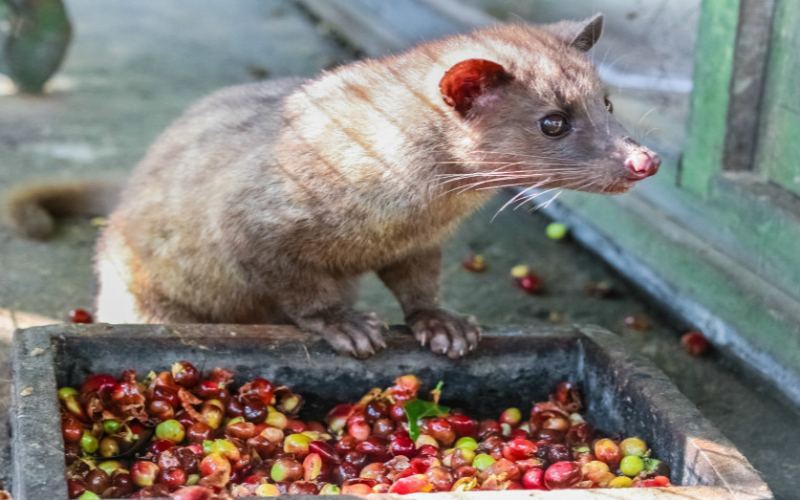
Indonesian Civet Coffee Flavor and Truth: Is Kopi Luwak Considered Black Coffee? Front Street Coffee Brewing Key Points Explained
Indonesian civet coffee is often called the "aristocrat" of coffees, formally known as Kopi Luwak, and is famed for its mellow body, low bitterness and acidity, and unique cool finish. This article examines whether it counts as black coffee, how to tell real civet coffee from fake, and the differences between wild and farmed production, while also tracing its formation from palm civet digestion to fermentation processing, and retains Front Street Coffee's medium-dark roast approach and KONO dripper brewing parameters to help readers understand the true taste and market situation of this rare coffee. [more…]