







Search Results for: honey processing
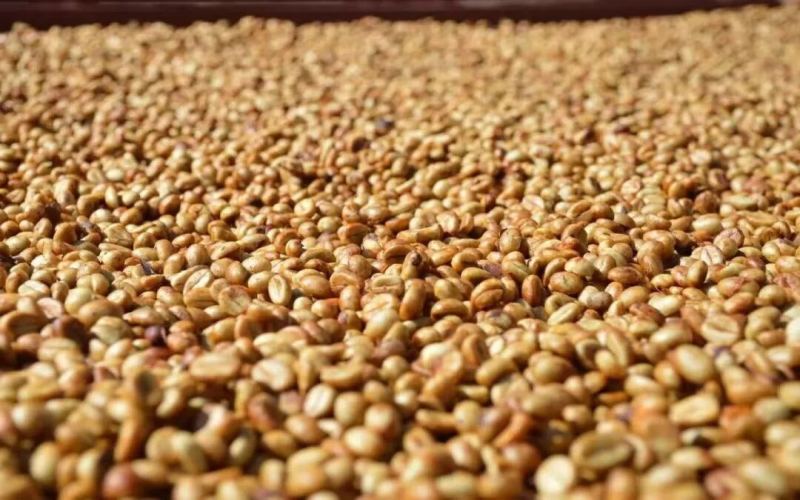
Honey Process|What is honey-processed coffee? How does the honey process work? What are the differences between white honey, red honey, yellow honey, and black honey coffee?
When it comes to honey-processed coffee, Front Street Coffee believes that everyone will immediately think of "sweetness." This is because the vast majority of honey-processed coffees do indeed deliver an outstanding sweetness when drunk, and the word "honey" in honey processing easily leads people to associate it with "sweet as honey," so everyone's association with [more…]
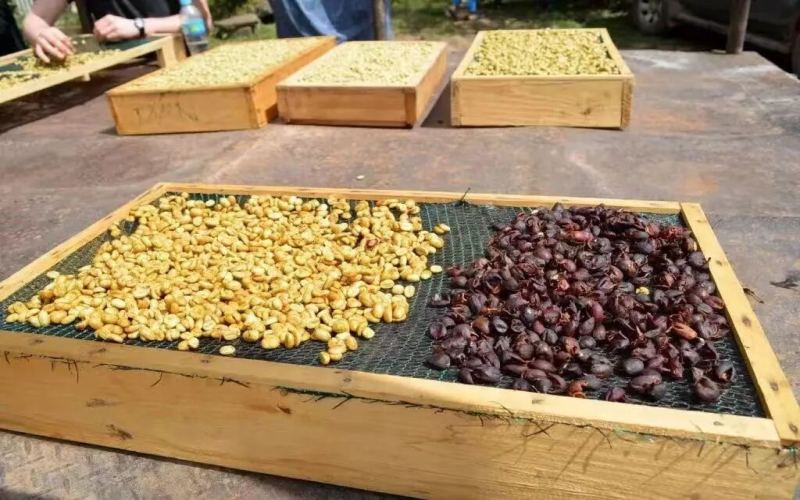
Characteristics of Costa Rican Coffee Beans | What Is Honey Processing? Why Do Costa Rican Coffees Mostly Use Honey Processing? What Flavor Characteristics Do Honey-Processed Coffee Beans Have?
When it comes to which region produces the best honey-processed coffee beans, Costa Rica is undoubtedly the answer. As the birthplace of the honey processing method, Costa Rica has naturally perfected its honey processing techniques to a high degree of mastery. In this article, Front Street Coffee will explain the flavor characteristics of Costa Rican honey-processed coffee beans. [more…]
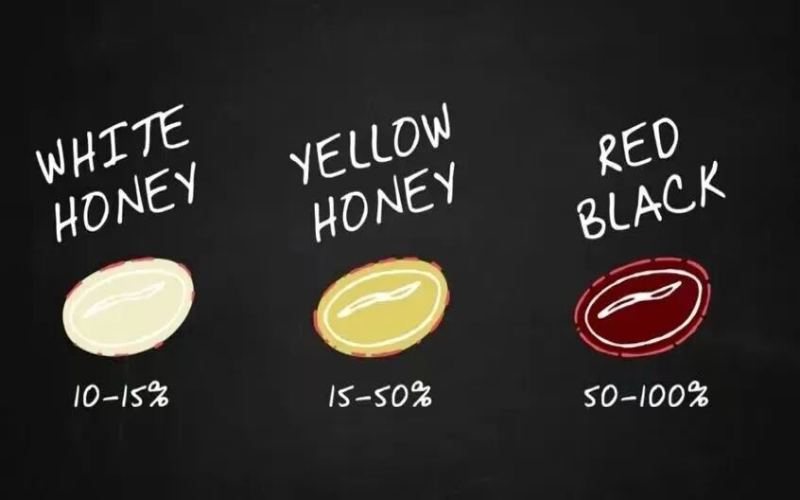
Specialty Pour-Over Coffee Bean Recommendation | What's the Difference Between Red Honey, Yellow Honey, and Black Honey Processing? An Introduction to the Flavor and Mouthfeel of Costa Rica's Pilon Processing Plant Black Honey Process Caturra
"Sweetness" is an excellent trait that can make a bean stand out. At Front Street Coffee, when selling coffee beans, we often have friends ask for "a bean with higher sweetness." When it comes to high-sweetness coffee, Front Street believes that the first thing many people think of is Costa Rican honey-processed coffee! As a honey-processed [more…]
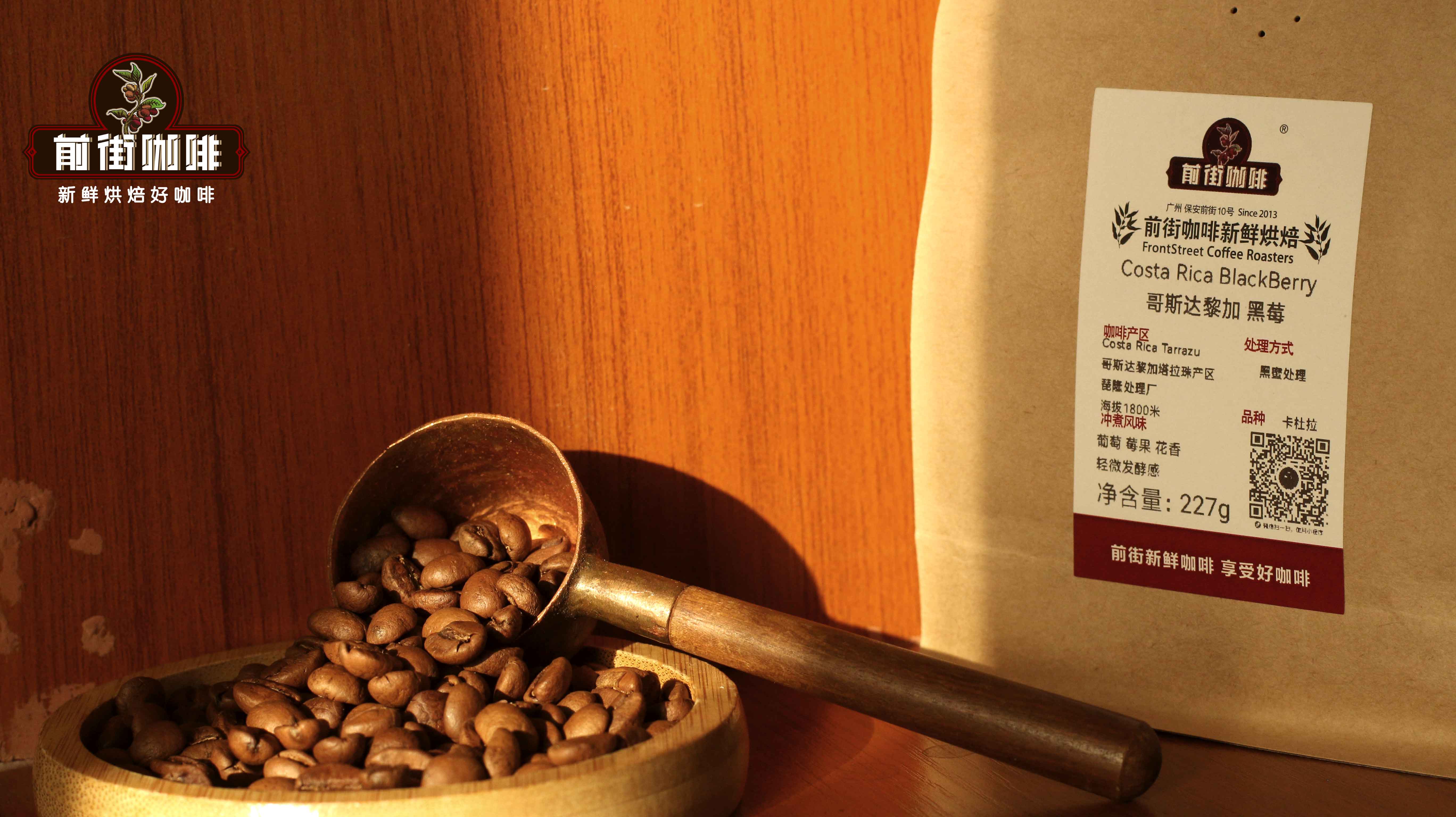
Black Honey Processing | Why do Costa Rican honey-processed coffee beans have high sweetness? What are some recommended high-quality pour-over coffee beans with prominent berry flavors?
Honey processing, translated from the English "Honey Process" or "Miel Process," the word "honey" in honey processing actually comes from Miel, which means "honey" in Spanish. The term honey processing originated in Costa Rica in Central America, where it was first [more…]

Costa Rica · Tarrazú: The Birthplace of Honey Processing
Tarrazú is Costa Rica's most renowned specialty coffee region and the birthplace of the world's "honey process" method. This article takes you through Tarrazú's geography, the birth of the honey process, and the unique flavors of this region. [more…]

What are coffee green bean processing methods? What are the operational procedures for the natural, washed, and honey processing methods? What are the differences, characteristics, and flavor profiles of natural, washed, and honey processed coffee?
Coffee green beans are not simply picked from the tree and then roasted and brewed right away; achieving good flavor requires many steps. People often assume that coffee flavor depends on variety, growing environment, and cultivation methods, but what they don't realize is that there is an important stage between growing and roasting called "coffee bean processing." [more…]
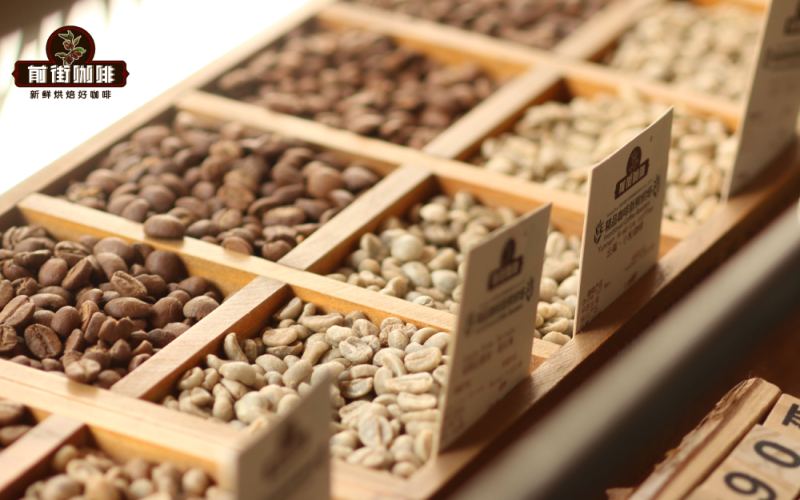
Coffee Processing Methods | Wet-Hulled, Semi-Washed, Honey Process, Pulped Natural — Detailed Steps, Flavor and Mouthfeel Comparison of Coffee Beans
We all know that different processing methods can give coffee a rich and varied flavor profile. For example, Front Street Coffee's bean list alone features dozens of varieties, covering more than ten different processing methods. Today, Front Street will focus specifically on wet-hulled, semi-washed, and pulped natural [more…]
Panama Boquete Elida Estate Coffee Beans: A Full Analysis of Processing Methods, Roasting Recommendations, and Flavor Characteristics
Located in the Boquete production region of Panama, ELIKA ESTATE belongs to the Lamastus family and has a history of over a century since its founding in 1918. The estate sits at an altitude of about 1,670 to 1,725 meters and mainly cultivates improved Caturra along with a small amount of Bourbon, and has participated in the BOP many times, achieving excellent results. Elida became famous for its washed beans, and in recent years it has also actively experimented with natural and honey processing. Among these, the honey-processed beans balance cleanliness with fermented fruit aromas, delivering impressive flavor performance. The batch that Front Street Coffee is launching this time is precisely this honey-processed lot, and this article will share in detail its processing method, roasting curve, and tasting experience. [more…]
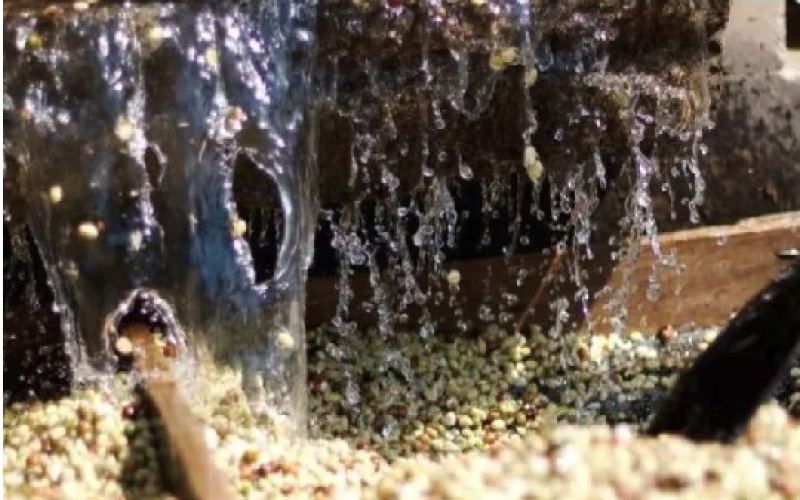
"The coffee processing method" is what? natural , washed , and honey processing method.
The processing method of coffee has always been the key link in the refined processing of green coffee beans. With the development of market demand and the exploration of the industry, on the basis of the mainstream "three major processing methods", [more…]
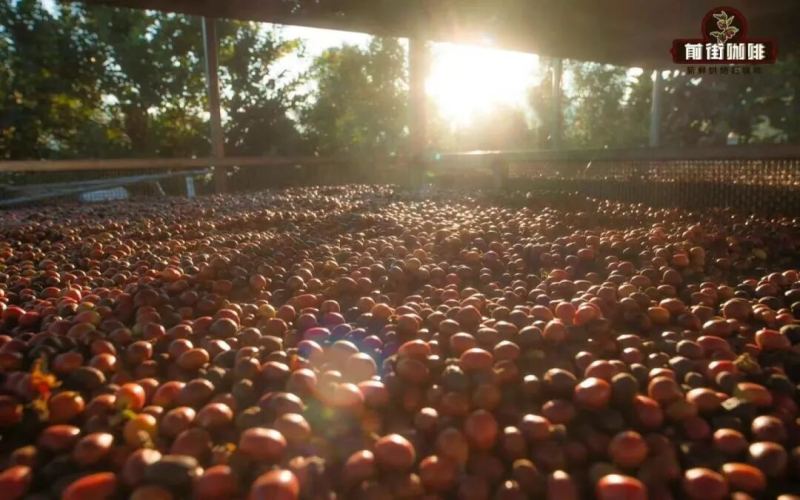
Coffee Processing Methods | What is the difference between semi-washed, natural, washed, and honey processing? What flavor and mouthfeel characteristics do different processing methods give coffee?
The natural process, as the name suggests, is to spread the harvested coffee cherries flat on the ground (on dedicated drying nets or patios) and use direct sunlight (for about 2-3 weeks) to remove moisture from the coffee fruit until the moisture content reaches the target level, after which machines are used to remove the dried husk to obtain the green coffee beans we want. Natural process [more…]

How to Choose Honey-Processed Coffee Beans: Flavors and Brewing Methods from Light to Dark Roast
The charm of honey-processed coffee beans often lies in the connection found between fruity aromas, sweetness, and a mellow mouthfeel. After the pulp is removed, part of the mucilage layer on the surface of the coffee fruit is retained, and through drying, sweetness and fermented notes may enter the flavor profile. Depending on the roast level, this sweetness can present itself in floral-fruity, juicy, or caramel directions. [more…]

Honey-Processed Coffee Beans: Balancing Budget and Drinking Frequency
When it comes to honey-processed coffee beans, we should start with the actual cup experience. When buying beans day to day, you need to consider how quickly you'll drink them, how much to buy at a time, and whether you mainly make black coffee or milk coffee at home. The roast level of the coffee beans determines the basic taste, the origin and processing method bring differences in aroma, and the equipment you use will change the strength, so when choosing beans you need to take all these factors into account. [more…]

Honey-Processed Coffee Beans: Roast Level Determines How to Drink It
Honey processing retains some of the mucilage during drying, so the beans often display fruitiness, sweetness, and a rounder mouthfeel at the same time. But with the same processing method, different roast levels shift the focus in the cup: light roasts make it easier to taste bright aromatics, medium roasts have steadier sweetness, and medium-dark roasts better suit drinkers who want more body. [more…]
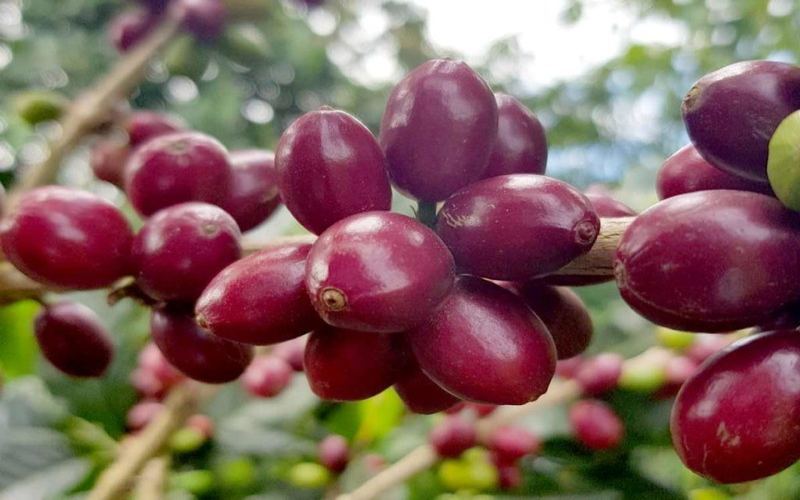
The Flavor Window of Honey-Processed Beans: How to Plan from Opening the Bag to the Last Cup
The sweetness and fruity aromas of honey-processed coffee beans often don't fully emerge on the day you open the bag. After roasting, the beans continue to slowly release carbon dioxide, and the aroma, acidity, and mouthfeel will recombine over time. When buying beans, besides looking at the origin and flavor notes, you should also pay attention to the roast date, the condition of the packaging, and your own drinking pace—these facto [more…]
A Complete Guide to Green Coffee Processing: Washed, Natural, and Honey Processing Methods and Their Flavor Differences
From harvesting to becoming green beans that can be stored long-term, coffee cherries must undergo processing. The core of processing lies in removing the outer skin and pulp to extract the seeds—typically, 5 kilograms of coffee cherries yield only 1 kilogram of green beans. The mainstream methods fall into three categories: the dry method (natural), the washed method, and the semi-washed method. The natural method is low-cost but depends on weather and is prone to mixing in defective beans; the washed method delivers stable quality but demands strict fermentation management. Different processing methods directly affect the appearance, moisture content, and final flavor of green beans. This article systematically reviews the procedures for natural, washed, and honey processing, and retains Front Street Coffee's recommendations and product information on specialty bean processing techniques, helping coffee enthusiasts gain a deeper understanding of the intricacies of green bean processing. [more…]
The Flavor Alchemy of Processing Methods: A Craft Revolution from Washed to Anaerobic
From the same estate, the same variety, and the same harvested batch of coffee cherries, the flavor in the cup can be as different as two distinct beans—simply because of a different processing method. This is the magic of coffee processing. In the microscopic world, it uses microorganisms and time to perform the alchemy of flavor. The washed method is the oldest mainstream technique, and its logic is "to do [more…]
蜜处理咖啡豆是什么?哥斯达黎加蜜处理风味与口感特点全解析
蜜处理法是一种介于日晒与水洗之间的生豆处理方式,在哥斯达黎加、巴拿马、危地马拉等产区都有广泛应用。它既保留了水洗咖啡的干净度,又通过残留黏膜层发酵赋予豆子更突出的甜感与焦糖调性。根据清洗程度与干燥时间的不同,蜜处理又细分为白蜜、黄蜜、红蜜和黑蜜四个层次,颜色差异背后对应着风味走向的不同。本文将从蜜处理的定义、原理、分类以及哥斯达黎加蜜处理咖啡的风味口感特点展开介绍,带你全面认识这种黏稠如蜂蜜般的处理工艺,并附上前街咖啡的相关推荐。 [more…]
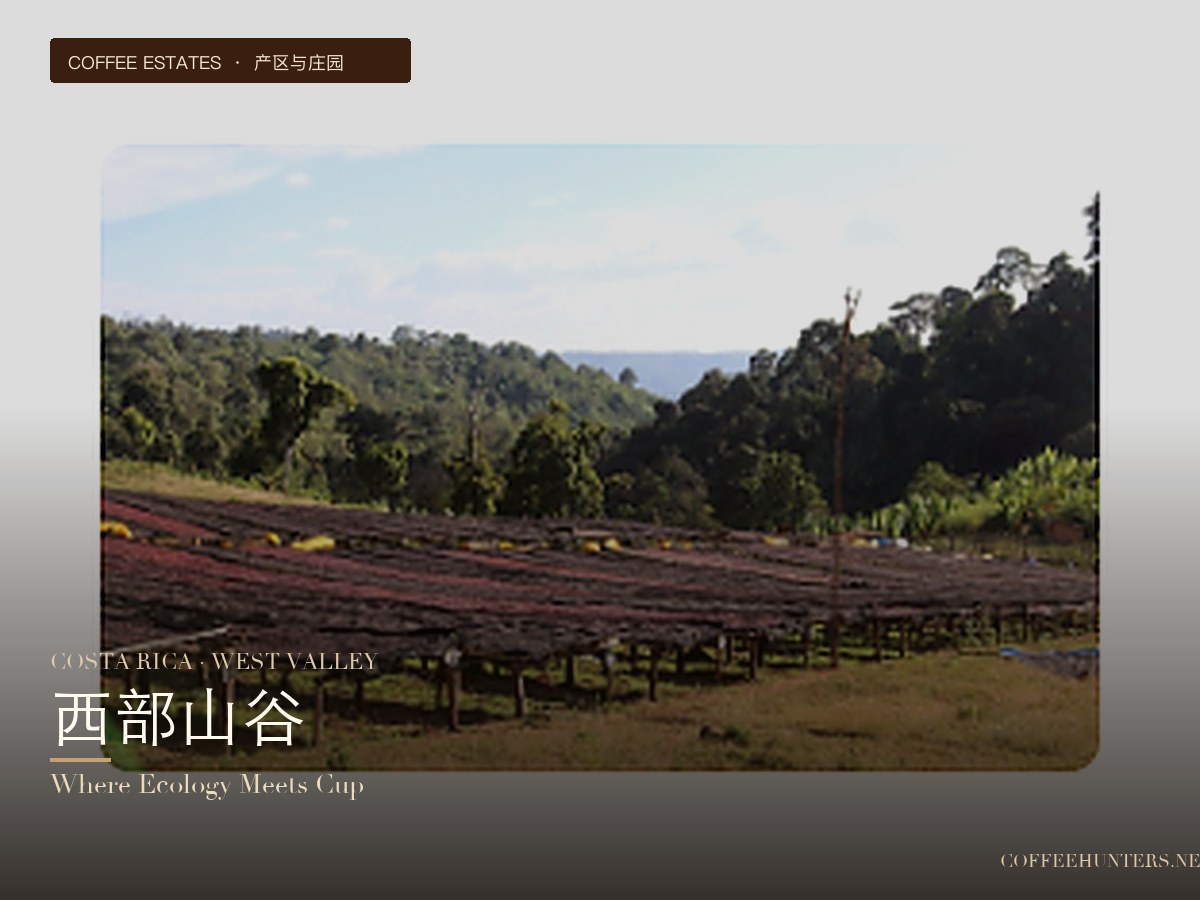
Costa Rica · Western Valley: A Representative of Ecological Specialty
The Western Valley is one of Costa Rica's four major specialty coffee regions, known for its eco-friendly growing philosophy and diverse processing methods. This article introduces the characteristics and signature flavors of this region. [more…]
Honey-Processed Coffee Beans Recommendations: First Consider the Scenario, Then the Flavor and Roast
When choosing coffee beans, start by thinking about your daily drinking scenarios: is it a cup of black coffee in the early morning, or a milk coffee to go with breakfast; do you sip it slowly as pour-over, or brew it quickly with a machine? Different scenarios call for different roast levels, flavor intensity, and brewing methods. Pour-over flavor is mainly determined by origin, variety, and process. [more…]

Pour-Over Single-Origin Coffee Tasting | Which Specialty Arabica Coffees Are Good for Pour-Over? 8 Must-Buy, Affordable, High-Quality Single-Origin Pour-Over Coffee Beans for Beginners
With the rise of third-wave specialty coffee culture in recent years, more and more people have fallen in love with "single-origin coffee." So-called "single-origin coffee" refers to coffee beans from a single growing region, and it usually also means higher-quality coffee; in roasting, adjustments are made to suit the characteristics of the origin and variety, so as to present the coffee in its purest form. [more…]