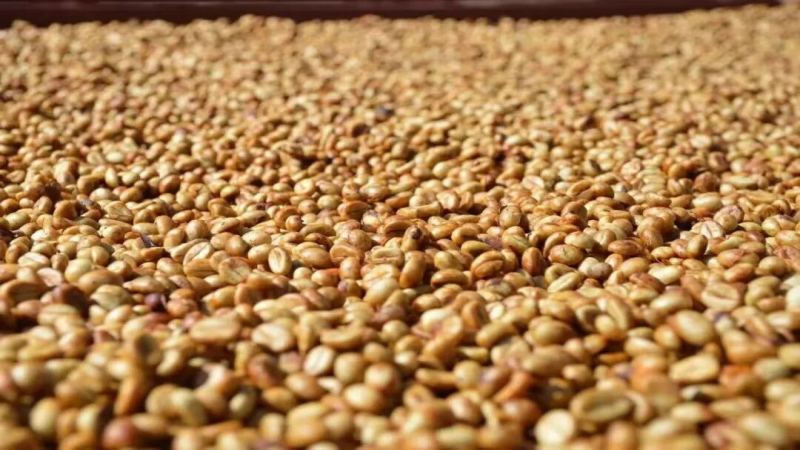
Whenever honey-processed coffee is mentioned, Front Street Coffee believes everyone's first thought is "sweet." Because the vast majority of honey-processed coffees genuinely deliver an outstanding sweetness when tasted, and the word "honey" in honey process easily leads people to associate it with "sweet as honey," so people's association with honey-processed coffee naturally evolves into coffee that is as sweet as honey.But we need to know that the "honey" in honey process has little to do with taste! Because this "honey" is not that honey—it does not describe the processed coffee as having a honey-like sweetness.Honey process is translated from the English "Honey Process," also called "Miel Process." Whether it is Honey or Miel, both translate to mean honey.The term honey process first appeared in Costa Rica, because the sticky layer of pectin wrapping the coffee beans closely resembles the texture of honey, solocals like tocall it“Miel”(honey).Then, because one step in honey processing involves letting the pectin-coated coffee beans dry in the sun, people simply called this processing method "honey process."
The honey process is relatively not too complicated. Itoriginated from Brazil's semi-dry (pulped natural) process
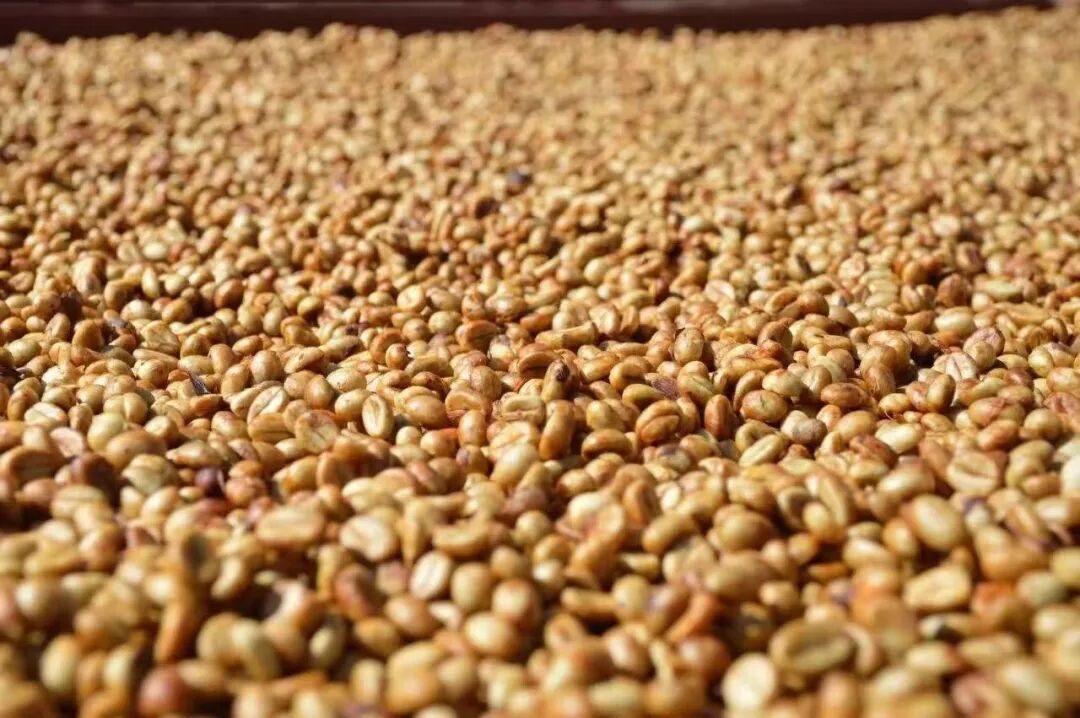
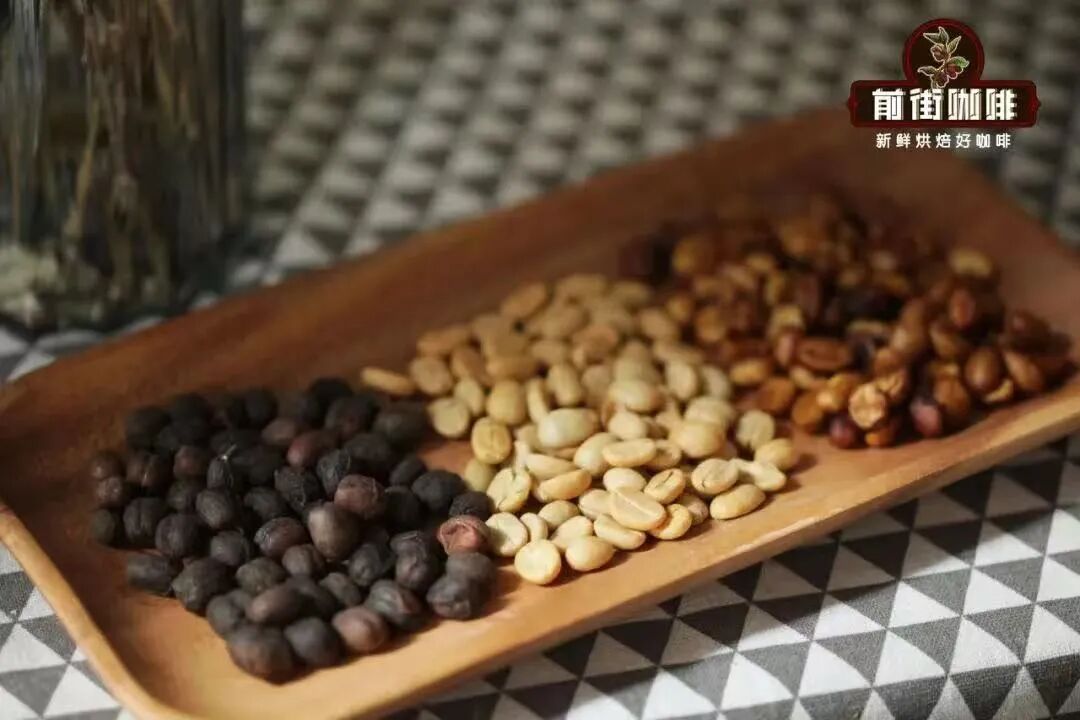
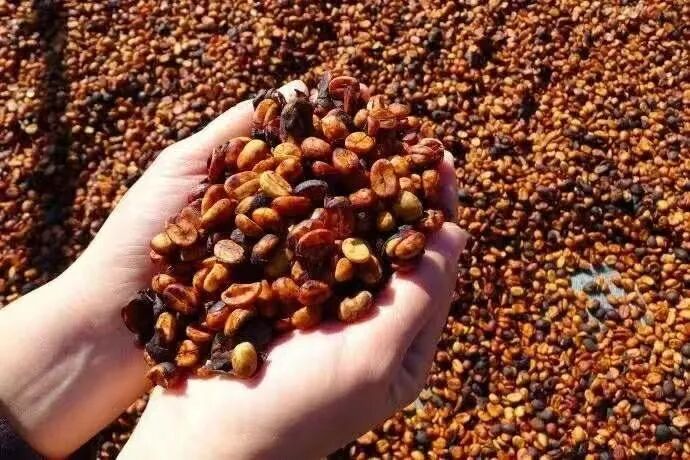
⟧11⟧. First, the harvested coffee cherries undergo floatation to screen out defective cherries and impurities. Then a specialized pulper is used to remove the skin and pulp, keeping the pectin with the coffee beans as they enter the sun-drying process. Once the coffee beans have dried to a certain moisture content, they can be collected for storage, and hulled before export.First, the harvested coffee cherries are floated to screen out defective cherries and impurities. Then a specialized depulper is used to remove the skin and pulp, leaving the mucilage to go through the sun-drying process together with the coffee beans. Once the beans have dried to a certain moisture content, they can be collected and stored, and hulling is carried out before export. Since pectin contains a large amount of sugar, it begins to oxidize once exposed to air, and its color gradually darkens as drying time increases. From the initial yellowish-white, it gradually deepens to golden yellow, yellow, and even red or black! The specific degree of change depends on the amount of pectin retained, and their drying time also varies from 2 to 4 weeks depending on the pectin content.The more intact the pectin retained during the de-pulping stage, the longer the drying time required, and the darker the final pectin color. The familiar white, yellow, red, and black honey processes actually refer to honey processes with different levels of pectin retention. White honey retains the least pectin, yellow and red are next, and black honey retains the most and most intact pectin.Theoretically, black honey processed coffee would be closest to natural (sun-dried) coffee among honey processes, because it retains the most complete pectin and undergoes the deepest fermentation. But interestingly, every producer defines the different colors of honey process differently, because there is no clear standard in the industry to define them. So it easily leads to awkward situations like: what one producer defines as "yellow honey" is defined as "white honey" by another, or "red honey."Besides the conventional white, yellow, red, and black honey processes, there are also some more special honey processes. For example, Front Street Strawberry Candy and Mozart on Front Street Coffee's bean list use a rather unconventional "raisin honey process."The difference between raisin honey process and conventional honey process mainly lies in that before de-pulping, the coffee cherries are first dried in the sun for at least three days! Until the coffee cherries begin to shrivel, then they are de-pulped and de-hulled, and the honey process steps begin.This processing method allows the coffee to develop richer flavor expressions! For example, Front Street Strawberry Candy has complex flavors of strawberry, berries, and raisins, with very high sweetness! In summary, as everyone can see, no matter what kind of honey process it is, its "honey" does not refer to the taste of the coffee, but to the pectin whose form resembles honey~
The above content is compiled by CoffeeHunters, a coffee news website.