







Does honey processed coffee taste like honey?
The word honey in honey processed coffee refers to the sticky mucilage left on the bean after the skin and fruit are removed, not to a honey-like taste. The term comes from Costa Rica, where the Miel process was named for that honey-textured layer, which dries in the sun with the bean still attached.
The mucilage is high in sugar and oxidizes as it dries, shifting from yellowish-white to golden, yellow, red, or black. Those color names, white through black honey, mark how much mucilage stayed on the bean. The raisin honey variant and lots such as Strawberry Candy lean fruity rather than simply sweet.
When many coffee lovers hear the term honey process, the first thing that comes to mind is sweetness—after all, the word "honey" easily conjures up flavors as sweet as honey. But in fact, the "honey" in honey process has no direct relationship with taste; it describes the sticky mucilage layer surrounding the coffee bean, which has a texture very similar to honey. This article will walk you through the origins and processing steps of honey process, explain the differences between white, yellow, red, and black honey, and introduce the special raisin honey process along with the flavor profiles of representative beans like Front Street Coffee Strawberry Candy and Mozart.
When it comes to honey-processed coffee, CoffeeHunters believes most people's first reaction is sweetness. Indeed, the vast majority of honey-processed coffees deliver a noticeable sweetness on the palate, and since the name itself easily evokes the meaning of "sweet as honey," people naturally associate honey process with honey-like high sweetness.
However, it should be clarified that the "honey" in honey process actually has little to do with taste. The honey here is not describing coffee that tastes as sweet as honey. Honey process is translated from the English term Honey Process, also called Miel Process. Both Honey and Miel translate to "honey." This name originated in Costa Rica, because the sticky mucilage attached to the surface of coffee beans has a texture very close to honey, so locals habitually called it Miel.
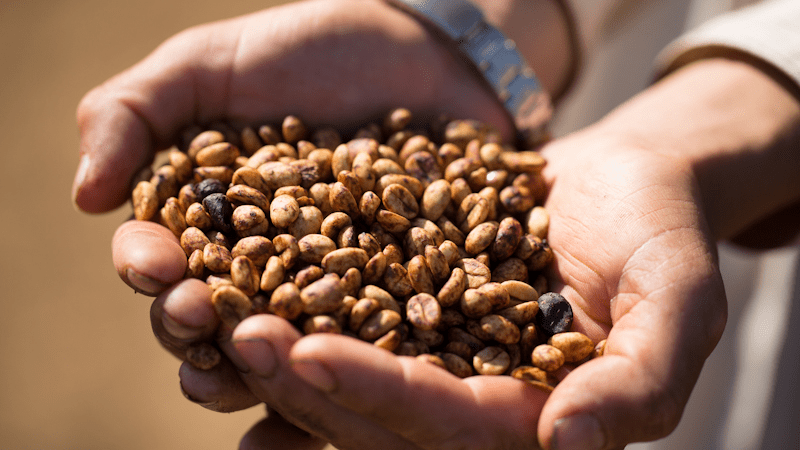
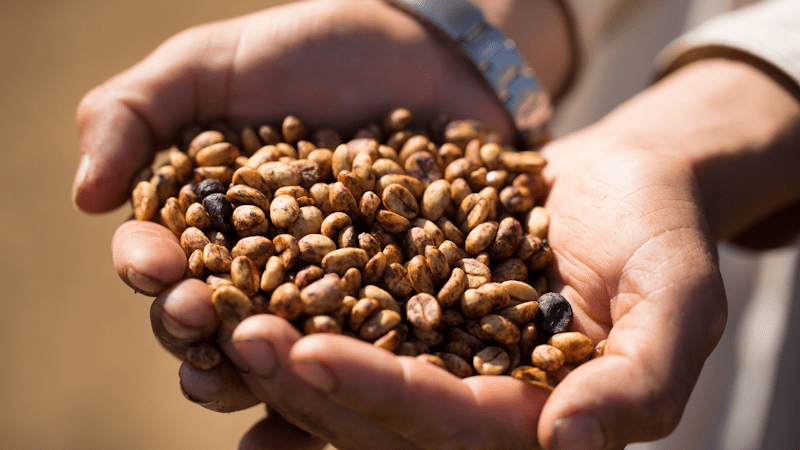
Later, because one step in the honey process involves drying the mucilage together with the coffee beans under the sun, people simply named this processing method honey process. The honey process is actually not particularly complicated; its predecessor is Brazil's semi-washed method. First, the harvested coffee cherries undergo floating selection to remove defective fruits and impurities. Then a specialized depulper removes the skin and flesh, leaving the mucilage and coffee beans to enter the sun-drying stage together. Once the beans have dried to a certain moisture content, they can be stored, and hulled before export.
The mucilage contains a large amount of sugar, which begins to oxidize upon contact with air, and its color gradually darkens as drying time extends. From the initial yellowish-white, it slowly transitions to golden, yellow, and even red or black. The final degree depends on how much mucilage is retained, and the drying time also varies between 2 and 4 weeks depending on the mucilage content.
The more intact the mucilage left during the depulping stage, the longer the drying takes and the darker the final mucilage color. The white, yellow, red, and black honey processes we commonly hear about are actually distinguished by the degree of mucilage retention. White honey retains the least mucilage, yellow and red honey retain progressively more, and black honey retains the most and most complete mucilage.
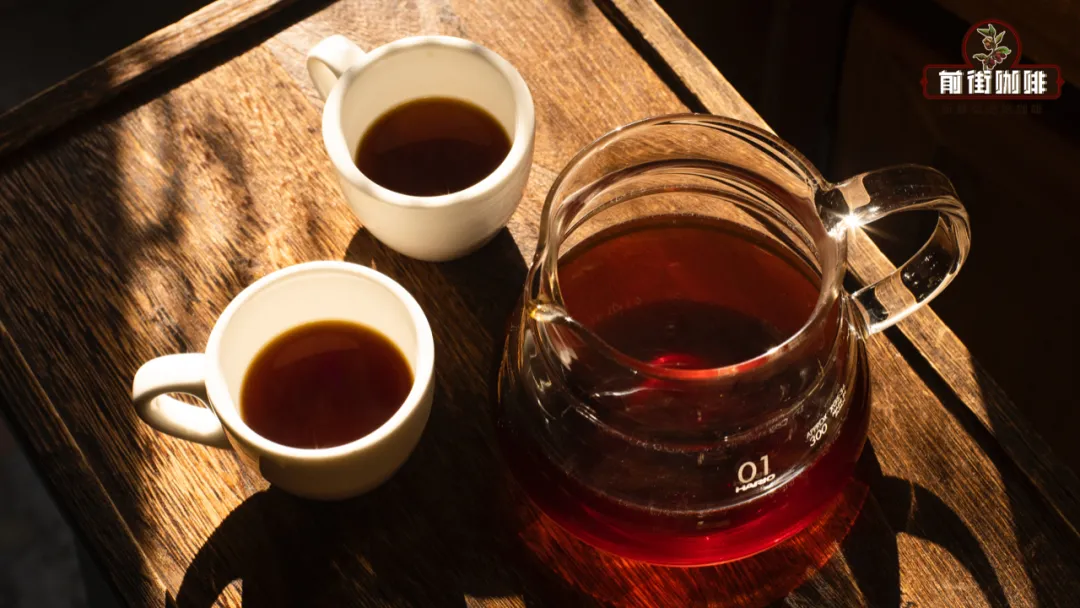
Theoretically, black honey is the honey process closest to natural process, because it retains the most complete mucilage, has the deepest fermentation, and the highest sweetness. Of course, due to the extra steps, the price is slightly higher. A representative black honey coffee is Front Street Coffee Blackberry, a high-altitude single-origin bean from Costa Rica with natural floral and fruity notes, so it is given a medium-light roast and, when brewed, presents flavors of sweet florals, grape, sweet orange, and liqueur chocolate.
Interestingly, different producers define honey process colors inconsistently, and there is no unified industry standard to define them. As a result, it often happens that what one producer calls yellow honey, another might call white honey, or classify as red honey.
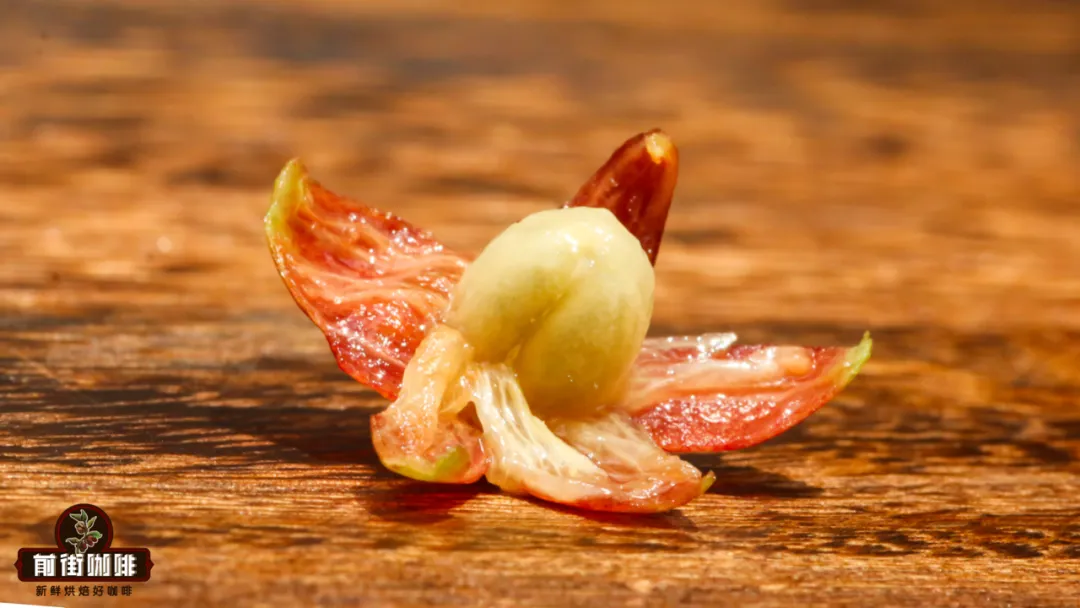
Besides the common white, yellow, red, and black honey processes, there are some more special methods. For example, Front Street Coffee Strawberry Candy and Mozart from the CoffeeHunters bean list use an unusual raisin honey process. The biggest difference between raisin honey process and regular honey process is that before depulping, the coffee cherries are first dried for at least three days, and once the fruits begin to shrivel, they are depulped and hulled and then enter the regular honey process steps.
This method allows the coffee to develop richer layers of flavor. We recommend trying Front Street Coffee Mozart and Front Street Coffee Strawberry Candy; both carry complex flavors of strawberry, berries, and raisin, with very high sweetness. In summary, no matter which honey process is used, the "honey" does not refer to the coffee's taste, but to the mucilage that resembles honey in form.
The above content is compiled by CoffeeHunters, a coffee news website.


