







Search Results for: home-roasted coffee

Home-roasted coffee beans | What are the taste differences between coffee beans of different roast levels? How to roast coffee beans at home? How are green coffee beans turned into coffee?
As coffee has become part of everyone's daily life, it's not hard to learn a lot of new and comprehensive knowledge about coffee from video apps. Besides researching how to brew and how to taste the flavors, many friends have started to take a strong interest in coffee bean roasting. But many of them act on a whim and end up putting their coffee [more…]
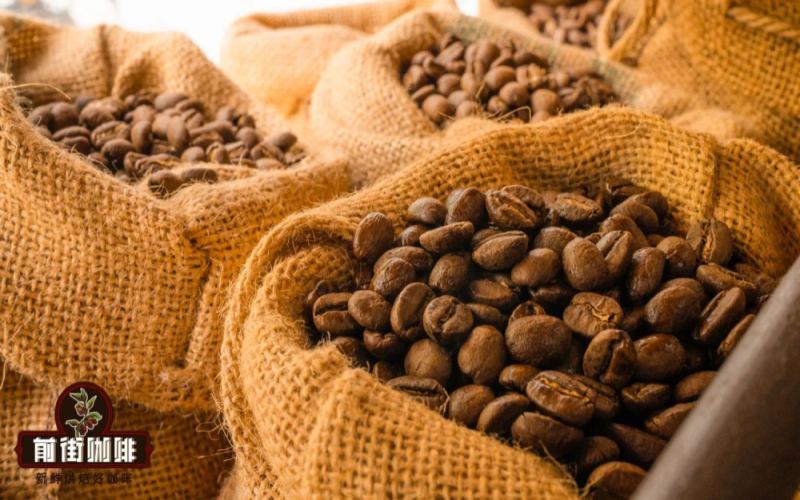
Illustrated Guide to Home-Roasted Coffee Beans | What Is the Relationship Between Coffee Roast Level and Coffee Flavor and Mouthfeel? What Tools Are Needed to Roast Green Coffee Beans at Home?
As coffee has become part of everyone's daily life, it's not hard to learn a lot of new and comprehensive knowledge about coffee from video apps. Besides researching how to brew and how to taste the flavors, many friends have started to take a strong interest in coffee bean roasting. But many of them act on a momentary impulse, and [more…]
Ethiopia Yirgacheffe Konga Wina Cooperative Natural G1 Specialty Beans Flavor Analysis and Origin Story
Yirgacheffe is one of Ethiopia's most representative specialty coffee regions, and the natural-process lot from the Konga Cooperative is especially renowned for its rich fruity aromas. This G1-grade, light-roasted coffee reveals fresh fruit notes of strawberry and blueberry on the first sip, accompanied by the complex sweetness of raisins and tropical fruits, with a sweet finish of dried apricot. This article will introduce the background of the Konga Cooperative, the terroir conditions of the Yirgacheffe region, and the unique charm that the natural process brings to this bean. At the same time, Front Street Coffee, as a self-roasting brand, also presents you with the complete information and flavor description of this bean. [more…]
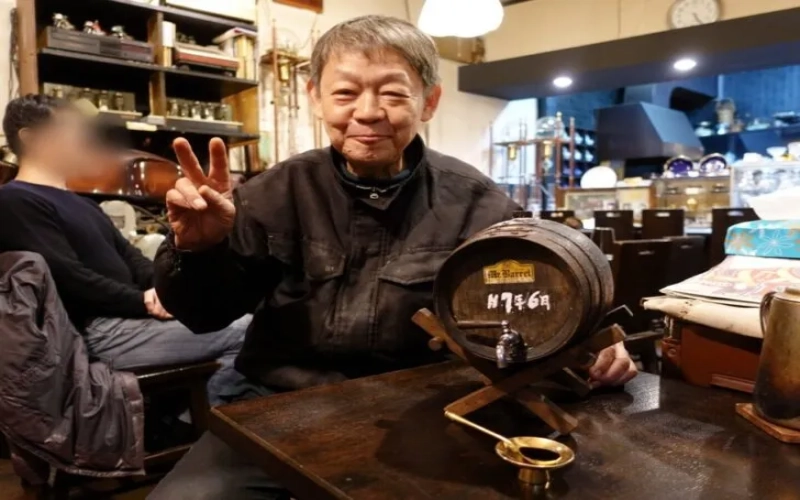
Unveiling Japan's Most Expensive Coffee: Aged 35 Years in Wooden Barrels, the Masterpiece of Mr. Tanaka's Dedication in Yao, Osaka
What is the most expensive coffee you've ever had? In Yao City, Osaka, there's a self-roasting shop called "The Münch," selling the most expensive coffee in all of Japan—the "Phantom Creation" low-temperature, long-term aged coffee. This coffee is made from aged beans stored for 15-30 years, deeply roasted, brewed with a flannel drip to create a 1:1 super-concentrated extract, then placed into special coffee wooden barrels and aged in a -3°C cold storage for 20-30 years. By that calculation, even the youngest coffee in the barrel has gone through 35 springs and autumns. 40ml sells for 100,000 yen, with a tasting price of 2,000 yen. What exactly does it taste like? And what kind of persistent shop owner stands behind it? Let's step together into Mr. Tanaka's world of coffee. [more…]
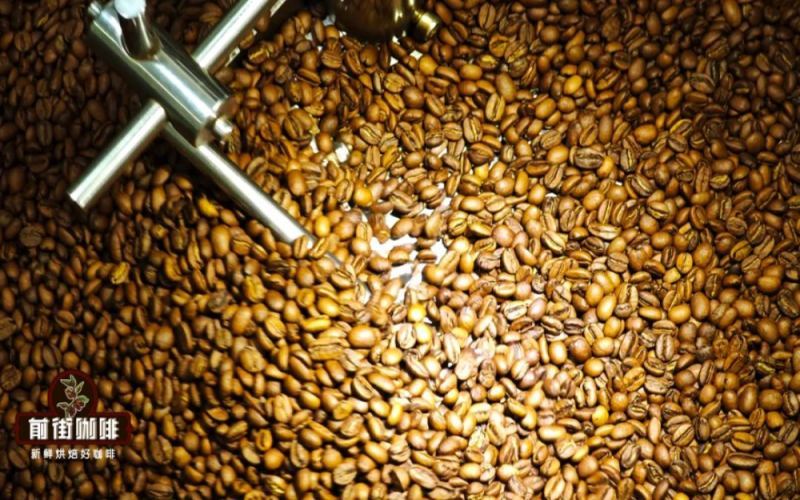
How long does it take to roast green coffee beans? A complete experiment of roasting coffee at home with a frying pan without a roaster
How long does it actually take for green coffee beans to go from hitting the pan to being roasted? In order to hear the sound of "first crack" with his own ears, Front Street Coffee deliberately conducted three rounds of home-roasting experiments using a frying pan and an open flame on a stove, testing the performance of naturally processed Santa Vini and washed Kafa Forest under different heat levels. The article records the time points for each batch of beans' color change, silver skin shedding, and the appearance of cracking sounds, as well as the final cupping flavor differences, while also sharing practical experience on how to judge heat level and the timing for taking the beans out when there is no professional coffee roaster. [more…]

Specialty Coffee | Why Are Light and Medium Roast Coffee Beans So Popular? Is Dark Roast Coffee Good? What's the Difference Between Dark Roast and Medium Roast Coffee?
Mainstream Third Wave Specialty Coffee Nowadays, cafes often emphasize that they serve "specialty coffee." What exactly is "specialty coffee"? Why is it that among the home-roasting businesses blooming like wildflowers, over ninety percent choose the so-called light-to-medium roast to interpret the flavors of green coffee beans? Just pay a little attention to coffee-related articles. [more…]

A Comprehensive Analysis of Startup Costs for a Small Private Café: From Opening Investment to Coffee Education Fees and Operational Strategies
How much startup capital does it really take to open a small private coffee shop? And how much does it cost to learn coffee-making? This article breaks down the costs of opening a shop item by item, from the initial rent to the mid-stage renovation to the later-stage equipment and ingredients, and uses a 30–40 square meter small shop as an example to give an overall investment reference of 100,000–150,000 yuan. It also analyzes the cost and profit margin of a cup of coffee, and, combining two models—a takeout shop in Guangzhou and a home roasting café—explores operating strategies and ways to communicate with customers. Finally, it introduces the price range of coffee-learning courses. Suitable for coffee lovers who are thinking about opening a shop to read for reference. [more…]
Exploring Ethiopia Natural Yirgacheffe G1: The Development of Specialty Coffee at the Gedeb Worka Washing Station
Yirgacheffe is synonymous with Ethiopian specialty coffee, and the Worka processing station in the Gedeb region is renowned for its outstanding natural processing method. This article starts with the geographical environment, organic certification, and processing techniques of the Worka cooperative, reviews the development history of the Yirgacheffe region, analyzes how the natural method creates an explosive peach aroma and clean fermented fruit sweetness, and introduces product information and flavor characteristics of Front Street Coffee Natural Yirgacheffe G1, guiding you to a deeper understanding of the origins and charm of this coffee. [more…]
Ethiopian Washed Yirgacheffe Aricha G1 Coffee Beans: Grade Classification, Flavor Characteristics, and Pour-Over Parameters Explained
Yirgacheffe is one of Ethiopia's most iconic specialty coffee regions, and the Aricha G1 washed lot stands out as one of its finest examples. This article begins with green bean processing methods and grade classification, systematically outlining the grading logic under SCAA standards for the two major categories of washed and natural, and focusing on the origin background, processing station information, and Project Origin's sourcing philosophy behind Aricha G1. We will also share a proven pour-over brewing recipe, along with Front Street Coffee's product parameters, to help coffee enthusiasts fully understand the flavor origins and brewing key points of this bean. [more…]
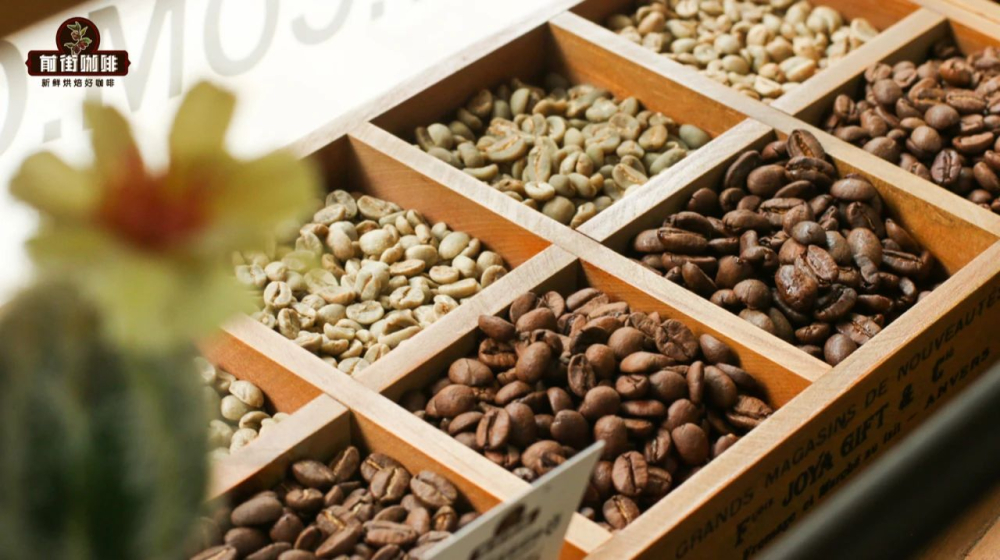
Home Coffee Roasting | How Can Coffee Beginners Learn to Roast Coffee Beans? A Comparison Table of Eight Different Roast Levels and Their Flavor and Taste Differences
I believe many of you not only enjoy drinking coffee but have also developed an interest in coffee roasting. While surfing the internet, Front Street Coffee often sees people sharing their home coffee roasting process on social media. However, we also notice that some [more…]
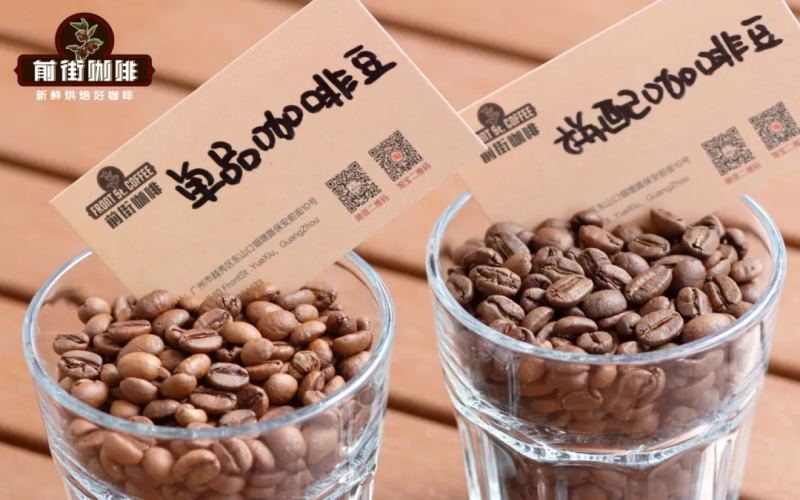
Everyday Coffee Beans for Home | What coffee beans are suitable for hand grinding? What single-origin pour-over beans with mild acidity and a sweet aftertaste are recommended?
When you want to buy coffee beans, do you ever feel overwhelmed by a dazzling list of beans? When you go to a coffee shop that roasts its own beans, do you ever feel torn by the dazzling array of coffee beans? No worries! Just remember these few points, and you can easily choose the coffee beans that suit you! "Choose coffee according to your brewing method. [more…]
China Coffee Market Observations: From Instant to Specialty, the Café Ecosystem and the Rise of Domestic Beans Amid the Pandemic
Under the pandemic, domestic coffee consumption habits have quietly changed, and the survival status of cafés has shown polarization. On one hand, chain brands are accelerating their expansion and staking out territory; on the other, independent shops are retaining loyal customers through distinctive flavors. From an average of 3 cups per person per year to the growth of the middle class, from the leap in the quality of Yunnan beans to meticulous experiments with processing methods, Chinese coffee is undergoing a critical period from quantitative change to qualitative change. This article sorts through market data, brand trends, and progress in producing areas, while also comparing the evolution path of coffee in Taiwan, and brings product recommendations from Front Street Coffee, presenting a complete industry picture for enthusiasts. [more…]

Indonesian Coffee Beans Flavor and Producing Region Analysis: Mandheling Varieties, Wet-Hulling Processing, and Pour-Over Parameters
Indonesia is one of the earliest regions in Asia to cultivate coffee, and its coffee development has gone through the decline of Typica, the introduction of Robusta, and the rise of Timor hybrid varieties. Sumatra's Mandheling, with its unique wet-hulling process, presents herbal, spicy notes and a full body. This article systematically analyzes the core characteristics of Indonesian coffee, from historical context, regional terroir, and variety evolution to brewing parameters. Front Street Coffee's Lintong Mandheling everyday beans and Golden Mandheling both come from Sumatra, use wet-hulling processing, are medium-dark roasted, and are suitable for home pour-over brewing. [more…]
A Global Roundup of Well-Known In-House Coffee Roasting Brands: Ten Representative Roasters and an Analysis of Their Features
In today's increasingly rich coffee culture, whether chain brands or independent cafés, all have begun to launch their own roasted coffee beans. This article reviews ten of the most representative in-house roasting coffee brands worldwide, covering China, Germany, New Zealand, Japan, South Korea, Spain, Italy, Norway, Sweden, and the United Kingdom. From Guangzhou's time-honored Front Street Coffee to Gardelli, a frequent winner at world roasting competitions, each brand has its own unique roasting philosophy and sourcing standards. The article provides detailed introductions to each brand's founding time, origin characteristics, roasting style, and signature products, helping coffee enthusiasts understand the advantages of different brands and directions for purchasing. [more…]
A Complete Guide to Yunnan Pour-Over Coffee Parameters: Flavor Differences and Brewing Techniques for Sun-Dried Typica and Baoshan Washed Beans
Yunnan coffee has garnered much attention in recent years, but how to showcase its best flavors through pour-over still requires careful adjustment of various parameters. This article takes Front Street 2013 sun-dried Typica as an example, breaking down everything from bean variety characteristics and processing method differences to grind size, water temperature, and pouring schemes one by one, comparing the flavor directions of sun-dried and washed Yunnan beans, and sharing the practical details of three-stage pouring. Whether you are a beginner just getting into pour-over or an enthusiast looking to refine your skills, you can find a reusable brewing framework and parameter logic here. [more…]
How Does the SCAA Define Specialty Coffee? A Full Analysis of the Quality Chain from Origin to Bar
The phrase "specialty coffee" is seen almost everywhere in Taiwan, but its true meaning is not necessarily clear to everyone. The definition given by the Specialty Coffee Association of America (SCAA) does not focus solely on green bean quality or brewing methods, but instead looks at the entire industry chain—from farmers, green bean traders, roasters, and baristas all the way to consumers, every link plays an indispensable role. This article will comprehensively sort out the SCAA's official interpretation of specialty coffee, guiding you to understand every person who quietly contributes along this quality chain, and also to rethink the true value behind a good cup of coffee. [more…]
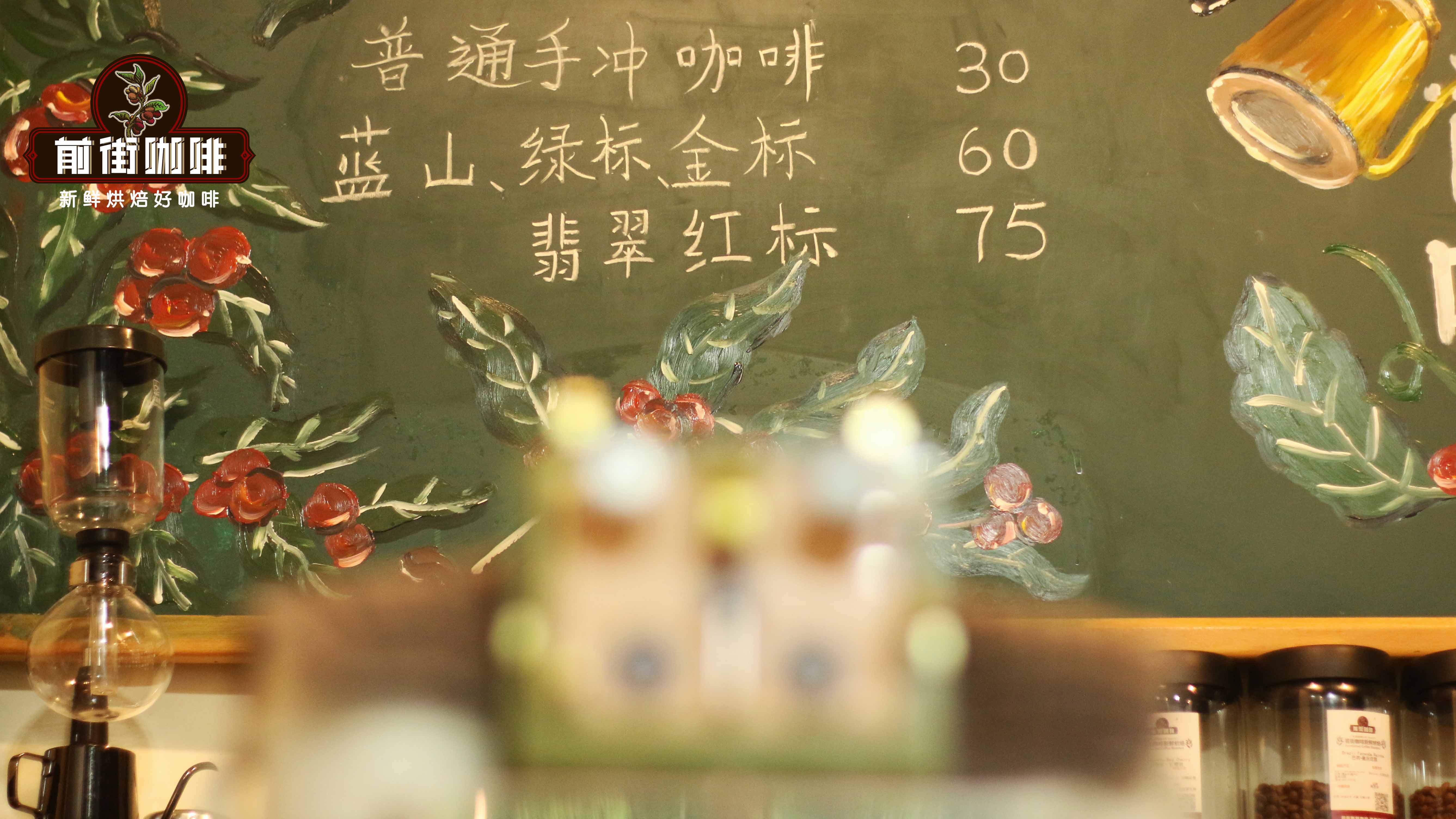
A Complete Guide to Arabica Coffee Varieties: Comparing Major Origins and Flavors of Typica, Bourbon, Caturra, and More
In the world of specialty coffee, Arabica beans are the absolute protagonist. But did you know that under this species, there are many subdivisions such as Typica, Bourbon, Caturra, Catuai, and Geisha? Each has its own origin story, flavor characteristics, and suitable growing environment. Front Street Coffee has long been deeply involved in various producing regions, building a variety flavor database through cupping and roasting practice, hoping to use an easy-to-understand way to introduce you to the rich landscape of the Arabica family. This article will start with the legend of coffee's origin, compare the pros and cons of Arabica and Robusta, then explain in detail representative varieties such as Typica, Bourbon, Caturra, Catuai, Geisha, Kona, and SL28/SL34 one by one, and include Front Street Coffee's roasting curves and brewing suggestions, so you can understand the variety lineage and flavor differences of Arabica coffee all at once. [more…]

Pros and Cons of Drip Bag Coffee | How to Brew Jamaican Blue Mountain No. 1 Drip Coffee Bags? What Are the Wrong Ways to Brew Filter Coffee Bags?
For more specialty coffee knowledge, please follow the WeChat official account: Front Street Coffee (FrontStreet Coffee). Drip bag coffee is loved by coffee enthusiasts for its convenience, so many novice coffee lovers who have just started using drip bag coffee ask Front Street Coffee (FrontSt [more…]
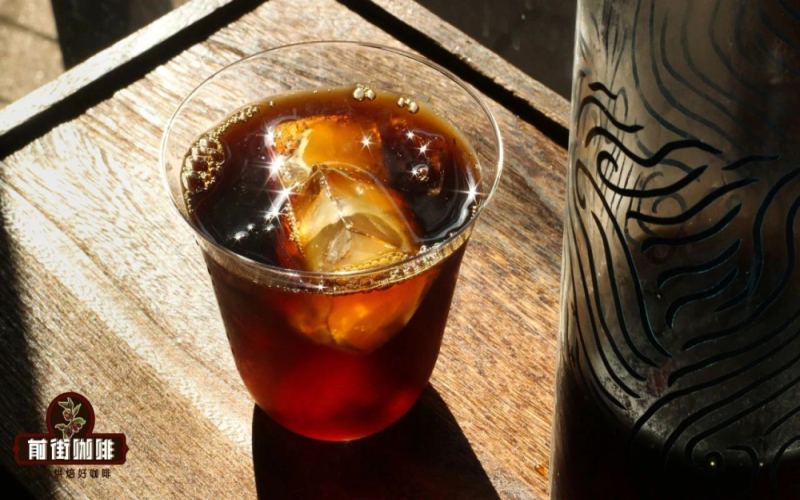
What Type of Coffee Does Cold Drip Coffee Belong To? A Detailed Explanation of the Preparation Steps and Its Flavor Differences from Cold Brew Coffee
As temperatures gradually rise, cold beverages enter their peak sales season, and cafés are putting all kinds of iced coffee on their menus, including Americano, cold brew, and the rather time-consuming ice drip coffee. Many consumers wonder why ice drip coffee is often priced considerably higher than ordinary iced coffee. In this article, Front Street Coffee will explain ice drip coffee's category classification, extraction principles, complete brewing process, and how it differs in flavor from cold brew coffee, while also introducing ice drip coffee's storage advantages and the people it suits, to help coffee lovers gain a comprehensive understanding of this slow-crafted coffee category. [more…]
A Complete Guide to the World's Twelve Great Specialty Coffee Regions: The Flavor Geography from Colombia to India
The flavor code of coffee is often hidden in the land where it grows. From the Andes in South America to the highlands of Africa, from the Caribbean islands to the archipelagos of Asia, each producing region shapes an unrepeatable landscape in the cup through its unique climate, altitude, and processing methods. This article will take you on a visit to twelve globally recognized high-quality coffee origins—Colombia's balanced smoothness, Ethiopia's wild wine-like aroma, Jamaica Blue Mountain's scarce legend, Yemen Mocha's complexity and variability, as well as the distinctive personalities of Kenya, Indonesia, Hawaii, and other places. Whether you are a beginner pour-over enthusiast or a seasoned player looking for your next bag of beans, this origin guide can help you build a clearer flavor coordinate system. Front Street Coffee will also accompany you in understanding the origins while finding the cup that suits you. [more…]