






How do Yunnan pour-over coffee parameters change with processing?
Pour-over Yunnan coffee needs different settings for sun-dried and washed beans. Front Street 2013 Sun-Dried Typica, a fully ripe cherry natural from Lincang, calls for a coarser grind and slightly lower water temperature so the fruit sweetness stays clean. Washed Baoshan beans take a finer grind and a faster three-stage pour to keep acidity bright. Dose, ratio, temperature, grind, pour pattern, and total time all interact, so adjust one variable at a time.
Lincang's vertical climate, Indian Ocean moisture, distinct wet and dry seasons, and long sunshine suit Arabica. Front Street began planting coffee trees there in 2013 and handled site selection, seedlings, harvest, processing, and roasting in-house, building practical knowledge of varieties, altitudes, and methods. That background explains why the same region can taste so different once processing separates sun-dried fruit from washed clarity.
Yunnan coffee has drawn considerable attention in recent years, but how to showcase its best flavors through pour-over still requires careful adjustment of various parameters. This article takes Front Street 2013 Sun-Dried Typica as an example, breaking down everything from bean variety characteristics and processing method differences to grind size, water temperature, and pouring scheme, comparing the flavor direction of sun-dried and washed Yunnan beans, and sharing the practical details of three-stage pouring. Whether you are a beginner just getting into pour-over or an enthusiast looking to refine your skills, you can find a reusable brewing framework and parameter logic here.
Pour-over coffee involves quite a few variables—dose, coffee-to-water ratio, grind size, water temperature, pouring technique, total brew time, and more all affect the final taste. To brew an ideal cup, you need to understand how these parameters work together. Before finalizing a brewing plan for any bean, Front Street makes a habit of first understanding its variety and processing characteristics. Below, we use Front Street's own Yunnan sun-dried Typica "Front Street 2013 Coffee Beans" as an example to discuss how to handle each parameter and bring out the best in the coffee.
What's the difference in taste between sun-dried and washed Yunnan coffee?
Sun-dried and washed are currently the two most common natural processing methods. Front Street's Yunnan coffee lineup covers both, and this Front Street 2013 coffee bean follows the fully ripe cherry sun-dried route. Back when Front Street was exploring coffee knowledge years ago, the idea of growing coffee took root, and in 2013 they went to Lincang, Yunnan, to start planting coffee trees. From site selection, seed selection, seedling cultivation, planting, harvesting, processing, to roasting—all done personally by Front Street staff—they accumulated substantial hands-on experience with varieties, altitudes, and processing methods.
Lincang, Yunnan is influenced by the Indian Ocean warm moist air currents and the southwest monsoon, with blurred boundaries between seasons but distinct dry and wet seasons, abundant rainfall, long sunshine hours, and short frost periods—some areas even frost-free year-round. Its pronounced vertical climate characteristics are very favorable for Arabica coffee cultivation. What we commonly call "Yunnan small bean" is actually to distinguish it from the medium-bean Robusta variety grown in Hainan. Robusta typically has a heavy burnt bitterness and is less popular than Arabica. Currently, the Arabica widely planted in Yunnan is mainly Catimor.
Front Street specifically chose the most original Typica variety. Typica has an elegant, pure flavor, but is also notoriously low-yielding and poor in stress resistance, so Front Street invested considerable effort in cultivation management. After five to six years of cultivation, the first harvest finally came in 2020, processed using the sun-dried method and named "Front Street 2013."
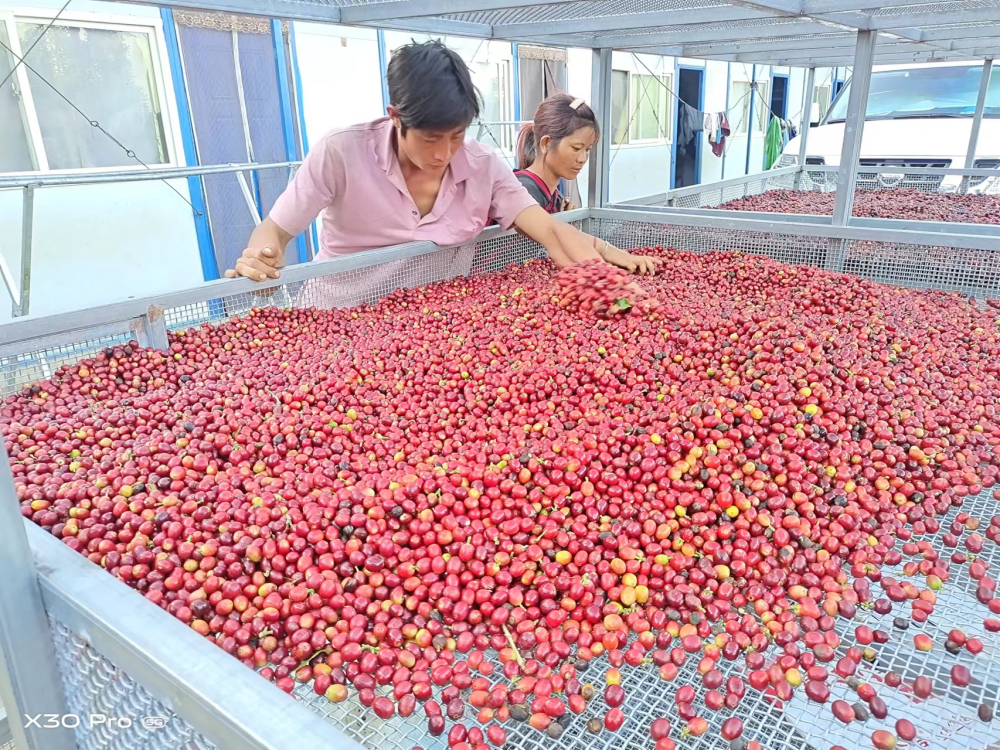
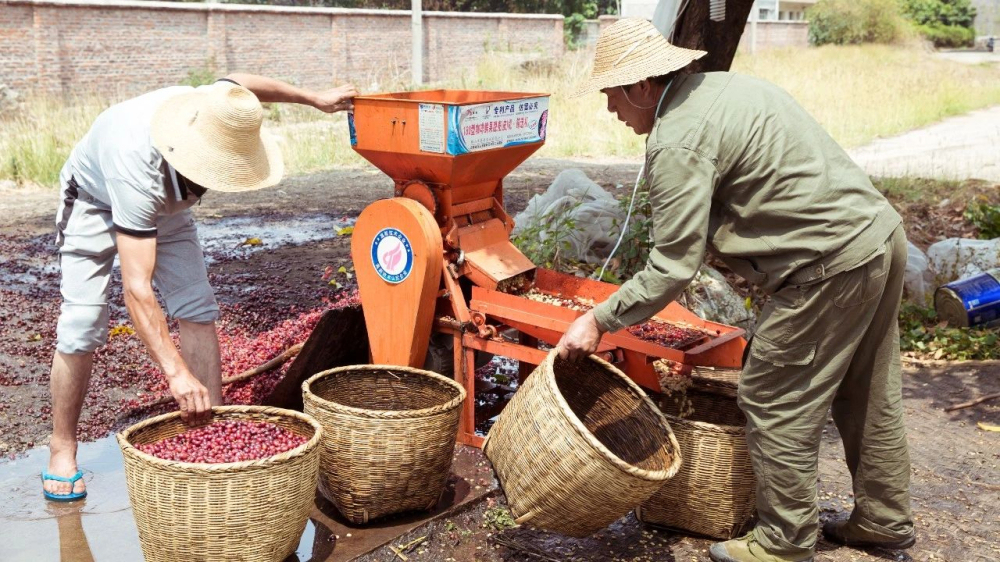
Sun-dried is the oldest processing method—simply put, it means drying directly in the sun, then hulling to extract the beans. Sun-drying typically depends on the weather, with a drying cycle that can last up to four weeks, completed when the coffee cherries turn dark purple and moisture content drops to around 11%. Then machines remove the dried pulp, skin, and mucilage. Front Street picks red coffee cherries one by one, spreads the fresh fruit flat under sunlight for natural drying, turning them periodically to ensure even dehydration. If the weather is unfavorable, equipment-assisted drying is used instead.
Another Front Street Yunnan everyday bean is the washed Catimor from the Baoshan region. Front Street believes that washed processing reduces the defect rate of Yunnan coffee, makes quality more consistent, and takes the bean's cleanliness to the next level.
Front Street finds that Yunnan coffee follows a balanced, harmonious flavor profile, presenting acidity, sweetness, and bitterness all at once, so all Front Street home-roasted Yunnan beans use a medium roast. Through cupping, the washed Yunnan Baoshan small-bean everyday coffee shows flavors of nuts, herbs, sweet potato, melon, brown sugar, cream, plum, and caramel, with a mellow mouthfeel. The sun-dried Typica, on the other hand, presents a fuller fermented quality, medium-high body, clear mouthfeel, with a black tea finish and rich layering.
Pour-Over Preparation
Before brewing, the following equipment is needed: pouring kettle, dripper, server, grinder, filter paper, electronic scale, thermometer.
The dripper and filter paper are responsible for catching coffee grounds while absorbing some oils, making the mouthfeel cleaner. Front Street Coffee (FrontStreet Coffee) stores daily use Hario V60 and KONO drippers—V60 mainly for lighter-roasted beans, KONO for darker-roasted beans.
The electronic scale is used to weigh coffee beans and poured water. Only when every parameter is quantified can it be replicated and consistent output guaranteed. The same goes for the thermometer—before every pour, confirm the water temperature falls within the appropriate range. When brewing lighter-roasted beans with V60, choose 90 to 92°C; for darker-roasted beans, use 88 to 89°C.
The grinder is equally critical—the coarseness of the coffee grounds directly influences the taste of a pour-over. Too coarse and extraction is insufficient, resulting in a weak flavor; too fine and over-extraction brings bitterness. When adjusting grind size, Front Street uses a Chinese No. 20 0.85mm standard sieve. Medium-light roasted beans typically target a 75–80% pass-through rate, while medium-dark roasted beans are controlled at 70–75%.
Brewing Parameter Recommendations
Front Street's flavor descriptions for every bean are based on the freshly roasted state. If beans are stored for more than two months, much of the aroma has likely dissipated and is hard to reproduce during brewing. Front Street understands the importance of freshness, so they only ship coffee beans within 5 days of roasting, so you can catch the optimal tasting window upon receipt.
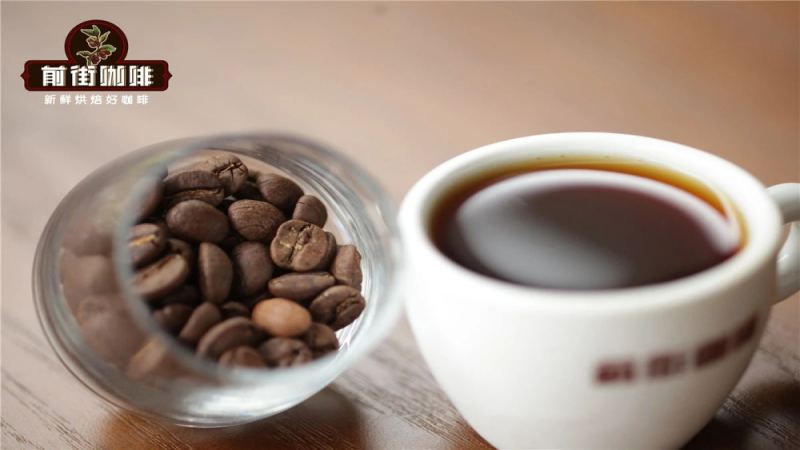
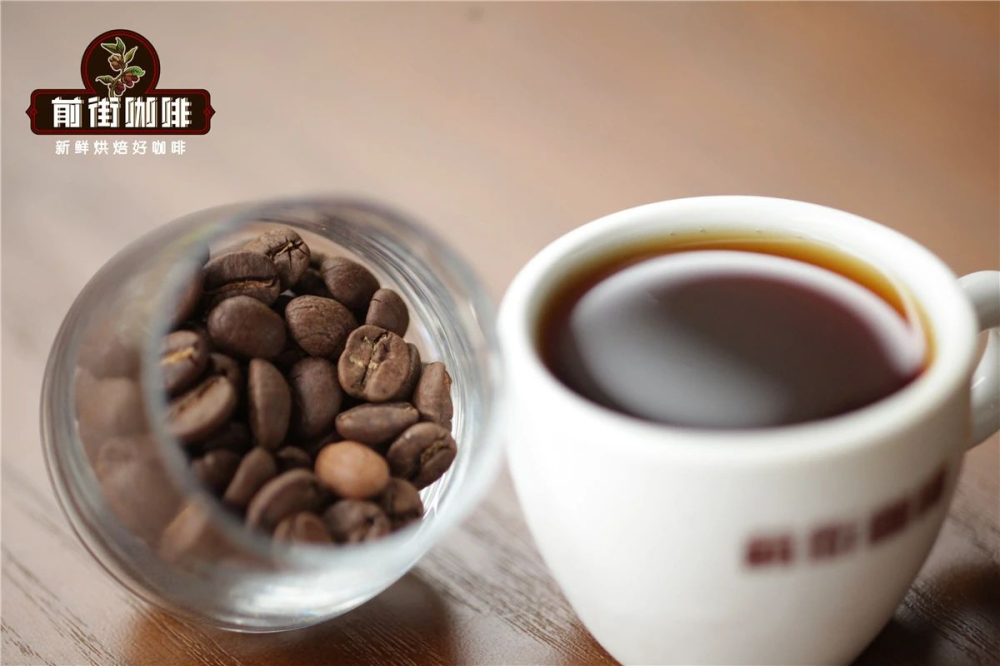
This sun-dried Typica uses a medium roast, with a flavor profile that balances acidity, sweetness, bitterness, and sweetness, but overall leans toward the rich, full-bodied notes of nuts and chocolate. The darker roast makes the bean structure more porous and the grounds more absorbent, so a medium grind is chosen. To avoid extracting too many off-flavors, Front Street uses a medium water temperature of 90°C with a KONO dripper for extraction. Unlike the V60, the KONO dripper's only venting area is that quarter of ribbing. When the water level rises past the ribs, the water volume inside the dripper continues to increase, adding pressure through the weight of the water. Combined with a relatively small outlet, this extends the contact time between coffee particles and water, more effectively drawing out soluble substances as water is poured, thereby enhancing the rich, full-bodied mouthfeel.
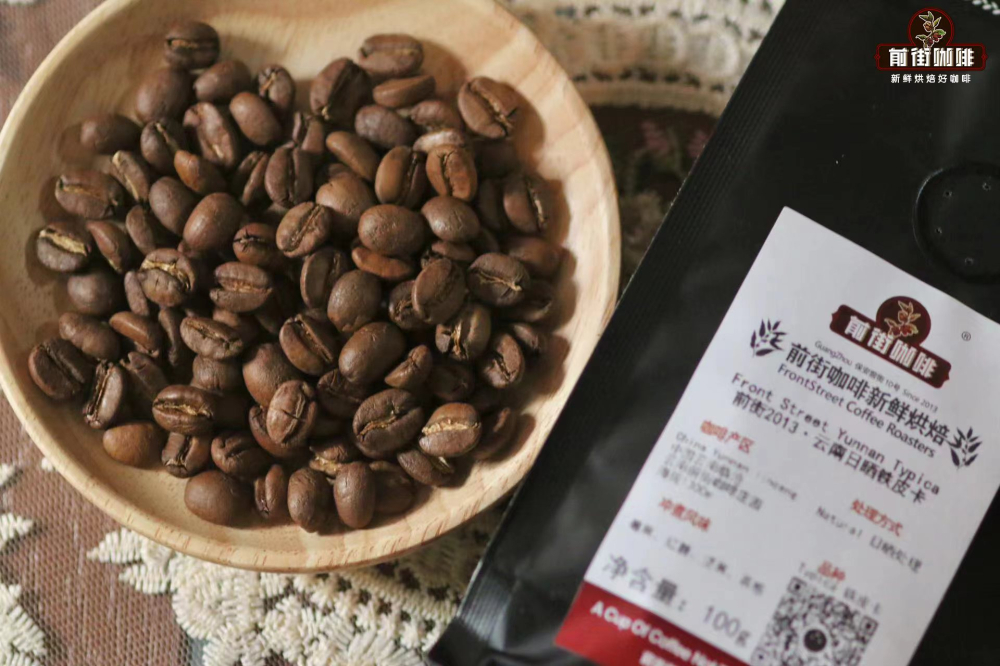
Compared to light-roasted beans, the medium-roasted sun-dried Typica has a more porous internal structure, absorbs water better, and more easily releases bitter large molecules. To avoid over-extraction, Front Street chooses a coarseness with a 75% pass-through rate on a No. 20 standard sieve. In-store, using an EK43s grinder, the setting is 10.5.
Water temperature works similarly to grind size—the higher the temperature, the higher the extraction efficiency, the easier various compounds are released, and the higher the concentration. Brewing with near-boiling water easily brings out unpleasant bitter compounds. Therefore, when brewing medium-dark roasted beans, Front Street uses different parameters than for light-roasted beans. Medium-dark roasted beans have undergone more complete caramelization and more easily release bitter large molecules. To avoid excessive off-flavors, Front Street appropriately lowers the water temperature—91–93°C for light-roasted beans, 87–90°C for medium-dark roasted beans.
Dripper: KONO dripper
Water temperature: 90°C
Grind size: No. 20 standard sieve 75% pass-through rate, EK43s setting 10.5
Coffee-to-water ratio: 1:15
Dose: 15 grams
Based on past brewing experience, Front Street recommends that beginners use three-stage pouring. Three-stage extraction helps more fully dissolve flavor compounds, adds layers to the mouthfeel, and avoids over-extraction from steeping too long. With 15 grams of coffee and a 1:15 ratio, total water is 225ml. The three stages are: 30ml, 95ml, 100ml—shown on the scale as 30g, 125g, 225g.
First, place the folded filter paper into the dripper to fit, and wet it with water to make it adhere better. Prepare hot water and a thermometer, then pour 15 grams of ground coffee into the dripper and tare the scale.
For the first stage, pour 30g of water and bloom for 30 seconds, starting the timer as you pour. Use a slow stream from the center point, circling outward, making sure to wet the entire coffee bed.
After 30 seconds, using a slightly stronger steady stream, pour the second stage of 95g. The goal is to raise the entire coffee bed. The stream should be poured vertically and evenly. At this point the scale reads 125g, and the pour takes about 55 seconds.
When the liquid level drops to the halfway point, begin the third stage, pouring 100g in a slow stream with small circles. Try to keep the stream from being too strong, to avoid disturbing the coffee bed and causing under-extraction. Final total water is 225g, and the drip completes in about 2 minutes. After removing the dripper, swirl the coffee in the server to mix evenly, and it's ready to taste.
The water amount for each stage is not fixed—you can adjust flexibly based on your accumulated experience and understanding of the bean. Front Street understands coffee brewing as an experiment with a scientific foundation. To learn pour-over well, you need to deeply understand the meaning behind each parameter. Only then can you find an experimental method and build a brewing framework that suits you.
The above content is compiled by CoffeeHunters, a coffee news website.


