







Search Results for: high-mountain bean flavor
A Comprehensive Analysis of the Origin, Varieties, and Flavor Characteristics of Yunnan High-Mountain Arabica Small-Bean Coffee
As the core coffee-producing region in China, Yunnan has gradually transformed from a supplier of raw materials for instant coffee into an emerging force in specialty coffee in recent years. This article systematically reviews the century-long cultivation history of Yunnan coffee, the distribution of major producing regions, variety characteristics, and the unique flavor profile of Baoshan small-bean coffee. At the same time, drawing on Front Street Coffee's brewing experience, it provides a detailed introduction to the exclusive estate story of Yunnan sun-dried Typica coffee, as well as how to fully showcase Yunnan coffee's balanced and harmonious character through hand-brewing parameter adjustments. Whether you are a beginner just getting to know Yunnan beans or an enthusiast who wants to gain a deeper understanding of domestic specialty coffee, you can gain practical origin knowledge and brewing references from it. [more…]
Guatemala Huehuetenango Black Angel Estate: An Analysis of Enzymatic Slow-Dry Catuai SHB Coffee
Black Angel Estate is located on the Huehuetenango highlands in northern Guatemala, adjacent to the Mexican border, and has practiced natural farming principles since its founding in 1965. The estate uses coffee husks to make organic compost, and relies on volcanic limestone soil and a high-mountain irrigation system to create a unique growing environment. Fully ripe Catuai varietals can reach a sugar content of over 22 Brix under strict harvesting standards, and are meticulously produced through multiple processes including aerobic fermentation, tank fermentation, and slow drying. Front Street Coffee recommends this washed coffee, which presents a complex flavor profile of green tea, whiskey, elderflower, and nectarine preserve, with rich layers and a captivating fermented wine aroma. This article will provide a comprehensive analysis of Black Angel Estate's cultivation philosophy, processing techniques, and flavor characteristics. [more…]
Exploring Panama's Hartmann Estate: From Forest Conservation to the Unique Flavors of Natural Geisha
Hacienda Hartmann is one of the oldest coffee farms in the Volcan region of Panama and a coffee family of distinguished reputation. Since old Hartmann established the estate in 1940, he has upheld a philosophy of respecting nature, preserving large areas of primary forest, and making the estate a model of cooperation for bird conservation and academic research. The estate is located in the Baru Volcano region, with fertile volcanic soil and a high-mountain microclimate, and grows many bean varieties; in recent years it has become even more active in planting Geisha. This article introduces the history and current situation of Hacienda Hartmann and the flavor characteristics of its natural-process Geisha coffee beans, taking you to appreciate the unique charm of this coffee from a champion-producing region. [more…]
A Complete Guide to Ecuador's Coffee Regions: Flavor Characteristics of an Equatorial Country Where Arabica and Robusta Coexist
Ecuador, a small South American country bisected by the equator, is not only one of the few origins where both Arabica and Robusta coexist, but also stands out for its Andean mountains, volcanic ash soils, and the organic coffee of the Galápagos Islands. From a growing history that stretches back to the early nineteenth century, to ancient varieties such as Bourbon and Typica, and to the clean cup profile brought about by washed processing, Ecuadorian coffee presents a diverse range of nutty, chocolatey, fruity, and softly acidic flavors. This article will take you through Ecuador's major producing regions, introduce their varieties, processing methods, and flavor characteristics, and share Front Street Coffee's fresh roasting and brewing suggestions. [more…]
Exploring Panama Vocan Hartmann Estate: Flavor Code and Brewing Analysis of Anaerobic Natural Geisha
In Panama, beyond Boquete, the Volcán region is equally a treasure trove for specialty coffee. As a pioneering estate in this area, Hartmann Estate, with its volcanic soil and high-mountain microclimate, cultivates a highly distinctive Geisha flavor. This article will dissect the unique charm of this Hartmann Geisha layer by layer—from the terroir of the region, the estate's history, and variety characteristics to the anaerobic natural processing method—and include Front Street Coffee's complete brewing recipe and flavor tasting notes, taking you on a sensory feast of white florals interwoven with tropical fruits. [more…]
Four Cats Coffee Tasting Comparison: Flavor Differences and Buying Advice vs. Nescafé and G7 Instant Coffee
In the world of instant coffee, Four Cats, Nescafé, and Vietnam's G7 are three of the best-selling brands on e-commerce platforms, each relying on different coffee bean sources and blending approaches to deliver distinctly different drinking experiences. Over 98% of Four Cats Coffee's raw materials come from high-mountain coffee beans grown in Yunnan, while Nescafé blends Yunnan Arabica with Hainan Robusta, and Vietnam's G7 uses locally grown Vietnamese Robusta beans. This article will help you decide which one suits you best from three dimensions—alertness-boosting effect, smoothness of taste, and value for money—while also sorting out the differences between instant coffee and freshly ground coffee in terms of production process and health impact, and introducing Front Street Coffee's drip bag series along with its brewing method. [more…]
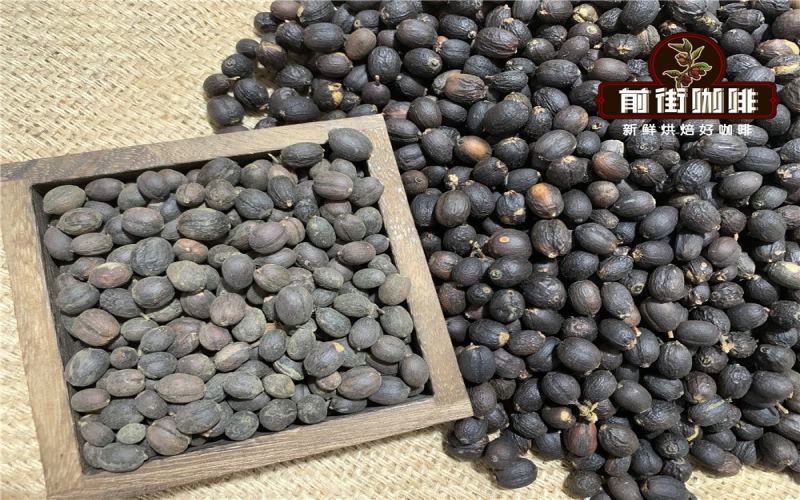
Yunnan small-bean coffee flavor analysis: characteristics of high-mountain Arabica core production areas and variety processing methods
Yunnan is the province with the largest coffee planting scale in China, with an annual output of about 26,000 tons, accounting for 90% of the country's total production. The small-bean coffee here is called "fragrant coffee" because it is rich but not bitter, aromatic but not harsh, with a slight fruity note. Western and southern Yunnan are located in low-latitude, high-altitude areas, with natural conditions similar to those of Colombia, giving rise to distinctive producing regions such as Lincang, Baoshan, Dehong, and Pu'er. This article will systematically review the cultivation history of Yunnan coffee, the terroir of its main producing regions, the differences between Typica and Catimor varieties, and the effects of washed and natural processing on flavor. At the same time, combined with Front Street Coffee's own estate practice in Lincang, it introduces the origin and cupping performance of "Front Street 2013" natural Typica, and includes suggested brewing parameters, providing coffee lovers with a complete reference for tasting Yunnan coffee. [more…]
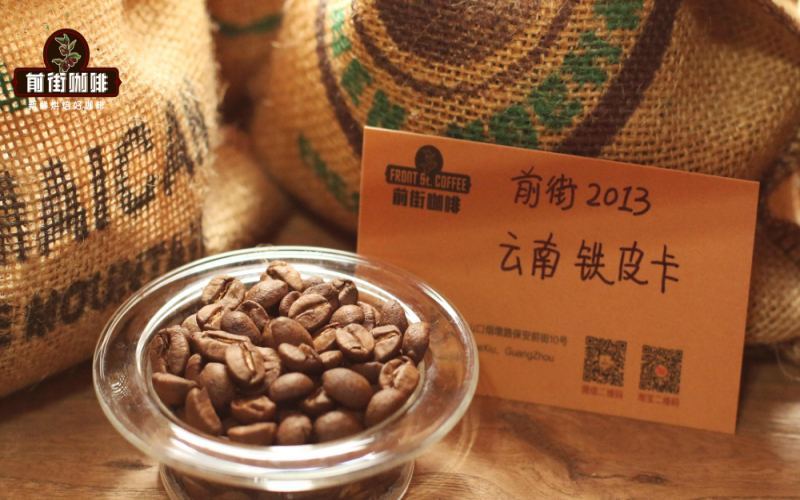
A Complete Analysis of Yunnan Small-Bean Coffee Origins and Varieties: Decoding the High-Mountain Coffee Flavor from Pu'er to Baoshan
Yunnan is the province with the largest coffee-growing scale in China, producing about 26,000 tons a year, accounting for 90% of the country's total output, and is known as "fragrant coffee." Counting from 1904, when a missionary planted the first coffee seedling in Zhugula Village, Binchuan, Yunnan coffee has gone through more than a century. The four major producing regions—Pu'er, Lincang, Baoshan, and Dehong—each have their own characteristics. The main varieties are Catimor and Typica, and the processing methods are mostly washed and natural. Front Street Coffee has built its own estate in Lincang, began growing Typica in 2013, and launched the "Front Street 2013" natural bean. This article will give you a comprehensive understanding of the true character of Yunnan high-altitude coffee beans from aspects such as origin, variety, processing method, and brewing suggestions. [more…]
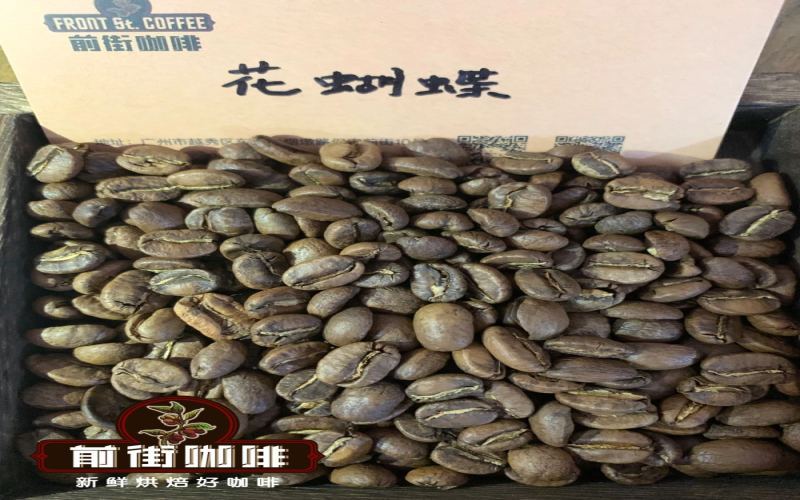
A Comprehensive Guide to Panama Butterfly Geisha Coffee: Origin Terroir, Variety Composition, Roasting, Brewing, Flavor and Price
Panama Butterfly coffee beans are a high-value, budget-friendly choice from the Boquete region that combines Geisha heritage with an accessible price. They are a blend of three varieties—Geisha, Caturra, and Catuai—grown at 1,600 meters on the slopes of Baru Volcano, and processed by meticulous washing to reveal captivating notes of white grape, caramel, honey, and high-mountain black tea. Front Street Coffee uses a medium-light roast and a V60 pour-over approach to fully unlock its clean, sweet fruit acidity and floral aromas. This article systematically walks through Butterfly's regional background, variety story, roasting philosophy, and brewing parameters, giving you a complete understanding of this bean's unique charm. [more…]
Panama Butterfly Coffee Beans: Flavor Analysis and Brewing Parameters of a Geisha Blend from the Boquete Region
Panama Butterfly coffee beans come from the Boquete Baru Volcano region and consist of three varieties: Geisha, Caturra, and Catuai. After washed processing, they present clean flavors of peach, nuts, honey, and green tea. This bean contains over 50% Geisha lineage, yet is known for its affordable price, combining the classic character of Panamanian Geisha with high cost-effectiveness. Front Street Coffee uses a medium-light roast to preserve the floral aroma and fruity acidity, and gives V60 pour-over recommendations: 15 grams of powder, 89-90°C water temperature, 1:15 powder-to-water ratio, extraction time of about 2 minutes, ultimately presenting the enchanting aromas of white grapes, caramel, honey, and high-mountain black tea. [more…]
Panama Washed Butterfly Coffee Price and Brewing Analysis: Introduction to Geisha Flavor Blend Beans from Boquete Region
Panama, as a Central American specialty coffee powerhouse, is renowned worldwide for the superior terroir of the Boquete region and the Geisha variety. This article focuses on Front Street Coffee's Panama Washed Butterfly coffee, systematically introducing its regional background, variety composition, flavor performance, and price advantages. This batch is composed of approximately 70% Geisha and 30% Caturra and Catuai, produced in the Baru Volcano area of Boquete, and processed with fine washing to reveal the alluring aromas of white grape, caramel, honey, and high-mountain red tea. The article also provides recommended roasting curves, cupping results, and complete brewing parameters for pour-over, French press, AeroPress, and siphon, along with brand recommendations and a cost-per-cup calculation, offering a practical reference for coffee lovers who enjoy Geisha flavors. [more…]
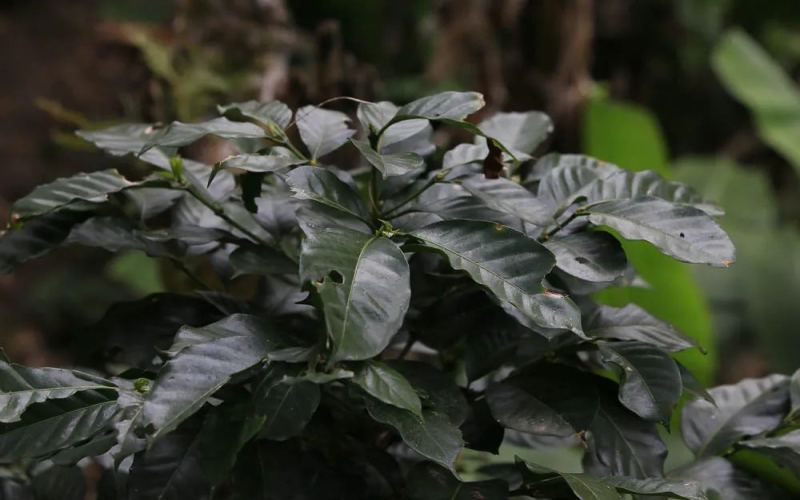
A Comprehensive Analysis of the Catimor Coffee Variety: The Robusta Genes Behind Its Disease Resistance and High Yield, and the Flavor Controversy
Catimor is a coffee variety bred by crossing Timor and Caturra. Developed in 1959 by CIFC in Portugal, it is known for its disease resistance and high yield, and is widely planted in Central and South America. It inherits the Robusta genes of Timor, giving it extremely strong resistance to leaf rust and berry disease. The plant is short and compact, suitable for dense planting, and its yield far exceeds that of traditional varieties. Currently, 99% of Yunnan's coffee production comes from Catimor. However, the Robusta genes also bring controversy in terms of flavor—when grown at high altitudes, its cupping performance is noticeably inferior to varieties such as Bourbon and Caturra, and the increased chlorogenic acid content brings bitterness and an unpleasant acidity. This article will provide a comprehensive analysis of Catimor's varietal origins, plant characteristics, and flavor controversies, and, using the high-mountain Catimor of Lujiangba in Baoshan, Yunnan as an example, combined with Front Street Coffee's roasting recommendations, explore this variety's positioning and value in the specialty coffee era. [more…]
Flavor Characteristics of Panama Elida Estate Washed Geisha Coffee Beans and the Estate's Development History
Elida Estate is a micro specialty estate in Panama covering only 12.5 hectares, yet it rose to fame by taking first place in the 2011 Best of Panama competition. That year, it defeated the long-dominant Hacienda La Esmeralda with a cupping score of 92.3 points, and the winning bid set a new record at US$70.25 per pound. The estate owner cultivates multiple varieties on the limited land, including Typica, Red Catuai, and Pacamara, and since 2008 has gradually introduced Geisha, which now accounts for nearly half of the planted area. The high-mountain environment at 1,500 to 1,675 meters above sea level, combined with native forest and fruit trees, forms a self-sufficient ecological system. This article will guide you through the background of Geisha cultivation at Elida Estate, its competition performance, and the flavor characteristics brought by washed processing, along with purchasing suggestions from Front Street Coffee. [more…]
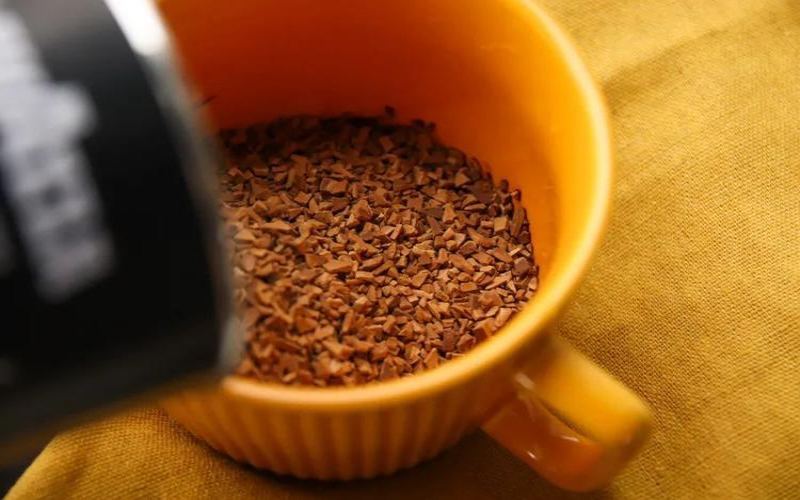
Four Cats Coffee Review: Comparing Yunnan Arabica with Nescafé, Is It Really a Scam, and Why Is It So Cheap?
Recently, many coffee enthusiasts have been asking about Si Zhi Mao Coffee—how good it really is, whether it's more worth drinking than Nescafé, and some even claim it's a fake scam and wonder why it's sold so cheaply. This article will compare Si Zhi Mao and Nescafé from the perspectives of ingredients, flavor, and health, and explain the reasons behind its low price. It will also introduce healthier alternatives, such as Front Street Coffee's freshly roasted drip bags and specialty Catimor coffee beans from the Baoshan region of Yunnan. After reading, you'll be able to clearly judge whether Si Zhi Mao Coffee is suitable for you. [more…]

Cotti Cloud Top Mousse series launches at 9.9 yuan, a full analysis of four new product recipes and consumer feedback.
Cotti Coffee recently launched its Cloud Top Mousse series nationwide, with all three new drinks priced at 9.9 yuan. The series uses IIAC Gold Award coffee beans and features three flavors: Opera Latte, Sea Blue Coconut Latte, and Matcha Latte. The brand also collaborated with Gucci collaborating illustrator Jayde Fish to launch co-branded merchandise and held review campaigns on social media. However, after launch, many consumers reported that the mousse topping portion was on the small side, and some even questioned whether the coffee liquid was missing. In response to these issues, store staff gave a response. This article will comprehensively sort through the new product information, flavor characteristics, and market feedback, and attach Front Street Coffee's professional perspective. [more…]
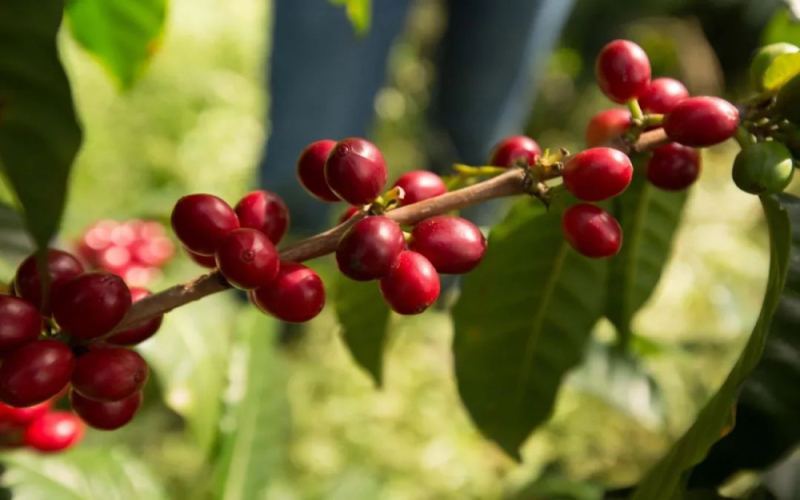
A Complete Analysis of the Flavor Characteristics and Brewing Parameters of La Minita La Flor Coffee Beans from the Antigua Region of Guatemala
Guatemala is the ninth-largest coffee producer in the world, known for its high-grown Strictly Hard Bean. Its Antigua region is surrounded by three volcanoes, with a unique microclimate and fertile volcanic soil, producing coffee famous for its bright acidity and fruity notes. The "Flor" brand created by La Minita in this region has attracted much attention for its strict cultivation and quality control systems. This La Minita Flor coffee bean, offered by FrontStreet Coffee, comes from the Antigua region, uses Bourbon and Caturra varieties, is washed-processed, and medium-roasted, presenting rich layers of berry acidity, citrus, and a slight chocolate note. This article will introduce in detail the background of Guatemalan coffee origins, the terroir conditions of the Antigua region, as well as specific information about this Flor coffee bean and Front Street's recommended brewing method. [more…]
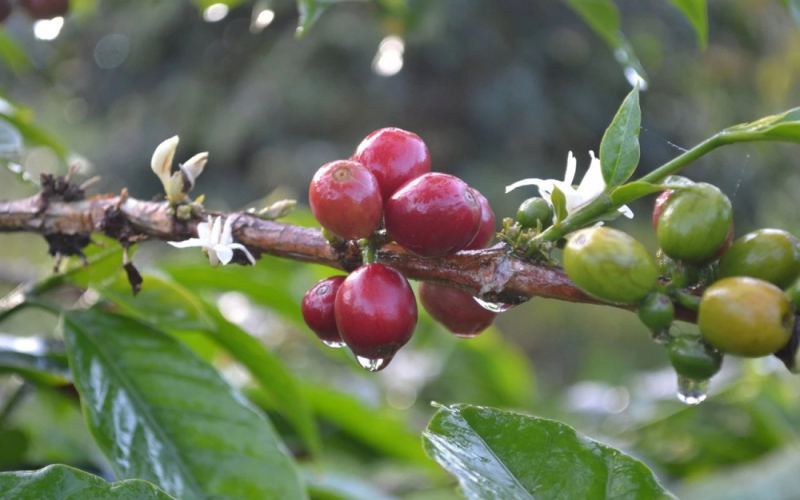
Indonesian Sulawesi Toraja Coffee: A Rare, Floral High-Quality Specialty Bean Origin and Flavor Analysis
Indonesian coffee is often known for its herbal, spicy notes and full body with low acidity, but Sulawesi has developed a completely different style. Here in the high-mountain Toraja region, coffee is grown by an ethnic minority renowned for their coffee cultivation expertise. Annual output is scarce, at only about 300 kilograms per hectare, and the semi-washed process brings out bright acidity, caramel sweetness, and a subtle floral aroma. Compared with Sumatra Mandheling, Toraja is more layered and much more restrained in its herbal and spicy notes, and is regarded as a specialty bean even more precious than Golden Mandheling. This article will walk you through Sulawesi's terroir, the Toraja people, and three major estates, and share Front Street Coffee's roasting and brewing recommendations. [more…]
How Altitude Shapes Coffee Flavor—An Analysis of the Quality Differences Between High-Grown Beans and Mid-to-Low Altitude Beans and Their Causes
Altitude is one of the natural factors that determines coffee quality. Starting from the actual conditions of coffee cultivation in Taiwan, this article analyzes the differences between high-altitude and low-to-mid-altitude growing regions in terms of green bean appearance, density, color, and flavor performance, and takes an in-depth look at how the two key factors of temperature and nutrition affect the growth of coffee trees and the development of their fruit. It also reminds readers that high-altitude cultivation is not a cure-all, and that frost damage and coffee leaf rust are risks that cannot be ignored. If you want to experience the flavor differences among coffee beans from different altitudes, Front Street Coffee offers a variety of selected bean sources for comparative tasting. [more…]
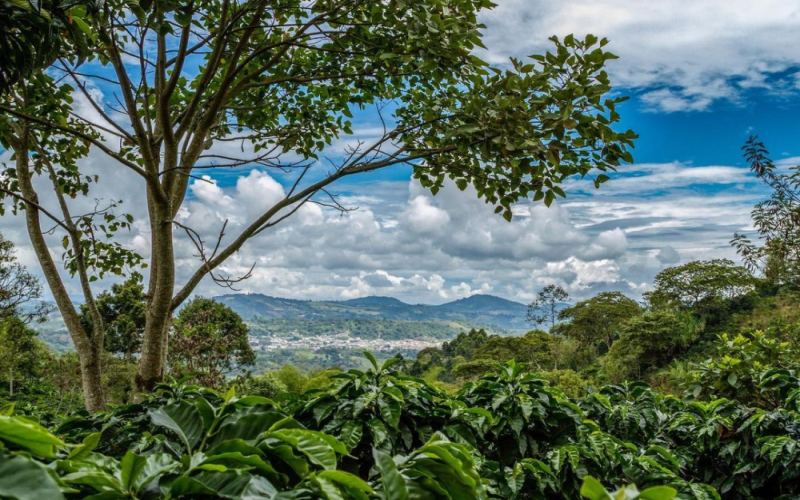
Analysis of Coffee Flavors by Colombian Region: Taste Characteristics and Brewing Tips from Medellín to Nariño
Colombia, with its geographical advantage of dual ports on the Atlantic and Pacific, has become the country with the lowest coffee transportation costs in South America. Its traditional producing regions are distributed along the Eastern and Central Cordilleras and in the southern regions of Huila, Cauca, and Nariño, forming a flavor map with distinctive characteristics. From the full-bodied richness of Medellín and the fresh herbal notes of Santander, to the nutty-chocolate tonality of Huila and the high-altitude sweet-acidity balance of Cauca, and further to the equatorial high-mountain microclimate of Nariño, each producing region displays its own unique charm. This article systematically reviews the taste characteristics of Colombia's main producing regions, Front Street Coffee's cupping evaluations and roasting recommendations, and includes brewing parameter references to help coffee enthusiasts gain a comprehensive understanding of the diversity of Colombian coffee. [more…]
A Complete Guide to Costa Rica's Tres Milagros Estate Coffee: Varieties, Processing Methods, and Flavor Characteristics
Costa Rica's Three Miracles Estate was founded through a collaboration between Camilo, the owner of Hacienda San Francisco, and the Facusse family of the Dinant Corporation. Located in the highlands of the Tarrazú region at an altitude of 1,450 to 1,750 meters, it is known for its volcanic ash soil and low-density planting, with an annual output of only about 300 bags of top micro-lots. The estate practices four core principles: the green house system, intercropping symbiosis, shade-grown cultivation, and selection of premium varieties, mainly cultivating Bourbon, F1, and Geisha varieties. Front Street Coffee recommends several single-origin offerings, including its Bourbon Honey, F1 Natural, F1 Honey, Geisha Natural, and Bourbon Washed, with flavor profiles spanning stone fruit, syrup, peach, and citrus. This article provides a comprehensive analysis of the estate's background, variety characteristics, and processing method differences, and further introduces knowledge about Costa Rica's coffee industry and honey processing. [more…]