







What makes Panama geisha coffee beans from Hartmann stand out?
Hartmann Estate in Panama's Volcan region grows geisha coffee on volcanic soil at roughly 2100 meters, using an anaerobic natural process. The cup shows bergamot, pineapple juice, passion fruit, Earl Grey tea, blueberry and apricot, with white floral and tropical fruit notes layered together. The lot is graded SHG.
Volcan sits around the Baru Volcano, where Atlantic sea breezes and varied terrain create shifting microclimates. Rainfall is lower than in Boquete, and coffee is often intercropped with fruit, which supports the region's fruit-forward sweetness. Finca Hartmann was founded in 1940 and helped open coffee cultivation in the area.
In Panama, beyond Boquete, the Volcan region is equally a treasure trove for specialty coffee. As a pioneer of this area, Hartmann Estate, with its volcanic soil and high-mountain microclimate, cultivates a highly distinctive Geisha flavor. This article will dissect the unique charm of this Hartmann Geisha layer by layer, from the region's terroir, estate history, and variety characteristics to the anaerobic natural processing method, and include Front Street Coffee's complete brewing plan and flavor tasting notes, taking you on a sensory feast of white floral and tropical fruit intertwined.
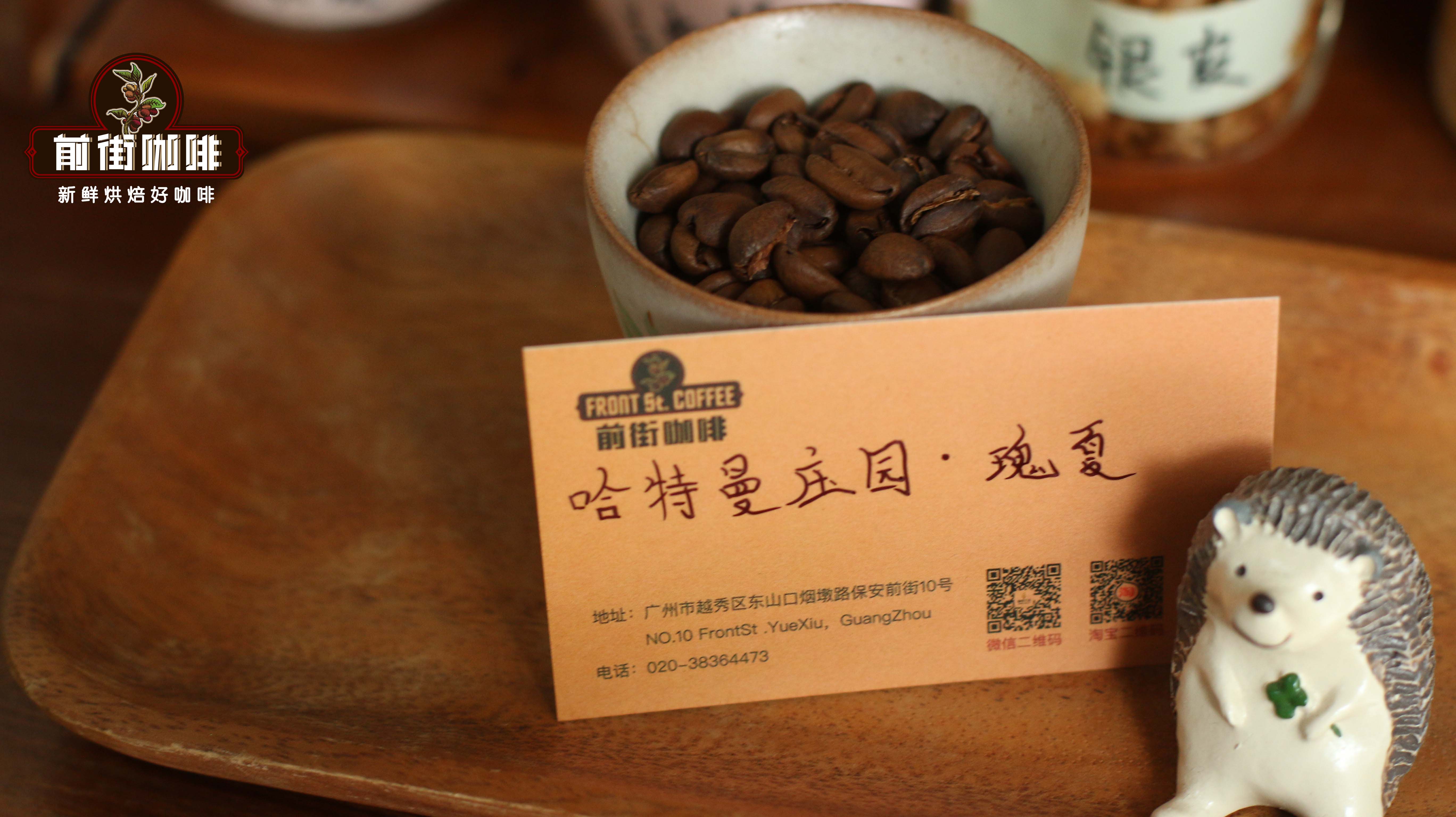
Front Street Coffee: Panama Hartmann Estate Geisha Coffee Beans
Country: Panama
Grade: SHG
Region: Volcan
Estate: Hartmann Estate
Altitude: 2100 meters Processing Method: Anaerobic Natural
Variety: Geisha
Flavor: Bergamot, Pineapple Juice, Passion Fruit, Earl Grey Tea, Blueberry, Apricot
Panama Volcan Region
When it comes to Panama's coffee origins, many people might first think of Boquete. However, in recent years, the Volcan region, also nestled by the Baru Volcano (Volcan Baru), has seen the emergence of numerous outstanding estates frequently appearing in the BOP green bean competition (Best of Panama).
Volcan is located around the Baru Volcano, where sea breezes from the Atlantic pour in through terrain gaps. Combined with the undulating landscape, this creates complex and variable microclimates. Sometimes it's sunny, sometimes light rain accompanies rainbows; one side is calm while the other is howling with wind. Hartmann Estate is situated between 1300 and 2000 meters above sea level, adjacent to a tropical rainforest nature reserve on one side and bordering Costa Rica on the other. This unique high-mountain microclimate is very suitable for coffee cultivation.
In the early days, the Volcan area mainly grew fruits, vegetables, and other cash crops, with very few farmers engaged in coffee planting. The pioneer who first opened up coffee cultivation on this land was the renowned Hartmann family in Panama. The annual rainfall in the Volcan region is lower than in Boquete, and being located on the western side of the Baru Volcano, often intercropped with various fruits, the coffee here presents a richer fruit tone, sweetness, and aroma.
Hartmann Family
Hartmann Estate (Finca Hartmann) was founded in 1940, and has now spanned over a century, with the current owner Ratibor Hartmann being the third-generation successor. The first-generation ancestor of the Hartmann family, Alois Strasil Hartmann, initially cultivated coffee planting land in Panama's Volcan region. Later, the second generation, Hartmann Troetsch, moved the coffee farm to the Santa Clara region and formally established Hartmann Estate.
The Hartmann family is not only renowned in the coffee circle but also holds a place in the scientific field. They have not only published books on birds and shade cultivation but also published over ten papers in scientific journals. Out of reverence and protection for nature, the Hartmann family preserves most of the trees in the estate as much as possible. As the planting area expanded, they planted a large number of native tree species and plantains as shade trees. Thanks to this, the estate is home to many native birds, and the local most iconic toucan has naturally become the estate's signature logo.
Hartmann Estate owns two farms: Santa Clara Farm (Santa Clara) and Ojo de Agua. The estate is widely praised for its sustainable farming practices and biodiversity. The soil here is nutrient-rich volcanic soil, and tall primary rainforest trees provide ideal shade for the coffee trees . Currently, Hartmann Estate is managed by the five children of Hartmann Troetsch, each with their own responsibilities. The eldest son Ratibor and Kelly handle the core work related to coffee quality, such as planting, breeding, and fertilizing in the estate, and are the soul figures of the estate. Besides managing their own estate, the Hartmann family also provides management services for some estates around Volcan. For example, Ninety Plus (90+)'s estate in Panama and Finca La Mula are both managed by the Hartmann family.
Geisha Variety
Initially, Geisha was introduced to Panama as an improved variety. Due to its low yield and mediocre flavor at low altitudes, it was not favored by farmers. It wasn't until Hacienda La Esmeralda discovered its potential and brought it to the stage of the 2004 Best of Panama competition. It showcased rich floral and fruity aromas like berries, citrus, and bergamot, thereby establishing the classic flavor of Panama Geisha.
The Geisha coffee that Front Street recently acquired from Hartmann Estate this time uses an anaerobic natural processing method. To present Geisha's complex floral and fruity notes, Front Street Coffee chose a medium-light roast. Unlike other anaerobic natural coffee beans, although the sweetness of this Hartmann Geisha is also very pronounced, the fermented feel is not heavy. Instead, it presents a fresh and bright juice-like quality, with very high cleanliness, and an aroma somewhat close to pineapple and dried apricot.
Front Street Coffee's Brewing Recommendations
Dripper: V60
Water Temperature: 92°C
Coffee Dose: 15g
Coffee-to-Water Ratio: 1:15
Grind Size: Fine sugar size (80% passing through a No. 20 sieve)
Fold the filter paper and fit it snugly into the dripper. Wet the filter paper with a small amount of water to make it adhere better, then discard the water in the server. Next, add the coffee grounds and gently tap to distribute the bed evenly. For the first pour, gently add 30 grams of water for blooming, with a blooming time of 30 seconds. For the second pour, add water up to about 125 grams, circling evenly and steadily outward. Then wait for the coffee liquid to drop. When it has dropped by half, pour the final installment of water up to 225 grams. Wait for all the coffee to drip through. The total extraction time is generally about 2 minutes.
Brewing Flavor: The entry is elegant white floral, with layered and varied fruity acidity reminiscent of bergamot, pineapple, and blueberry. As the temperature slightly drops, the overall presents an Earl Grey tea-like mouthfeel, with a long, lingering sweetness.
For professional coffee knowledge exchange and more coffee bean information, please follow Coffee Workshop (WeChat public account: cafe_style)
For more specialty coffee beans, please add the private WeChat of Front Street Coffee: qjcoffeex
The above content is compiled by CoffeeHunters, a coffee news website.


