







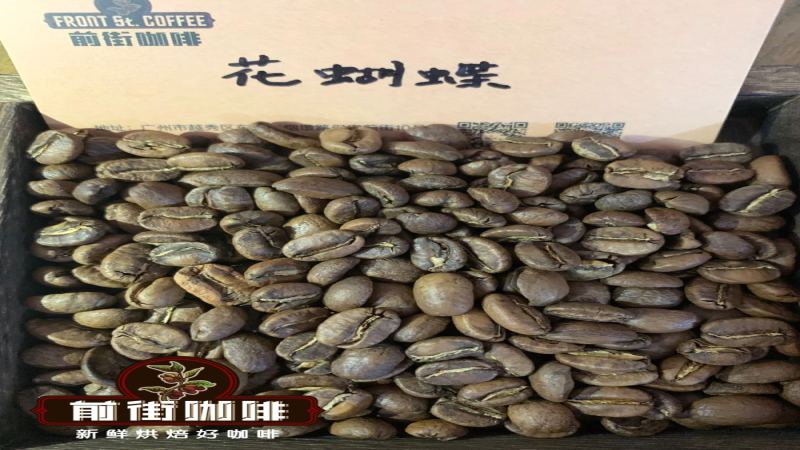
Panama Butterfly Coffee Beans are a high-value choice from the Boquete region, combining Geisha genetics with an affordable price. They are a blend of three varieties—Geisha, Caturra, and Catuai—grown at 1,600 meters on the slopes of the Baru Volcano, and processed with meticulous washing, revealing the captivating flavors of white grape, caramel, honey, and high-mountain black tea. Front Street Coffee uses a medium-light roast and a V60 pour-over method to fully release their clean, sweet fruit acidity and floral aromas. This article will systematically cover the origins, variety story, roasting approach, and brewing parameters of Butterfly, giving you a comprehensive understanding of this bean's unique charm.
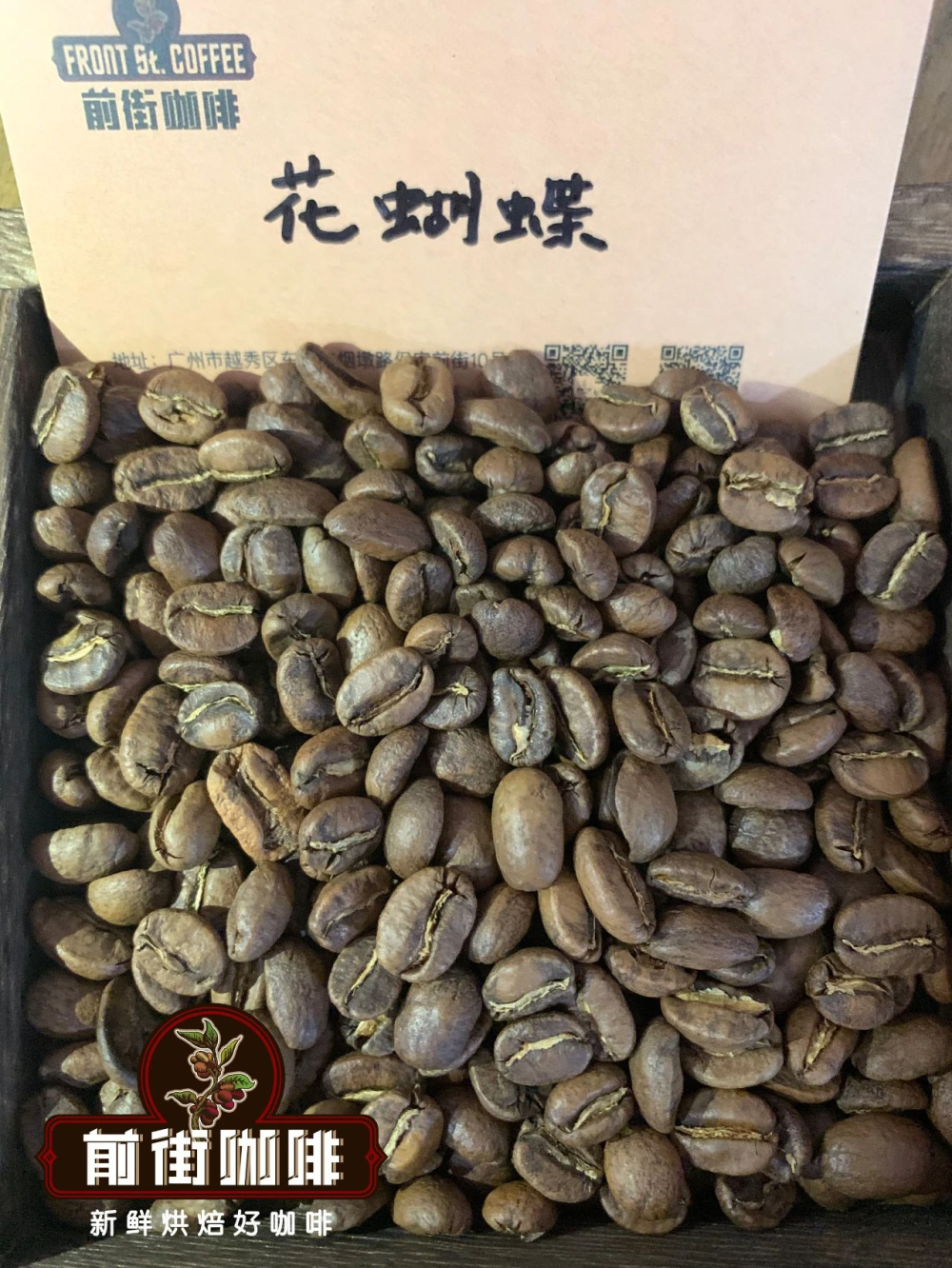
Front Street Coffee: Panama Butterfly Coffee Beans
Country: Panama
[Region]: Boquete, Baru Volcano area
[Varieties]: Catuai, Caturra, Geisha
[Processing Method]: Washed
[Roast Level]: Medium (leaning light) Flavor: Peach, nuts, honey, green tea
Region Introduction
In the Boquete region of Panama, there is a coffee bean with exceptional value for money, and it has a very poetic name—Panama Butterfly. Panama is located in Central America, bordering Costa Rica to the west and Colombia to the east. Anyone familiar with specialty coffee knows that Panama gained worldwide fame thanks to the Geisha from Hacienda La Esmeralda; it is a country that constantly refines coffee quality and produces an endless stream of excellent coffees.
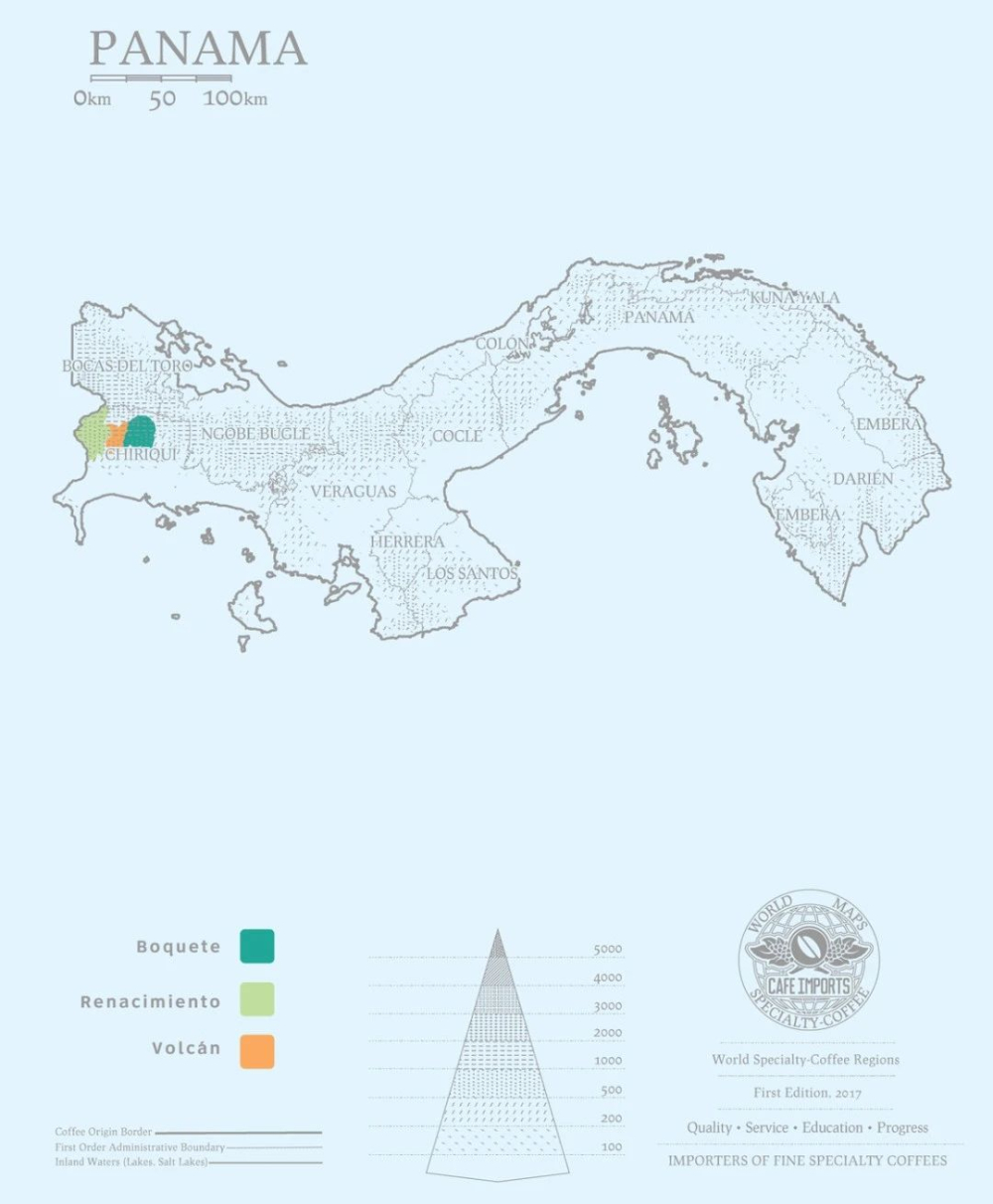
Panamanian coffee is famous worldwide for the Geisha of Hacienda La Esmeralda, and the region where Hacienda La Esmeralda is located is equally renowned—Boquete in Chiriqui Province. In fact, Boquete is a town under Chiriqui Province, located near the border between Panama and Costa Rica, adjacent to the famous Baru Volcano, with beautiful scenery and fertile soil; its climate and soil conditions are highly suitable for producing quality coffee.
Within the Boquete region there are also many excellent estates. Besides the famous Hacienda La Esmeralda, there are also Elida Estate, Kotowa Duncan Estate, and others, all producing high-quality specialty coffee. This is due not only to the superior ecological conditions of Panama's Boquete region but also to the fertile volcanic ash soil of the Baru Volcano area.
Another key factor is that the microclimates found in the Boquete highlands of Panama are a unique and important resource for the specialty coffee of the Boquete region. Panama's east-to-west geography causes cold air currents to converge above 6,500 feet along the central mountain range, creating diverse microclimates in the Boquete area. Temperature and rainfall are both very suitable for plant growth, so coffee trees here thrive exceptionally well.
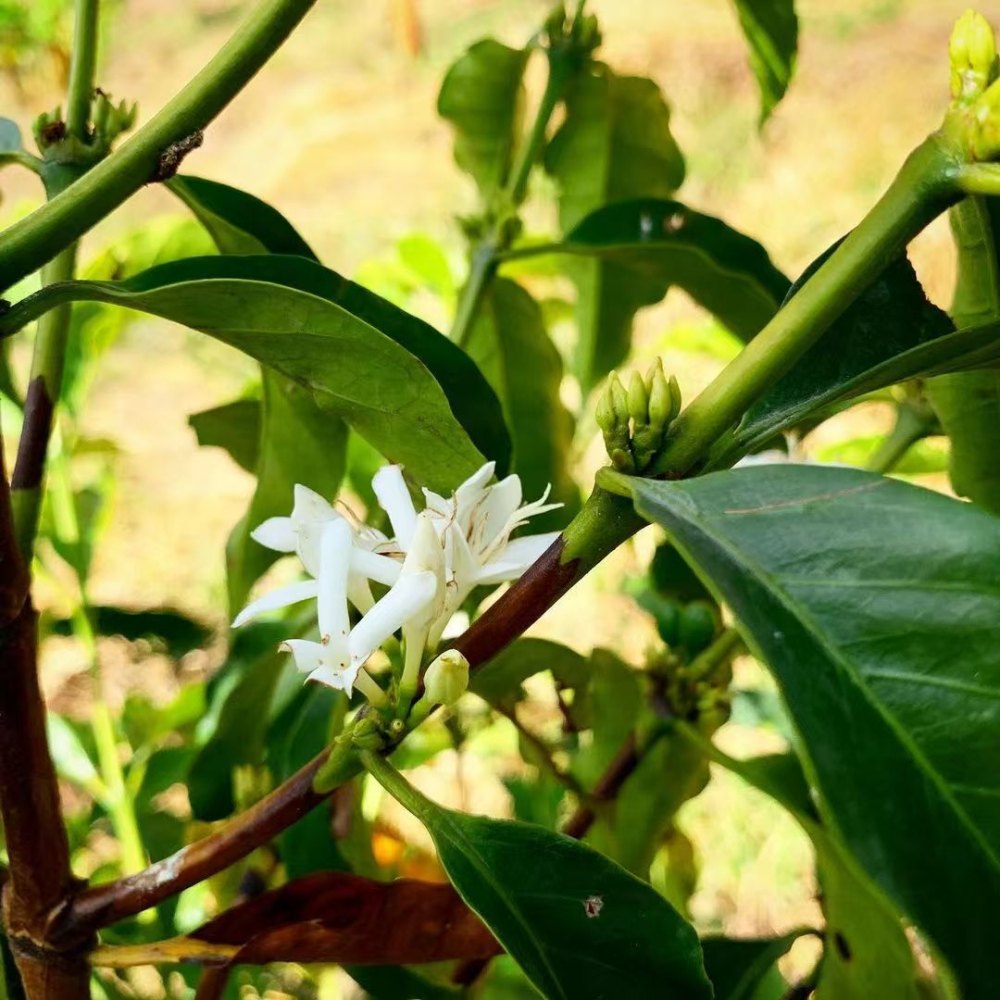
Panama Butterfly coffee beans have over 50% Geisha lineage, composed of three varieties: Geisha, Caturra, and Catuai, planted in the Baru Volcano area of Boquete at an elevation of 1,600 meters in a volcanic zone. The processing station uses meticulous washed processing. Panama's special microclimate provides abundant rainfall in this area, with large diurnal temperature differences; combined with the unique volcanic rock soil of the volcanic region, as well as careful harvesting and meticulous processing, this coffee stands out remarkably in body, acidity, and floral expression.
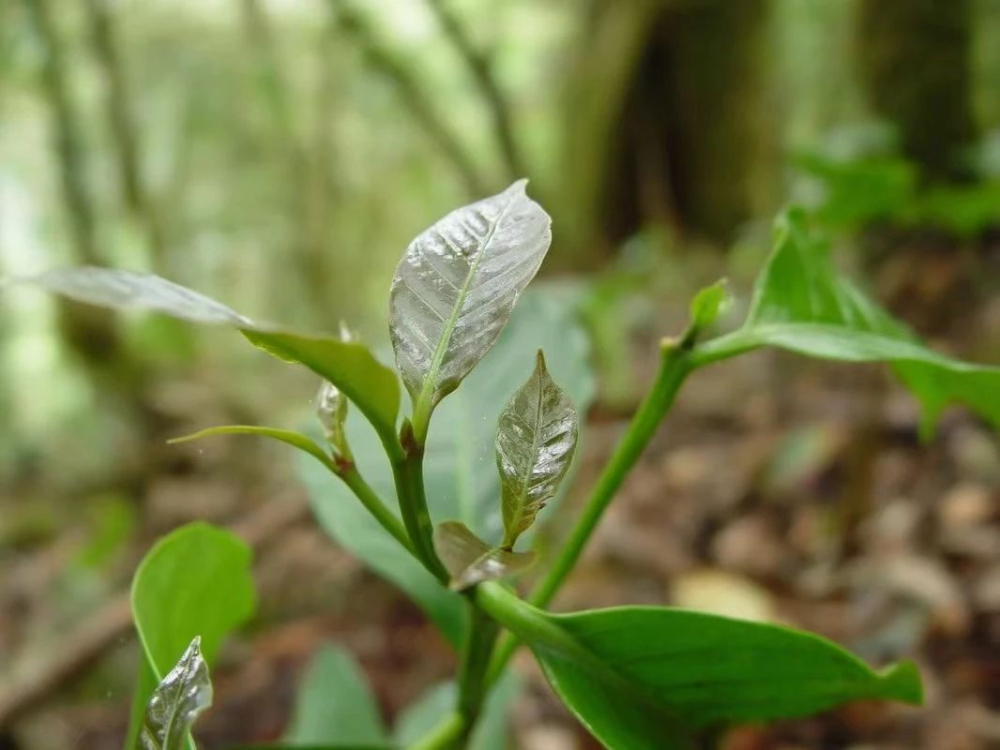
(Honey is also produced locally, with wild butterflies surrounding the hills)
Even more delightfully, on top of its excellent quality, its affordable price makes this bean's value for money extremely outstanding. What makes this coffee bean special is that it contains the Geisha variety, giving it distinct Geisha flavors.
Is Butterfly a blend?
After consulting materials, Front Street found that due to historical reasons, the estate at the time, in pursuit of yield, planted the early Geisha variety mixed together with Caturra and Catuai coffee trees. To facilitate harvesting, the coffee farmers later separated the three varieties, and at export they directly mixed the three varieties together to achieve the desired rich flavor.

The three varieties in Butterfly all come from the same origin and the same region, so it is a single-origin bean!
Like the famous Hacienda La Esmeralda, it is a bean from the Boquete region, and it contains 40% to 70% Geisha, with flavors that carry a very authentic Panamanian Geisha character. Most importantly, the price is very affordable.
Butterfly is always washed processed. The cleanliness and clear floral aromas of washed beans are impressive. Information provided by the green bean supplier shows that the moisture content of the beans is only 9.9%, so the roasting plan is to charge at low temperature, then use high heat and a small airflow to accelerate dehydration. After the dehydration phase ends, open to medium airflow and medium heat, so that the Maillard reaction time is not too rushed. Drop the beans when first crack is at its densest.
The roasting process is as follows:
Due to the special nature of this [Butterfly] in terms of variety, we use a medium-light roast to achieve this bean's final flavor direction, deciding to shorten the Maillard reaction time and run a faster curve. Because the beans are dense and hard, we start with high heat for dehydration, then reduce heat before first crack to lower the rate of rise entering first crack, trying to preserve small-molecule aromatic substances such as floral notes and avoid their loss, so as not to destroy the Geisha's characteristic floral, white grape, caramel, honey, and black tea aromas.
Roast batch 550g (full capacity) charged.
Charge temperature: 200°C
First crack: 184.5°C ± 0.5°C @ 8:31 ± 3 seconds
The next day, the results after [cupping] are as follows:
Wet aroma: Citrus, jasmine hints
Flavor: Peach, grape, caramel, honey
[How to Brew]
Suitable equipment: pour-over drip, siphon, French press, cold drip, siphon, drip bags
[Pour-over Record]
[Summary]
Pour-over Panama Butterfly, V60, recommended 15g coffee, 89-90°C water temperature
Water-to-coffee ratio 1:15, EK43s grinder setting 10, V60 dripper.
First pour, 30g water for 28-30s bloom. Depending on the bloom condition and the size of the expansion, this will determine how long to pour with a fine stream. After blooming, the coffee grounds will basically still contain some air.
During the second pour, foam will be produced; the coarseness of the foam represents the air content within the coffee grounds. The air content in the coffee grounds determines whether the coffee grounds float on the water surface or settle at the bottom of the filter. With more air content, the coffee grounds float on the water surface, so a fine, gentle stream is needed to disturb the coffee grounds and allow the air inside to escape.
Pour to 110g of water, pause at 140g, wait for the water level in the coffee bed to drop to half before pouring again, slowly pour until 225g of water, discard the final 5g, with an extraction time of 2:00s. Front Street believes this extraction method brings out Butterfly's higher sweetness and soft fruit acidity; you can also fine-tune it according to your preferred taste.
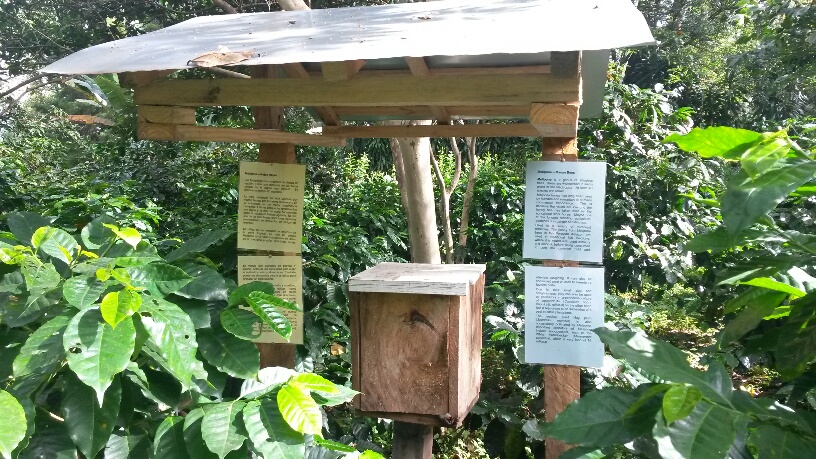
Flavor: Clean and transparent body, white grape and caramel aromas followed by honey, with a captivating high-mountain black tea aroma! High sweetness, medium acidity, and a round mouthfeel.
The above content is compiled by CoffeeHunters, a coffee news website.


