







Search Results for: high temperature medium temperature low temperature
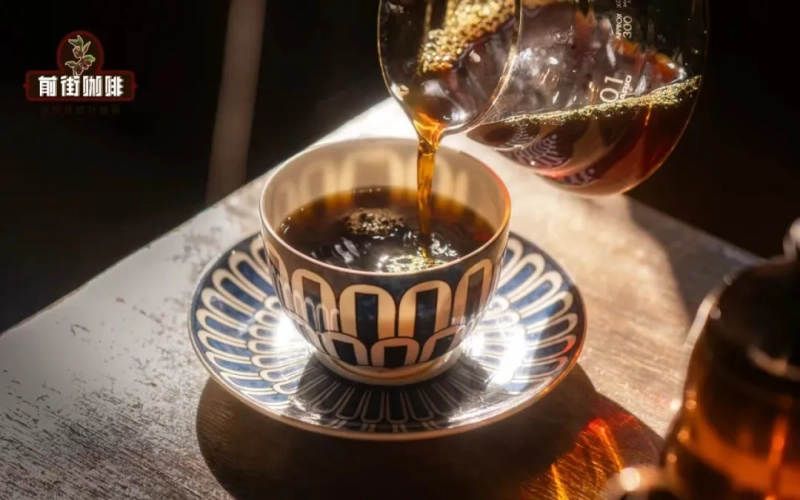
What temperatures correspond to high, medium, and low in coffee tasting? And what are the three major evaluation criteria?
Front Street Coffee previously pointed out in the article "Does Coffee Have an Optimal Drinking Temperature?" that a complete coffee tasting requires experiencing the entire process from high temperature to low temperature, because the flavor and aroma will continuously evolve with temperature and the passage of time, and the purpose of tasting at each stage is different. That article focused on explaining the principles but did not elaborate on the specific tasting content, and many readers asked in the comments about the temperatures and purposes corresponding to each stage. This article follows up on the previous one, detailing the temperature ranges and tasting objectives for the high, medium, and low temperature stages of coffee tasting, while also supplementing basic knowledge of the cupping extraction process, to help coffee enthusiasts understand this tasting method derived from cupping more systematically. [more…]
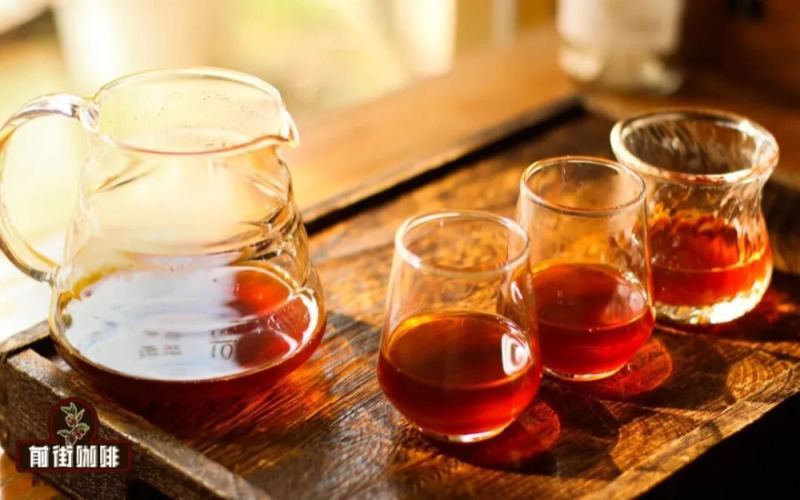
A Guide to Tasting Pour-Over Coffee at Different Temperature Ranges: How High, Medium, and Low Temperatures Affect the Perception of Sourness, Sweetness, and Bitterness
When tasting specialty coffee, temperature is one of the most intuitive clues for interpreting flavor. The three tastes in coffee—acidity, sweetness, and bitterness—show markedly different intensities as temperature changes: high temperatures suppress bitterness and dull sweetness; the mid-temperature range offers the keenest perception of acidity and sweetness, with the richest flavor layers; low temperatures tend to expose negative flavors, with bitterness rising and sweetness falling. Starting from the principles of sensory perception, this article systematically sorts out the key tasting points across three stages—high temperature (50–75°C), mid temperature (35–50°C), and low temperature (<35°C)—and, using two beans, Front Street Wanderer Estate Geisha and Front Street Queen Estate, as examples, fully records the flavor trajectory from hot to cool, helping coffee enthusiasts read a cup of pour-over coffee more comprehensively. [more…]
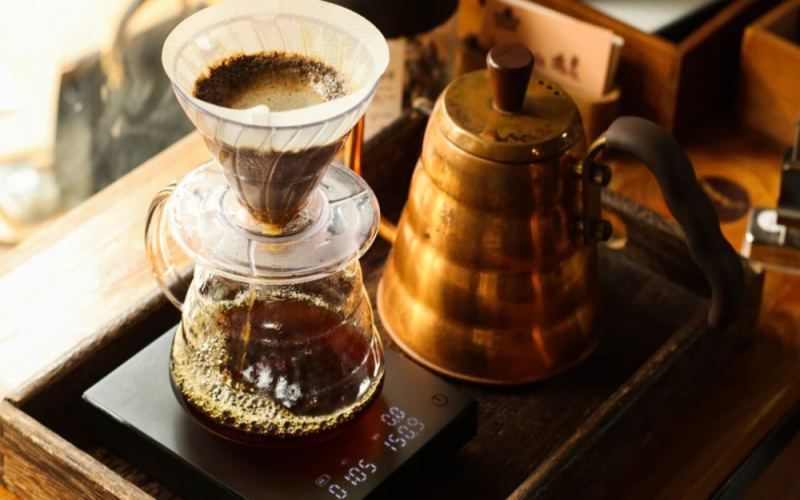
Cold Brew Coffee Flavor Analysis: Low-Temperature Extraction Principles, Light-to-Medium Roast Bean Selection, and a Practical Guide to Front Street Yirgacheffe Geisha Cold Brew
Cold brew coffee has become a popular choice for home brewing in recent years, and its mild, sweet taste and low bitterness have made it a favorite among many coffee lovers. This article will start with the definition and principles of cold brew coffee, explain in detail why low-temperature extraction produces a smoother flavor profile, and offer buying advice for light-to-medium roast coffee beans, with a special recommendation of three beans ideal for cold brew: Front Street Panama Butterfly Geisha Blend, Front Street Washed Gutingtin Yirgacheffe, and Front Street Mozart Honey Process. At the same time, the article will also share the specific brewing parameters and steps for Front Street Yirgacheffe cold brew coffee, including coffee-to-water ratio, grind size, steeping time, and filtering method, to help you easily recreate a coffee-shop-level cold brew experience at home. [more…]
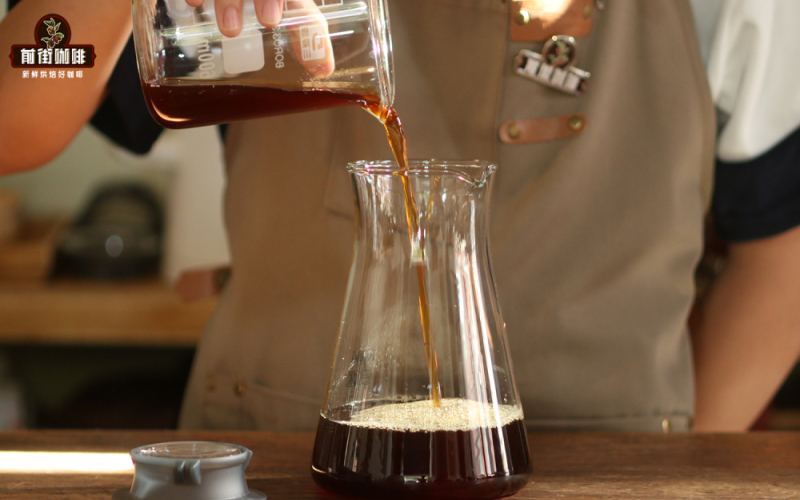
What's the Difference Between Cold Brew Coffee and Iced Americano? A Full Breakdown of Low-Temperature Extraction Flavor Characteristics, Cold Brew Making, and Storage
Although cold brew coffee and iced Americano are both iced coffee drinks, the core difference lies in the extraction temperature: cold brew uses low-temperature long-steeping, while iced Americano is hot espresso diluted with water and then poured over ice. Low-temperature extraction reduces the release of bitter compounds while fully preserving the sweet and sour flavors, so cold brew tastes cleaner and fuller; Americano, on the other hand, is rich, bold, and robust. This article explains in detail the brewing principles and flavor differences of the two, and shares a cold brew coffee brewing tutorial, suitable coffee bean choices, and storage period recommendations, helping you understand and make cold brew coffee more professionally. [more…]

Hand-brewed coffee variable-temperature brewing method: How different water temperatures affect flavor layers and extraction results
In the world of pour-over coffee, water temperature has never been a fixed parameter. At world-class brewing competitions, many competitors use variable-temperature brewing, precisely steering the flavor direction of the coffee by using different water temperatures at different stages. Front Street Coffee conducted a set of comparative experiments using the same Panama Elida Typica beans, brewing them with three approaches: constant temperature, high temperature in the early stage followed by a temperature drop in the later stage, and low temperature for blooming followed by high temperature in the later stage and then a temperature drop. They measured concentration and evaluated the flavor. The results showed that variable-temperature brewing can significantly change the acidity, sweetness, and aftertaste of the coffee. This article will walk you through the operating techniques, experimental data, and flavor differences of variable-temperature brewing, helping you control your pour-over parameters more flexibly. [more…]

Pour-Over Coffee Sweetness Enhancement Guide: The "High, Fine, Large, Fast" Four-Word Formula and the High-Concentration, Low-Extraction Approach for Dark Roasts
Most of the sugars in coffee beans have already been transformed and degraded during roasting, and the remaining sweet-tasting molecules are easily masked by flavors such as acidity and bitterness. In this article, Front Street will break down the underlying principles of high-sweetness extraction and explain in detail the four-character brewing formula of "fine, high, large, fast"—grinding finer, raising the water temperature, increasing the flow rate, and speeding up extraction—using medium-light roasted beans as the experimental subject, demonstrating step by step the specific parameters and techniques for each stage; for medium-dark roasted beans, which are loose in texture and cannot withstand aggressive extraction, the "high concentration, low extraction" approach is recommended, paired with a Kono dripper and a simple one-pour technique, which can likewise brew a cup of coffee with full sweetness and restrained bitterness. At the end, the article also introduces diverse extraction methods such as variable-temperature brewing, for enthusiasts to try freely. [more…]
How to Make Milk-Brewed Coffee? From Bean Selection to Cold Brew, Front Street Shares a Practical Guide to Milk-Extracted Coffee
When water can no longer satisfy coffee enthusiasts' desire for exploration, milk becomes a new extraction medium. Is it reliable to brew pour-over coffee with milk? The answer is no—milk has high saturation, weak extraction power, and proteins denature when heated above 70 degrees. But with a different approach, cold-brewing milk coffee by soaking coffee grounds in milk at low temperature is entirely feasible: low temperatures won't spoil the milk, and the extended soaking time exactly compensates for the lack of extraction efficiency. This time, Front Street Coffee selected the medium-dark roasted Sunflower Warm Sun blend, paired with Guangming Fresh Pasture fresh milk, using a 1:8 coffee-to-milk ratio and soaking at low temperature for 12 hours, ultimately obtaining a cup of milk-brewed coffee with sherry wine aroma and chocolate milk flavors. Let's take a look at the specific steps and key details below. [more…]
Hand Brew vs. Cold Brew: How Extraction Temperature Affects Flavor and Bean Selection
Why do the flavors of the same coffee beans differ so dramatically when brewed as pour-over versus cold brew? From the perspective of Front Street, this article systematically sorts out the core differences between high-temperature pour-over and low-temperature cold brew in terms of extraction principles, flavor expression, and suitable bean types. The article covers a comparative tasting of three methods—hot pour-over, iced pour-over, and cold brew—analyzes the effect of water temperature on the dissolution sequence of acids, sweetness, bitterness, and other substances in coffee, and provides recommendations for coffee beans suited to both brewing methods, including specific Front Street products such as Guodingding, Huahudie, Strawberry Candy, and Huakui, helping coffee enthusiasts easily make their ideal cup at home. [more…]

Can Milk Be Used for Cold Brew Coffee? A Detailed Guide to Milk Brew Coffee Preparation and Storage Time
When water can no longer satisfy coffee lovers' desire for exploration, milk has become a new extraction medium. Is it actually feasible to use milk instead of water to brew coffee? The pour-over method is difficult to achieve due to milk's high saturation and limited heating temperature, but the cold brew immersion method offers new possibilities. This article will verify in detail the feasibility of milk cold brew coffee, starting from Front Street's practical experience, and share coffee bean selection preferences, home brewing steps, and storage precautions. Choose medium-dark roast or medium roast coffee beans, pair with fresh milk and soak at low temperature for 12 hours, and you can get a rich, fragrant milk coffee with a chocolate milk flavor. Want to know how to do it specifically? Let's take a look together. [more…]
How to Make Coffee Sweeter? Four Front Street Coffee Recommendations with Prominent Sweetness and a Brewing Tips Guide
Many people pursue sweetness in coffee because sweetness promotes dopamine secretion and brings a pleasurable experience. But sweetness in coffee does not exist independently; it is presented through the balance between acidity and bitterness: the sweetness of light-roasted beans is hidden in the sweet-and-sour fruit profile of high acidity and low bitterness, while the sweetness of dark-roasted beans is integrated into the caramel and maple syrup flavors of low acidity and high bitterness. This article first recommends four Front Street Coffee beans with strong sweetness—Panama Boquete Geisha, Mozart, Queen's Estate, and Golden Mandheling—and then provides sweetness-brewing approaches for medium-light roasts and medium-dark roasts respectively: light-roasted beans can release mid-palate sweetness by increasing water temperature, sieving out coarse grounds, and adjusting the pouring technique; dark-roasted beans use a high-strength, low-extraction strategy, paired with a slow-flow dripper and gentle pouring, to reduce the release of bitterness. Whether you are a beginner or an advanced player, you can find actionable sweetness-brewing solutions here. [more…]
Cold Drip vs. Cold Brew: Which Is More Worth Trying? Flavor Differences in Low-Temperature Extracted Black Coffee and Bean Selection Tips
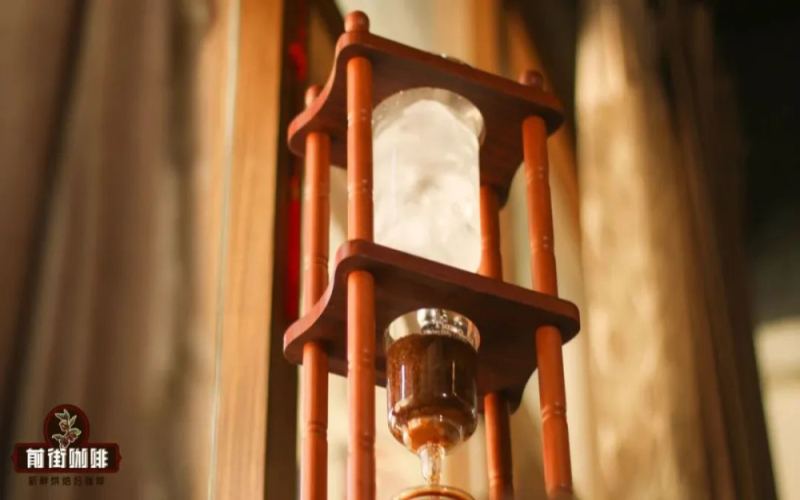
Cold brew coffee is not exclusive to summer; even in the cold season, Front Street's cold brew is still in short supply. When the cold brew sells out, many customers will instead ask if there is cold brew coffee. Cold brew and ice drip both belong to low-temperature extracted black coffee, yet they each have their own characteristics due to the differences between drip filtration and immersion. This article will sort out the differences between the two from aspects such as origin, brewing principles, and flavor performance, and combine the actual extraction experience of Front Street's medium-light roasted beans such as Huakui, Blackberry, Strawberry Candy, and Butterfly to help coffee lovers find the cup that better suits their own taste. [more…]
How Does the Flavor of Pour-Over Coffee Change After It Cools? Can You Reheat It and Keep Drinking? A Professional Analysis of Temperature's Effect on Taste
Drinking coffee while it's hot is the only way to enjoy it—this is the consensus among many coffee lovers. But when a pour-over goes from scalding hot to lukewarm, or even completely cold, what exactly happens to the flavor? When coffee goes cold, some people try to rescue it by reheating it—is this approach viable? From the professional perspective of Front Street, this article breaks down in detail the differences in how taste buds perceive sweetness, acidity, and bitterness across different temperature ranges, analyzes the deterioration in mouthfeel caused by aroma loss, oil oxidation, and precipitation of soluble compounds after coffee cools, and uses a tasting example of Sidamo Alo to illustrate the concrete flavor expression at each stage—high temperature, medium temperature, and low temperature. At the same time, the article offers practical advice on reheating, providing reference temperature ranges for warming back up according to the different characteristics of medium-light roasts and medium-dark roasts, helping readers minimize waste as much as possible while preserving the pleasant experience a cup of coffee should have. [more…]

The Ideal Drinking Temperature for Coffee | Why Should Black Coffee Be Drunk Hot? How Does Temperature Affect Coffee Flavor? Can Espresso and Pour-Over Coffee Be Reheated?
For more specialty coffee knowledge, please follow our WeChat official account: FrontStreet Coffee The temperature at which coffee enters the mouth is crucial for taste perception. I believe everyone knows that when tasting coffee, it needs to be tasted at high, medium, and low temperatures. What a cup of coffee expresses at different temperatures [more…]
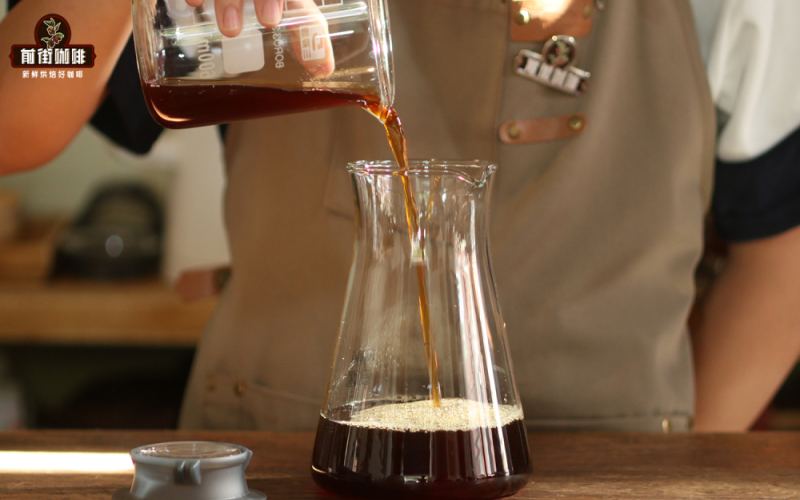
Cold Brew Coffee Water Temperature | Can Hot Water Be Used to Extract Coffee for Making Cold Brew? Which Types of Coffee Beans Are Suitable for Cold Brew Coffee?
Besides being extracted with hot water, coffee can also be made with cold water. Coffee made with cold water is called "cold brew coffee," and it has a distinct character compared to hot-brewed coffee. Cold brew coffee is divided into cold brew steeped coffee and ice drip coffee; cold brew steeped coffee is made by soaking coffee grounds in cold water, while ice drip coffee refers to the use of a drip filtration method. [more…]
Flavor Differences Between Ice Drip and Cold Brew Coffee: A Complete Comparison from Grind Size to Coffee-to-Water Ratio
Ice drip coffee and cold brew coffee both belong to the low-temperature extraction camp, yet they present completely different flavor profiles due to their different extraction methods. Many coffee enthusiasts hope to replicate these two drinks at home, but to produce a satisfactory result, one must first understand their respective extraction logic. Starting from Front Street Coffee's practical experience, this article compares in detail the specific differences between the two coffees in grind size, coffee-to-water ratio, extraction time, and final taste, and uses the same medium-light roast Yirgacheffe natural Red Cherry bean for a controlled experiment to help you find the cup that best suits your taste. [more…]
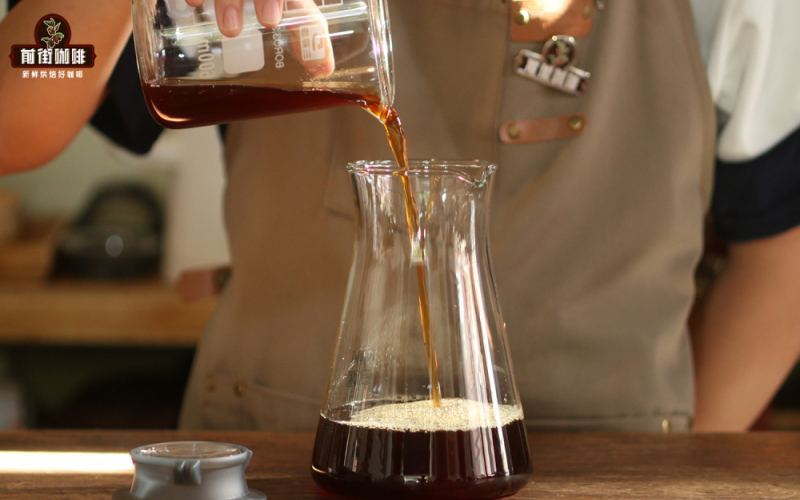
Can Cold Brew Coffee Be Made with Hot Water? A Detailed Guide to Water Temperature, Grind, and Timing in Cold Brew Making
Coffee extraction methods are not limited to hot water—cold water can accomplish the same process, and the cold brew coffee born from this presents a completely different flavor profile from hot-brewed coffee. Cold brew coffee is mainly divided into two forms: cold steep and ice drip, the former steeping coffee grounds in cold water, while the latter uses the drip filtration principle to extract drop by drop. Many friends ask: should cold steep coffee use hot water or cold water? The answer is actually very clear—coffee brewed with hot water can no longer be called cold steep coffee. Cold steep coffee can only be steeped in room-temperature or ice water, and the entire steeping process needs to be maintained in a low-temperature environment. This article, drawing on Front Street Coffee's hands-on experience, will provide a detailed breakdown of the key details for making a delicious cup of cold brew coffee, covering coffee bean selection, grind size, steeping time, and coffee-to-water ratio. [more…]

Why Light-Roast Pour-Over Coffee Tastes More Acidic as It Cools, and Recommended Tasting Times
Many coffee enthusiasts notice that when brewing light-roast coffee, it is rich in aroma and stands out with fruity sweetness right after brewing, but as the temperature drops, the sourness becomes especially pronounced. Is this phenomenon normal? What sensory and chemical reasons lie behind it? Front Street Coffee will analyze this from two dimensions: the patterns of human taste perception and the changes in coffee's own components, explaining the differences in how bitterness, sweetness, and sourness are perceived at different temperatures, as well as the impact of aroma volatilization on the flavor experience. At the same time, the article will also discuss the time windows for tasting at high, medium, and low temperatures, and explain the bitterness and astringency caused by the release of tannic acid, helping you fully experience a cup of coffee's flavor layers within the optimal period. [more…]
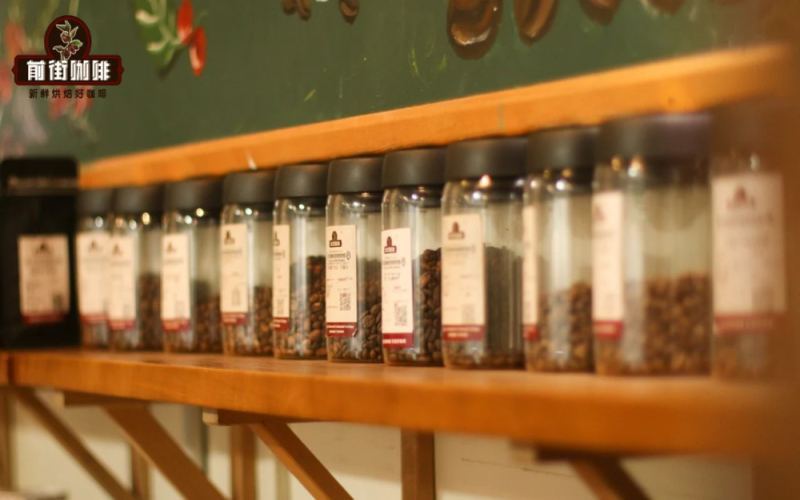
An In-Depth Analysis of Panama Elida Estate Geisha Coffee: Ultra-High-Altitude Terroir and Brewing Performance Across Various Drippers
Geisha coffee is renowned for its elegant and delicate flavors, and the Boquete region of Panama is the quintessential representative origin for specialty Geisha. This article focuses on a famous Panamanian Geisha estate—Elida Estate—and reviews its ultra-high-altitude terroir, variety composition, meticulous harvesting, and processing techniques. Centered on Front Street Coffee's Elida Estate ASD-process Geisha, it also presents roasting analysis and brewing comparisons across multiple drippers. From the estate's history to variety traceability, and from processing methods to extraction parameters, this takes you through a comprehensive understanding of this coffee's flavor sources and differences in performance. [more…]
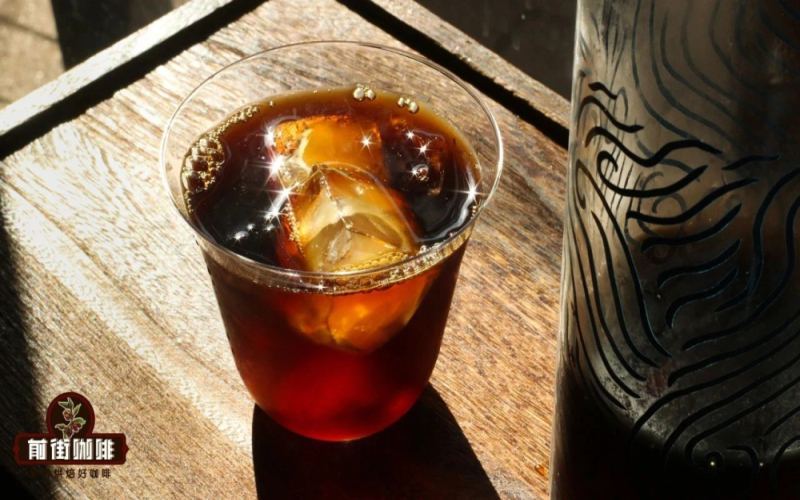
How do you make cold brew coffee taste great? A full breakdown of the coffee-to-water ratio, grind size, and steeping time for Blue Mountain cold brew
Cold brew coffee, through its unique low-temperature slow extraction process, presents a flavor profile completely different from hot brewing. This article uses Front Street Jamaica Blue Mountain No. 1 as an example to systematically explain the key points of making cold brew coffee. Starting with coffee bean selection, it analyzes why medium-light roasts are more suitable for cold brew, and provides an in-depth introduction to the origin advantages and flavor characteristics of Blue Mountain coffee. It also details key parameters such as grind size, coffee-to-water ratio, and steeping time, helping you easily make a balanced and smooth iced coffee at home. [more…]
The Complete Guide to Making Cold Brew Coffee at Home: A Detailed Explanation of Coffee Bean Roast Level Selection, Grinding Parameters, and Steeping Ratios
Making a refreshing, easy-drinking cold brew coffee at home is actually not complicated, but there are a few key details worth paying attention to. Cold brew differs from hot brewing in that it relies entirely on low-temperature water of 4-10°C for slow extraction throughout, so the roast level of the coffee beans, grind size, steeping time, and coffee-to-water ratio all directly affect the final flavor. Front Street Coffee, drawing on its daily production experience, shares a complete approach from bean selection to filtration, and offers specific suggestions regarding the differences in performance between light-roasted and medium-dark-roasted beans. If you'd also like to enjoy a cup of iced coffee with balanced acidity and sweetness and a clean mouthfeel anytime in summer, you might want to try making it by following the steps below. [more…]