








For more specialty coffee knowledge, please follow our WeChat official account: Front Street Coffee (FrontStreet Coffee)
The temperature at which coffee enters the mouth is crucial to the taste experience. I believe everyone knows that tasting coffee needs to be done at high, medium, and low temperatures. The flavors expressed by a cup of coffee at different temperatures also differ. In Front Street's view, tasting coffee is a very subtle matter. Some people think that drinking coffee requires using the tongue's sense of taste to feel it, enjoying the mellow fragrance the coffee leaves in the mouth. The same coffee tastes different at different temperatures, which is actually related to people's sensory sensitivity.
The influence of temperature
Temperature has a great influence on our perception of flavor. The most obvious example is drinking cola. When cola is just taken out of a 3°C refrigerator, the bubbles (carbon dioxide) in the cola burst on the tongue in an instant, like thousands of tiny firecrackers exploding, wave after wave of stinging, spicy pain, so refreshing it makes your whole body tremble. But when it is left at room temperature, cola turns into a strange saccharine-tasting soda.

Coffee tasting time
People who love coffee generally have their own preferred drinking temperature. For example, Front Street's favorite range is 50–60°C. At this point the coffee is neither too hot to burn the mouth, and it also has the richest aroma. Hot coffee is about aroma and temperature; warm coffee is about layers and flavor; cold coffee is about technique and quality. Whether it is espresso or pour-over coffee, the temperature of the coffee goes from high to medium to low, and the flavors at these 3 stages are all different. When food is closer to body temperature, the taste buds are more sensitive in distinguishing flavors.
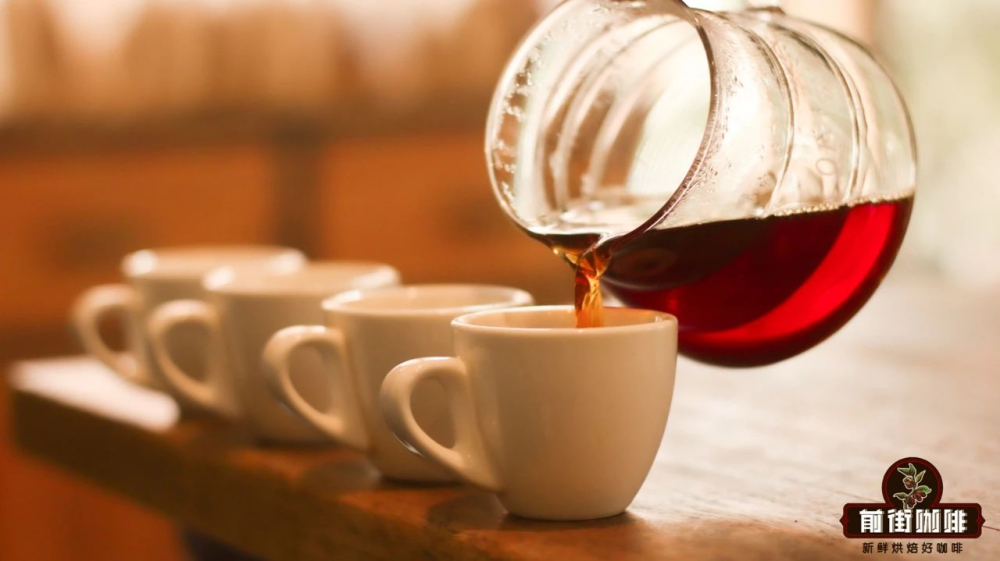
According to research, 20°C–35°C is the temperature range in which the human taste buds are most sensitive, like holding a "taste amplifier" that allows you to taste the flavor of food more carefully. When food is closer to body temperature, the taste buds are more sensitive in distinguishing flavors.
Milk coffee
Friends who often come to Front Street stores to drink coffee should know that when cappuccino, latte, and flat white are just made, the milk is generally heated to 55°C–62°C, because only within this temperature range can the milk bring out the best sweetness and blend with the coffee to create a perfect taste.
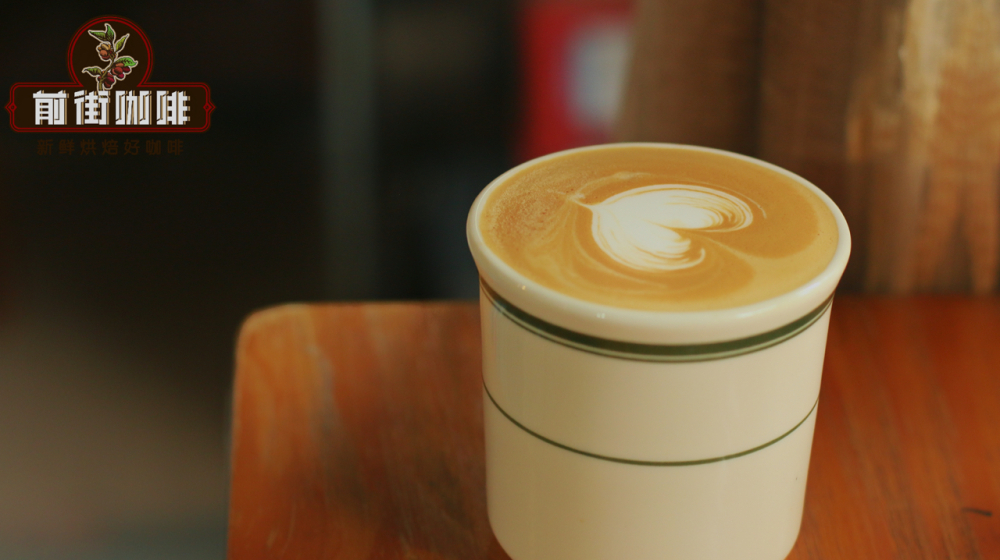
The temperature when drinking is also very important. Try not to let it fall below 45°C. In other words, the best taste is within 10 minutes. Otherwise, after the coffee turns cold, the flavor of the fat and protein in the milk will also deteriorate along with the process of cold > hot > cold. Not only does it amplify the milky odor and cover up the original sweetness, but it also loses the original coffee aroma, and every aspect is greatly reduced, making people unable to help frowning while drinking.
Pour-over coffee
When we make pour-over coffee, the water temperature is generally about 88°C–92°C. During the brewing process, the water temperature will continue to drop, and when finally served, it is generally around 65°C–75°C.

The brewing temperature for pour-over coffee is usually around 90°C. Although the temperature range at which coffee can be drunk is very wide, the temperature range suitable for brewing is relatively narrow.
If the water temperature exceeds 95°C, it is easy to extract the coffee's burnt bitterness; if the water temperature is below 85°C, it is easy to underextract. Front Street recommends that the brewing water temperature is best controlled at 87–93°C. Generally speaking, the lighter the roast, the higher the brewing water temperature; the darker the roast, the lower the brewing water temperature.
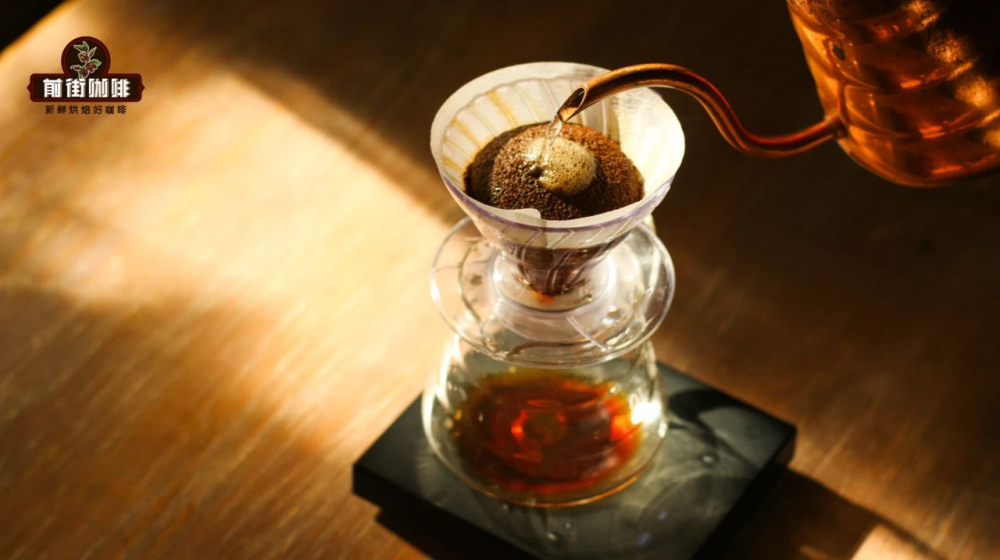
Through testing we know that at a room temperature of 26°C, using 92°C water to make a cup of pour-over coffee within 2 minutes results in a temperature of about 65°C. At this time, it is recommended that you first smell the cup's fascinating aroma, then take a small sip into your mouth, let the coffee liquid cover your tongue, and feel the balance between the coffee's acidity, sweetness, and bitterness as well as its full-bodied feel. Then swallow it and carefully savor the wonderful enjoyment brought by the aftertaste. We can taste the unique flavors displayed by coffee at different temperatures: fruit aromas, floral notes, herbal notes, acidity, nutty flavors, and so on.
Can cooled coffee be reheated?
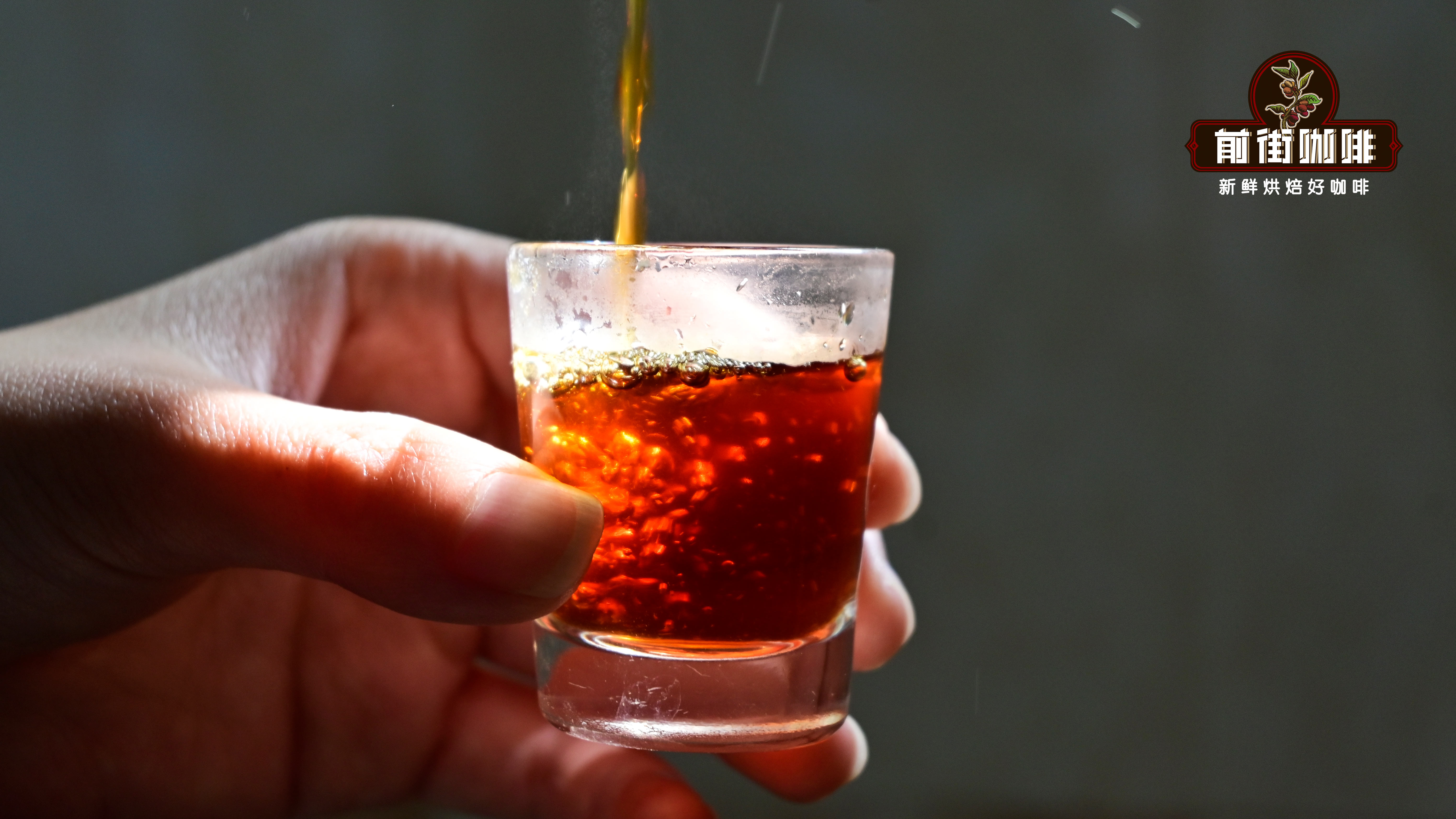
I guess this question has crossed many people's minds~ Maybe some people will choose to reheat the coffee, but we do not recommend doing so. Reheating coffee will change its flavor structure. If the coffee in your hands has already dropped to room temperature, then I would suggest simply savoring this cup of coffee carefully! (At this time the coffee's acidity will come out, and good acidity will turn into pleasant sweetness, making the coffee's deliciousness even more apparent.)
[Further reading]
Researchers at the University of Texas in the United States gathered 300 volunteers to test "What is the most suitable temperature for drinking?" The final conclusion was 136°F, or 58°C.
If you like the juicy feel of coffee, then you can wait until the temperature drops to 50°C–55°C. At this temperature, the coffee's flavor can show richer layers. For example, flavor-oriented beans like Yirgacheffe will show more flavors. If you want to drink the most complete taste of this coffee, then you can wait for the temperature to drop further. However, because hot coffee releases tannic acid during the cooling process, coffee will become sour after it cools.

Although it can also show bright and pleasant fruity acidity at low temperatures, most of the time the taste becomes too complex, and both the acidity and bitterness become too clear, making it unpleasant to drink~ Moreover, this kind of acidity is not bright fruity acidity, but a sharp sourness.

Let me quietly tell everyone that adding ice cubes can change the entire experience. Those bad flavors can become tasty under the stimulation of low temperature. In short, whether it is iced coffee or hot coffee, if you want to drink delicious coffee, then it is best to taste it while the temperature is just right~ That way the coffee's flavor will not change because the time is dragged out!
Summary
Drinking it while hot does not mean drinking it all in one gulp while hot, but rather letting us slowly feel the continuous changes in mouthfeel and flavor that coffee brings from high temperature to low temperature. Experience the different mouthfeels of each coffee! This is the charm of coffee~
The above content is compiled by CoffeeHunters, a coffee news website.


