







What coffee water temperature suits each tasting stage?
Coffee tasting moves through three stages as the cup cools. High temperature, roughly above 60°C, shows aroma and initial sweetness. Medium temperature, around 40 to 55°C, reveals balance between acidity and body. Low temperature, near room temperature, exposes defects, lingering aftertaste and overall cleanliness. Each stage serves a different purpose, and skipping one gives an incomplete picture.
This routine comes from cupping, which uses a standard immersion method: grounds are soaked in hot water for four minutes before evaluation. The same coffee extraction logic applies at home, so a full tasting should run from hot to cold rather than stopping at the first sip. The three broad evaluation criteria to watch are sweetness, acidity and body, all of which shift as temperature drops.
Front Street once pointed out in the article "Does Coffee Have an Optimal Drinking Temperature?" that a complete coffee tasting needs to go through the entire process from high temperature to low temperature, because the flavor and aroma will continuously evolve with temperature and time, and the tasting purpose at each stage is also different. That article focused on explaining the principles but did not elaborate on the specific tasting content, and many readers asked in the backend about the temperatures and purposes corresponding to each stage. This article follows up on the previous one, detailing the temperature ranges and tasting goals corresponding to high, medium, and low temperatures in coffee tasting, and also supplements the basic knowledge of the cupping extraction process, helping coffee enthusiasts understand this tasting method derived from cupping more systematically.
Front Street previously discussed in the article "Does Coffee Have an Optimal Drinking Temperature?" that a complete coffee tasting should run through the entire process from high temperature to low temperature, because the taste and aroma of coffee will continue to evolve as time passes and the temperature drops, so the tasting goals we focus on at each stage are naturally different.
The previous article focused on clarifying the principles behind the changes and did not involve specific explanations of the tasting content, so many readers left messages in the backend asking about the temperatures corresponding to each tasting step and their respective purposes. Based on this, Front Street today will "continue from where we left off" and explain one by one what temperature ranges the so-called high temperature, medium temperature, and low temperature in coffee tasting refer to, and what differences exist in the tasting intentions behind them. But before expanding on that, it is necessary to briefly introduce the coffee extraction process of cupping, since this tasting method is derived from coffee cupping. The reason cupping adopts this tasting logic is not only to evaluate the flavor performance of coffee, but also because it can more effectively reveal the true quality of the coffee.
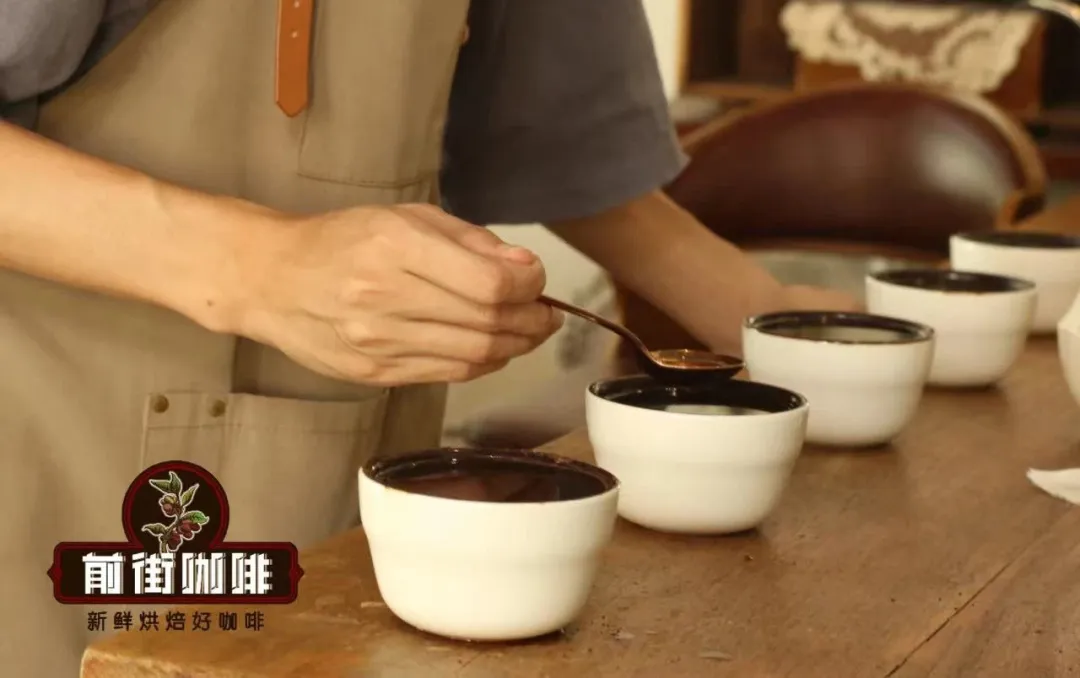
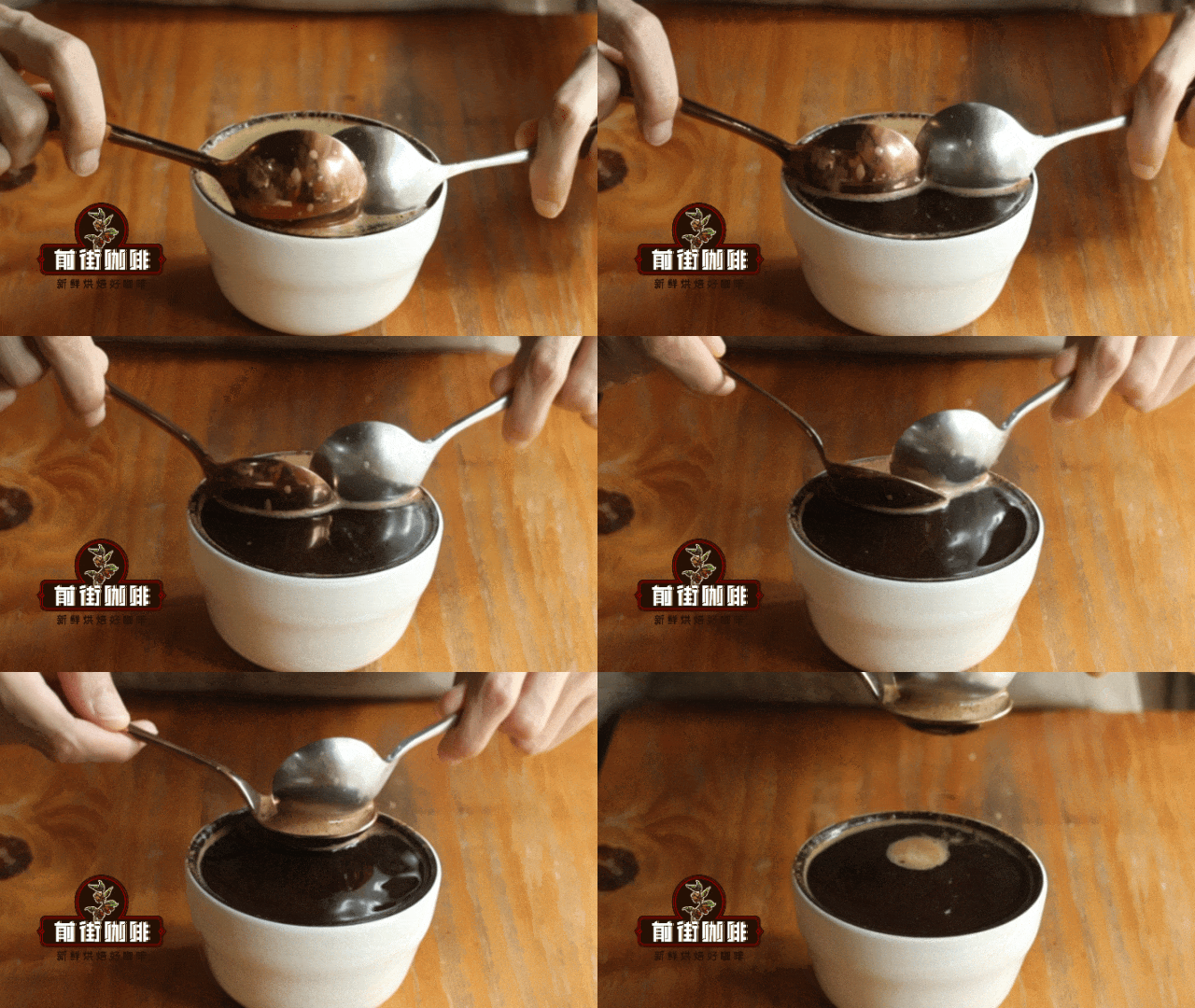
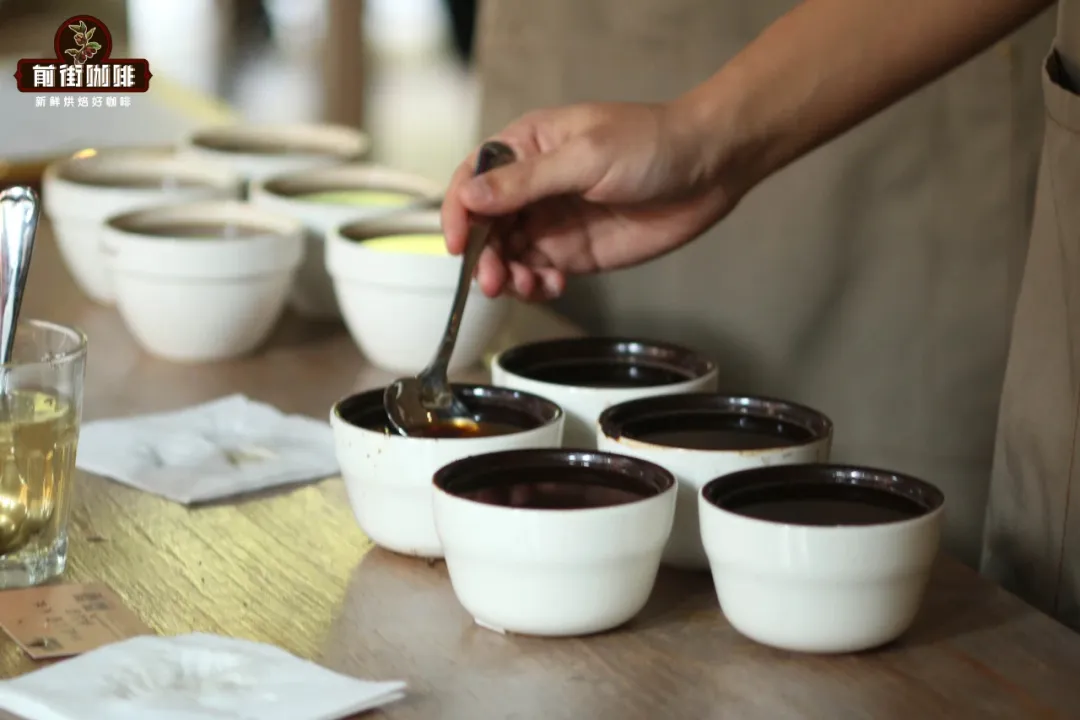
The coffee extraction in cupping adopts a very standard immersion method. The entire operation is nothing more than soaking the ground coffee in hot water for four minutes, basically excluding human intervention and interference throughout the process. After the time is up, you only need to break the crust with a spoon, remove the coffee grounds floating on the surface, and then you can begin the tasting step.
High temperature (70~50°C)
First, let's look at the high-temperature stage of coffee, which corresponds to coffee at a temperature between 70°C and 50°C. Generally speaking, after cupping completes the breaking of the crust, the coffee temperature happens to be around 70°C (the same is true after pour-over coffee is brewed), so tasting can officially begin once the crust is broken.
The above content is compiled by CoffeeHunters, a coffee news website.


