







Search Results for: hour

The Coffee Industry's Off-Season Arrives: An Analysis of the Widespread Reduction in Working Hours for Both Part-Time and Full-Time Employees at Luckin Coffee
After the onset of winter, the coffee and tea beverage market enters its traditional off-season, with store foot traffic and order volumes declining noticeably. Recently, many part-time employees at Luckin Coffee have reported that their scheduled working hours have been significantly reduced, with some being assigned only one shift a week, or even working just over thirty hours in an entire month. Full-time employees have not been spared either, with working hours dropping from over 180 to between 110 and 170, which has also affected their base pay. To make up the target hours, some employees have had to voluntarily support other busier stores. What exactly is causing this widespread reduction in working hours? How do the situations of part-time and full-time employees differ? This article, based on accounts from multiple employees, sorts out the logic behind the current scheduling adjustments at Luckin Coffee stores and reminds practitioners to plan ahead and prepare countermeasures. [more…]
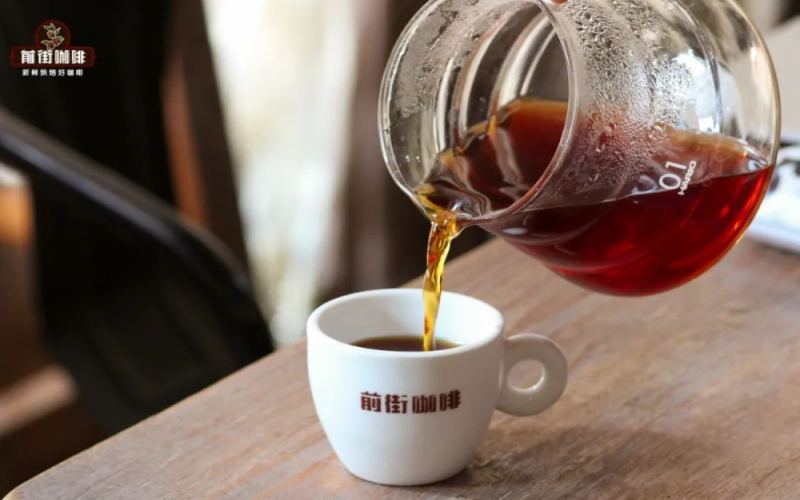
How Much Aroma Can a Thermos Preserve When Storing Pour-Over Coffee? A 6-Hour Flavor Change Test of Yirgacheffe
As temperatures drop, pour-over coffee quickly goes cold. Front Street Coffee conducted an experiment using a washed Yirgacheffe Gedingding, pouring freshly brewed coffee into a 316 stainless steel thermos and sealing it, then measuring the temperature and tasting the flavor hour by hour. At 1 hour, 65.8°C, it still retained floral and citrus notes; at 2 hours, 60°C, there was almost no change; at 3 hours, 54°C, the flavor was slightly weaker; at 4 hours, 50°C, the floral notes had dissipated and the acidity and sweetness became more prominent; at 5 hours, 46°C, only honey green tea and citrus acidity remained. The test shows that a qualified thermos can preserve the flavor well for 2-3 hours, making it suitable for taking to work, but after 4-5 hours the drop in temperature makes it prone to bacterial growth, so long-term storage is not recommended. [more…]
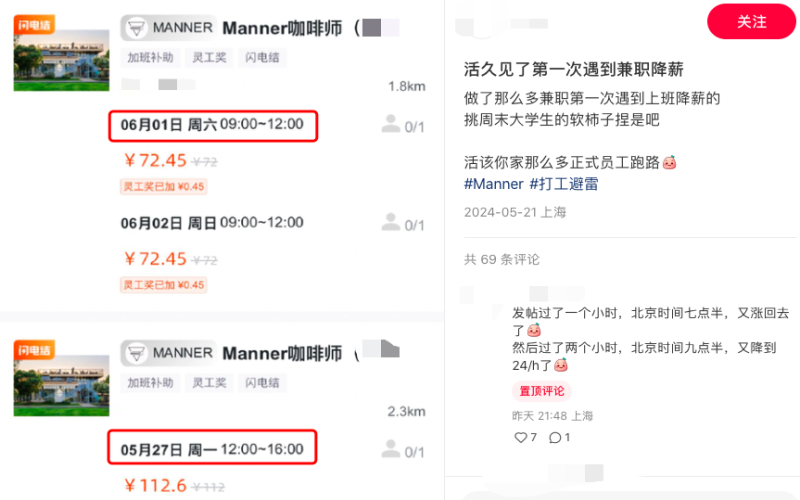
Manner's part-time hourly wage suddenly cut, sparking employee discontent; repeated changes within hours stir controversy
Recently, Manner Coffee has drawn widespread attention after suddenly cutting the hourly wages of its part-time employees. Some part-timers discovered that, even with the same number of scheduled hours for the coming month, their daily income was nearly forty yuan less. It is understood that this wage cut affects multiple regions, with reductions ranging from 1 yuan to 6 yuan, including Shanghai dropping from 28 yuan to 24 yuan and Shenzhen from 28 yuan to 22 yuan. After the news spread, discussions in part-time worker groups became heated, and the brand at one point restored the original hourly wage, only to cut it again less than two hours later, leaving many employees caught off guard. Coming right at the peak summer sales season, whether this move will affect store operations and the stability of the part-time team is worth continued attention. [more…]
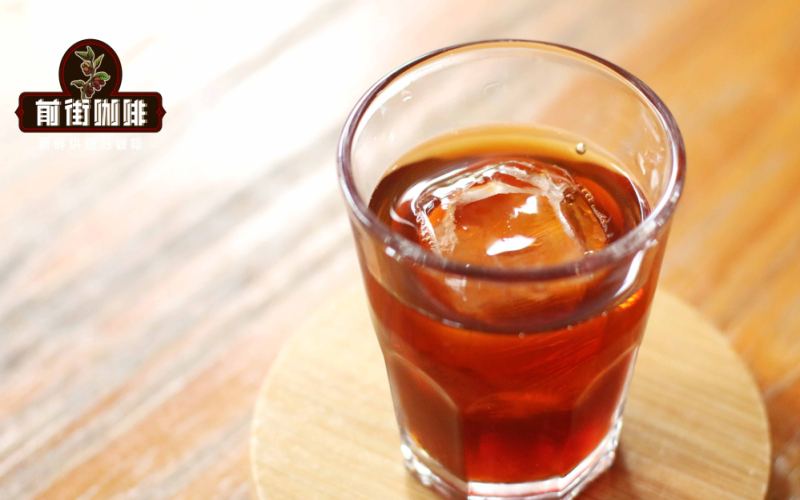
How to Choose the Steeping Time for Cold Brew Coffee? A Flavor Analysis of 12-Hour, 24-Hour, and 4-Hour Differences
Cold brew coffee has rapidly risen in popularity in the coffee world in recent years, thanks to its unique flavor profile achieved through low-temperature slow extraction. The method isn't complicated—just soak coffee grounds in cold water for 12 hours or more and then filter—but the length of the steeping time directly affects the final flavor. This article, through four sets of comparative experiments by Front Street Coffee, provides a detailed analysis of the flavor differences in cold brew steeped for 4, 8, 12, and 24 hours, and offers coffee bean recommendations suitable for cold brew, helping you find the steeping time that best suits your taste. [more…]
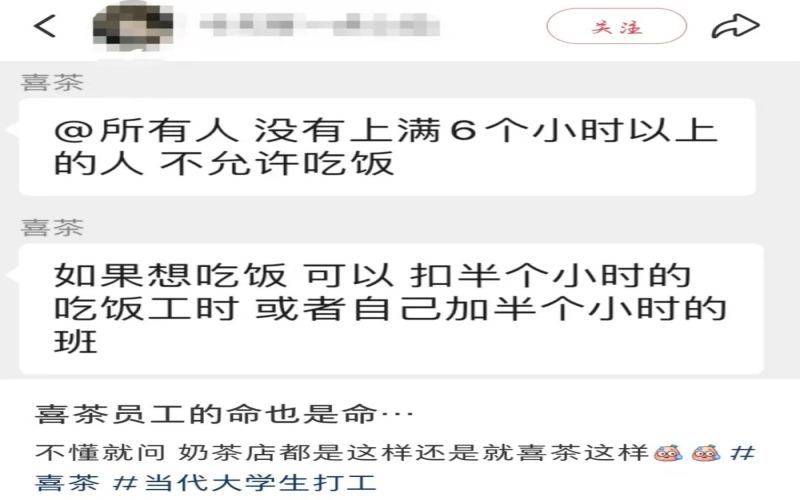
Heytea's Part-Time Employee Meal Policy Sparks Controversy: No Meals for Shifts Under 6 Hours, Shift Scheduling Manipulation Common
Around the Spring Festival, a large number of university students flocked to tea and coffee shops for part-time work, but a rule at Heytea about mealtimes sparked confusion among employees: they are not allowed to eat unless they have worked a full 6 hours, and if they want to eat, they must either have half an hour deducted from their work hours or volunteer to work overtime. Multiple Heytea part-time employees reported encountering similar or even harsher requirements, and some stores were found to deliberately cap work hours and shorten shifts. In the food and beverage industry, mealtimes are peak hours, so it is normal for workers to be unable to eat on time, but employees question whether the rule is reasonable, believing that management, under the pretext of controlling labor efficiency, is cutting work hours and forcing workers to labor almost without rest while starving. [more…]
Luckin Coffee Mid-Autumn employee gift boxes set a work-hour threshold; part-timers must reach 360 hours to be eligible
As the Mid-Autumn Festival approaches, companies are showing off their employee gift boxes, and Luckin Coffee's Mid-Autumn benefits have sparked heated discussions on social media. Unlike previous years, this year Luckin has set clear work-hour thresholds for gift box distribution: full-time employees receive them via unified delivery from headquarters, while part-time and student employees must meet cumulative work-hour requirements for June to August. The gift boxes contain items such as Bluetooth earphones, straw cups, and mooncakes, and their practicality has earned praise from many employees, with some even offering 120 yuan to buy them on second-hand platforms. However, employees at joint-operation stores and part-time workers who did not meet the work-hour threshold were excluded, triggering dissatisfaction among some employees. This article will sort out the gift box distribution rules, employee feedback, and the corporate welfare management issues reflected therein, and include related recommendations from Front Street Coffee. [more…]
How does cold brew steeping time affect flavor? Extraction results and bean selection tips for 12 to 24 hours
Cold brew coffee has become a popular drink in recent years, and its core lies in the long soaking of coffee grounds in cold water for low-temperature extraction. But is longer soaking time always better? Through Front Street's comparative experiments, this article analyzes in detail the differences in cold brew flavor among four time periods—4 hours, 8 hours, 12 hours, and 24 hours—and explains the effects of soaking duration on concentration, complexity, and the balance of acidity, sweetness, and bitterness. At the same time, it shares a simple home cold brew process, coffee-to-water ratio, grinding suggestions, and recommends light-roast and balanced coffee beans suitable for cold brew, helping you find the cold brew solution that best suits your taste. [more…]
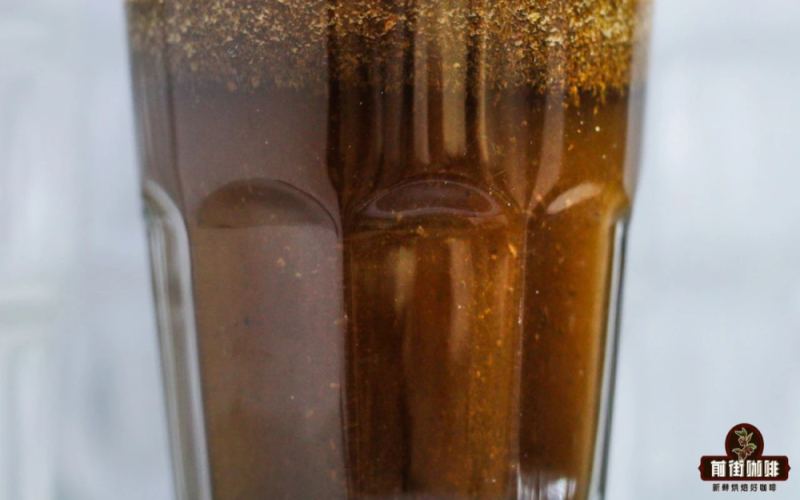
How Should Cold Brew Coffee Steeping Time and Grind Size Be Paired? Front Street Coffee's Hands-On Test of Flavor Differences from 4 to 22 Hours
Cold brew, with its low-temperature slow extraction method, has become the easiest type of iced coffee to make in summer. It is not fussy about beans or equipment, and the parameters allow plenty of room for error. However, with temperature fixed and the coffee-to-water ratio determining concentration, the two variables that truly shape the final flavor are grind size and steeping time. Front Street Coffee conducted a time-comparison experiment using Red Cherry coffee beans, steeping them for 4, 10, 16, and 22 hours respectively, comparing the flavor performance at different time points, and offering a steeping range suitable for daily brewing along with two practical scenario solutions to help everyone consistently make a balanced, full-bodied cold brew at home. [more…]
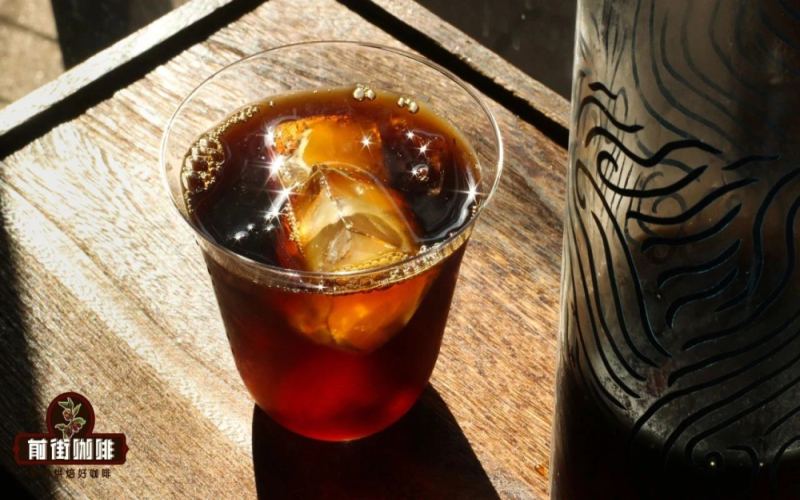
Cold Brew Coffee Steeping Time Fully Explained: From 8 to 18 Hours, Can It Be Stored Overnight After Filtering?
Cold brew coffee, with its low-temperature steeping and simple operation, has become a popular choice for making iced coffee at home. But steeping times range from 8 to 18 hours—so how long is best for optimal flavor? Can filtered cold brew be left overnight? Starting from Front Street Coffee's own testing, this article uses four comparison experiments with different steeping durations to reveal how time affects cold brew flavor, offers two practical timing plans for everyday scenarios, and shares how refrigerating after filtering improves the flavor, helping you easily make a balanced, full-bodied iced coffee at home. [more…]
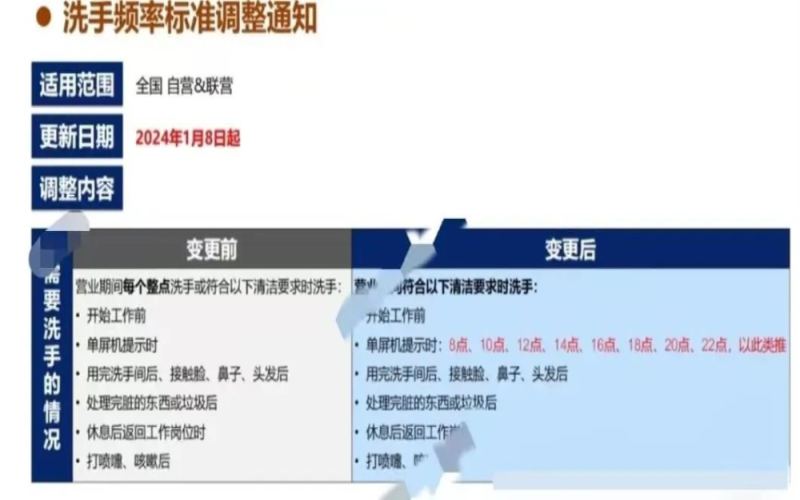
Luckin Adjusts Handwashing Frequency Standard: From Once Every Hour to Once Every Two Hours, Employees Say They Finally Got What They Wished For
Luckin Coffee recently issued a notice regarding an adjustment to handwashing frequency standards, changing the previous requirement of washing hands once per hour to once every two hours. This change has delighted many Luckin employees, as last year's "pain of Luckin baristas' ruined hands" drew widespread attention. Frequent handwashing caused skin allergies and other problems that long plagued frontline baristas, with some even leaving their jobs because of it. The new rule will take effect on January 8. However, some employees believe the adjustment is limited in scope, as the actual number of handwashes during work remains relatively high. While maintaining high food safety standards, Luckin has begun to pay attention to employees' actual experiences. [more…]
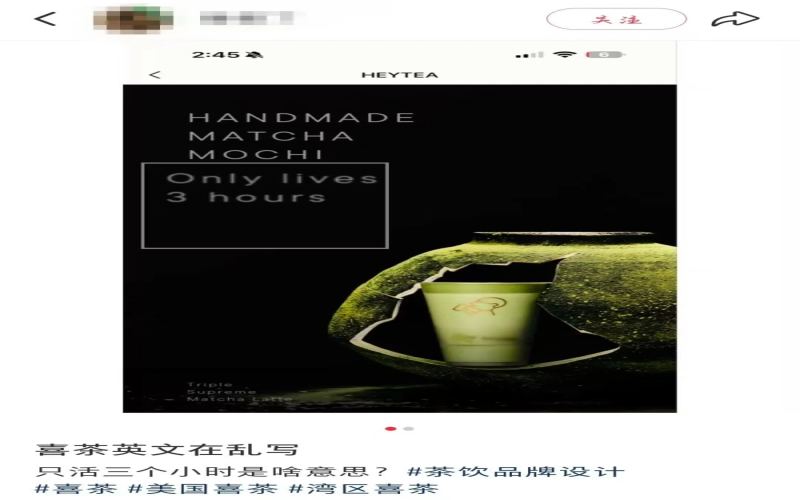
Heytea's new matcha product in the US sparks controversy over its English label—what does "only alive for 3 hours" actually mean? The official response is here.
Heytea has brought its popular matcha drink "Triple Thick Matcha" from China to the U.S. market, rolling out a limited-time buy-one-get-one-free promotion, but a small line of English text on the promotional poster—"only lives 3 hours"—sparked widespread discussion. The phrase, which literally means "only lives 3 hours," left many consumers puzzled: does it refer to the drink's optimal flavor window, the duration of the promotion, or the shelf life of the matcha mochi topping? Netizens each had their own interpretation, with some even questioning whether the brand's copywriting review process was inadequate. Hours after the controversy escalated, Heytea's official customer service contacted the original poster to explain, and the poster in question has since been corrected. This article provides a complete rundown of how the incident unfolded and the various viewpoints involved. [more…]

Kenya 72-Hour Washed Process Explained: Double Fermentation and AA-Grade Coffee Brewing Flavor Characteristics
Kenyan coffee is renowned for its vibrant acidity and clean cup profile, and its distinctive flavor is largely attributed to the iconic 72-hour washed processing method. Known as double washing, this technique uses two rounds of fermentation and two rounds of rinsing, allowing the coffee beans to shed their mucilage while boosting acetic acid concentration, thereby shaping an unforgettable fruity character and bright acidity. This article breaks down the complete process of Kenyan double fermentation in detail, explains why the total time can reach 48 to 72 hours, and introduces the AA grade classification standards. At the same time, using Front Street Kenya Small Tomato Coffee as an example, it shares practical parameters and flavor performance for hot pour-over, helping coffee enthusiasts gain a more comprehensive understanding of this bean's processing logic and drinking approach. [more…]

Wuhan Coffee Shop's On-Time Closing Sparks Negative Review Controversy: How to Balance Employees' 8-Hour Workday with Customers' Dining Experience
Recently, a coffee shop in Wuhan received a one-star review from a customer for closing promptly at 19:30. After the incident was reported by Jiupai News, it quickly sparked widespread discussion online. The review claimed that staff told the customer to "pack up and get out" before they had finished eating, while the shop responded that it strictly complies with the 8-hour workday under labor law, and after reviewing surveillance footage, found no excessively aggressive language from employees. The owner said they understand customers' desire for later closing hours, but also asked for understanding of workers' right to clock off on time. Netizens' views are polarized: some support the shop's right to close on time as long as it gives advance notice, while others suggest stopping orders half an hour early to avoid conflict. This controversy reflects the real-world tension in the food service industry between employee rights and customer experience. [more…]
Cold Brew Coffee Guide: How Water Temperature, Grind Size, and Steeping Time Affect Flavor
A cold, refreshing glass of cold brew coffee in summer is enough to awaken dormant taste buds. Unlike brewing with hot water, cold brew extracts slowly at low temperatures, offering greater tolerance for parameters and a lower barrier to entry. Front Street Coffee has found through experiments that steeping time from 4 hours to 22 hours produces significant flavor differences. This article will analyze in detail the water temperature settings, grind size, coffee-to-water ratio, and optimal steeping duration for cold brew, and provide two practical scenarios suitable for daily operation, helping you easily make a balanced, aromatic iced coffee at home. [more…]
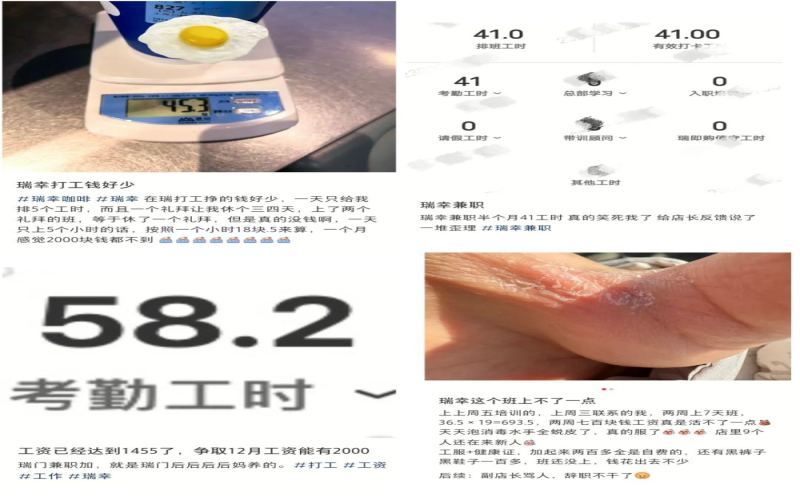
Behind the Shrinking Hours of Luckin Part-Time Baristas: Strict Quality Control, Unpaid Overtime at Closing, and the Reality of a 2,000-Yuan Monthly Salary
Recently on social platforms, many part-time Luckin employees have posted about reduced shifts and monthly pay of only around two thousand yuan, drawing attention. After winter arrives, Luckin stores control part-time working hours, and it is not uncommon for only five hours to be scheduled in a day and only three or four days of work in a week. At the same time, Luckin baristas also have to face strict quality control inspections known as "nightmares," hand damage caused by frequent handwashing and sanitizing, and unpaid overtime of anywhere from a dozen minutes to an hour after closing. This article, based on real feedback from part-time employees, sorts through Luckin stores' quality control system, closing procedures, and part-time employment system, presenting a little-known side behind the barista position. Front Street Coffee also continues to pay attention to the real situation of workers in the coffee industry, providing enthusiasts with diverse perspectives. [more…]
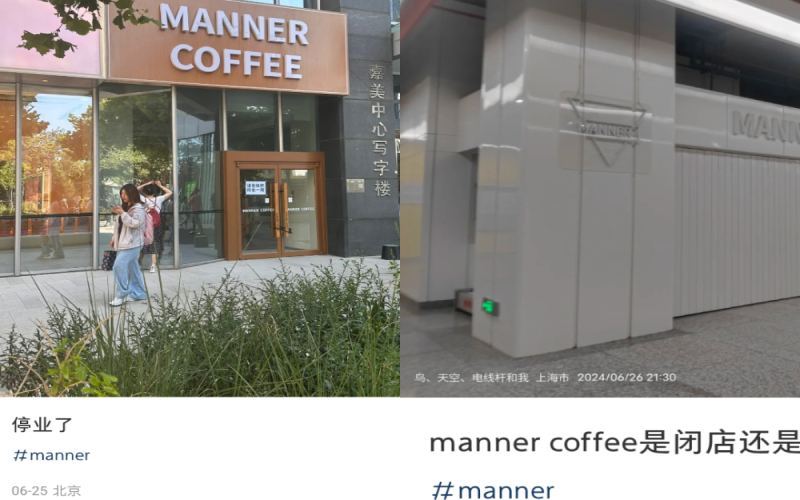
Manner stores see sudden wave of temporary closures: internal staffing adjustments and shortened business hours draw attention
Recently, many consumers have noticed that Manner coffee shops near them have suddenly closed their doors, showing "resting" on the mini-program, with no clear notice and no timetable for resuming business. It is understood that this phenomenon is closely related to Manner's internal personnel adjustments: baristas with excessive working hours are arranged to take leave, while those with insufficient hours are transferred to other stores for support, resulting in some stores having to temporarily close. At the same time, the brand has also shortened the operating hours of some stores, with morning shifts starting later and evening shifts ending earlier. Whether this adjustment can allow Manner to find a balance between chain expansion, specialty quality, and affordable positioning has become a focal point of industry attention. [more…]
Analysis of the Relationship Between Cold Brew Steeping Time and Flavor: A Guide to Overnight Drinking, Caffeine Content, and Healthy Consumption
Cold brew coffee, with its low-temperature extraction and easy operation, has become the top choice for many coffee lovers making iced coffee at home. But there are still plenty of questions surrounding it: Can you still drink it after leaving it overnight? Does it have less caffeine than hot coffee? How should you drink it to be healthier? Drawing on Front Street's hands-on testing experience, this article uses Red Cherry coffee beans in a comparative experiment with different steeping durations, sorts out the coordination logic among grind size, coffee-to-water ratio, and time, and offers two everyday cold brew scenarios to help you reliably make a delicious and reassuring cup of cold brew within the safe window of 8–18 hours. [more…]

JJ Lin's coffee brand opens a pop-up store in Nanjing on Qixi, with fans queuing for hours to check in.
Lin Junjie's coffee brand Miracle Coffee recently restarted in mainland China, with its first pop-up store opening on Qixi Festival on the 1st floor of Huacai Tiandi in Hexi, Nanjing. Although it is only a pop-up format, fan enthusiasm has not diminished. On the first day of opening, a long queue formed before business hours, with waiting times generally 2 to 3 hours during peak periods, and some even waited 5 to 6 hours to successfully check in. The production team for this Miracle Coffee is the champion-level brand S.O. The official Nanjing store has also begun renovation and is expected to open at the end of September, when Lin Junjie is expected to appear in person. [more…]
An In-Depth Interpretation of Kenya's 72-Hour Double Washed Process: How K72 Processing Shapes the Tomato and Berry Flavors of Front Street AA Coffee
Kenyan coffee is renowned for its bright acidity and clean mouthfeel, with the K72-hour double washed method being the key to its flavor. This article provides a detailed explanation of this processing method's two fermentation and two washing stages, explaining how fermentation time control affects the coffee's acidity and cleanliness, and introduces the Kenya AA grading standard. At the same time, combined with Front Street Coffee's Kenyan Little Tomato coffee, it provides hot pour-over parameters and flavor descriptions to help readers understand the complete flavor logic from processing method to cup. [more…]

Cold Brew Coffee | How Long Should Coffee Grounds Be Steeped When Making Cold Brew Coffee? Does Steeping the Grounds Longer Make the Flavor Stronger?
In Front Street's view, cold brew coffee is one of the best iced coffees to make at home, because it not only works with the vast majority of coffee beans, but also has a very low barrier to entry—even without any specialized brewing equipment at home, you can still make a pretty good-tasting iced coffee, which is quite convenient. Because it is steeped in a low-temperature environment [more…]