







Search Results for: heart-shaped latte art
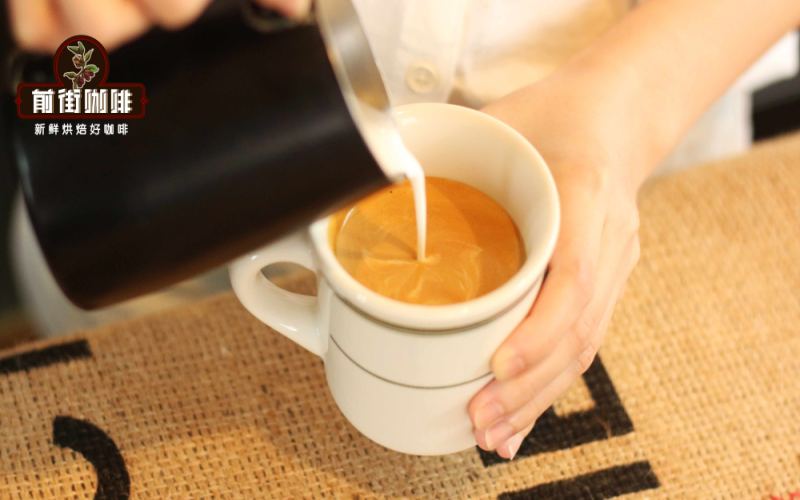
Practical Guide to Heart-Shaped Latte Art: A Complete Tutorial from Bean Selection to Finishing Techniques
Many people see heart-shaped latte art in coffee shops and think it looks easy to do, but once they actually try it, they discover there is quite a bit of technique involved. To make beautiful latte art, at least three prerequisites must be met: freshly roasted espresso beans, fresh milk kept refrigerated at low temperature, and an espresso machine with a pressure-boosting function. This article starts with the selection of Front Street Coffee beans and breaks down the entire process of heart-shaped latte art in detail, including extraction parameters, milk frothing methods, control of the amount used for incorporation, selection of the pour point, and common mistakes made during the finishing stage, helping coffee enthusiasts and novice baristas master the technique of consistently producing latte art step by step. [more…]
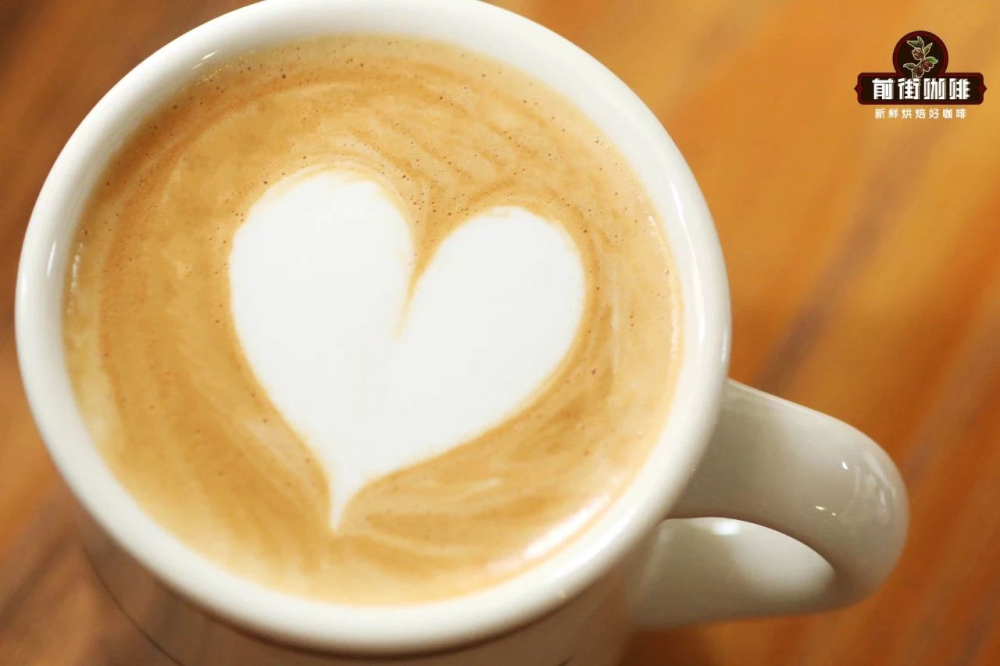
Coffee Beans Specifically for Latte Art | What Kind of Espresso Beans Are Suitable for Latte Art? Step-by-Step Tutorial on How to Make a Heart-Shaped Latte Art
For more specialty coffee knowledge, please follow: Front Street Coffee (Frontsteet Coffee). Latte art almost always uses Espresso as the base, and when brewing Espresso, there are actually tricks to make it more suitable for latte art. So, which kind of coffee beans is more suitable for latte art? [more…]

A Detailed Guide to Coffee Latte Art for Beginners | Which Coffee Beans Are Suitable for Latte Art? How Do You Make a Heart-Shaped Latte Art Pattern on an Espresso Latte?
Latte art in espresso coffee is the best expression of the fusion between hot milk and coffee liquid. At Front Street Coffee, when making milk coffee, there are always customers who request latte art. In latte art, steaming milk is crucial—only by creating smooth, silky milk foam can the flavor of milk coffee be fully expressed. [more…]
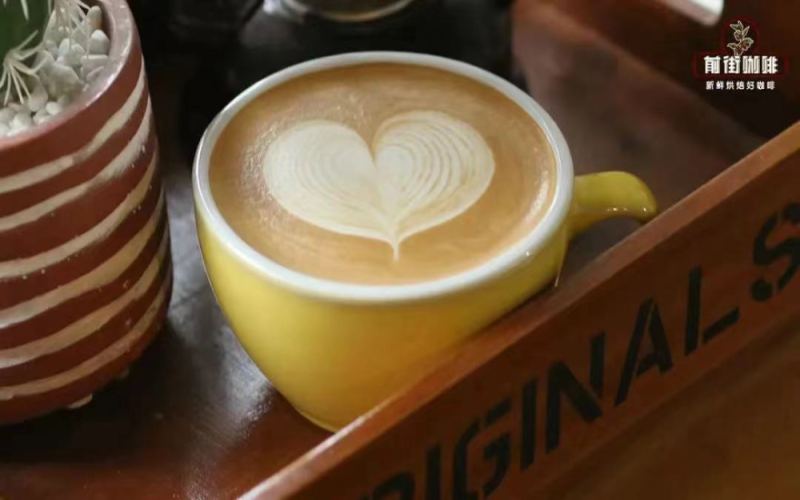
Beginner Latte Art Tutorial Explained | How Can Coffee Newbies Make a Heart-Shaped Latte Art? How Do You Use an Espresso Machine to Steam Silky, Smooth Milk Foam?
For professional coffee knowledge exchange and more coffee bean information, please follow Coffee Workshop (WeChat official account cafe_style). For more specialty coffee beans, please add private WeChat Front Street Coffee (FrontStreet Coffee), WeChat ID: qjcoffeex. Coffee latte art is coffee [more…]
Latte Art Hearts from Scratch: Espresso and Milk Foam Techniques and Key Principles for Pouring Patterns
Latte art is a direct reflection of a barista's comprehensive skills. Behind a seemingly light and airy pattern lies the layered coordination of espresso quality, milk foam condition, and pouring technique. From the practical perspective of Front Street Coffee, this article systematically explains the prerequisites and operational details of heart-shaped latte art: how to choose an espresso blend suitable for latte art, how to use a steam wand to create fine and smooth latte milk foam, and the specific application of the five pouring principles—integration, pouring point, convection, and finishing. Whether you are a beginner just starting with latte art or an experienced hand looking to correct your movements, you can find actionable references here to gradually pour a full and clean heart-shaped pattern. [more…]
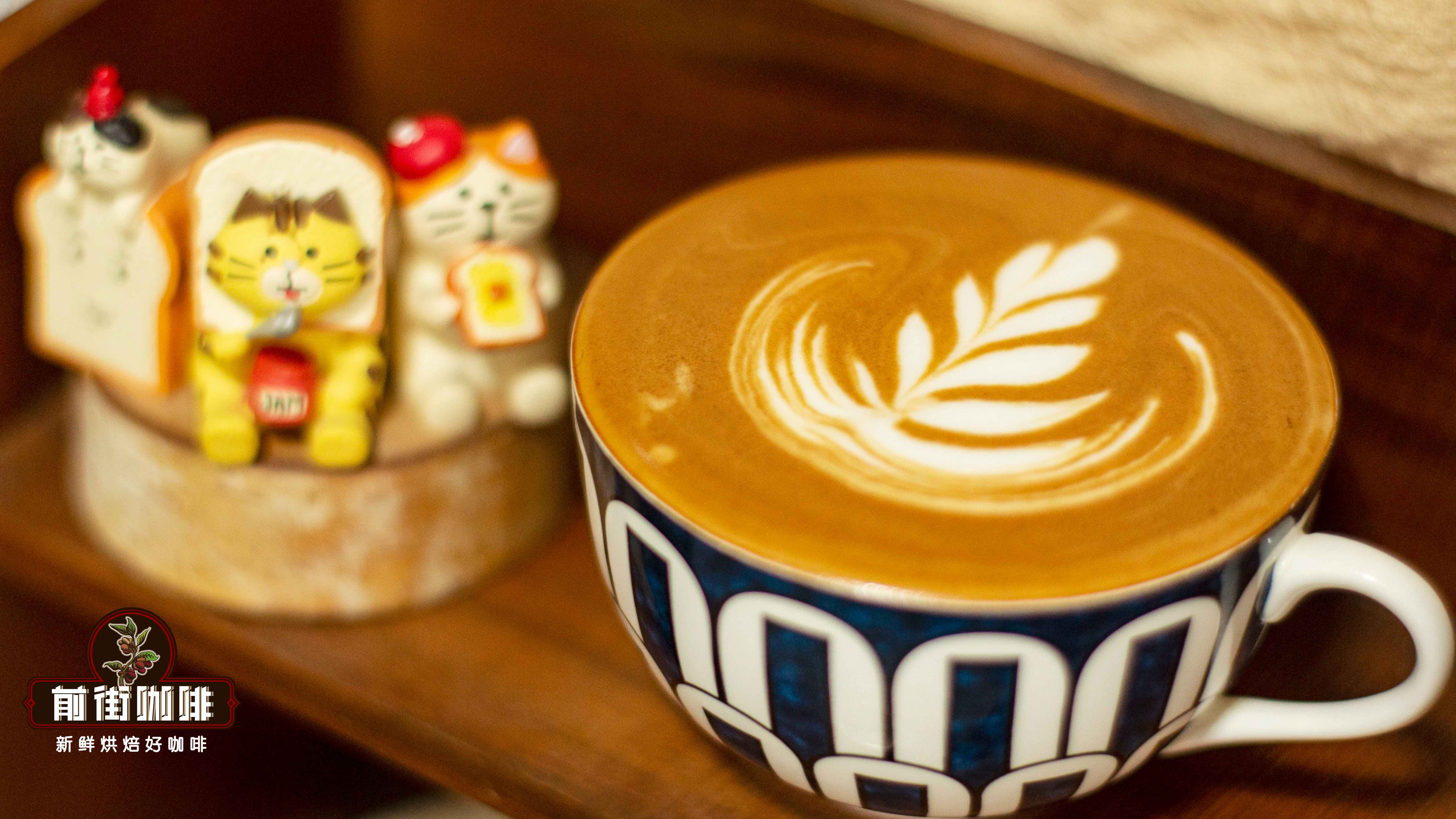
Fresh Milk Selection and Milk Foaming Explained: A Practical Guide to Making a Beautiful Heart Latte Art at Home
A latte with an exquisite latte art pattern not only enhances a coffee shop's professional image but also leaves customers with a lasting impression of the brand. In fact, creating beautiful latte art at home isn't difficult—the key lies in choosing the right milk, steaming fine and stable microfoam, and pulling a shot of espresso with just the right amount of crema. Drawing on the hands-on experience of Front Street Coffee, this article explains in detail which types of milk are suitable for latte art, the techniques for steaming milk, and the key points of espresso extraction, and then walks you through step by step the most basic yet classic heart-shaped latte art pattern, making it easy for beginners to get started. [more…]

Master the Basics of Heart Latte Art: A Comprehensive Guide from Espresso Extraction to Pitcher-Holding Posture
Many coffee enthusiasts encounter the same confusion when first learning latte art: why is it that the milk foam is whipped decently, yet they still can't pour a clear pattern? The problem may not lie in your technique, but rather in foundational elements like the pitcher-holding posture, integration technique, and coffee bean selection not being in place. This article will systematically explain the key points for creating a perfect heart-shaped latte art, including how to choose an espresso with rich crema, the basic principles of latte art, two practical pitcher-holding methods, and operational details for integration and pouring the pattern. It also recommends two coffee beans suitable for latte art practice—Front Street Classic Blend and Front Street Commercial Blend—to help you develop stable muscle memory within 20 days, so that every cup of latte can present a beautiful heart-shaped pattern. [more…]
A Beginner's Guide to Latte Art: Key Points for Making Milk Foam and a Detailed Step-by-Step Guide to Heart and Leaf Patterns
For friends who are just getting into latte art, mastering milk frothing and pouring techniques are the two most critical fundamental skills. Starting from the recommendations of Front Street Coffee, this article breaks down in detail the complete process required to make a heart-shaped cappuccino—from espresso extraction, milk selection and frothing temperature control, to the changes in pitcher height, angle and flow rate during staged pouring, all are explained one by one. At the same time, the article also provides a comparative analysis of common variables such as steam wand types and steam volume, helping beginners identify problems more quickly in practice. Whether you want to pour a neat heart or a leaf pattern, this tutorial can provide a clear reference path. [more…]
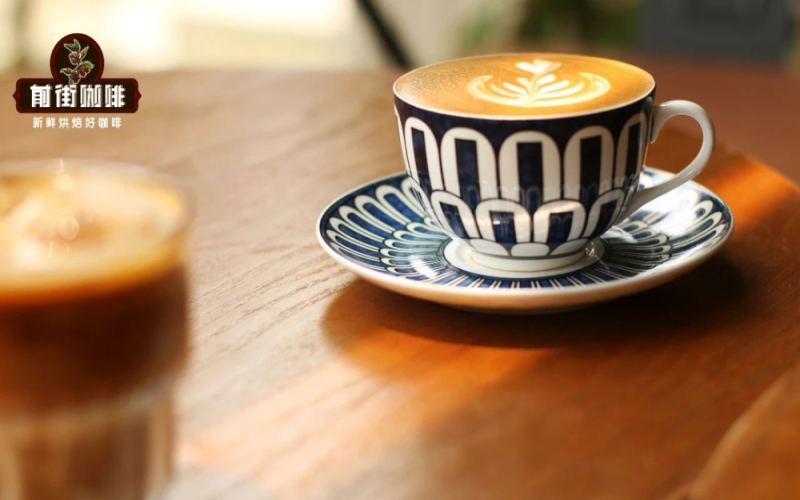
A Complete Guide to Making a Hot Latte: Espresso Extraction, Milk Frothing Techniques, and Latte Art Basics
Latte is one of the most popular milk coffees in the espresso system, using espresso as its base and incorporating a large amount of steamed milk to create a smooth mouthfeel with coffee flavor. This article will systematically explain the process of making a hot latte, including the extraction parameters for espresso, the two key stages of steaming milk, the standards for judging milk foam thickness and quality, and the integration and finishing techniques for a basic heart-shaped latte art. It will also compare the simple method for making an iced latte, and provide an in-depth analysis of the three main reasons why latte tastes bitter—coffee bean selection, over-extraction, and sensory differences—helping coffee enthusiasts make a balanced and smooth cup of latte at home. [more…]
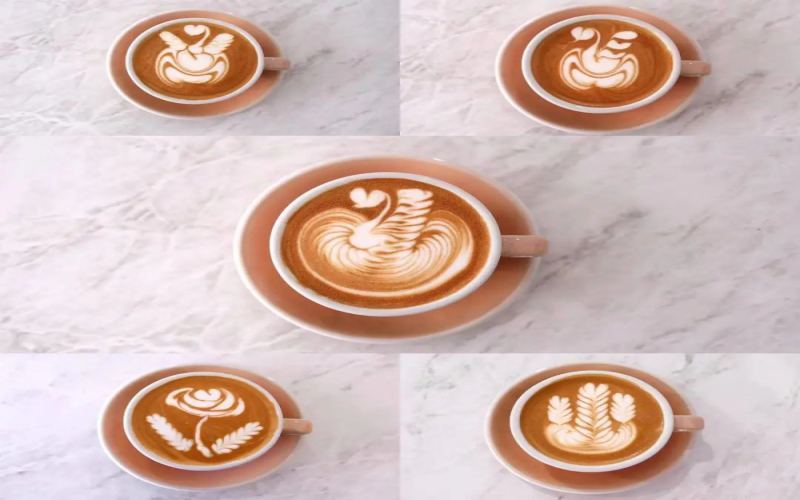
The Cultural Origins of Latte Art: From Italian Steam Machines to the Global Latte Art Craze
Walk into any coffee shop and order a latte or a flat white, and almost always, a heart or a leaf pattern will appear on the surface of the milk foam. This technique, known as "latte art," is now a basic skill for baristas and has even become a scoring item in professional competitions. But have you ever wondered who was the first person to draw patterns on coffee? Was latte art born in Italy or the United States? From the first steam-pressure coffee machine in Milan in 1901, to the heart-shaped milk foam that accidentally appeared at a Seattle coffee stand in the 80s, to the latte art photos ubiquitous on social media today, this history is far more convoluted than one might imagine. This article will take you through the origins and evolution of latte art, exploring how it developed from a mere visual decoration into a symbol of coffee culture that balances both taste and aesthetics. [more…]
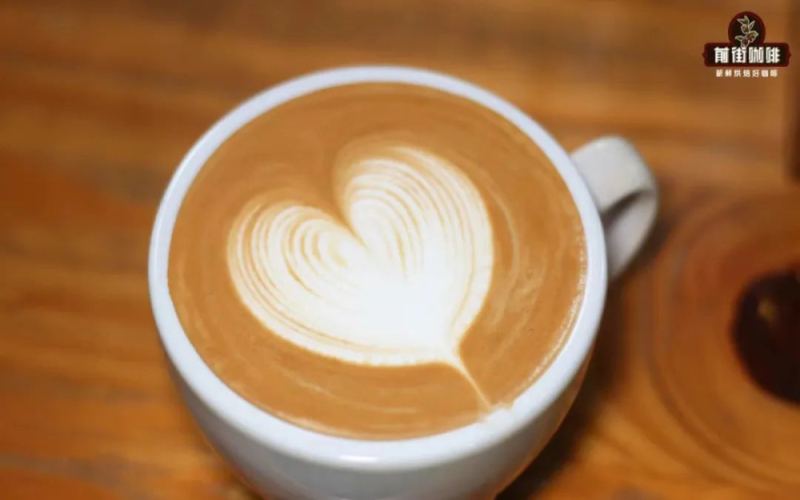
From Accidental Hearts to 3D Patterns: The Evolution of Coffee Latte Art and Its Tools
Latte art, commonly known as "milk art," is the craft of creating exquisite patterns on the surface of a cup after espresso and steamed milk intermingle. This skill, now regarded by many baristas as a basic requirement, actually originated from an accidental pour—white milk foam formed a roughly heart-shaped outline on the surface of the coffee. Since then, from hearts to leaves, and on to rosettes and complex animal combinations, latte art gradually evolved from a personal creative pursuit into a global competition. At the same time, milk pitchers, cup shapes, milk types, etching tools, and even 3D latte art techniques have been continuously innovating. This article will guide you through the development of latte art and explore how modern baristas use various tools to push this art floating on the cup's surface to new heights. [more…]

Step-by-Step Latte Art Tutorial | What Are the Requirements for Latte Art Coffee Beans? Recommended Specialty Espresso Beans for Milk Coffee
Latte art almost always uses espresso as its base, and when brewing espresso, there are actually tricks to make it more suitable for latte art. So, which kind of coffee beans is more suitable for latte art? Front Street Coffee is here today to give the answer. Recommendations for choosing latte art coffee beans. To make perfect latte art, we first [more…]
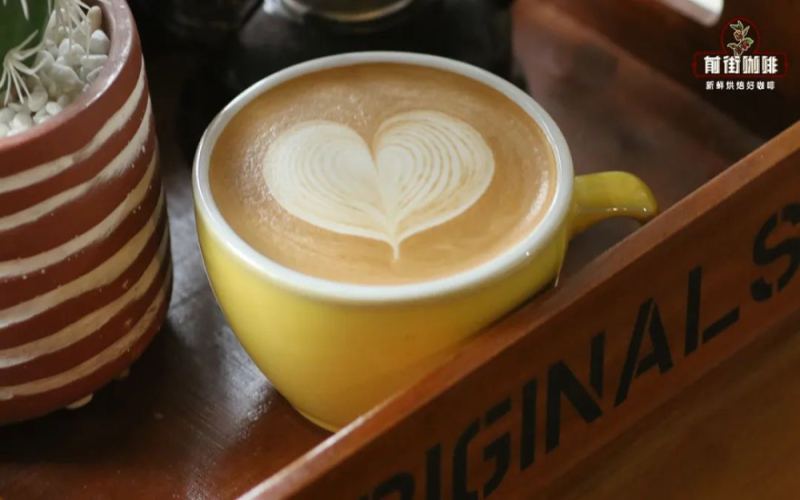
Latte Art Layered Heart Tutorial: A Detailed Guide to Milk Foam Thickness, Flow Control, and Pitcher Movement Techniques
The multi-layered heart is a variation pattern within heart-shaped latte art that boasts a strong sense of layering. Its operational foundation is very close to that of the large桃心, but it has stricter requirements in details. In this article, Front Street Coffee will guide you through the process of creating the large桃心 and focus on breaking down the key differences of the multi-layered heart in milk foam thickness, milk pouring flow rate, and pitcher manipulation techniques. Through the combination of pictures, text, and video explanations, we aim to help coffee enthusiasts who have mastered the large桃心 to smoothly advance to the multi-layered heart latte art with fine lines and distinct layers. [more…]
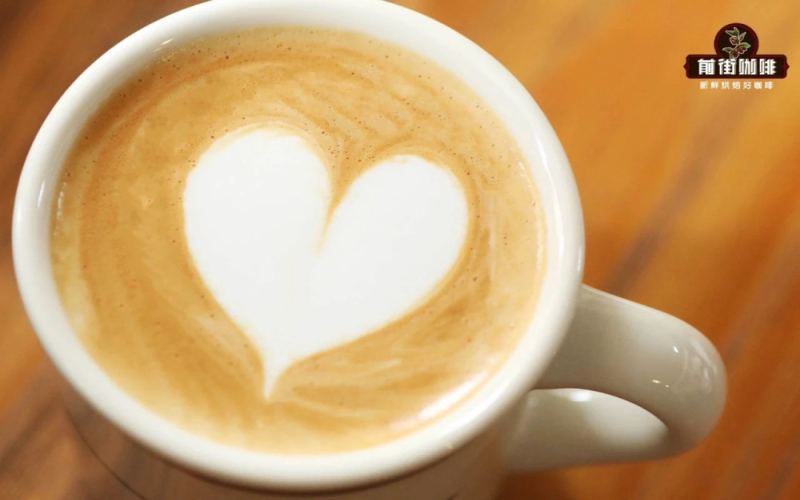
How to Choose Coffee Beans for Latte Art? A Full Analysis of the Three Core Steps and Milk Frothing Techniques
To pour beautiful latte art, the state of the espresso crema is key, and the choice of coffee beans directly determines the thickness and stability of that crema. Drawing on years of experience, Front Street Coffee recommends several espresso beans suitable for practicing latte art, and explains in detail the complete process from choosing the right amount of milk in the pitcher, steaming and texturing, to forming the latte art. Whether you are a beginner just starting out or an enthusiast looking to refine your skills, this article will help you clarify your approach and avoid detours. [more…]
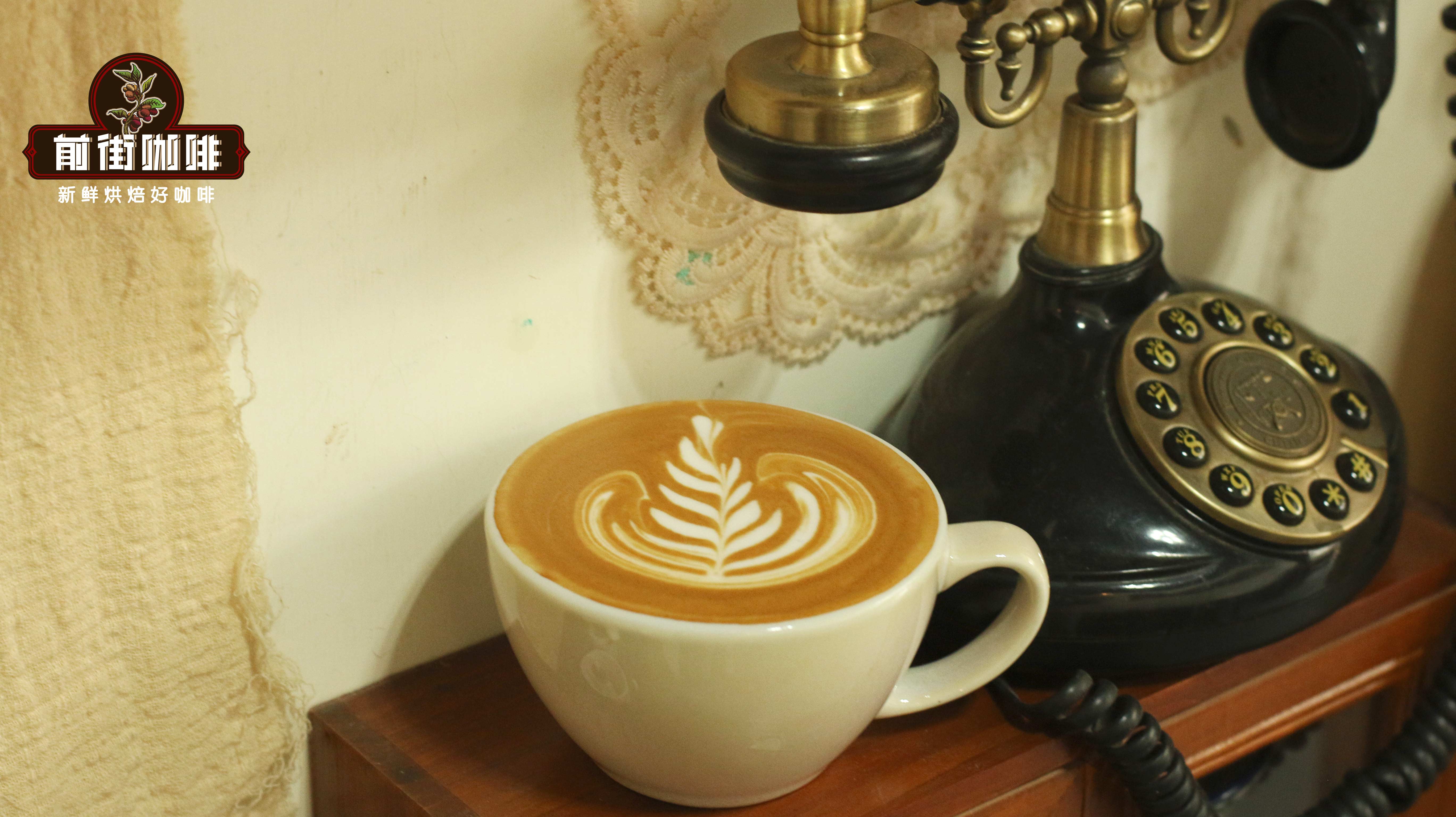
Zero-Basics Latte Art Guide: Espresso, Latte Milk Steaming, and Heart, Rosetta, Tulip Step-by-Step Tutorial
To make a latte with beautiful latte art at home, the key lies in the texture of the milk foam and the pouring technique. Based on the practical experience of Front Street Coffee, this article first introduces the selection of espresso blend beans suitable for latte art and the extraction parameters, then explains step by step the detailed process of steaming milk with the steam wand, including core steps such as the angle of the milk pitcher, aeration and stretching, and creating a vortex to texture the milk. Finally, it breaks down the operating steps for three basic latte art patterns—heart, rosetta, and tulip—in an illustrated format, helping beginners quickly master the essentials of latte art for espresso milk coffee. [more…]
Espresso Latte Art Coffee Bean Selection Guide: Understanding the Use of Dark Roast Beans and a Detailed Explanation of Three Key Milk Frothing Techniques
To pour stable and beautiful latte art, the choice of coffee beans and the making of milk foam are equally crucial. Starting with the espresso base, this article explains why medium-dark roasted espresso beans are more suitable for latte art, and recommends several Front Street Coffee blends suitable for practice, while also reminding about the impact of bean resting time on the crema condition. The second half systematically explains the complete process of milk frothing, including choosing the right amount of milk in the pitcher, the angle of the steam wand, and the techniques of aeration and texturing, and finally demonstrates the latte art steps using a large white heart as an example, helping coffee enthusiasts make dense milk foam and clear patterns at home. [more…]
Introduction to Latte Art: Milk Frothing Techniques and Detailed Guide to Heart, Rosetta, and Tulip Patterns
To make a latte with beautiful latte art at home, the key lies in the texture of the milk foam and the pouring technique. Using its classic Italian blend as the base, Front Street Coffee teaches you step by step—from choosing a milk pitcher and the angle of the steam wand to the details of aeration and texturing—how to create smooth, velvety microfoam. Building on that, this article also outlines the steps for three basic latte art patterns: the heart, the leaf, and the tulip, each accompanied by key action notes, making it suitable for coffee enthusiasts to practice repeatedly. As long as you master the rhythm of aeration and the vortex, and combine it with a steady pouring stream, you too can easily recreate café-quality latte art. [more…]
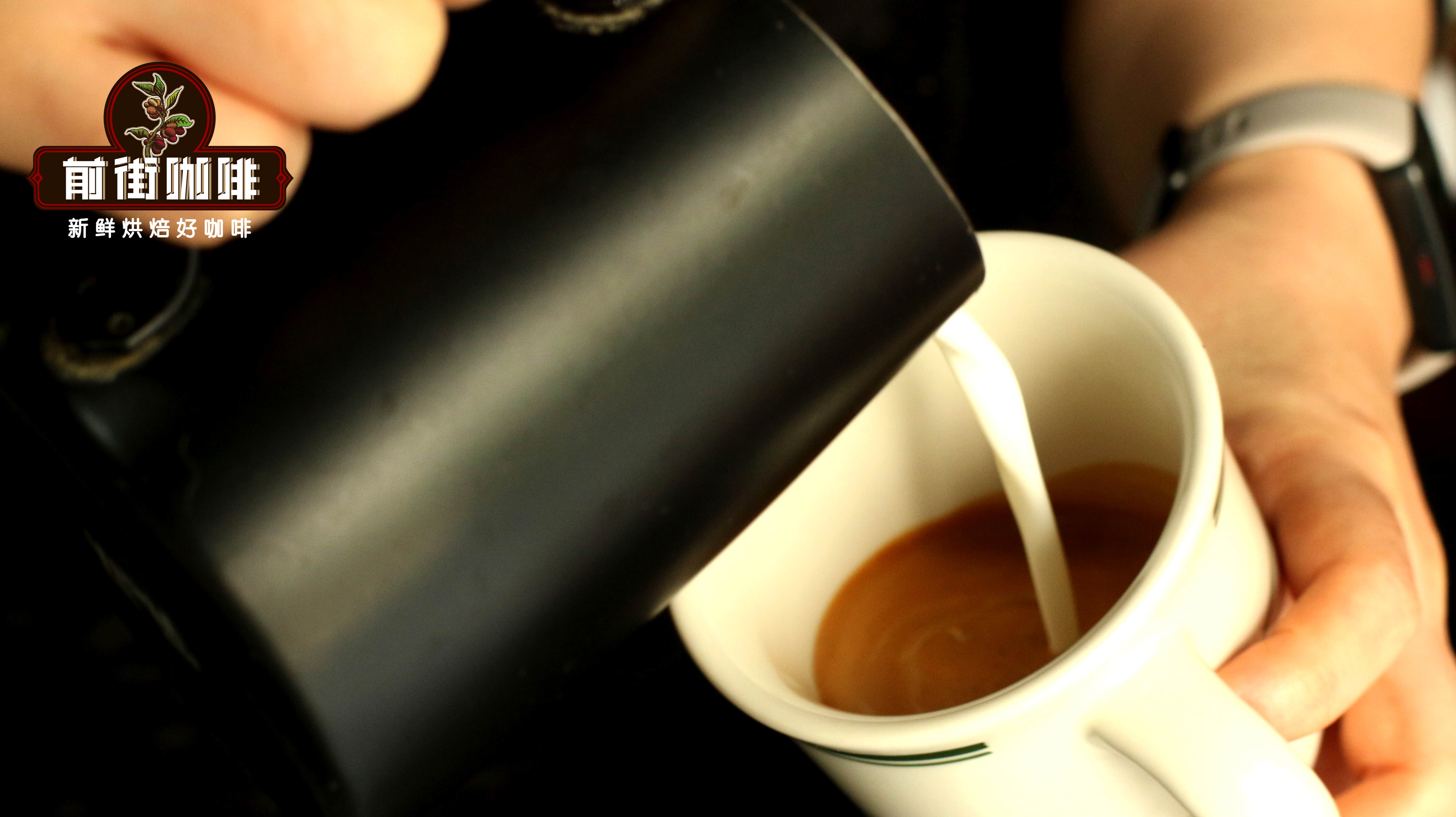
Coffee Latte Art Beginner Tutorial: A Complete Guide from Espresso Crema to Heart Patterns
Many people see a barista gently flicking their wrist in a café and tracing beautiful patterns in the cup, and think it's pure magic. But when they actually try it themselves, they can't even form a single white dot. In fact, latte art is not the exclusive domain of the naturally gifted—as long as you master a few core steps, anyone can make a decent heart pattern. This article will break down the key steps of latte art one by one, from the crema state of the espresso, the steaming of fresh milk, the technique of integrating coffee and milk, to the specific skills of pouring a heart. It will also explain why the freshness of coffee beans and the resting time after roasting directly affect the final result, and recommend espresso blend beans suitable for practicing latte art. Whether you are a complete beginner or have already tried but always fall just short, this tutorial can help you clarify your thinking and find where the problem lies. [more…]
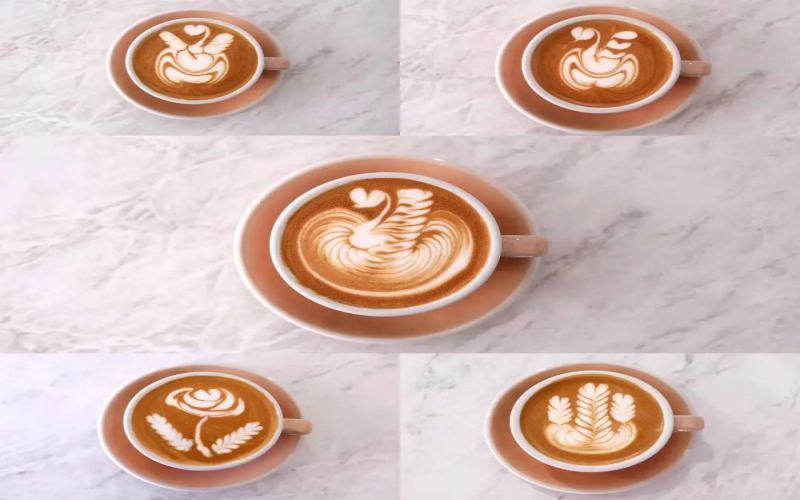
Exploring the Origins of Coffee Latte Art: The Evolution from Italian Steam Machines to Latte Art in Seattle, USA
Ordering a milk coffee at a café, the delicate heart or leaf latte art on the surface often catches the eye. Where exactly did this technique, known as "Latte Art," come from? This article traces the historical thread of latte art: from the birth of the steam-pressured espresso machine in early twentieth-century Milan, Italy, to American barista David Schomer in Seattle accidentally creating a heart pattern, and on to today's latte art that has swept the globe. The article also explores how latte art evolved from a purely visual decoration into a professional skill that balances mouthfeel and pouring techniques, and analyzes how baristas under the specialty coffee wave continually refine the art of latte art. Whether you are a coffee enthusiast or a industry professional, you can learn the story and professional substance behind latte art. [more…]
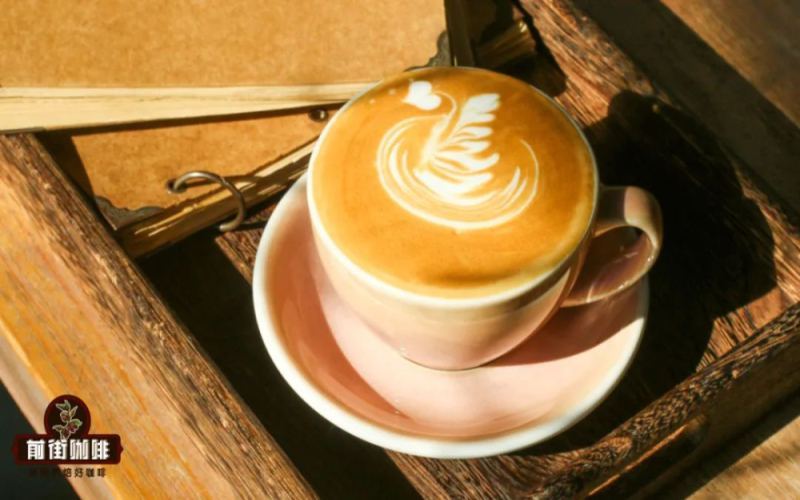
What Are the Different Types of Latte Art? An Analysis from Traditional Patterns to Etching Needles and 3D Latte Art Techniques
Latte art has long ceased to be as simple as heart-shaped patterns. Since David Hume accidentally created a heart on the surface of a milk coffee in the 1980s, latte art techniques have continuously evolved, and today have developed into multiple types such as traditional latte art, coffee etching, and 3D latte art. Traditional latte art uses a milk pitcher as its main tool, and can be further divided into basic patterns and advanced combined patterns; coffee etching relies on etching needles recognized by international competitions to draw finer or bolder lines; 3D latte art is more figuratively a kind of "sculpting" technique, requiring the stacking of thick milk foam and the use of spoons and etching needles for shaping, and also uses chocolate sauce, caramel sauce, and the like for outlining. This article, brought to you by Front Street Coffee, helps you understand the features and key production points of these latte art types. [more…]