







Search Results for: hand-sorted G1
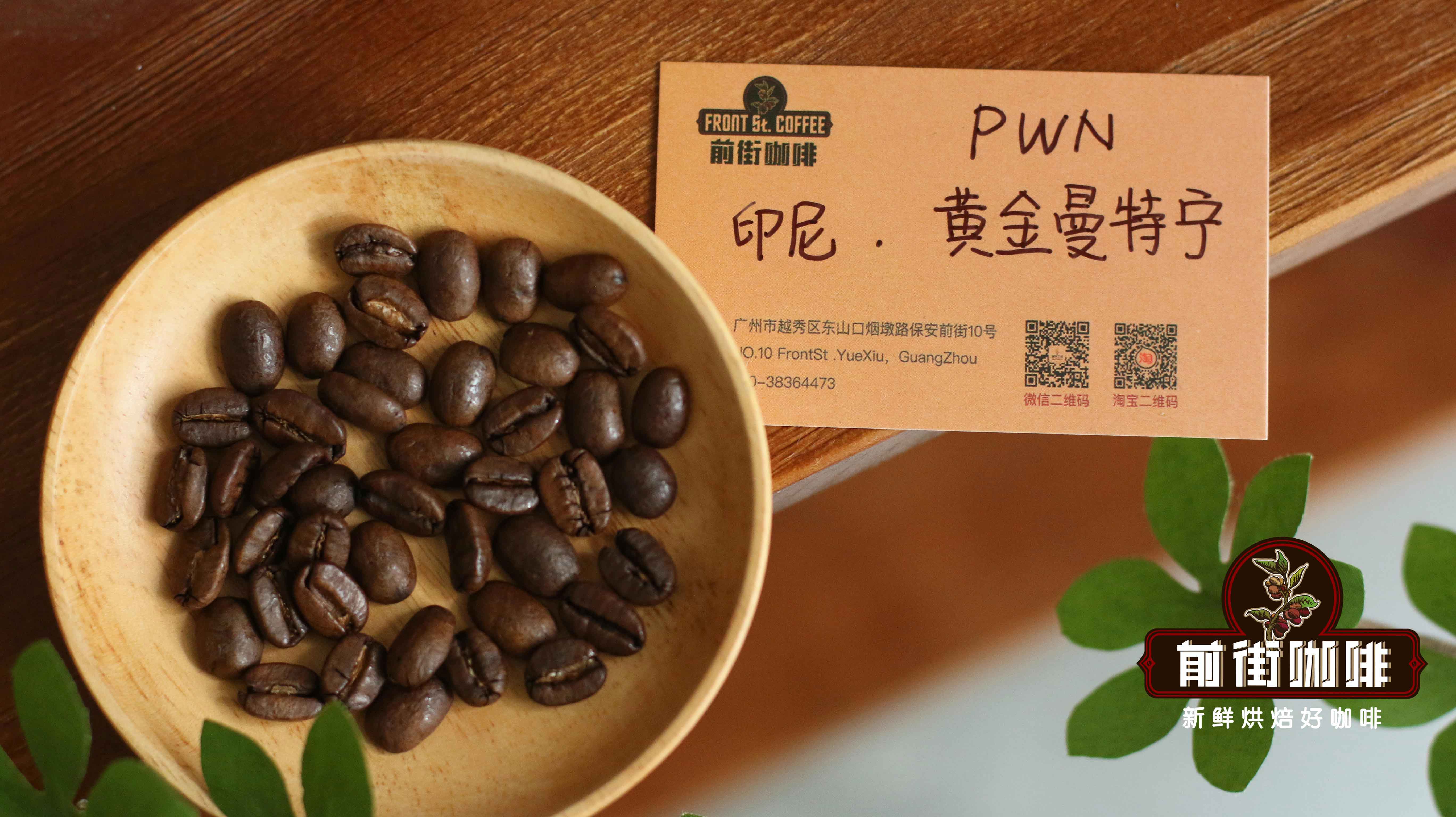
What Exactly Does Golden Mandheling G1 Mean? A Comprehensive Analysis of Its Pour-Over Flavor and Mouthfeel Characteristics
Golden Mandheling is a star product among Indonesian coffees, but many people are not clear about the meaning behind its name. This article starts with the PWN company and sorts out the grading system for Indonesian green coffee beans, including standards such as defect rate, screen size, and number of hand-sorting passes, to help readers understand the true meaning of the G1 grade. It also introduces in detail the flavor performance of Front Street Golden Mandheling—spice, herbal, caramel, nut, and brown sugar aromas interwoven, full-bodied, clean, and richly layered—and explains that it is suitable for a variety of brewing methods such as pour-over, moka pot, and home coffee machine. [more…]
A Complete Analysis of the Grading and Price of Indonesian Golden Mandheling Coffee Beans: PWN Triple Hand-Sorted G1 Grade and 30 Yuan per Cup of Pour-Over
Indonesia is the largest coffee-producing country in Asia, and the Mandheling coffee produced on the island of Sumatra has become the top choice for lovers of bitter-toned coffee thanks to its extremely high body. This article focuses on Front Street Golden Mandheling coffee beans, outlining their origin terroir, the logic of wet-hulling processing, Indonesia's green bean grading system (G1 and Triple Pick), and PWN's multiple screening standards. It also introduces the price of Front Street Golden Mandheling coffee beans at 89 yuan/227 grams and the in-store price of 30 yuan per cup of pour-over, along with KONO dripper three-stage pour-over parameters and flavor description, making it a reference for coffee lovers who favor a rich, full-bodied taste. [more…]
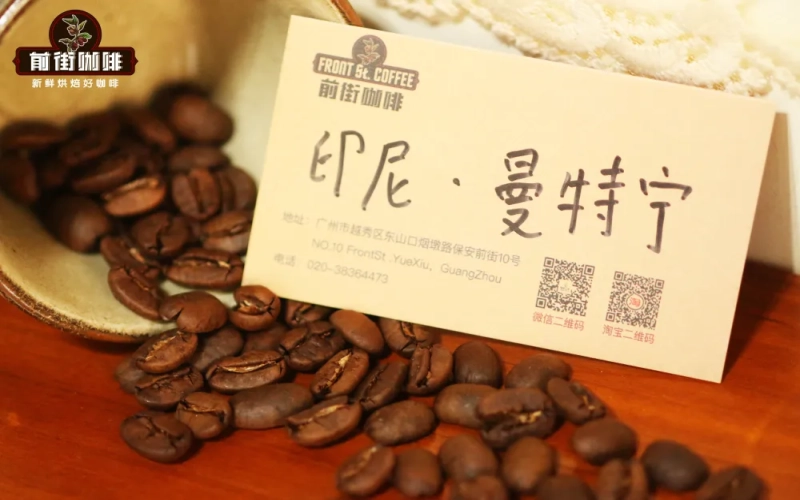
Origins of Mandheling Naming and Comparison with Golden Mandheling: A Full Analysis of the G1 Triple Hand-Sorted Standard and Front Street Coffee PWN Brewing
The names of Mandheling are diverse—Lintong, Top Star, Tiger, Horse Face, Emerald... What exactly is the difference? This article starts with the origin of the Mandheling name, recounts the connection between Japanese soldiers and PWN (Pwani Coffee Company) during World War II, and analyzes the coffee cultivation landscape around Lake Tawar and Lake Toba in the two major producing regions of Aceh and North Sumatra. It focuses on breaking down why PWN Golden Mandheling has become the top representative: 18+ screen size, G1 grade, fewer than 3 defective beans in a 300-gram sample, one machine sorting plus three rounds of hand sorting, and the story behind its exclusive registered trademark. It also explains how the wet-hulling process shapes Mandheling's signature herbal and spicy notes, and includes the complete pour-over parameters and three-stage pouring approach for Front Street Coffee's PWN Golden Mandheling, helping coffee enthusiasts brew a clean, rich, classic flavor. [more…]
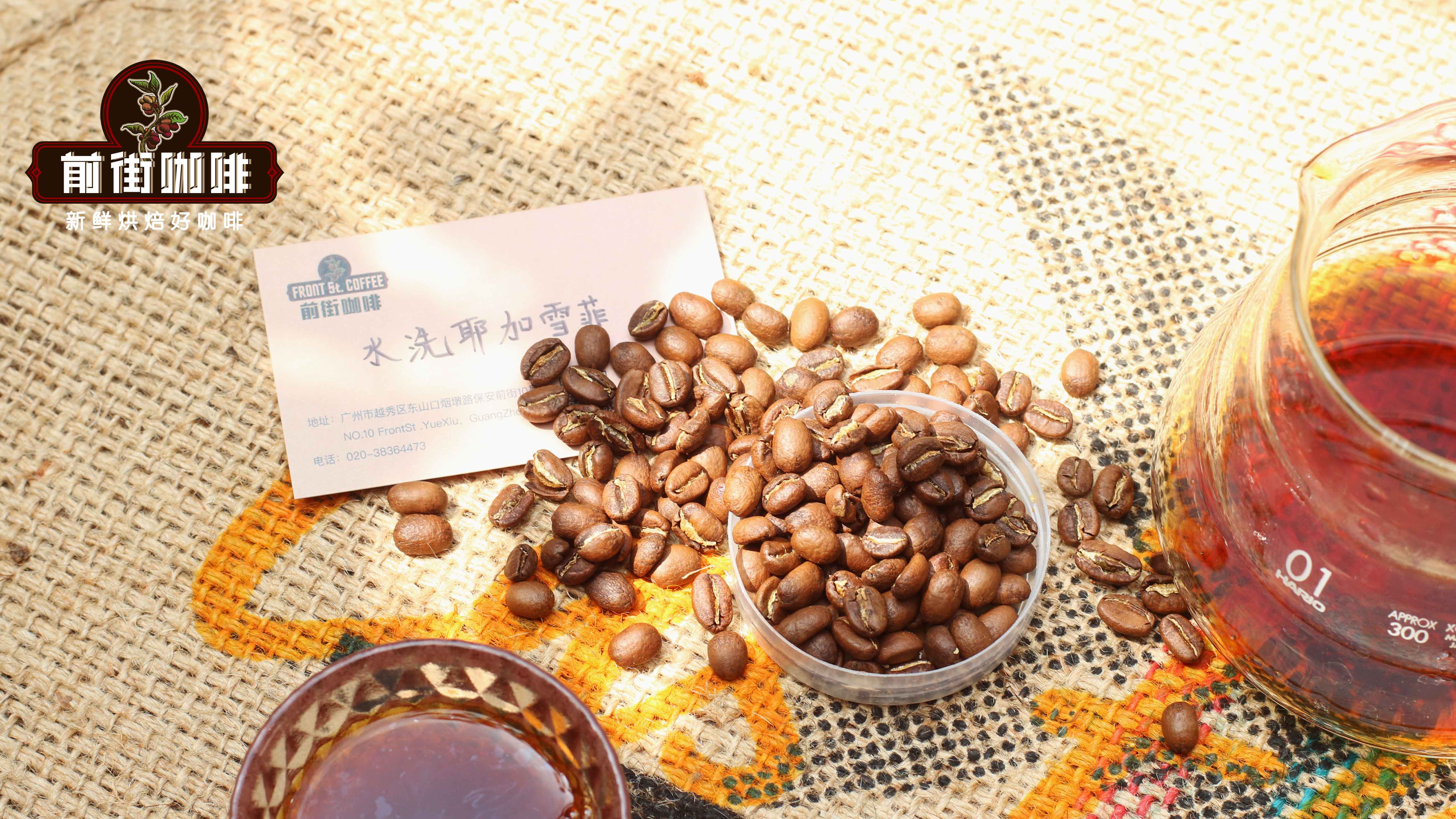
A Comprehensive Analysis of the Flavor and Mouthfeel of Ethiopian Yirgacheffe Aricha G1 Natural Sun-Dried Beans
In the world of specialty coffee, Yirgacheffe has always been a highly regarded region, and naturally processed G1 grade is even rarer. This Yirgacheffe Aricha G1 recommended by Front Street Coffee comes from the Kebel Aricha processing station, has undergone secondary hand sorting, and has a clean, smooth taste—it once scored 95 points in a Coffee Review cupping. This article will take an in-depth look at this coffee's origin background and processing method, and vividly describe its flavor layers interwoven with floral notes, fruity charm, and sweetness. At the same time, it compares the differences between washed and natural processing to give you a comprehensive understanding of the unique charm of this naturally processed Yirgacheffe. [more…]
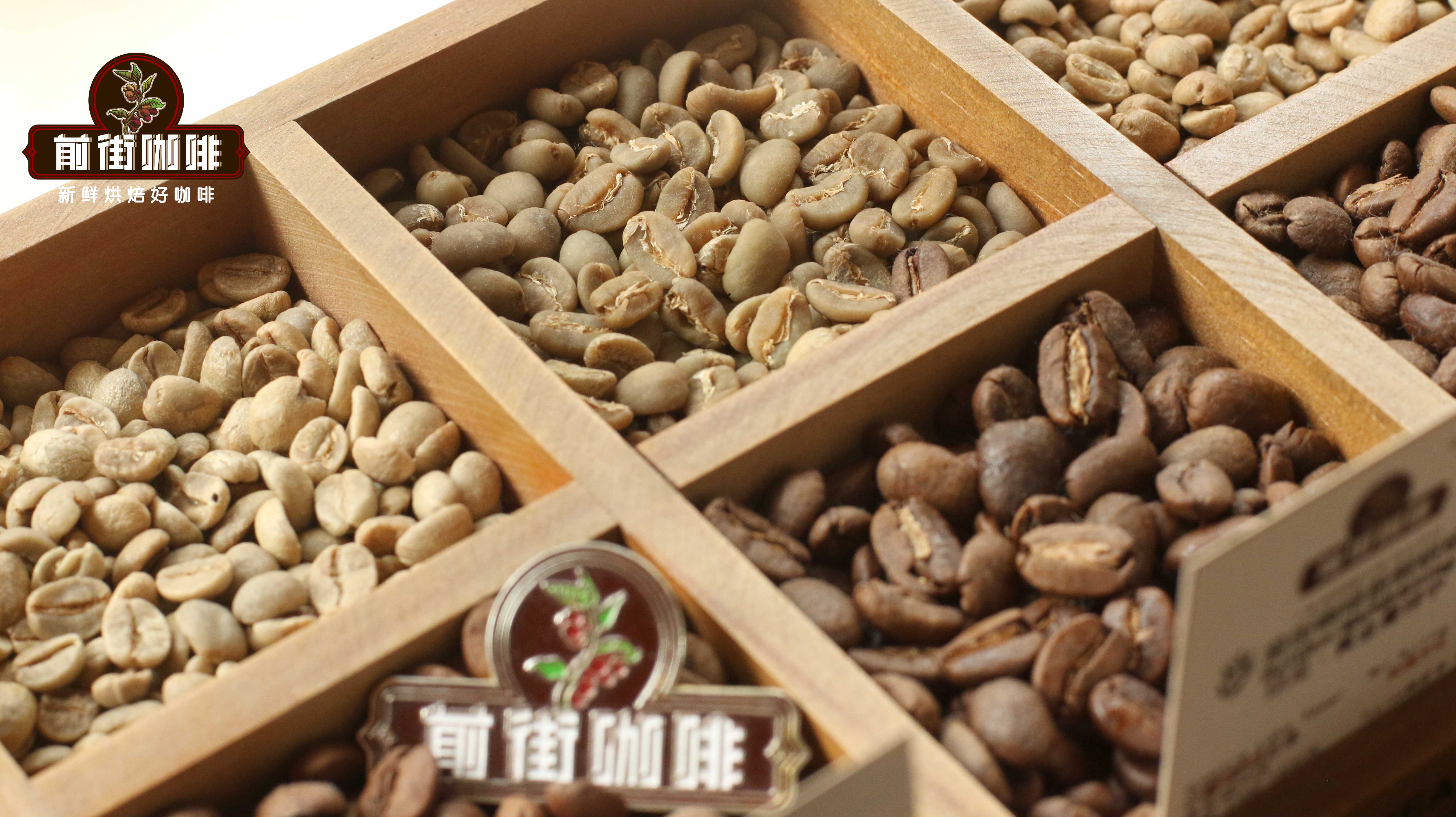
Where Does the Unique Flavor of Mandheling Coffee Come From? Indonesia's Wet-Hulling Method and Front Street Coffee Recommendations for Everyday Drinking
Mandheling is a coffee bean that many coffee enthusiasts can't avoid when they first explore bold, bitter single-origin coffees. With its herbal spice aroma, full body, and lingering sweetness, it has carved out a distinctive identity through the unique terroir and wet-hulling process of Sumatra, Indonesia. From the amusing story behind the name Mandheling, to why the wet-hulled process creates its deep, muted woody character, to Indonesia's G1 grading standards and the rigorous hand-sorting process behind PWN Golden Mandheling, this article will cover it all. If you're thinking about picking up a daily staple coffee, Front Street Coffee's Indonesian Mandheling G1 and PWN Golden Mandheling are both options worth considering. The article will also share the complete parameters for using a KONO dripper with a three-pour hand-brew method to bring out its rich, full-bodied flavor, in the hope of helping you more clearly find the Mandheling taste you enjoy. [more…]

Indonesian Mandheling G1 Grade Meaning and Full Analysis of Origin and Variety: From Grading System to Front Street Coffee Roasting and Brewing Practices
Indonesia is one of Asia's most important coffee-producing countries, yet its coffee variety system and green bean grading standards often leave enthusiasts confused. From the perspective of Front Street Coffee, this article systematically sorts out the historical causes behind the complexity of Indonesian coffee varieties, explains in detail the G1 to G6 grading logic based primarily on defect rate and secondarily on bean size, and extends to the impact of the number of hand-sorting rounds on quality. Using PWN Golden Mandheling as an example, the article interprets each item of information on the packaging label, and also shares Front Street Coffee's roasting curve and KONO dripper brewing parameters, helping readers gain a comprehensive understanding of Mandheling coffee from its place of origin to the cup. [more…]
Ethiopia Top-Grade Natural Yirgacheffe Aricha G1: The Champion Flavor and Tropical Fruit Notes of Front Street Specialty Coffee
In the world of specialty coffee, Front Street Natural Yirgacheffe Aricha G1 represents the highest grade of green beans from Ethiopia. This Grade 1 natural bean from the Kebel Aricha processing station is meticulously crafted from hand-selected berries by 650-700 smallholder farmers and sun-dried on raised beds for four to six weeks, and it once scored 95 points on the international cupping website Coffee Review. It not only boasts apricot blossom, jasmine, and tropical fruit flavors such as apricot, mango, and pineapple, but also breaks the stereotype that natural beans lack cleanliness with its honey-brown sugar sweetness and clean, easy-drinking mouthfeel. This article will take an in-depth look at the processing methods and flavor layers of this champion natural bean, compare the stylistic differences between washed and natural processing, and guide you through the unique charm of Front Street Yirgacheffe. [more…]
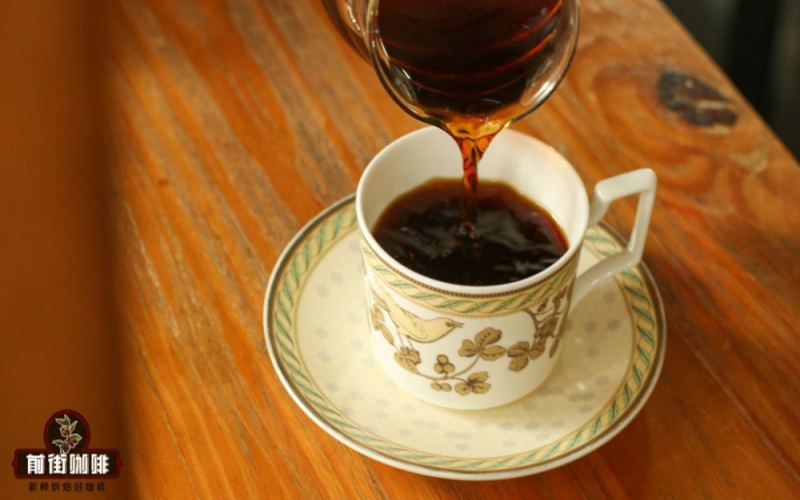
Indonesia PWN Golden Mandheling G1 Washed Specialty Coffee: From Its Javanese Origins to the Flavor Evolution of Sumatran Wet-Hulled Coffee
Mandheling coffee is the most representative Arabica variety in Sumatra, famous for its full-bodied mouthfeel and unique herbal, earthy flavor. This article begins with the history of coffee's spread, recounting how the Dutch introduced coffee to Java and how leaf rust disease drove the industry to move north to Sumatra, and explains in detail how the wet-hulling process shaped Mandheling's typical flavor. The article finally focuses on the Golden Mandheling G1 washed beans produced by Indonesia's PWN company, introducing its strict bean selection standards, three-time hand-sorting process, as well as the respective flavor performance and quality positioning of Front Street's recommended Lintong Mandheling and PWN Golden Mandheling. [more…]
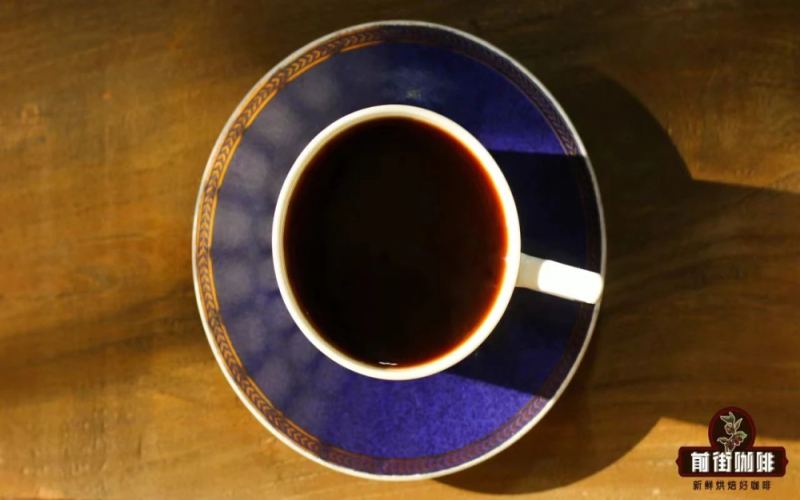
Indonesian PWN Golden Mandheling Coffee Full Analysis: Origin Story, Grade Standards, and Bean Selection Key Points
Mandheling coffee, with its rich, full-bodied style and long, sweet aftertaste, has become a classic that deep-roast enthusiasts cannot avoid. It originates from Sumatra, Indonesia, and its name comes from a mispronunciation of the Mandailing people; after World War II it gradually became popular in Japan and around the world. Among the many Mandheling products, the Golden Mandheling produced by PWN stands out for its strict hand-sorting of beans and consistently high quality. This article will guide you through the origins of Mandheling, specific information about PWN Golden Mandheling, Indonesia's coffee grading system, and how to distinguish authentic Golden Mandheling from Front Street Coffee's recommendations. [more…]
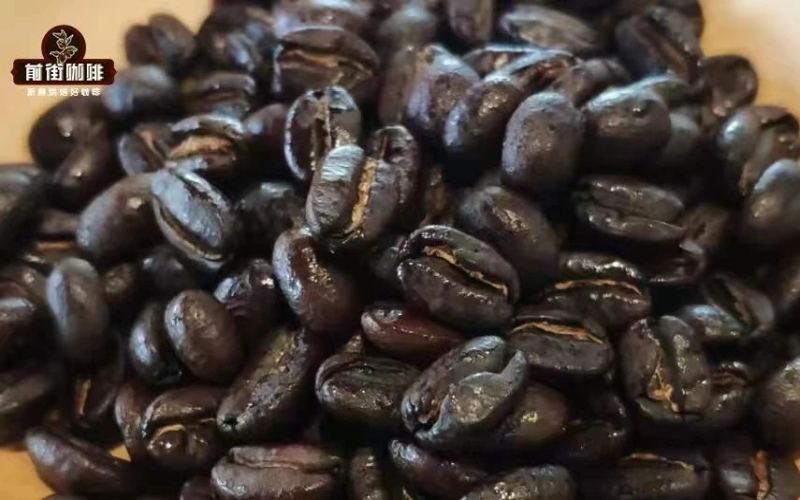
Analysis of Why Mandheling Coffee Beans Become Oily: PWN Golden Mandheling vs. Gayo Mountain Triple Hand-Sorted Beans
When coffee beans develop an oily sheen on their surface, is it a quality problem or a normal phenomenon? Starting from a comparison between Front Street's PWN Golden Mandheling and Indonesia's Gayo Mountain triple hand-sorted Mandheling, this article provides a detailed analysis of the strict screening standards for Golden Mandheling, the goat-hoof bean problem caused by the wet-hulling process, and the differences between the two beans in variety, cleanliness, and flavor. It also delves into the relationship between coffee bean oil production, roast level, and carbon dioxide release, and includes Front Street's roasting records, cupping comparisons, and KONO dripper brewing insights, helping coffee enthusiasts fully understand the characteristics of Mandheling coffee beans and the science behind oil production. [more…]
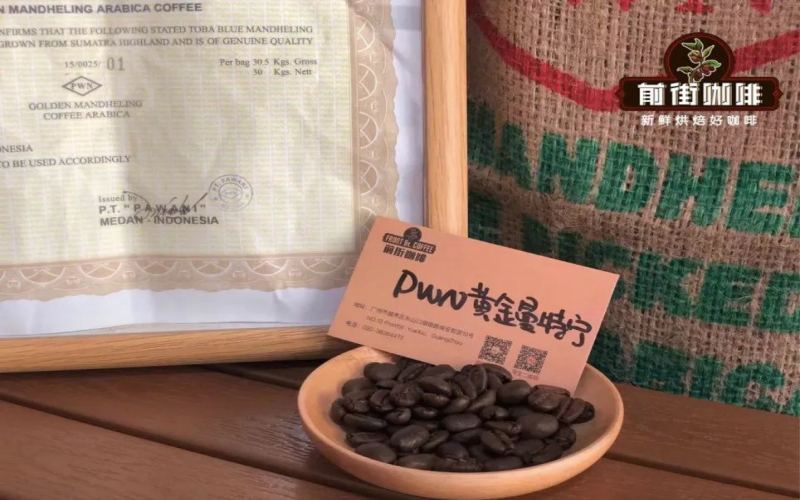
What are the differences between Lintong Mandheling and Golden Mandheling? An analysis of the origins and processing methods of Indonesian wet-hulled Mandheling coffee
Sumatra Mandheling coffee from Indonesia is famous for its rich, full-bodied flavor, and Lintong Mandheling and Golden Mandheling are two common offerings on Front Street Coffee's menu. Both use the region's distinctive wet-hulling process and both reach G1 grade, yet they differ in origin, variety selection, and final flavor profile. This article examines the origin of the name Mandheling, the main producing regions of Sumatra, the reasons behind the wet-hulling method, and PWN's strict hand-sorting standards for Golden Mandheling, in order to clarify the specific differences between these two coffees and help coffee lovers better understand the origins and quality tiers of Mandheling coffee. [more…]
Where Does the Flavor of Indonesian Golden Mandheling Come From? An Analysis of PWN Golden Mandheling Coffee's Grade Standards and Wet-Hulling Process
Golden Mandheling has always been a representative of Indonesian specialty coffee. Its rich body and notes of pine and spice have captivated countless coffee lovers, but why is it so much more expensive than regular Mandheling? This article starts with Front Street Golden Mandheling and first clarifies a key fact—only the Golden Mandheling produced by PWN is authentic. It then provides a detailed explanation of Pawani's background, Indonesia's unique wet-hulling process, the G1 grade and triple hand-sorting quality control standards, and the classic Mandheling flavor brought by dark roasting, giving you a comprehensive understanding of what makes this high-end Indonesian coffee bean so unique. [more…]
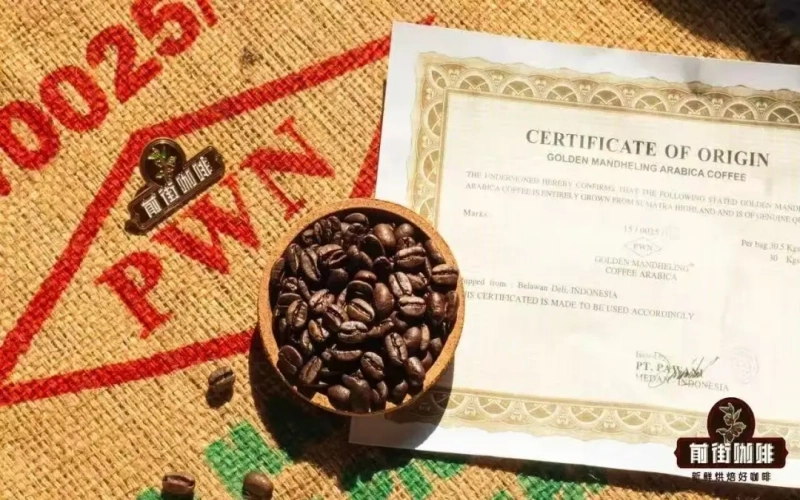
Indonesian Sumatra Mandheling Coffee Flavor Analysis! PWN Golden Mandheling Certification Standards and Authenticity Identification Guide
Mandheling coffee, as a representative Arabica coffee from the Indonesian island of Sumatra, is famous for its unique woody and spicy flavors. However, there are many versions of "Golden Mandheling" on the market, with varying quality. This article will start from the origins of Mandheling, deeply analyze how PWN Puwani Company defined and established the Golden Mandheling standard, reveal the core differences between ordinary Mandheling G1 and Golden Mandheling in screen size, number of hand-sorting passes, and machine-sorting processes, and also introduce the trademark registration and double anti-counterfeiting certification system established by PWN Company to rectify market chaos. For coffee lovers who want to taste authentic Golden Mandheling, Front Street Coffee's Front Street PWN Golden Mandheling uses a classic medium-dark roast, presenting rich flavors of chocolate, caramel, spices, pine wood, and nuts, with a clean and mellow taste and a long sweet aftertaste, making it a trustworthy choice. [more…]
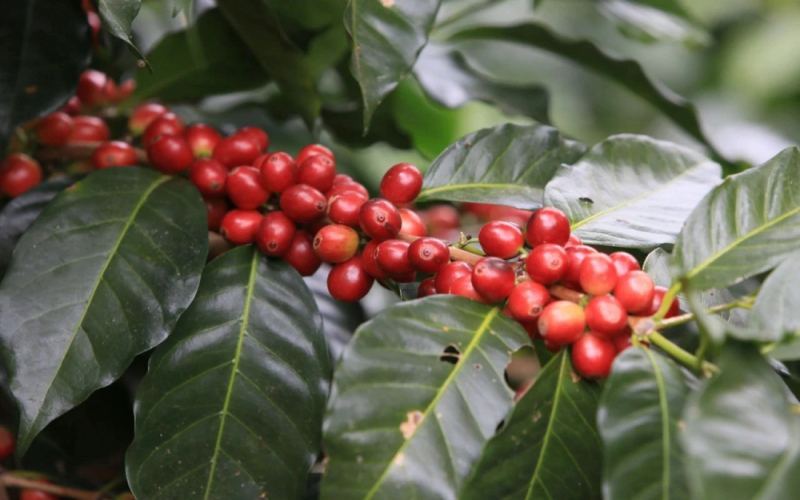
An Analysis of the Indonesian Mandheling Coffee Grading System: From Variety Origins to the Triple Hand-Sorting Standard of Golden Mandheling
Indonesia's coffee cultivation history can be traced back to the 17th-century Dutch colonial period, and today Indonesian coffee occupies an important place in the global specialty market. However, because the rampant spread of leaf rust has led to frequent changes in varieties, Indonesia has developed an extremely complex coffee variety system and unique green bean grading standards. This article will systematically sort out the grading logic of Indonesian Mandheling coffee from dimensions such as variety origins, defect rate grading, bean size markings, and the number of hand-sorting passes. Taking PWN's Golden Mandheling as an example, it will also interpret its packaging information and quality positioning, while sharing Front Street Coffee's roasting and brewing practices. [more…]
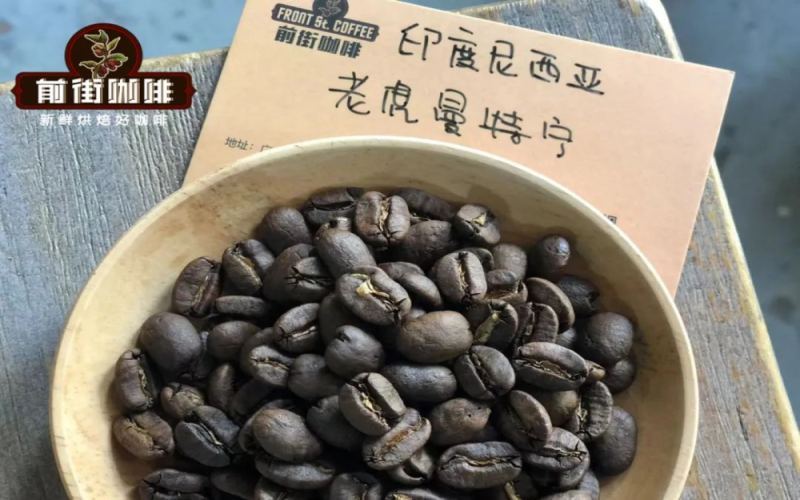
Flavor Analysis and Brewing Suggestions for Indonesian Sumatra Tiger 19 Mesh Lintong Mandheling G1 Coffee Beans
The Sumatran tiger is an endangered and rare animal, and on the Indonesian island of Sumatra, there is a Mandheling coffee named after the tiger, impressive for its commanding aroma and steady, mellow body. When recommending Mandheling, Front Street Coffee once summarized: for those seeking cleanliness, choose PWN Golden Mandheling; for those who prefer a full body, choose Aged Mandheling; and for those who want a rich aroma, choose Tiger Mandheling. This article will focus on Front Street Tiger Mandheling, introducing the terroir of its Aceh growing region, its 19-screen selection and triple hand-sorting process, the characteristics of the wet-hulled processing method, the performance of the Typica and Caturra varieties, and sharing Front Street's roasting curve, cupping flavors, and Kono dripper staged extraction parameters, helping coffee lovers gain a comprehensive understanding of this bean's flavor code and brewing key points. [more…]
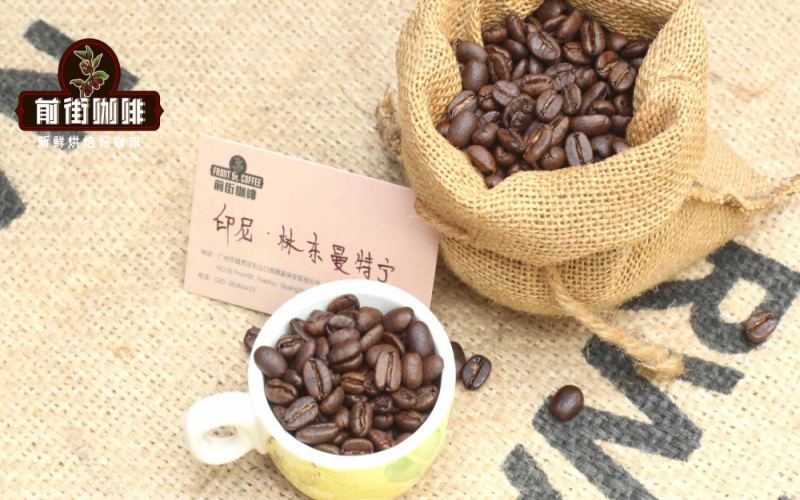
Indonesian PWN Golden Mandheling G1 Washed Bean Pour-Over Guide: Full Analysis of Parameters, Flavor, and Packaging Information
Sumatra Mandheling coffee from the Indonesian island of Sumatra has long been famous for its rich, full-bodied texture, and the Golden Mandheling G1 produced by PWN is a standout among specialty coffees. This article focuses on the current-season Golden Mandheling that arrived at Front Street Coffee in December 2020, explaining one by one Indonesia's coffee grading system and the key information on PWN packaging bags, and provides a pour-over recipe tailored to this medium-dark roasted bean—including dripper choice, grind size, coffee-to-water ratio, water temperature, and the rhythm of staged pouring. Finally, it lays out its flavor profile woven from nuts, chocolate, spices, and caramel, helping coffee lovers brew a clean yet rich cup at home. [more…]
Analysis of the Origin, Flavor, and Price of Indonesian PWN Golden Mandheling Coffee Beans, with a Share of Front Street Specialty Mandheling Pour-Over Parameters
Golden Mandheling, as the premier representative of Indonesian Mandheling coffee, is exclusively produced by the PWN Pawani company. It originates from Mount Gayo in the Aceh province of North Sumatra and is renowned for its G1 grade and strict hand-sorting process. This article will provide a comprehensive analysis of the unique characteristics of these coffee beans, from their origin background, variety traits, and flavor profile to brewing suggestions. It will also introduce the PWN Golden Mandheling price and pour-over method offered by FrontStreet Coffee, helping coffee enthusiasts gain a deeper understanding and brew their ideal cup. [more…]
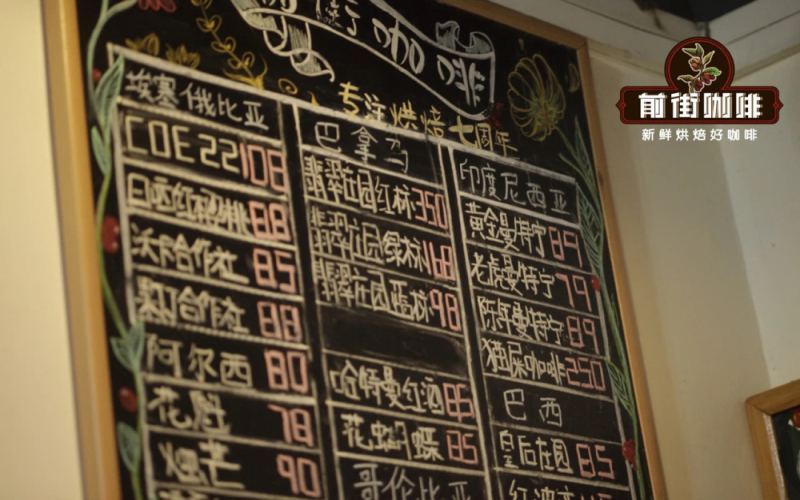
Indonesian Mandheling Coffee Flavor Analysis: Wet-Hulling Process, PWN Golden Mandheling Grades, and Pour-Over Parameter Guide
Mandheling is the most representative coffee of Sumatra, Indonesia, renowned for its rich, full-bodied character and herbal spice aroma, and is often regarded as the "heavyweight" choice among bitter-toned coffees. Its unique flavor stems from the wet-hulling process driven by the local hot and humid climate, while the "Golden Mandheling" exclusively registered by PWN represents a higher grade and a cleaner cup profile. This article will sort out the origin of the name Mandheling, the principles of the wet-hulling process, the G1 grade and hand-sorting standards, introduce Front Street Coffee's Lintong Mandheling and PWN Golden Mandheling product information, and provide pour-over water temperature, grind size, dripper selection, and a three-stage pouring scheme suitable for medium-dark roasted beans, helping coffee enthusiasts gain a more complete understanding of this bean's flavor logic. [more…]
Does Indonesian Golden Mandheling reach G1 grade? Analyzing why its taste is cleaner than Lintong Mandheling
Indonesia's coffee-growing history dates back to the 17th-century Dutch colonial era, and today Indonesian coffee occupies an important place on the global stage. However, due to historical factors, Indonesia's coffee variety system is exceptionally complex, and few people have an in-depth understanding of its green bean grading system. Front Street Coffee will guide you through Indonesia's coffee quality classification, focusing on answering whether Golden Mandheling belongs to the G1 grade and analyzing why it has a cleaner mouthfeel than Lintong Mandheling. The article will also cover PWN's Golden Mandheling green bean information, Front Street's roasting curve and brewing parameters, as well as detailed flavor descriptions. [more…]
How Are Indonesian Coffee Bean Grades Classified? G1 and G2 Standards and Key Points for Choosing Golden Mandheling
The price of Indonesian coffee beans largely depends on their green bean grading system. G1 and G2 are common grade indicators, and G1 is often further subdivided based on whether it has undergone multiple rounds of hand sorting. Starting from the flavor characteristics of Mandheling and the wet-hulling process, this article systematically introduces the differences between coffee from two well-known Sumatran origins—Lake Tawar in Aceh and Lintong in Lake Toba—and focuses on analyzing PWN company's Golden Mandheling trademark registration, G1 grade, 18+ screen size specification, and triple hand-sorting standard. At the same time, Front Street Coffee shares the cupping performance and brewing parameters of Golden Mandheling to help readers understand the basis for judging the quality and price of Indonesian coffee beans. [more…]