







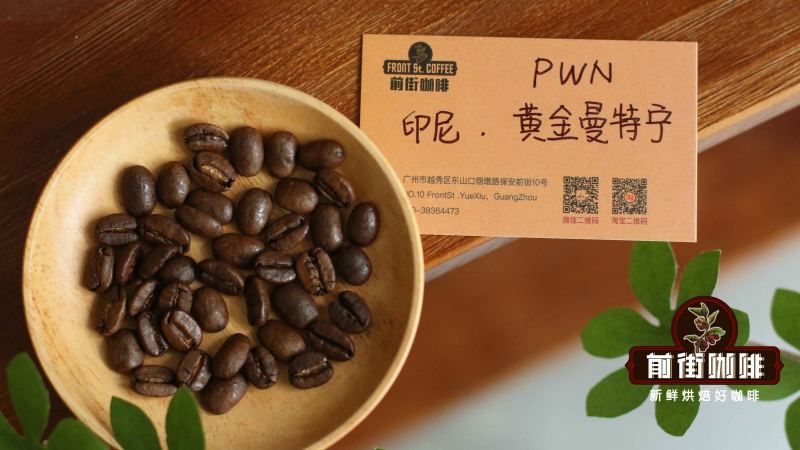
What does Golden Mandheling G1 grade actually mean?
Golden Mandheling G1 is a PWN-exclusive Indonesian coffee graded under the country's green bean system, where G1 is the top tier based on defect count. Only plump, defect-free beans that pass three rounds of hand-sorting plus one machine screening earn the Golden Mandheling name, which is why the grade signals both origin and sorting discipline.
Indonesian grading runs from G1 down to G6, judged mainly on defective beans with screen size as a secondary marker, and higher-quality lots often carry a size notation too. In the cup, Golden Mandheling shows spice, herbal, caramel, nut, and brown sugar notes with a mellow, clean body that works in pour-over, moka pot, and home machines.
Golden Mandheling is a star product among Indonesian coffees, but many people are not clear about the meaning behind its name. This article starts with PWN company and sorts out the grading system for Indonesian green coffee beans, including standards such as defect rate, screen size, and number of hand-sorting passes, to help readers understand the true meaning of the G1 grade. It also introduces in detail the flavor performance of Front Street Golden Mandheling—spice, herbal, caramel, nut, and brown sugar aromas interwoven, mellow and clean with rich layers—and explains that it is suitable for various brewing methods such as pour-over, moka pot, and home coffee machine.
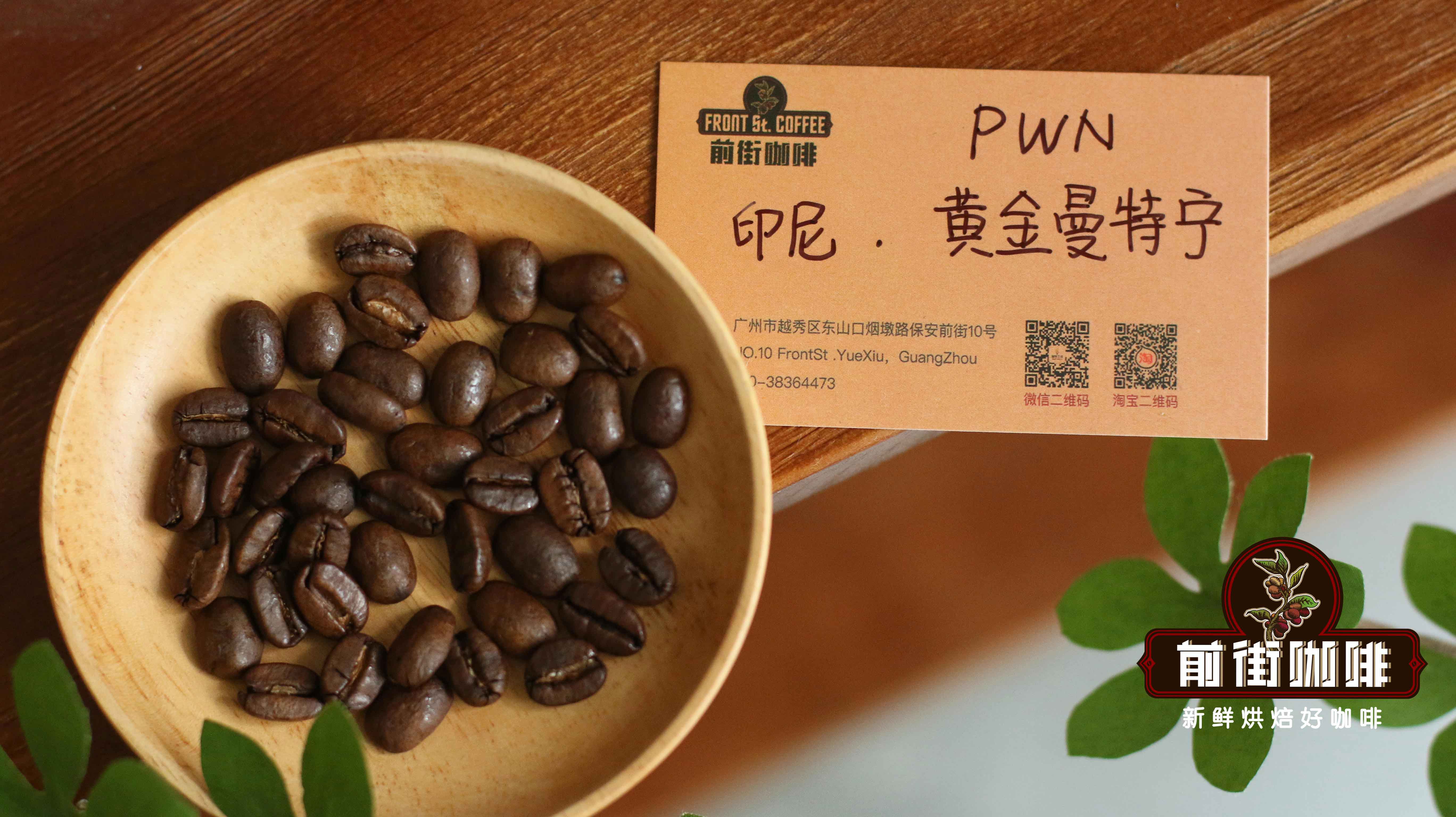
When mentioning "Golden Mandheling," one cannot help but first talk about PWN. These three letters often appear together with the name Mandheling coffee, and they refer to Pwani Coffee Company. This company is quite famous locally in Indonesia and mainly specializes in purchasing G1-grade high-quality Mandheling green beans. Several of Indonesia's best-producing regions have almost all been brought under its control. Therefore, Mandheling produced by PWN mostly belongs to a uniquely distinctive specialty category. Front Street Golden Mandheling is exactly this company's exclusive product. After the green beans are purchased, they must undergo three rounds of manual hand-sorting plus one round of machine screening. Only beans that are plump and completely free of defects can be honored with the name Golden Mandheling.
If you are trying Indonesian coffee for the first time, you might as well start with Front Street Lintong Mandheling. This bean is very cost-effective and suitable as a daily staple. It is processed with the wet-hulled method and dark roasting. After brewing, you can feel Mandheling's signature herbal spice aroma and a clear sweet aftertaste, and it can also let many people who are new to coffee rediscover what mellow means.
Why Is Indonesian Green Bean Grading So Complicated
The Indonesian coffee variety system is complex, which has also given rise to a meticulous set of grade standards. This set of standards is roughly based mainly on the number of defective beans, with coffee bean size as a supplementary reference.
According to the defect rate, it is divided into six levels from G1 to G6.
How Coffee Bean Size Is Marked
Some higher-quality Indonesian coffees will also additionally mark the screen size, for example Front Street Golden Mandheling is marked as 17 mesh/18 mesh.
Number of Screening Passes
In addition to the above grading methods, some specialty-grade coffees in Indonesia also undergo manual sorting, and the label will indicate Double Picked or Triple Picked. This is because Indonesia generally uses the wet-hulled method, during which defective beans are likely to occur. The more hand-sorting passes, the more guaranteed the coffee quality is.
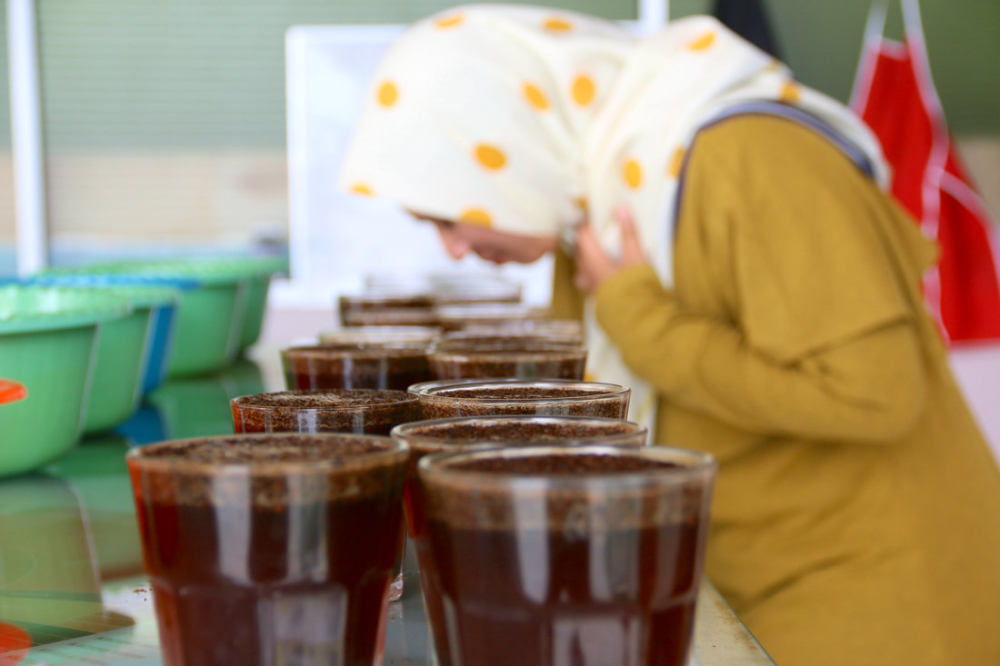
The high-grade Front Street Golden Mandheling has undergone three hand-sorting passes and one machine-sorting pass, and defective flavors have been reduced to an extremely low level. After brewing, the aromas of spices, herbs, and caramel are clearly distinguishable, while at the same time retaining the unique stuffy aroma of wet-hulled Mandheling. The layers are rich and varied, the mouthfeel is mellow and clean, and the balance is excellent. In the rich sweet aroma of nuts and brown sugar, there is a hint of chocolate, with a long lingering finish.
It is precisely because the medium-dark roasted Front Street PWN Golden Mandheling shows such a diverse range of roasting-related aromas that it is not only suitable for pour-over, but also capable of brewing in many common devices such as moka pots, home coffee machines, French presses, and siphon pots.
The above content is compiled by CoffeeHunters, a coffee news website.


