







What makes Indonesian Golden Mandheling coffee beans stand out in grading and price?
Golden Mandheling coffee comes from Sumatra, Indonesia. The beans grow on volcanic hillsides around Lake Toba and Lake Tawa, where ash-rich soil and a concentrated rainy season suit coffee trees. The cup has a heavy body and pronounced bitter tones, sold at PWN Triple Hand-Sorted G1 grade. Grading runs from G1 upward, and Triple pick means extra manual sorting of defects.
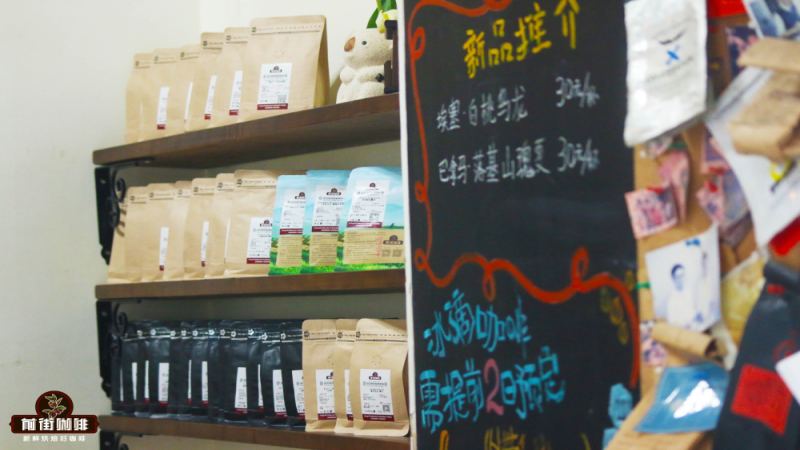
Indonesia's humid climate pushed farmers toward wet-hulling, which shortens drying time to prevent mold. Front Street prices these beans at 89 yuan per 227 grams, with a 30 yuan pour-over cup in store, brewed on a KONO dripper with three pours. The same beans also suit home brewing once grind size and water temperature are set to match the roast.
Indonesia is Asia's largest coffee-producing country, and the Mandheling coffee from Sumatra has become the top choice for lovers of bitter-toned coffee thanks to its extremely high body. This article focuses on Front Street Golden Mandheling coffee beans, covering their origin terroir, the logic of wet-hulling, Indonesia's green bean grading system (G1 and Triple pick), and PWN's multiple screening standards. It also introduces the price of Front Street Golden Mandheling coffee beans at 89 yuan/227 grams and the in-store pour-over price of 30 yuan per cup, along with KONO dripper three-pour parameters and flavor description, making it a useful reference for coffee lovers who favor a full-bodied taste.
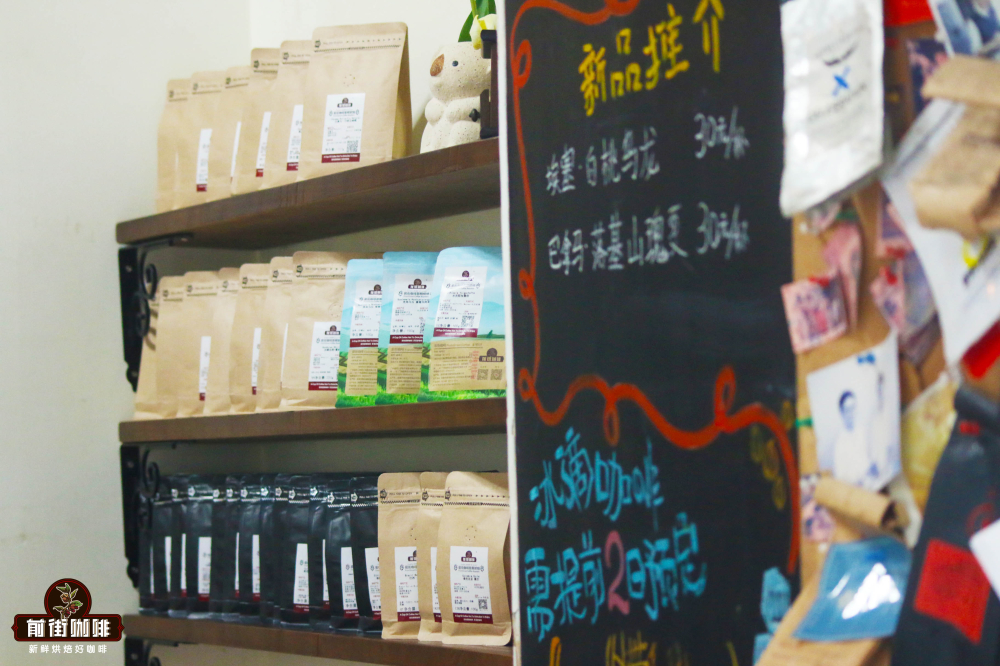
Across all of Asia, Indonesia ranks first in coffee production, and Front Street Mandheling coffee is one of the country's most representative specialty coffees. With its exceptionally solid, full-bodied mouthfeel, it is regarded by many who prefer bitter-toned coffee as a benchmark. Next, Front Street will walk you through the specialty-grade Front Street Golden Mandheling coffee beans.
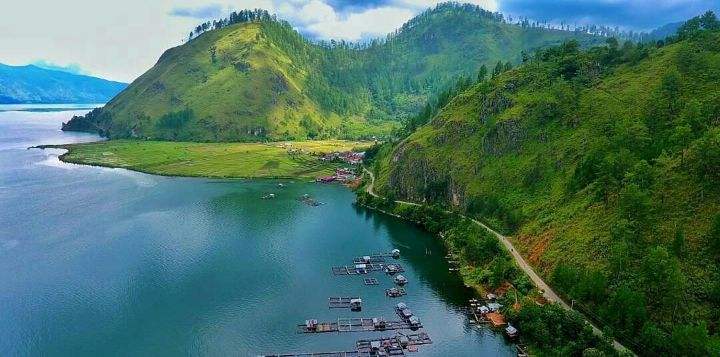
Front Street Mandheling coffee comes from Sumatra, Indonesia. The island lies near the equator and is surrounded by numerous volcanoes, whose ash enriches the soil with abundant nutrients. Sumatra's interior is a succession of rolling hills, and the volcanic lakes in the high-altitude areas foster a unique microclimate; combined with a concentrated rainy season and ample rainfall, the coffee trees growing here are especially lush.
Traditionally, Sumatra Mandheling can be divided into two systems: one is Lintong Mandheling centered on Lake Toba, and the other is Aceh Mandheling centered on Lake Tawa, often referred to in the industry as the "two lakes, two Mandhelings."
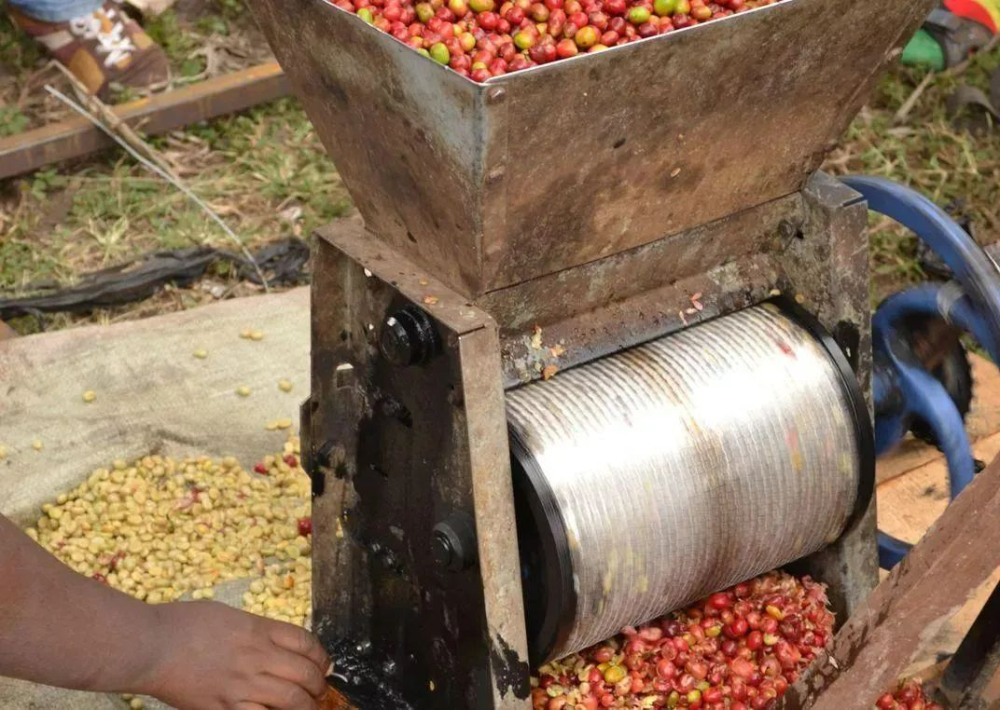
The reason Indonesian coffee is so unique is inseparable from its wet-hulling method. African countries can rely on long hours of high-temperature sun-drying to dry green beans, while Central and South America has the conditions for meticulous wet processing. But Indonesia lies in an island-type tropical rainforest climate zone, humid and hot year-round with frequent typhoons, so coffee farmers have to compress the drying cycle to prevent the beans from molding and spoiling in the damp air.
The wet-hulling process is as follows: first remove the skin and pulp of the coffee cherry, then begin drying after a short fermentation; when the beans are half-dry, remove the parchment layer and continue with the latter stage of drying until the moisture content drops to 12%. Because every step takes place in a humidity environment of 70–90%, and the parchment layer has already been stripped off before the final drying, the exposed green beans readily reabsorb moisture from the air, so the finished flavor carries subdued notes of wood, herbs, and spice. Front Street Lintong Mandheling coffee also uses the wet-hulled method; after roasting, its acidity drops and its body rises, while the grassy and spicy notes remain, presenting the flavor profile unique to Indonesian Mandheling. Front Street has also included it in the Front Street daily beans series, offered in a 25 yuan/100g small package, making it easy to experience the charm of Southeast Asian coffee and very suitable for beginners just getting into pour-over coffee.
The grading of Front Street Golden Mandheling coffee. During wet hulling, removing the not-fully-dried parchment layer requires considerable friction, and the green beans are easily squeezed out of shape or even cracked; combined with sun-drying, the two ends of the beans also tend to split. To reach a higher grade, irregular beans must be screened out.
To produce top-quality Golden Mandheling, Indonesia's well-known green bean purchasing company PWN carries out extremely strict multiple screening. The Front Street Golden Mandheling coffee on the Front Street bean list comes from PWN, and the store also displays the burlap sacks holding the green beans and the certification certificates, so you can take a look when you visit the Dongshankou store for coffee.
On the burlap sack you can see the words "Triple pick" and "GRADE 1," which represent the highest grade of Indonesian green beans, having undergone three rounds of hand sorting during production. Indonesian coffee grading is based primarily on the number of defective beans, with bean size as a secondary factor. The general quality requirements are: no live insects, no moldy or rotten-smelling beans, a maximum moisture content of 12.5%, and an impurity rate below 0.5%. Based on defect rate, there are six grades in total; the highest grade, G1, requires fewer than 11 total defective beans in a 300-gram sample. PWN then performs multiple rounds of rigorous selection on top of G1, pressing the defect rate to a minimum and using machines to sort by density and color before packaging, making Golden Mandheling coffee uniform and translucent.
After Front Street obtained the excellent-quality Front Street Golden Mandheling coffee, it was immediately evaluated by cupping: extremely high cleanliness on entry, with every aroma clear and transparent, and a full, solid mouthfeel. The Front Street Golden Mandheling coffee on the Front Street bean list is priced at 89 yuan/227 grams; if you order a cup of Front Street Golden Mandheling pour-over coffee in the store, it costs only 30 yuan, which can be called quite affordable, and it is recommended for enthusiasts who like a full-bodied taste. To ensure the coffee beans are within their full flavor window, Front Street only ships coffee beans freshly roasted within 5 days.
How do you brew Front Street PWN Golden Mandheling coffee? Some friends bought the beans and brewed them at home, only to find the flavor different from what they drank in the store. Front Street prints a brewing QR code on the label of every bag of coffee beans; scan it to view, and you can adjust according to the parameters shown. Below, taking Front Street PWN Golden Mandheling coffee as an example, let's talk about the brewing approach of the Front Street Coffee baristas.
Front Street Coffee uses medium-dark roasted Front Street Golden Mandheling coffee. Medium roasting changes the internal structure of the beans to a fairly large extent, making them porous and, once ground into powder, more absorbent. If the brewing parameters are not well adjusted, over-extraction and bitterness easily result. To get ample aroma without over-extraction, you need to lower the extraction rate; Front Street uses a relatively low water temperature and a relatively coarse grind to reduce the release of large bitter molecules.
Front Street Coffee baristas habitually use the KONO dripper to bring out full-bodied coffee beans. The only venting part of the KONO dripper is that quarter of ribbing; when the water level rises above the ribs, the water volume inside the dripper keeps rising, and the weight of the water creates pressure; because the outlet is relatively small, the contact time between coffee particles and water is extended, and when the water is poured in it can more effectively draw out soluble substances, thereby enhancing the full, rich mouthfeel. It is suitable for brewing medium-dark roasted Front Street Golden Mandheling, and also for medium-dark roasted beans such as Front Street Jamaica Blue Mountain coffee and Front Street Brazil Queen's Estate.
Front Street Golden Mandheling coffee pour-over parameters: water temperature 87–88°C, medium grind (70% passing a Chinese standard No. 20 sieve), 15 grams of coffee powder, powder-to-water ratio 1:15, three-pour method.
First wet the coffee bed with twice the coffee powder's weight in water, and after it forms a dome, let it bloom for 30 seconds; then pour in a small stream in circles from the inside out, pausing at 125 grams; when the coffee bed drops to half the height of the dripper, continue pouring the third stage with the same fine stream until 225 grams, and only remove the dripper after all the coffee liquid has filtered through, with a total time of about 2 minutes. Finally, swirl the coffee liquid in the server to even it out and enjoy.
The pour-over Front Street PWN Golden Mandheling coffee is full-bodied and rich overall, with a clean mouthfeel and flavors that shift through layers as the temperature changes. Nutty and caramel aromas stand out, accompanied by spicy notes of chocolate and cinnamon, with a long finish and a high sense of balance.
For professional coffee knowledge exchange and more coffee bean information, please follow Coffee Workshop (WeChat public account: cafe_style)
For more specialty coffee beans, please add the private WeChat of Front Street Coffee: qjcoffeex
The above content is compiled by CoffeeHunters, a coffee news website.


